
Why is aluminum hydroxide an effective flame retardant, and how does it work?
November 24, 2025 by Lee On
Fire safety is a constant worry for many products we use daily. Using the wrong materials can lead to failure and danger. But a simple, effective additive can make them much safer.
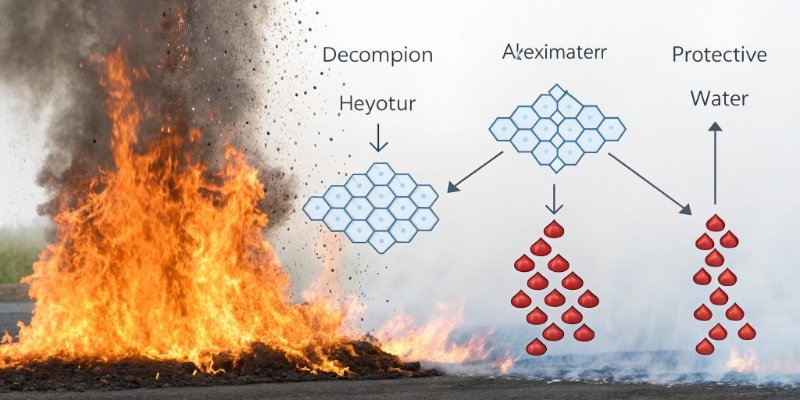
Aluminum hydroxide works as a flame retardant by decomposing when heated. This chemical reaction absorbs a great deal of heat, releases harmless water vapor that dilutes oxygen, and forms a protective layer of alumina. This combination effectively stops a fire from growing and spreading.
The science behind this white powder is surprisingly simple but incredibly powerful. I’ve seen its effectiveness myself during countless quality tests in our factory. It’s not just about mixing a powder into plastic; it’s about understanding how it completely transforms under heat to protect the material. To really appreciate its value, it’s important to understand the core principles of flame retardancy. This knowledge helps explain why aluminum hydroxide has become such a trusted solution in so many industries. Let’s start with the basics.
What is the fundamental principle of a flame retardant?
Fires can start and spread with terrifying speed. Many materials we use every day are naturally flammable. Flame retardants are essential additives designed to interrupt this dangerous process.
A flame retardant works by interfering with the combustion cycle. It can cool the material below its ignition temperature, dilute flammable gases with inert ones, or form a protective char layer that insulates the material from heat and oxygen, which slows or stops the fire.
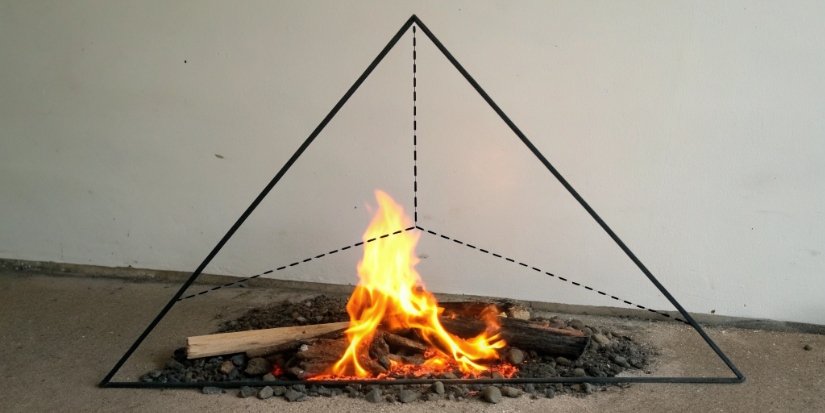
To understand how a flame retardant1 works, you first need to understand fire itself. Fire requires three things: heat, fuel, and an oxidizing agent (usually oxygen). This is often called the "fire triangle2." Flame retardants are designed to remove at least one of these elements. They work through different physical or chemical actions.
Physical and Chemical Actions
Some retardants work physically. They might cool the material, like aluminum hydroxide does when it releases water. Or they might form a barrier on the surface to cut off the fuel from the oxygen. Others work chemically. These retardants can release particles that interrupt the chemical reactions of combustion in the gas phase, stopping the fire at a molecular level. Aluminum hydroxide3 is prized because its main actions are physical. It doesn’t interfere with the base polymer’s chemistry as much and, as we’ll see, it avoids producing toxic byproducts. This makes it a very stable and predictable solution.
Is aluminum hydroxide considered a true flame retardant?
You need a reliable and proven flame retardant for your products. But many traditional options contain toxic chemicals that are now facing heavy regulation. Aluminum hydroxide offers a safe and effective alternative.
Yes, absolutely. Aluminum hydroxide is one of the most widely used flame retardants in the world. It is classified as a halogen-free mineral flame retardant, valued for its high performance, low cost, and environmentally friendly profile since it produces no toxic smoke.
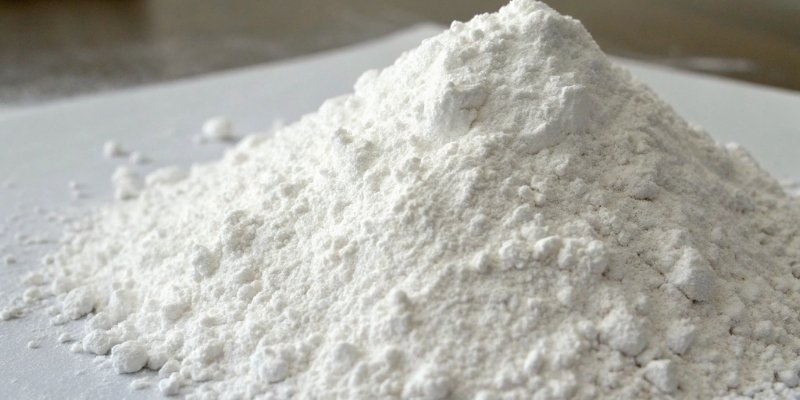
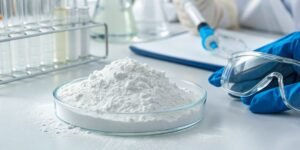
In my factory, we produce tons of this fine white powder every day. It’s also known as Aluminum Trihydrate4, or ATH. While it looks simple, its power is unlocked by heat. When a fire starts on a material containing ATH, a crucial chemical reaction begins around 220°C.
The reaction is: 2Al(OH)₃ → Al₂O₃ + 3H₂O
This simple decomposition is responsible for its three-way flame-retardant action. As a manufacturer, I see these three effects as the core value we provide to our customers.
| Mechanism | Description | Effect on Fire |
|---|---|---|
| Heat Absorption | The breakdown of Al(OH)₃ absorbs a massive amount of heat (1170 kJ/kg). | Cools the material, slowing thermal breakdown. |
| Water Vapor Dilution | Releases significant amounts of water vapor, which dilutes oxygen and flammable gases. | Smothers the flame and pushes oxygen away. |
| Protective Layer | Forms a stable, high-temperature aluminum oxide (Al₂O₃) layer on the surface. | Insulates the material from external heat and oxygen. |
This process makes aluminum hydroxide a powerful, built-in fire extinguisher for the material it is mixed into.
What are the main applications for aluminum hydroxide as a flame retardant?
You understand the science, but where is it actually used in the real world? It can be hard to visualize its impact. You can find it in many everyday products, making them safer.
Aluminum hydroxide is mainly used as a flame retardant in plastics and rubber. It is critical for wire and cable insulation, conveyor belts, automotive parts, and construction materials. It is also added to paints and coatings to improve their fire resistance.

From my position at the source factory, I get to see where our product goes, and its applications are incredibly broad. The main markets are industries where fire safety is not just a feature, but a legal requirement.
In Plastics and Rubber
This is the largest area of use. Think about the plastic insulation around the electrical wires in your office or home. If a short circuit happens, the last thing you want is for the insulation to catch fire and spread it. We supply our aluminum hydroxide to cable manufacturers5 who mix it into PVC, polyethylene (PE), and other polymers. It allows their products to pass strict safety tests. The same goes for rubber conveyor belts in mines or airports and for interior parts in cars and trains.
In Coatings and Adhesives
Another growing area is in fire-retardant coatings6. These specialty paints are applied to steel beams in buildings or on walls in public spaces. When exposed to fire, the coating swells up, and the aluminum hydroxide within it starts working to cool and protect the structure underneath, giving people more time to evacuate.
Why is aluminum hydroxide considered an eco-friendly flame retardant?
Many older flame retardants release harmful, toxic smoke when they burn. This creates serious health risks for people and big problems with environmental regulations. Aluminum hydroxide offers a clean, non-toxic solution.
It’s called an eco-friendly or "clean" flame retardant because its decomposition products are simply aluminum oxide and water. Unlike halogenated retardants, it does not release toxic or corrosive gases, making it a much safer choice for people and the environment.
This is one of the most important points I discuss with new customers, especially those from markets with strict environmental laws like South Korea and Europe. For years, the industry relied on halogenated flame retardants, like those containing bromine or chlorine. While effective, they have a major downside: when they burn, they can release highly toxic and corrosive gases like dioxins and furans.
The Halogen-Free Advantage
Aluminum hydroxide is completely halogen-free7. As I explained, when it decomposes, it only releases water (H₂O) and aluminum oxide (Al₂O₃). Both are harmless. This has two huge benefits. First, it makes the fire much less deadly. Most fire-related deaths are from smoke inhalation, not the fire itself. ATH not only avoids producing toxic smoke, but the water vapor it releases also helps to suppress smoke density, improving visibility. Second, it helps our customers meet international regulations like RoHS (Restriction of Hazardous Substances). Many of our clients are switching to our product specifically to get this "halogen-free" advantage.
Conclusion
In short, aluminum hydroxide stops fires by cooling, diluting, and shielding the material. It is a safe, effective, and eco-friendly solution for many industries, making it a key product for us.
-
Learn how flame retardants function to prevent fires and protect materials from combustion. ↩
-
Discover the fire triangle concept, essential for understanding fire dynamics and safety measures. ↩
-
Explore the benefits of Aluminum hydroxide, a powerful flame retardant that enhances safety in various materials. ↩
-
Discover the properties and applications of Aluminum Trihydrate in various industries. ↩
-
Learn how cable manufacturers incorporate flame retardants to enhance safety in electrical products. ↩
-
Explore the applications of fire-retardant coatings in enhancing safety in buildings. ↩
-
Explore the benefits of halogen-free flame retardants for health and environmental safety. ↩

You may also be interested in:

What protective measures should be taken when handling aluminum hydroxide powder in a factory?
Are you worried about worker safety when handling fine powders? Aluminum hydroxide is generally safe, but mishandling its dust can lead to serious respiratory issues and even create explosive conditions.

What Key Technical Indicators Should Be Considered When Purchasing Aluminum Hydroxide?
Are you struggling to find the right aluminum hydroxide for your needs? You might be paying for features you don’t even require. Let’s simplify the technical details. When buying aluminum

What are the market trends for aluminum hydroxide in 2026?
Are you planning your 2026 raw material purchases? Volatile markets make it hard. I will share insights from the factory floor to help you make better decisions for your business.
Is aluminum hydroxide toxic and is it harmful to the human body?
Worried about the word "aluminum" in your products? It sounds scary and can make you question its safety. I’m here to clear up the confusion with simple facts. Aluminum hydroxide

What are the side effects of long-term use of stomach medications containing aluminum hydroxide?
Struggling with constant heartburn? Reaching for that stomach medicine might seem like the only option. But what if that relief comes with hidden long-term costs? The most common side effect

Does ingesting aluminum (such as through aluminum hydroxide) cause Alzheimer's disease?
Are you worried that everyday products containing aluminum might be harmful? This fear connects to serious health concerns like Alzheimer’s, making you question what is safe. Let’s look closely. Based

Why do some vaccines contain aluminum hydroxide (aluminum adjuvant)?
Confused about vaccine ingredients? Seeing aluminum hydroxide listed can be unsettling. I’ll explain its crucial role and why it’s there to help your body build strong immunity. Aluminum hydroxide acts

Is the aluminum adjuvant in vaccines safe for infants or adults?
You read about vaccine ingredients and worry. The word "aluminum" sounds scary, especially when talking about babies. But understanding the facts can give you peace of mind. Yes, the aluminum

What environmental problems are generated during the production of aluminum hydroxide?
Worried about environmental compliance in your supply chain? Sourcing from China can be complex. You need a reliable, eco-conscious partner for your aluminum hydroxide needs. The main environmental issue is

Where are China's main aluminum hydroxide production areas?
Are you struggling to find the right aluminum hydroxide supplier in China? This confusion can lead to higher costs and unstable quality, which hurts your business and your reputation. China’s