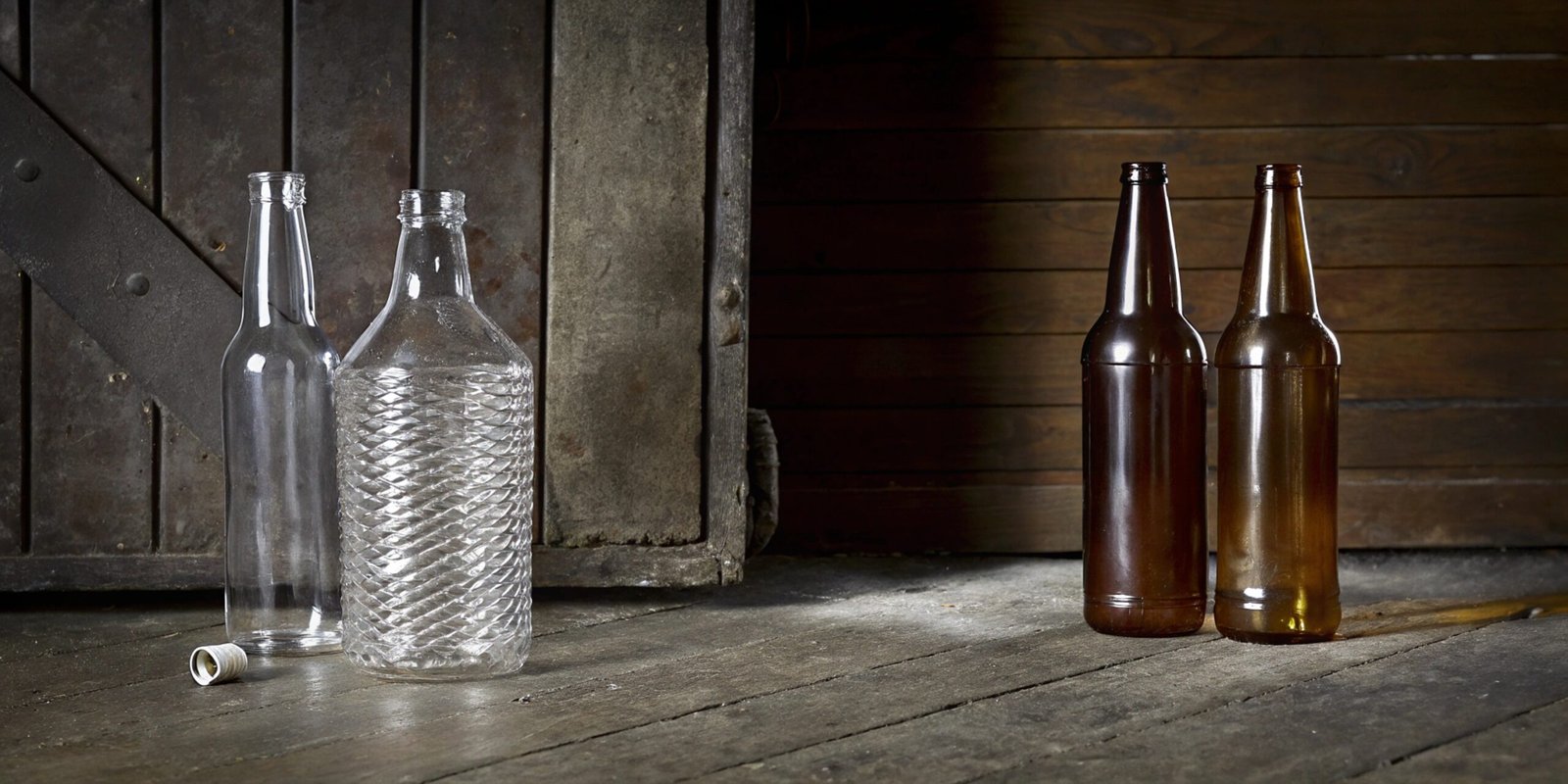
Frustrated with plastic waste? You see plastic bottles everywhere and wonder why companies don’t just switch to something better like aluminum or glass. You want a more sustainable option, but it seems like plastic is unavoidable.
The main reasons bottlers prefer plastic are cost and convenience. [4, 19, 28] Plastic, specifically PET, is cheaper to produce than aluminum or glass. [18, 19, 37] It’s also much lighter, which significantly reduces shipping costs and the energy needed for transportation. [4, 19, 28]
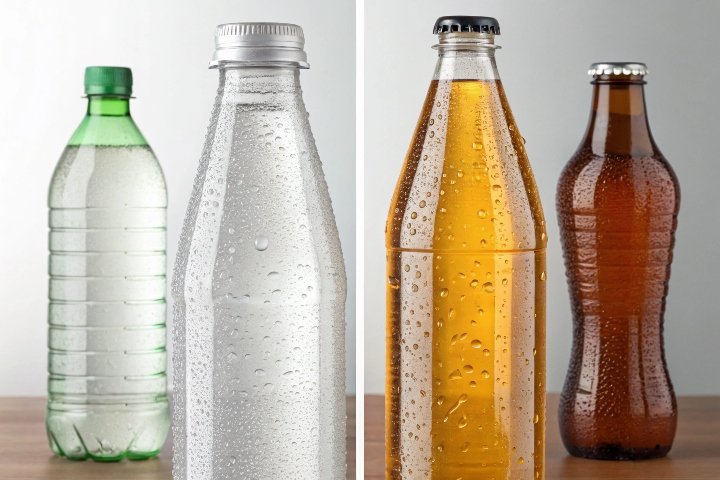
I’ve been in the manufacturing industry for a long time, dealing with different materials and production processes. As someone trying to bring our factory’s products directly to the international market, I’ve had to learn a lot about why certain materials are chosen over others. It often comes down to a balance of cost, performance, and what the customer, in this case, the beverage company, really needs. This is a big topic for anyone in the business, especially for buyers like Mr. Park, who are always looking for the most efficient and cost-effective solutions. Let’s break down why plastic still rules the beverage world.
Why don’t we use aluminum instead of plastic?
Tired of seeing plastic bottles polluting our oceans? You wish companies would switch to aluminum, a material that seems much more eco-friendly. The reality is, the choice is more complicated than it appears.
While aluminum is highly recyclable, it’s generally more expensive to produce than plastic. [18, 26, 37] The initial production of aluminum from bauxite ore is an energy-intensive process. [9, 15] Although recycling aluminum saves a lot of energy, the upfront costs for manufacturers are still a major factor.
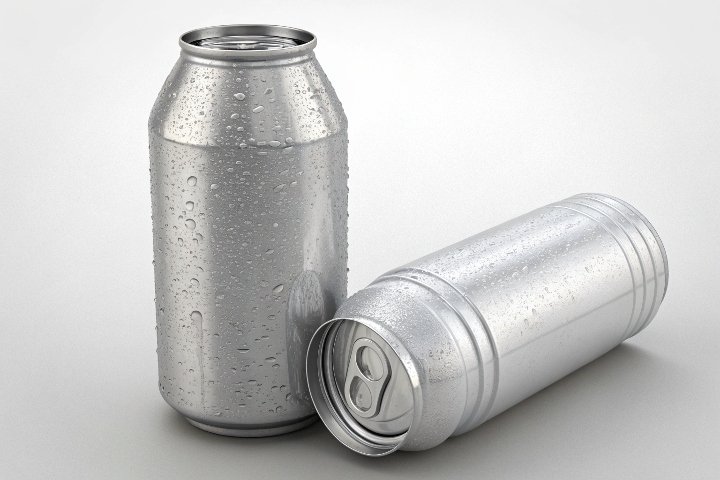
A Deeper Look at the Choice Between Aluminum and Plastic
When a company decides on packaging, they look at the entire lifecycle of the product, from creation to when it reaches the consumer’s hands. As a factory manager, I’ve seen these decisions firsthand. Cost is a huge driver. Plastic bottles, particularly those made from PET, have a lower production cost1 compared to aluminum. [19] The raw materials and the energy required to make plastic are less expensive. [19]
Transportation is another big piece of the puzzle. Aluminum is lightweight2, but plastic is even lighter. [26, 34] This might not seem like a big difference for one bottle, but when you’re shipping millions of units, that weight difference adds up to significant savings in fuel and lower carbon emissions during transport. [4, 19, 34] For a business, especially one that operates on a large scale, these transportation savings are hard to ignore.
Then there’s the consumer experience. Plastic bottles are resealable, which is a big plus for people on the go. [4, 25] While resealable aluminum bottles exist, they are more recent and more expensive to produce. [30]
Here is a simple table to show the main points:
| Feature | Aluminum | Plastic (PET) |
|---|---|---|
| Production Cost | Higher | Lower [19] |
| Weight | Lightweight | Very Lightweight [34] |
| Recyclability | Infinitely recyclable [3, 8] | Recyclable, but degrades [8, 25] |
| Durability | Very Durable [7] | Shatter-resistant [4] |
| Consumer Convenience | Often not resealable | Resealable [4, 25] |
Why don’t companies use glass bottles instead of plastic?
Worried about the chemicals in plastic? You might think glass is the perfect, safer alternative. But the widespread use of plastic bottles continues, leaving you wondering why the seemingly better option isn’t the standard.
Glass is significantly heavier and more fragile than plastic, leading to much higher transportation costs and a greater risk of breakage during shipping. [15, 21, 34] The production of glass is also very energy-intensive, which can make its overall environmental footprint larger than plastic in some cases. [9, 14, 21, 23]
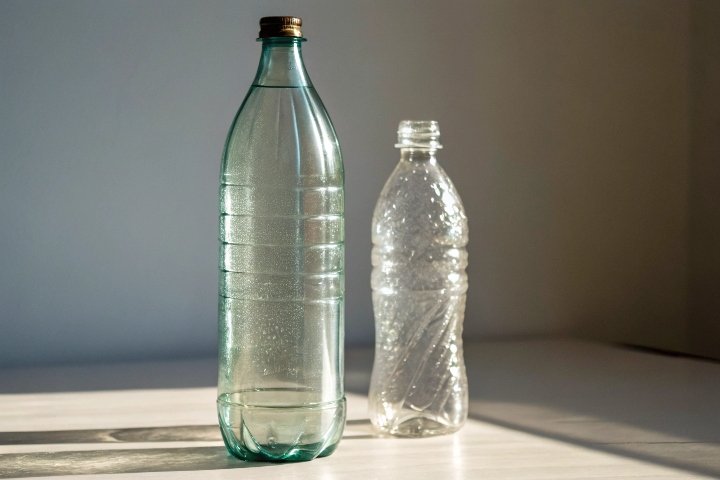
The Practical Reasons Behind Plastic’s Dominance Over Glass
In my experience running a factory, the logistics of a product are just as important as the product itself. Glass bottles are heavy. A truck filled with glass bottles weighs a lot more than a truck of plastic ones. [4] This means more fuel is needed to transport them, which not only costs more but also creates more emissions. [34] Think about it from the perspective of a buyer like Mr. Park; higher shipping costs mean lower profit margins. It’s a simple calculation that often favors plastic.
Breakage is another major issue with glass. [19] From the bottling plant to the store shelf, there are many opportunities for a bottle to be dropped or damaged. When a glass bottle breaks, it’s a loss of product and a safety hazard. Plastic, on the other hand, is much more durable and less likely to break. [20, 21]
Let’s look at the production side. Making glass requires melting sand and other materials at very high temperatures, which uses a tremendous amount of energy. [9, 28] While glass is 100% recyclable, the energy required for its initial production and transportation sometimes outweighs this benefit when compared to plastic. [6, 14, 23]
Here’s a breakdown:
| Feature | Glass | Plastic (PET) |
|---|---|---|
| Weight | Heavy [34] | Lightweight [4, 19] |
| Durability | Fragile | Shatter-resistant [4] |
| Transportation Cost | High [34] | Low [4, 19, 28] |
| Production Energy | High [9, 23, 28] | Lower [19] |
| Taste & Purity | Excellent, no leaching [2, 18] | Can sometimes affect taste |
Why are aluminum water bottles better than plastic?
You’re looking for a reusable water bottle and want to make the best choice for your health and the planet. You see aluminum bottles and wonder if they are truly a better option than the common plastic ones.
Aluminum water bottles are often considered better than plastic because they are more durable and can be recycled indefinitely without losing quality. [3, 7, 8] They are also typically free of harmful chemicals like BPA that can sometimes be found in plastic. [3, 7] This makes them a more sustainable and potentially safer choice for long-term use.

Exploring the Advantages of Aluminum for Reusable Bottles
When we talk about reusable bottles, the conversation changes a bit. We’re no longer just thinking about single-use packaging. For repeated use, durability3 is key. Aluminum is very strong and resistant to dents and scratches, meaning an aluminum bottle can last for years. [7, 8] This long lifespan is a huge plus for sustainability, as it reduces the need to buy new bottles.
A big concern with plastic bottles, especially reusable ones, is the potential for chemicals to leach into the water. [1] While many plastics are now BPA-free, some people still worry about other chemicals. Aluminum bottles are often lined with a non-toxic coating to prevent any contact between the aluminum and the contents, making them a safe choice. [7]
The environmental benefit of aluminum’s recyclability4 is significant. [7] Unlike plastic, which degrades each time it’s recycled, aluminum can be melted down and reformed over and over again with no loss in quality. [3, 8] Recycling aluminum also uses about 95% less energy than producing it from raw materials. [8]
Let’s compare them for reusable purposes:
| Feature | Aluminum Reusable Bottle | Plastic Reusable Bottle |
|---|---|---|
| Durability | Highly durable, long-lasting [7] | Prone to cracking and wear [3] |
| Health | Often lined, BPA-free [7] | Risk of chemical leaching [1] |
| Sustainability | Infinitely recyclable [3, 7] | Limited recycling cycles [8] |
| Odor Resistance | Good [11] | Can retain odors |
| Insulation | Can provide some insulation | Generally poor |
Why are glass water bottles better than plastic?
You’re committed to a healthy lifestyle and are careful about what you eat and drink. When it comes to water bottles, you want the purest and safest option, and you suspect glass might be the answer.
Glass water bottles are considered superior to plastic for health and taste because glass is non-porous and chemically inert. [2, 10, 18] This means it won’t leach any chemicals into your water or absorb leftover tastes or odors from other beverages. [2, 6, 13]
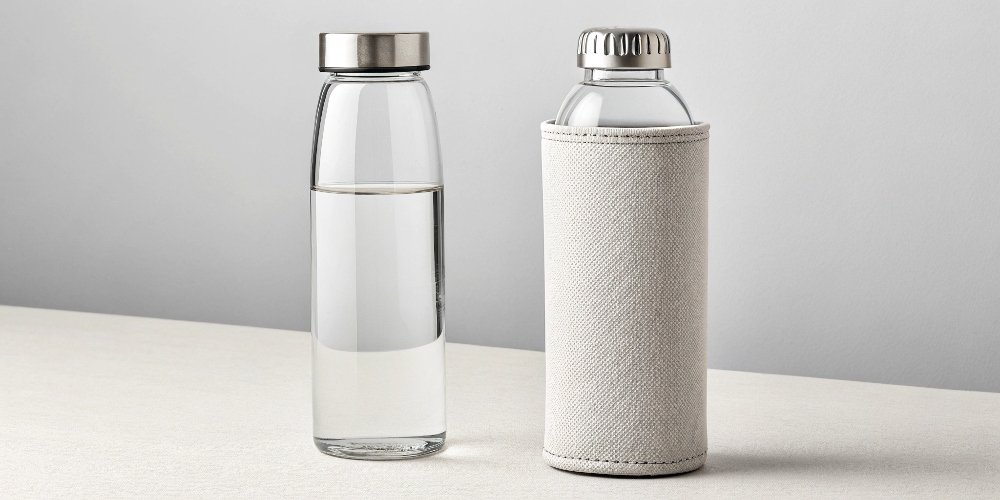
The Purity and Cleanliness of Glass
From a product quality standpoint, which is something I deal with every day in my factory, purity is paramount. Glass is an amazing material because it doesn’t interact with what’s inside it. This means the water you put in a glass bottle will taste exactly as it should, with no plastic-like aftertaste. [6, 10] For someone like Mr. Park, who deals with pharmaceutical raw materials, this concept of non-reactivity is very familiar and important.
Hygiene is another area where glass shines. Because it’s non-porous, glass is very easy to clean and sterilize. [2, 5] It doesn’t harbor bacteria in the same way that scratched or worn plastic can. [10] You can wash a glass bottle hundreds of times, and it will still be crystal clear and clean. [2]
Environmentally, glass is a great choice as it is 100% recyclable and can be recycled endlessly without any loss of quality. [5, 6, 10] By choosing a reusable glass bottle, you are helping to reduce the huge amount of plastic waste that ends up in our landfills and oceans. [2]
Here’s a look at the key differences:
| Feature | Glass Reusable Bottle | Plastic Reusable Bottle |
|---|---|---|
| Purity of Taste | Excellent, no aftertaste [6, 10] | Can impart a plastic taste |
| Chemical Leaching | None, it’s inert [2, 10, 18] | Potential for chemical leaching [1] |
| Hygiene | Easy to clean, non-porous [2, 5] | Can harbor bacteria over time [10] |
| Durability | Can be fragile | More durable [1] |
| Eco-Friendliness | Endlessly recyclable [5, 6, 10] | Limited recycling potential [8] |
Conclusion
In the end, bottlers choose plastic for its low cost and convenience. [4] However, for personal use, aluminum and glass offer significant benefits in durability, health, and long-term sustainability.
-
Discover how production costs influence the choice of packaging materials in manufacturing. ↩
-
Find out why lightweight materials are favored in shipping and logistics. ↩
-
Explore the significance of durability in packaging for product safety and longevity. ↩
-
Understanding recyclability can help you make informed choices about packaging materials. ↩

You may also be interested in:

What protective measures should be taken when handling aluminum hydroxide powder in a factory?
Are you worried about worker safety when handling fine powders? Aluminum hydroxide is generally safe, but mishandling its dust can lead to serious respiratory issues and even create explosive conditions.

What Key Technical Indicators Should Be Considered When Purchasing Aluminum Hydroxide?
Are you struggling to find the right aluminum hydroxide for your needs? You might be paying for features you don’t even require. Let’s simplify the technical details. When buying aluminum

What are the market trends for aluminum hydroxide in 2026?
Are you planning your 2026 raw material purchases? Volatile markets make it hard. I will share insights from the factory floor to help you make better decisions for your business.

Is aluminum hydroxide toxic and is it harmful to the human body?
Worried about the word "aluminum" in your products? It sounds scary and can make you question its safety. I’m here to clear up the confusion with simple facts. Aluminum hydroxide

What are the side effects of long-term use of stomach medications containing aluminum hydroxide?
Struggling with constant heartburn? Reaching for that stomach medicine might seem like the only option. But what if that relief comes with hidden long-term costs? The most common side effect

Does ingesting aluminum (such as through aluminum hydroxide) cause Alzheimer's disease?
Are you worried that everyday products containing aluminum might be harmful? This fear connects to serious health concerns like Alzheimer’s, making you question what is safe. Let’s look closely. Based

Why do some vaccines contain aluminum hydroxide (aluminum adjuvant)?
Confused about vaccine ingredients? Seeing aluminum hydroxide listed can be unsettling. I’ll explain its crucial role and why it’s there to help your body build strong immunity. Aluminum hydroxide acts

Is the aluminum adjuvant in vaccines safe for infants or adults?
You read about vaccine ingredients and worry. The word "aluminum" sounds scary, especially when talking about babies. But understanding the facts can give you peace of mind. Yes, the aluminum

What environmental problems are generated during the production of aluminum hydroxide?
Worried about environmental compliance in your supply chain? Sourcing from China can be complex. You need a reliable, eco-conscious partner for your aluminum hydroxide needs. The main environmental issue is

Where are China's main aluminum hydroxide production areas?
Are you struggling to find the right aluminum hydroxide supplier in China? This confusion can lead to higher costs and unstable quality, which hurts your business and your reputation. China’s