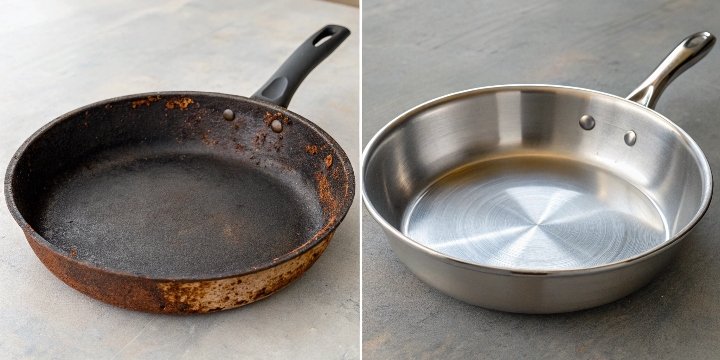
Have your shiny aluminum pans come out of the dishwasher looking dull and dark? This frustrating damage is preventable. I’ll explain the simple chemistry behind it to save your cookware.
The main reason aluminum corrodes is the high-alkaline dishwasher detergent. These harsh chemicals strip away aluminum’s natural protective oxide layer. The machine’s high heat and water then accelerate this chemical reaction, causing corrosion and that ugly, dark coating.
It seems like a simple, helpful appliance, but a dishwasher creates a very harsh environment for certain materials. This powerful combination of intense heat and aggressive chemicals is what causes the problem. Let’s look closer at how this damages your aluminum cookware1 and what you can do about it.
Why does a dishwasher ruin aluminum?
You use your dishwasher to clean things, not to destroy them. But it can turn your aluminum cookware dark and chalky. Here’s a look at the specific culprits inside your machine.
A dishwasher ruins aluminum because of its harsh detergents and high temperatures. These detergents are highly alkaline, meaning they have a high pH. This high pH chemically attacks the aluminum surface, stripping its protective layer and allowing it to oxidize or corrode.
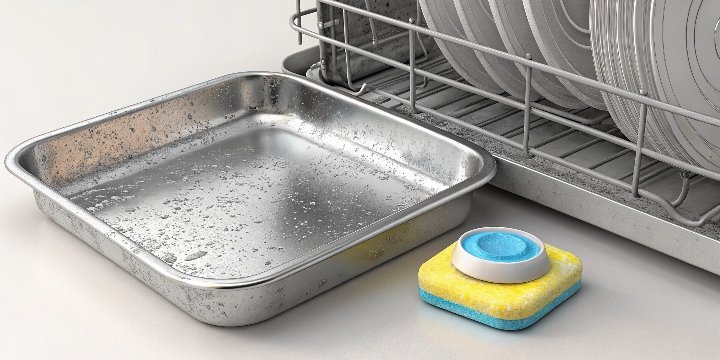
To understand this better, we need to look at two main factors: the chemicals and the heat. In my work managing production, I learned that even strong materials have weaknesses. For aluminum, its weakness is a high pH environment.
The Role of Detergents
Dishwasher detergents are not like the soap you use to wash dishes by hand. They are much stronger. They are highly alkaline, which means they have a high pH level, often between 11 and 13. These detergents contain chemicals like phosphates and silicates that are excellent at breaking down food and grease. However, these same powerful chemicals are very aggressive toward aluminum’s natural protective surface. They effectively dissolve the thin, transparent layer that keeps the aluminum safe from the elements.
The Impact of High Heat
The second part of the problem is heat. Chemical reactions happen faster at higher temperatures. A dishwasher’s cleaning and drying cycles use very hot water and air, sometimes reaching 75°C (165°F). This high heat acts as a catalyst, making the alkaline detergents attack the aluminum surface much more quickly and aggressively than they would at room temperature. The heat speeds up the corrosion process2 significantly.
A Damaging Combination
When you combine these factors, you get a perfect storm for damaging aluminum. It’s a simple formula: Aggressive alkaline detergent plus high heat plus water equals corrosion. Hand washing is much gentler and is the only way to be sure your aluminum cookware stays in good condition.
| Feature | Hand Washing | Dishwasher |
|---|---|---|
| Detergent pH | Neutral (around 7) | Highly Alkaline (11-13) |
| Temperature | Warm (40-50°C) | Very Hot (65-75°C) |
| Impact on Aluminum | Safe and gentle | Corrosive and damaging |
Why shouldn’t aluminium be put in the dishwasher?
You might think about tossing that aluminum tray in the dishwasher to save time. But you will likely regret it. That simple act can cause permanent damage to your cookware. Let’s see why.
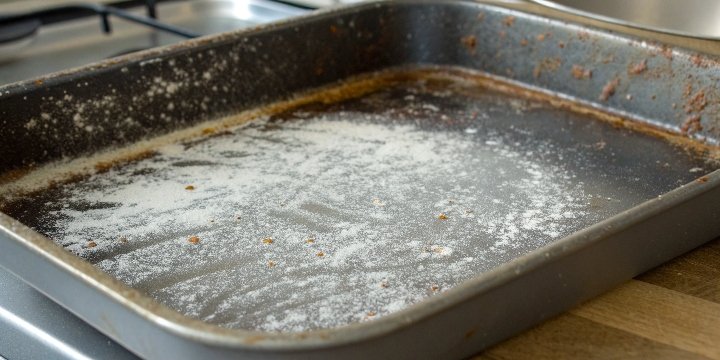
You should not put raw aluminum in the dishwasher because the harsh, alkaline detergents will cause corrosion. This chemical reaction leaves a dark, powdery residue on the aluminum. This residue can even transfer to other dishes in the same wash load.
The damage isn’t just about looks. It creates other problems that make the convenience of the dishwasher not worth the trouble. From my experience on the factory floor, once a material’s surface integrity is compromised, it often leads to more issues down the line.
Understanding the Surface Damage
The most obvious result is the change in appearance. A shiny aluminum pan will come out looking dull gray or even black. This discoloration is a form of aluminum oxide or hydroxide that forms unevenly on the surface. The surface becomes chalky and sometimes feels rough or pitted. This damage is permanent. You can sometimes scrub some of the darkness off, but you will never restore the original shiny finish. The surface has been chemically altered.
The Problem of Residue Transfer
That dark, powdery residue doesn’t just stay on the aluminum pan. During the wash cycle, water sprays everywhere inside the machine. This can wash the residue off the aluminum and onto everything else in the dishwasher. Your glasses might come out with a cloudy film, and your plates might feel gritty. This means you have to re-wash everything by hand, which completely defeats the purpose of using a dishwasher in the first place.
Is It Safe to Use After Corrosion?
People often ask if the corroded pan is still safe to use for cooking. Generally, the aluminum oxide residue is not considered harmful. However, the damaged surface is now much rougher. This makes the pan harder to clean properly, and food is more likely to stick to it. The best practice is to avoid this situation entirely by simply washing your aluminum items by hand.
What causes aluminum to corrode in water?
Aluminum is used for many things that get wet, like drink cans and boats. So why does it sometimes corrode? The water itself is not usually the problem. The real issue is what’s in the water.
Pure water is generally fine for aluminum because a protective oxide layer forms instantly on its surface. Corrosion happens when the water’s pH is very high (alkaline) or very low (acidic). These conditions dissolve the protective layer and expose the raw metal to attack.

The key to aluminum’s durability is a special property that is both its greatest strength and, in some cases, its weakness. It all comes down to a thin, invisible shield.
The Protective Oxide Layer
I think of this as aluminum’s superpower. When aluminum is exposed to air, it instantly reacts with oxygen to form a very thin, tough, and transparent layer of aluminum oxide (Al₂O₃). This process is called passivation. This oxide layer is chemically stable and non-reactive, and it acts as a perfect shield, protecting the metal underneath from further reaction. This is why aluminum doesn’t rust like iron does. It protects itself.
When the Shield Fails: The pH Factor
This protective oxide layer3 is very strong, but it’s only stable within a certain pH range, typically between 4.5 and 8.5. If the environment becomes too acidic (low pH) or too alkaline (high pH), this layer breaks down and dissolves. Dishwasher detergents have a very high pH of 11 or more. This highly alkaline solution quickly dissolves the aluminum oxide shield. Once the shield is gone, the water and chemicals can directly attack the aluminum metal itself, causing the corrosion and black residue you see.
How pH Affects Aluminum’s Protective Layer
| Water Condition | pH Range | Effect on Oxide Layer | Result |
|---|---|---|---|
| Acidic | Below 4.5 | Dissolves | Corrosion |
| Neutral | 4.5 – 8.5 | Stable and Protective | No Corrosion |
| Alkaline | Above 8.5 | Dissolves | Corrosion |
Is it okay to put aluminum pans in the dishwasher?
The dishwasher promises so much convenience. But is that convenience worth the risk when it comes to your aluminum pans? The short and simple answer is almost always no. Here is what to consider.
No, it is generally not okay to put aluminum pans in the dishwasher. An important exception is if the pan is explicitly labeled "dishwasher-safe" by the manufacturer. This usually means it has a protective coating.
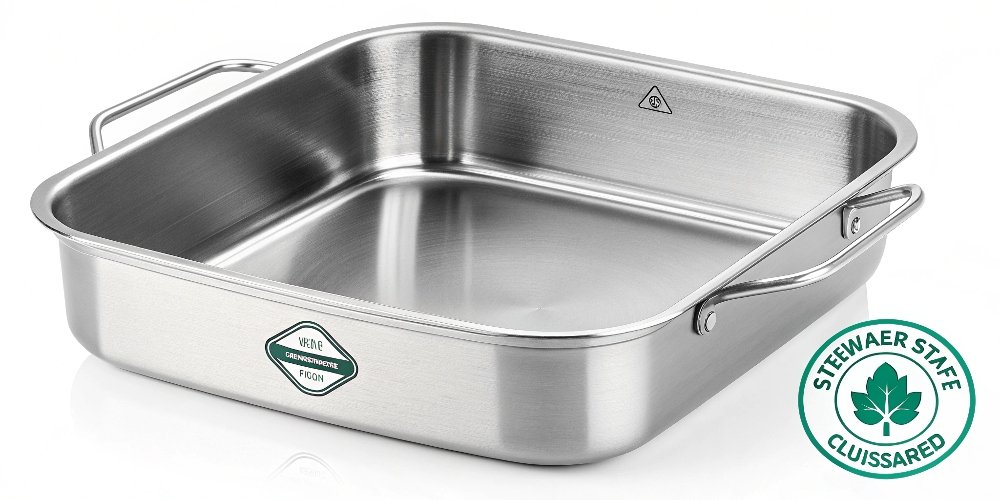
Not all aluminum cookware is the same. Advances in manufacturing, a field I know well, have created solutions to this problem, but you need to know what to look for.
The Exception: Anodized Aluminum
Anodized aluminum is a special type of aluminum that has been treated to have a much thicker and more durable oxide layer. This is done through an electrochemical process. This thicker layer is more resistant to chemical attacks4 from alkaline detergents. While it holds up much better in a dishwasher than standard aluminum, repeated washing with harsh detergents can still wear down the anodized surface over time. It is safer, but still not a guarantee of lifetime protection.
The Exception: Coated Cookware
Many modern aluminum pans do not have exposed aluminum surfaces. They have non-stick coatings5 like Teflon or modern ceramic coatings. In these cases, the water and detergent in the dishwasher are interacting with the coating, not the aluminum underneath. Most of these pans are designed to be dishwasher-safe. However, the high heat and harsh detergents can still shorten the life of the non-stick coating. To make your pans last as long as possible, hand washing is still the best choice.
A Simple Rule to Follow
Here is a very simple guide. If your pan is plain, uncoated, shiny, or cast aluminum, you must wash it by hand. Never put it in the dishwasher. If your pan is coated (non-stick or ceramic) or specifically says "dishwasher-safe" on its packaging or base, you can use the dishwasher. But remember, even for these items, hand washing will always be gentler and will help them last much longer.
Conclusion
To keep aluminum looking its best, wash it by hand with mild soap. A dishwasher’s combination of harsh detergents and high heat will cause it to corrode and discolor permanently.
-
Explore this resource to learn how to properly care for your aluminum cookware and keep it looking new. ↩
-
Learn about the corrosion process in aluminum and effective prevention methods to extend the life of your cookware. ↩
-
Discover the science behind aluminum’s protective layer and how it prevents corrosion. ↩
-
Discover how to protect your aluminum cookware from harmful chemical attacks. ↩
-
Learn how non-stick coatings can change the way you care for aluminum cookware. ↩

You may also be interested in:

What protective measures should be taken when handling aluminum hydroxide powder in a factory?
Are you worried about worker safety when handling fine powders? Aluminum hydroxide is generally safe, but mishandling its dust can lead to serious respiratory issues and even create explosive conditions.

What Key Technical Indicators Should Be Considered When Purchasing Aluminum Hydroxide?
Are you struggling to find the right aluminum hydroxide for your needs? You might be paying for features you don’t even require. Let’s simplify the technical details. When buying aluminum

What are the market trends for aluminum hydroxide in 2026?
Are you planning your 2026 raw material purchases? Volatile markets make it hard. I will share insights from the factory floor to help you make better decisions for your business.
Is aluminum hydroxide toxic and is it harmful to the human body?
Worried about the word "aluminum" in your products? It sounds scary and can make you question its safety. I’m here to clear up the confusion with simple facts. Aluminum hydroxide

What are the side effects of long-term use of stomach medications containing aluminum hydroxide?
Struggling with constant heartburn? Reaching for that stomach medicine might seem like the only option. But what if that relief comes with hidden long-term costs? The most common side effect
Does ingesting aluminum (such as through aluminum hydroxide) cause Alzheimer's disease?
Are you worried that everyday products containing aluminum might be harmful? This fear connects to serious health concerns like Alzheimer’s, making you question what is safe. Let’s look closely. Based

Why do some vaccines contain aluminum hydroxide (aluminum adjuvant)?
Confused about vaccine ingredients? Seeing aluminum hydroxide listed can be unsettling. I’ll explain its crucial role and why it’s there to help your body build strong immunity. Aluminum hydroxide acts

Is the aluminum adjuvant in vaccines safe for infants or adults?
You read about vaccine ingredients and worry. The word "aluminum" sounds scary, especially when talking about babies. But understanding the facts can give you peace of mind. Yes, the aluminum

What environmental problems are generated during the production of aluminum hydroxide?
Worried about environmental compliance in your supply chain? Sourcing from China can be complex. You need a reliable, eco-conscious partner for your aluminum hydroxide needs. The main environmental issue is

Where are China's main aluminum hydroxide production areas?
Are you struggling to find the right aluminum hydroxide supplier in China? This confusion can lead to higher costs and unstable quality, which hurts your business and your reputation. China’s