Why do some vaccines contain aluminum hydroxide (aluminum adjuvant)?
December 18, 2025 by Lee On
Confused about vaccine ingredients? Seeing aluminum hydroxide listed can be unsettling. I’ll explain its crucial role and why it’s there to help your body build strong immunity.
Aluminum hydroxide acts as an adjuvant in some vaccines. It helps boost your body’s immune response to the vaccine’s antigen. This means you get better protection with a smaller amount of the active ingredient, making the vaccine more effective and safer.

So, we know it boosts the immune response1, but that’s just the surface. As someone who manages the production of this very material, I know the details matter. Understanding its function is key to trusting the science behind modern medicine. To truly appreciate its value, especially from a raw material perspective, we need to look closer at the ‘why’ and ‘how’. Let’s break it down further.
Why is aluminum hydroxide used in vaccines?
Do you wonder why this specific compound is chosen over others? Many materials exist. Let’s explore why aluminum hydroxide is a trusted and effective choice in the pharmaceutical world.
Aluminum hydroxide is used because it has a long, proven history of safety and effectiveness. It works by keeping the vaccine’s active ingredients at the injection site longer. This gives your immune system more time to recognize and respond, creating stronger, more lasting immunity.
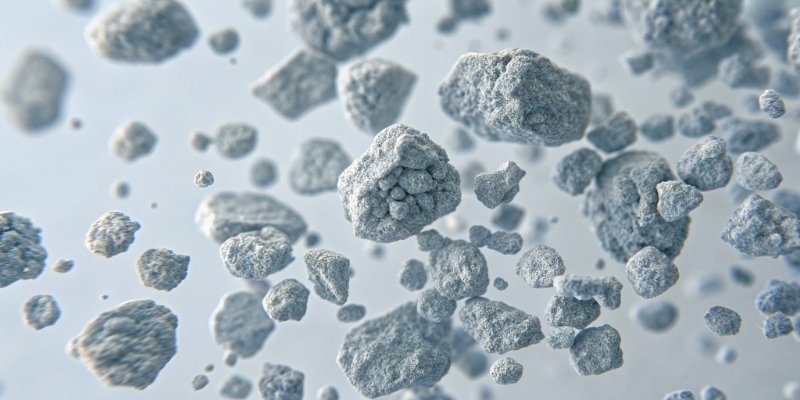
From my experience in production, the key to a good adjuvant2 is consistency and purity. The particle size and purity of the aluminum hydroxide we produce are critical. For a vaccine to work correctly every time, the adjuvant must be exactly the same in every single batch. This is a level of quality control we take very seriously in my plant. It’s not just any aluminum hydroxide; it’s a highly purified, pharmaceutical-grade material3.
The Depot Effect4
This special grade of aluminum hydroxide creates what scientists call a ‘depot effect’. It holds the antigen at the injection site, slowly releasing it over time. This slow release is what gives the immune system a better chance to build a strong defense. It’s all about maximizing effectiveness in the safest way possible.
| Feature | Importance in Vaccines | Our Factory’s Focus |
|---|---|---|
| Purity | Prevents unwanted side effects and ensures safety. | We aim to exceed pharmacopeia standards. |
| Particle Size | Controls the rate of antigen release for a better response. | We use precise and consistent milling processes. |
| Surface Properties | Affects how well the adjuvant binds to the antigen. | We manage this through controlled chemical synthesis. |
Why do vaccines contain adjuvants?
Think vaccines are just a piece of a virus? Many need an extra helper to work well. This helper, the adjuvant, is essential for a strong immune response.
Adjuvants are added to vaccines to make them more powerful. They stimulate the immune system, leading to a faster, stronger, and longer-lasting protective response. This allows for smaller doses of the antigen, which can reduce side effects and make vaccine production more efficient.

Think of it this way. Some vaccines use a whole, but weakened or dead, version of a virus. Your body’s immune system5 recognizes it easily. But many modern vaccines use only a small, specific piece of the virus, like a single protein. This piece is much safer, but your immune system might ignore it because it’s so small and doesn’t look threatening on its own.
Different Vaccine Types, Different Needs
An adjuvant acts like a signal flare. It gets your immune system’s attention and says, "Hey, pay attention to this! This is important!" This is especially crucial for subunit, toxoid, or inactivated vaccines6 that don’t contain a whole pathogen. As a manufacturer of a key adjuvant component, I understand how our material enables these safer, more advanced vaccines. For buyers and distributors, this efficiency is key. Using adjuvants means less of the expensive antigen is needed per dose. This can significantly lower the overall manufacturing cost of the final product, making public health initiatives7 more affordable.
What does aluminum do to the immune system?
You hear the word "aluminum" and might feel concerned. It sounds like a harsh metal. But its role in the immune system is actually very specific, targeted, and helpful.
Aluminum adjuvants trigger a mild, localized inflammatory response at the injection site. This attracts immune cells, like macrophages, to the area. These cells then pick up the vaccine’s antigen and present it to other immune cells, initiating the long-term protective response.
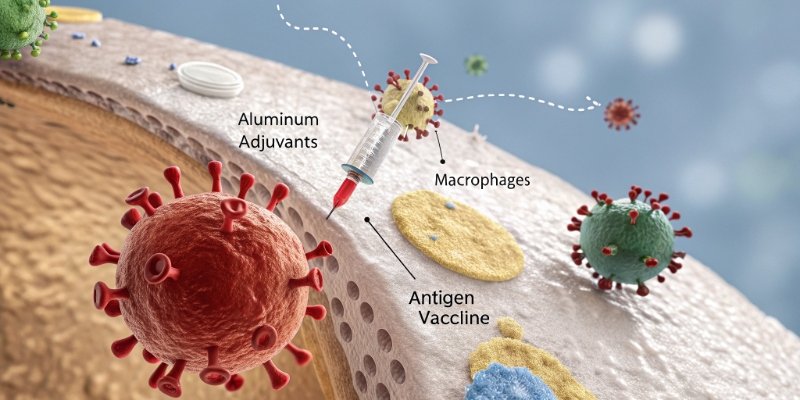
When a vaccine with an aluminum adjuvant is injected, the aluminum hydroxide forms a small deposit. This isn’t a problem; it’s by design. This deposit creates a very mild, controlled irritation that acts as a signal.
Step 1: The Initial Signal
Your body’s first-responder immune cells rush to the site to see what’s happening. They find the aluminum adjuvant and, more importantly, the vaccine antigen that is attached to it. They engulf both, essentially cleaning up the area and gathering intelligence.
Step 2: Building Memory
These first-responder cells then travel to your lymph nodes, which are like the headquarters of your immune system. There, they "show" the antigen to the specialized cells (T-cells and B-cells) that are responsible for creating antibodies and long-term immune memory8. The adjuvant ensures the antigen gets the full attention it deserves. This process turns a small, harmless piece of a virus into a memorable lesson for your immune system, leading to robust, long-lasting protection.
Do flu vaccines contain aluminium?
Preparing for flu season? You might wonder if your annual shot contains aluminum. The answer is often surprising and shows how different vaccines are designed for different purposes.
Generally, no. Most seasonal flu shots (influenza vaccines) used in countries like the US and across Europe do not contain aluminum adjuvants. This is because many flu vaccines are made using whole, inactivated viruses, which are often strong enough to trigger an immune response on their own.

This is a perfect example of how vaccine technology is tailored to a specific virus. The influenza virus used in most annual flu shots is a whole particle that has been killed. Your immune system is quite good at recognizing this whole structure without needing any extra help. Therefore, an adjuvant like aluminum hydroxide is usually not necessary for it to be effective.
However, there are important exceptions that prove the rule. Some specific flu vaccines9, particularly those developed for older adults whose immune systems may be weaker, do use adjuvants to ensure a strong enough response. It’s all about making the vaccine as effective as possible for the target population.
| Vaccine Type | Typical Adjuvant Use | Reason |
|---|---|---|
| Seasonal Flu Vaccine | No | Whole, inactivated virus is immunogenic on its own. |
| Subunit Vaccine (e.g., HPV) | Yes (Aluminum Adjuvant) | Uses only a small protein piece of the virus. |
| Enhanced Flu Vaccine (for elderly) | Yes (e.g., MF59 Adjuvant) | Needed to boost a weaker immune response. |
So, while aluminum is not a standard ingredient in your typical flu shot, this fact highlights the core principle: adjuvants are tools used strategically to make specific vaccines work better.
Conclusion
In short, aluminum hydroxide is a trusted partner in many vaccines. It is a safe and effective booster that helps your body build stronger, longer-lasting immunity against disease.
-
Understand the science behind immune responses triggered by vaccines. ↩
-
Learn about the crucial role of adjuvants in boosting immune responses. ↩
-
Find out why pharmaceutical-grade materials are essential for vaccine safety. ↩
-
Learn how the Depot Effect enhances vaccine efficacy and immune response. ↩
-
Learn about the immune system’s response mechanisms to vaccination. ↩
-
Learn about inactivated vaccines and their role in immunization. ↩
-
Explore the impact of vaccines on public health and disease prevention. ↩
-
Understand how vaccines create lasting immunity through memory cells. ↩
-
Find out the role of aluminum in flu vaccines and its necessity. ↩

You may also be interested in:

What protective measures should be taken when handling aluminum hydroxide powder in a factory?
Are you worried about worker safety when handling fine powders? Aluminum hydroxide is generally safe, but mishandling its dust can lead to serious respiratory issues and even create explosive conditions.

What Key Technical Indicators Should Be Considered When Purchasing Aluminum Hydroxide?
Are you struggling to find the right aluminum hydroxide for your needs? You might be paying for features you don’t even require. Let’s simplify the technical details. When buying aluminum

What are the market trends for aluminum hydroxide in 2026?
Are you planning your 2026 raw material purchases? Volatile markets make it hard. I will share insights from the factory floor to help you make better decisions for your business.

Is aluminum hydroxide toxic and is it harmful to the human body?
Worried about the word "aluminum" in your products? It sounds scary and can make you question its safety. I’m here to clear up the confusion with simple facts. Aluminum hydroxide

What are the side effects of long-term use of stomach medications containing aluminum hydroxide?
Struggling with constant heartburn? Reaching for that stomach medicine might seem like the only option. But what if that relief comes with hidden long-term costs? The most common side effect

Does ingesting aluminum (such as through aluminum hydroxide) cause Alzheimer's disease?
Are you worried that everyday products containing aluminum might be harmful? This fear connects to serious health concerns like Alzheimer’s, making you question what is safe. Let’s look closely. Based

Is the aluminum adjuvant in vaccines safe for infants or adults?
You read about vaccine ingredients and worry. The word "aluminum" sounds scary, especially when talking about babies. But understanding the facts can give you peace of mind. Yes, the aluminum

What environmental problems are generated during the production of aluminum hydroxide?
Worried about environmental compliance in your supply chain? Sourcing from China can be complex. You need a reliable, eco-conscious partner for your aluminum hydroxide needs. The main environmental issue is

Where are China's main aluminum hydroxide production areas?
Are you struggling to find the right aluminum hydroxide supplier in China? This confusion can lead to higher costs and unstable quality, which hurts your business and your reputation. China’s
What is the difference between aluminum hydroxide and aluminum oxide, and how can they be converted into each other?
Are you confused by aluminum hydroxide and aluminum oxide? They look similar but have very different uses. Understanding them helps you buy the right material and save money. The main