
Are you confused by the long list of chemicals in your toothpaste? It can be worrying. Let’s explore why one specific ingredient, aluminum hydroxide, is actually a helpful part of your daily routine.
Aluminum hydroxide is mainly used in toothpaste as a gentle polishing agent. It effectively removes plaque and surface stains from your teeth. It does this without being too harsh on your tooth enamel, making it a safe and effective cleaner for everyday use.
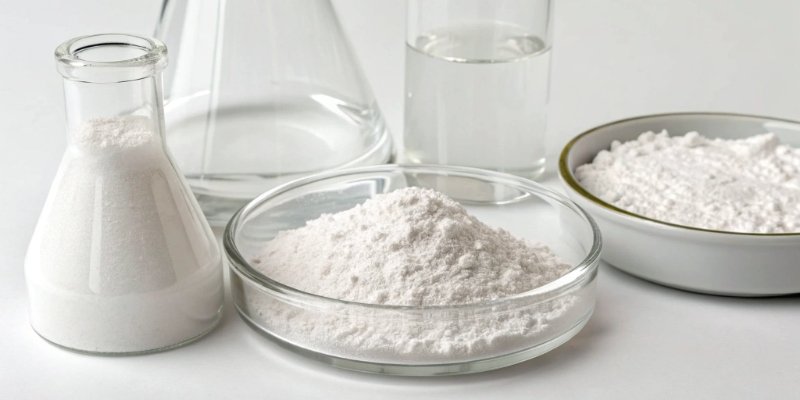
You probably want to know more about what’s in the products you use every single day. The science behind toothpaste is actually quite interesting, especially when it comes to keeping your teeth clean and healthy. Let’s look deeper into the specific roles these ingredients play, so you can feel more confident about your choice of toothpaste.
Why is aluminum hydroxide in toothpaste?
You see aluminum hydroxide on the label and wonder what it does. Is it just a filler, or does it have a real purpose? It is there for very specific and helpful reasons.
It acts as a mild abrasive to remove plaque and surface stains. Its fine particles clean teeth well without damaging the enamel. It also works as a pH regulator, helping to keep your mouth’s environment balanced and healthy.
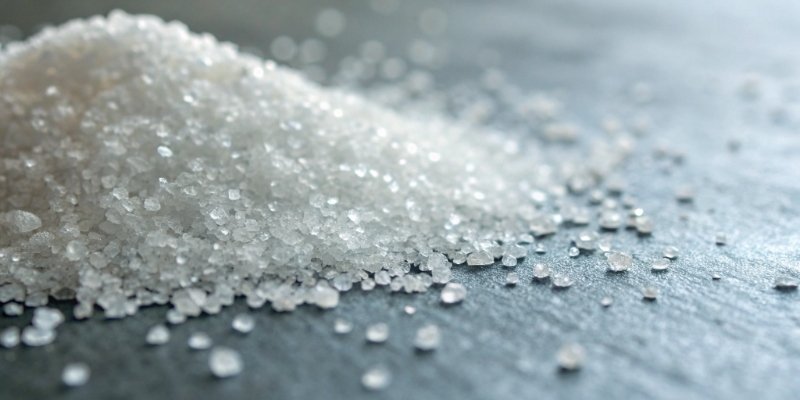
When we make aluminum hydroxide at my plant, we focus on its specific properties for different uses. For toothpaste, the two main functions are cleaning and balancing. It’s not just about adding an ingredient; it’s about adding the right ingredient to do the job properly.
The dual role in oral care
Aluminum hydroxide1 works in two key ways inside a tube of toothpaste. First, it is a very effective abrasive. Think of it as a super-fine scrub for your teeth. Its job is to mechanically remove things like plaque, food bits, and stains from coffee or tea. We control the particle size very carefully, usually between 5-10 micrometers. This size is small enough to clean well but not big enough to scratch or wear down your enamel. This makes it great for people with sensitive teeth2.
Second, it acts as a pH regulator3. Your mouth can become acidic after you eat or drink, which can harm your tooth enamel4. Aluminum hydroxide helps neutralize this acid, keeping your mouth’s pH in a healthy, slightly alkaline range. This makes it harder for bad bacteria to grow.
| Function | Benefit | Why It’s Important |
|---|---|---|
| Gentle Abrasive | Removes plaque and stains | Protects tooth enamel from damage |
| pH Regulator | Neutralizes mouth acids | Prevents bacteria and tooth decay |
| Stabilizer | Chemically stable in the tube | Ensures the toothpaste works for its entire shelf life |
What ingredient should you avoid in toothpaste?
Not all toothpaste ingredients are good for everyone. Using the wrong one could irritate your mouth or even harm your teeth. Let’s identify some common ingredients you might want to watch for.
You should be careful with ingredients like Sodium Lauryl Sulfate (SLS), as it can cause mouth irritation for some people. Also, very harsh abrasives can damage your enamel over time. Always check the ingredient list to match it with your personal health needs.
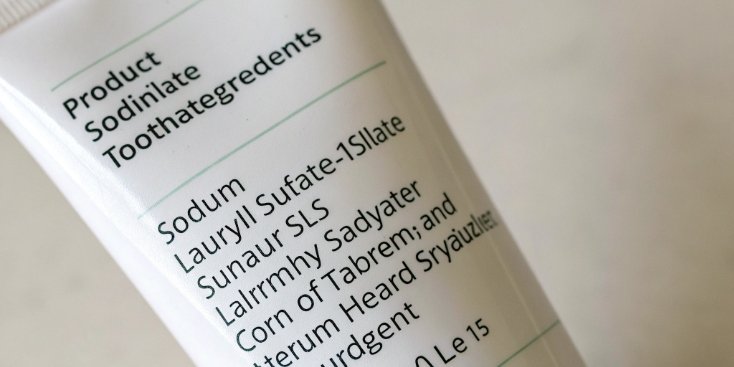
Choosing the right toothpaste is a personal decision. While aluminum hydroxide is a gentle option, some other common ingredients might not be suitable for you. It’s good to know what they are and why you might want to avoid them.
Ingredients to watch for
One of the most debated ingredients is Sodium Lauryl Sulfate (SLS)5. This is a foaming agent that creates the lather you expect from toothpaste. However, for some people, it can cause irritation, dry mouth, or canker sores. If you experience these issues, an SLS-free toothpaste might be a good choice for you.
Another area of concern is harsh abrasives6. While all toothpastes need an abrasive to clean properly, some are rougher than others. Ingredients like some forms of calcium carbonate or silica can have larger, more irregular particles that might wear away tooth enamel over the long term, especially if you brush hard. In my work, we focus on producing very fine, uniform particles of aluminum hydroxide precisely to avoid this problem.
Finally, some people prefer to avoid artificial sweeteners7, colors, and flavors for personal health reasons.
| Ingredient | Potential Issue | Who Should Be Cautious |
|---|---|---|
| Harsh Abrasives | Enamel erosion | People with sensitive teeth |
| Sodium Lauryl Sulfate (SLS) | Mouth irritation, canker sores | People prone to mouth sores |
| Triclosan | Health concerns (mostly phased out) | Everyone |
| Artificial Additives | Personal preference | Those seeking natural products |
Is aluminum hydroxide harmful to humans?
The word "aluminum" sounds alarming in a product you use every day. You might be worried about potential health risks. Let’s look at the science and safety facts to clear things up.
No, the aluminum hydroxide used in toothpaste is considered safe. It is a stable compound that your body does not absorb when you brush your teeth. Global regulatory agencies, including the FDA in the United States, approve its use in consumer products.

I understand the concern. When people hear "aluminum," they think of the metal. But in chemistry, the form of an element matters completely. Aluminum hydroxide is very different from aluminum metal. It’s like how sodium chloride, or table salt, is safe to eat, while sodium metal and chlorine gas are very dangerous on their own.
Understanding its safety profile
First, aluminum hydroxide (Al(OH)₃) is a very stable compound. This means it doesn’t react with other things in the toothpaste or in your mouth. Its job is purely physical—to scrub the teeth gently. Because it’s so stable and insoluble in water, it doesn’t get absorbed into your body. It just gets rinsed away when you are done brushing.
Second, this ingredient has a long history of safe use, not just in toothpaste but in other products you might know. For example, it is the active ingredient in many common antacids that people swallow to relieve heartburn. Its use in a product that is meant to be ingested shows how safe regulatory bodies consider it to be. At our factory, we follow strict quality control8 to ensure its purity and stability, meeting the high standards required for both oral care9 and pharmaceutical products. It is a trusted and reliable material.
What toothpaste is aluminum free?
You may want to avoid aluminum compounds completely for personal reasons. Finding a good toothpaste without it can seem hard. Here are some alternatives and what you should look for on the label.
Many natural and specialty toothpastes are aluminum-free. Look for products that list calcium carbonate, hydrated silica, or baking soda as their main cleaning agent. Always check the full ingredient list on the package to be sure it meets your needs.
If you prefer to use a toothpaste without aluminum hydroxide, you have plenty of good options available. The key is to know which alternative abrasives to look for. Each one has a slightly different feel and cleaning action.
Finding your preferred alternative
The best way to find an aluminum-free toothpaste is to read the ingredient list, which is usually found on the back of the box or tube. Look for one of these common alternatives:
- Hydrated Silica: This is a very common abrasive found in many gel toothpastes. It cleans well and can be made in different abrasive strengths. It is effective at removing stains.
- Calcium Carbonate10: This is another popular and affordable abrasive. It is a good cleaner, but sometimes the particles can be larger and feel a bit grittier. It is very effective for general-purpose cleaning.
- Baking Soda11 (Sodium Bicarbonate): This is known for being a very gentle cleaner. It also has mild whitening properties and can help neutralize acids in the mouth.
While these are all good alternatives, remember that manufacturers choose aluminum hydroxide for its unique combination of gentle cleaning, chemical stability, and a smooth feel. It’s a premium ingredient for a reason. But the most important thing is to find a toothpaste that you like and that works well for you.
Conclusion
Aluminum hydroxide is a safe, gentle, and effective ingredient in toothpaste. It cleans your teeth, protects the enamel, and helps keep your mouth’s pH balanced for better oral health.
-
Discover the benefits of aluminum hydroxide in toothpaste and how it contributes to oral health. ↩
-
Discover the best toothpaste options for sensitive teeth and how they can provide relief. ↩
-
Find out how pH regulators in toothpaste help maintain oral health and prevent decay. ↩
-
Understand the significance of tooth enamel and how to protect it from damage. ↩
-
Learn about the potential side effects of SLS in toothpaste and alternatives to consider. ↩
-
Understand the risks associated with harsh abrasives in toothpaste and how to choose safer options. ↩
-
Explore the implications of artificial sweeteners in toothpaste and their impact on health. ↩
-
Learn about the importance of quality control in ensuring safe and effective toothpaste. ↩
-
Learn essential tips for maintaining optimal oral care and healthy teeth. ↩
-
Find out how Calcium Carbonate works as an abrasive and its benefits for oral care. ↩
-
Explore the benefits of Baking Soda in toothpaste and its role in oral hygiene. ↩

You may also be interested in:

What protective measures should be taken when handling aluminum hydroxide powder in a factory?
Are you worried about worker safety when handling fine powders? Aluminum hydroxide is generally safe, but mishandling its dust can lead to serious respiratory issues and even create explosive conditions.

What Key Technical Indicators Should Be Considered When Purchasing Aluminum Hydroxide?
Are you struggling to find the right aluminum hydroxide for your needs? You might be paying for features you don’t even require. Let’s simplify the technical details. When buying aluminum

What are the market trends for aluminum hydroxide in 2026?
Are you planning your 2026 raw material purchases? Volatile markets make it hard. I will share insights from the factory floor to help you make better decisions for your business.
Is aluminum hydroxide toxic and is it harmful to the human body?
Worried about the word "aluminum" in your products? It sounds scary and can make you question its safety. I’m here to clear up the confusion with simple facts. Aluminum hydroxide

What are the side effects of long-term use of stomach medications containing aluminum hydroxide?
Struggling with constant heartburn? Reaching for that stomach medicine might seem like the only option. But what if that relief comes with hidden long-term costs? The most common side effect

Does ingesting aluminum (such as through aluminum hydroxide) cause Alzheimer's disease?
Are you worried that everyday products containing aluminum might be harmful? This fear connects to serious health concerns like Alzheimer’s, making you question what is safe. Let’s look closely. Based

Why do some vaccines contain aluminum hydroxide (aluminum adjuvant)?
Confused about vaccine ingredients? Seeing aluminum hydroxide listed can be unsettling. I’ll explain its crucial role and why it’s there to help your body build strong immunity. Aluminum hydroxide acts

Is the aluminum adjuvant in vaccines safe for infants or adults?
You read about vaccine ingredients and worry. The word "aluminum" sounds scary, especially when talking about babies. But understanding the facts can give you peace of mind. Yes, the aluminum

What environmental problems are generated during the production of aluminum hydroxide?
Worried about environmental compliance in your supply chain? Sourcing from China can be complex. You need a reliable, eco-conscious partner for your aluminum hydroxide needs. The main environmental issue is

Where are China's main aluminum hydroxide production areas?
Are you struggling to find the right aluminum hydroxide supplier in China? This confusion can lead to higher costs and unstable quality, which hurts your business and your reputation. China’s