Your business in Korea depends entirely on imported raw materials. This reliance can lead to high costs and unstable supply chains, making it hard to stay competitive and secure.
South Korea imports nearly all of its aluminum hydroxide, with the vast majority coming from China. Lacking its own bauxite resources, Korea relies on China’s massive, integrated production chain, which offers the scale and cost-efficiency that no other country can match for this specific material.
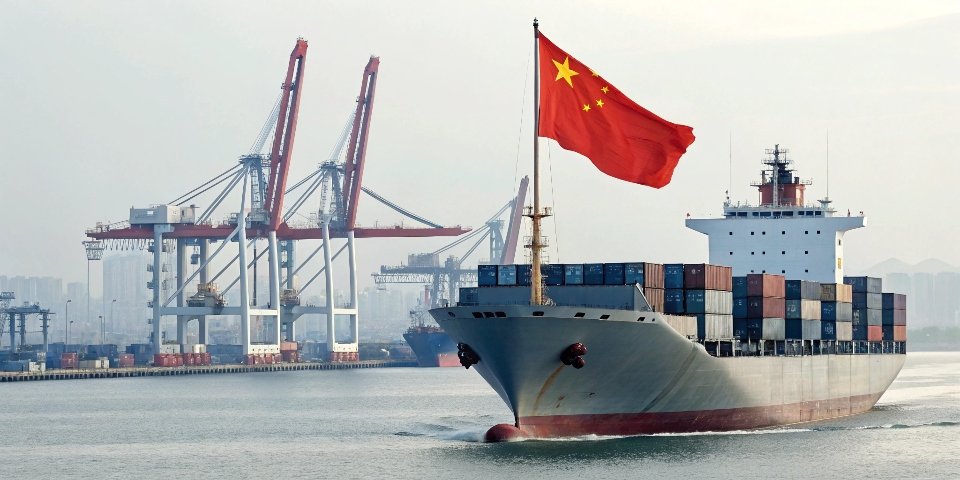
I know buyers like Mr. Park in Seoul are very strategic. You understand that South Korea, being a resource-poor nation, must be smart about imports. It’s not like the USA, which has resources but lacks a competitive processing industry. Korea needs reliable partners. Here in my factory in Henan, we are the direct source of the material you need. We see the supply chain from the inside, and this perspective is critical for you to find the best value. Let’s break down where this powder actually begins its journey.
Where does aluminium hydroxide come from?
The global chemical supply chain is often opaque and complex. You could be buying from a re-seller without even knowing it, paying extra for no added value.
Aluminum hydroxide originates from a reddish-brown rock called bauxite ore. This ore is mined and then put through a chemical refining method called the Bayer process, which purifies it into the fine, white aluminum hydroxide powder (ATH) used in industry.
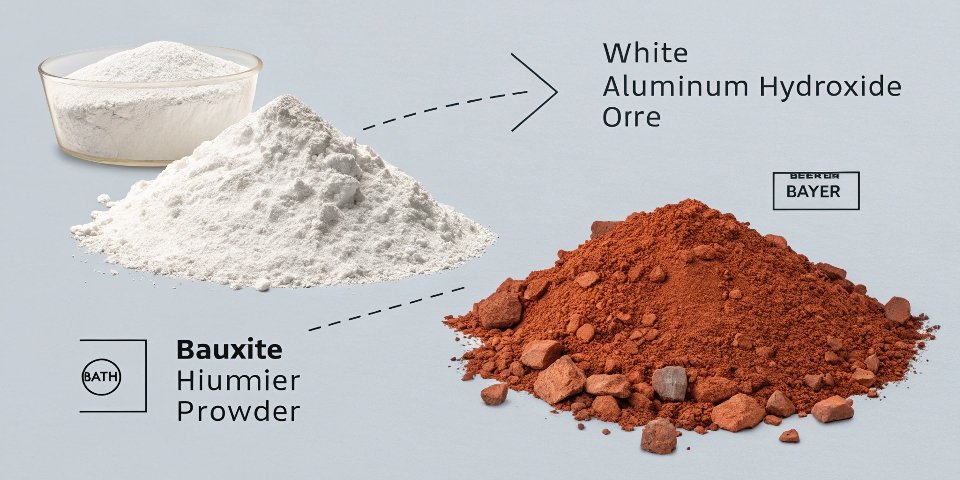
The journey from a rock in the ground to the white powder we ship is a large-scale industrial process. It all starts with bauxite. Countries like Australia, Guinea, and Brazil have huge bauxite mines. However, simply having the raw material isn’t enough. The real value is created in the refining stage. The Bayer process involves using hot caustic soda to dissolve the aluminum-bearing minerals from the bauxite, leaving behind impurities1. Then, pure aluminum hydroxide is precipitated out of the solution.
This is where China2‘s unique advantage comes into play. China has both significant bauxite reserves and the world’s largest and most advanced refining capacity. At my facility, we are part of this massive, integrated system. This means we have stable access to raw materials3 and control the quality from the very first step. For a Korean buyer, this is critical. It means you are not subject to the pricing games between a country that only mines and another that only refines. You get the whole package from one efficient source.
| Role in Supply Chain | Key Countries | Importance |
|---|---|---|
| Bauxite Mining | Australia, Guinea, Brazil, China | The source of the raw mineral |
| Bayer Process Refining | China, Brazil, Australia | Turns ore into pure ATH powder |
| Integrated Production | China | Combines mining and refining for maximum efficiency |
What are the brands of aluminium hydroxide?
You encounter many supplier names in the market, making it hard to tell a true manufacturer from a trading company. This confusion makes it difficult to compare products effectively.
Aluminum hydroxide is more of a commodity, so it’s sold by manufacturer names like Chalco or Nabaltec rather than consumer-style ‘brands’. The brand is essentially the reputation of the source factory and the specific grade of the powder.
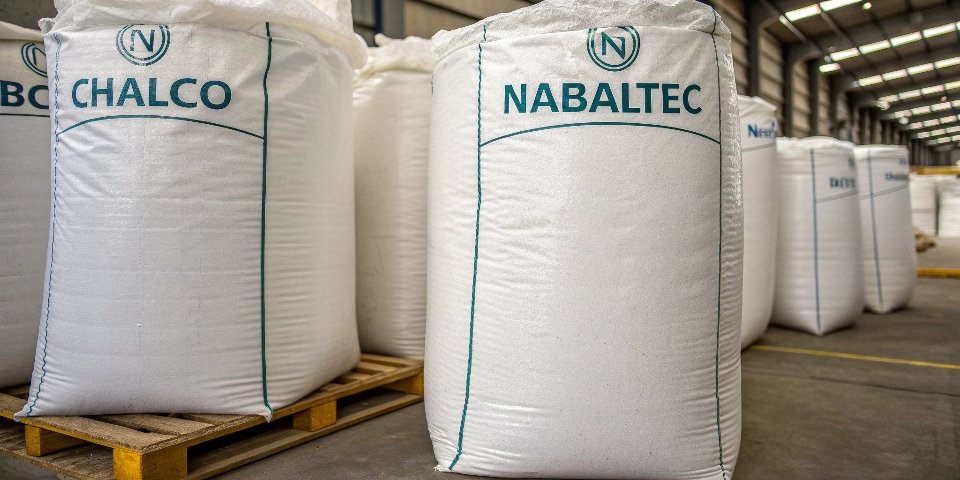
This is a point that new buyers often find confusing. You won’t find flashy "brands" of aluminum hydroxide like you would for a smartphone. In the industrial world, the manufacturer’s name and reputation are the brand. An experienced buyer like Mr. Park knows that the most important information on a bag of ATH is not a logo, but the technical grade designation4. This tells you about the particle size, purity5, whiteness, and oil absorption—the real factors that determine performance.
Major global producers like Chalco (China) or Nabaltec (Germany) are well-known. However, many excellent factories, like my own, produce high-quality material that might be sold directly or supplied to these larger players. When you buy from a source factory, you are buying a guarantee of consistency. The "brand" is my direct promise that every single bag in your shipment will have the exact same properties as the sample you approved. It’s a brand built on trust and technical specifications, not marketing.
What is the raw material of aluminum hydroxide?
You know the term "bauxite," but what is it really? Not fully understanding the quality and nature of the raw material can leave you feeling unsure about the final product’s consistency.
The sole raw material for commercially producing aluminum hydroxide is bauxite. It is an earthy ore, typically reddish-brown, composed mainly of aluminum oxide minerals mixed with impurities like iron oxides, which give it its color.
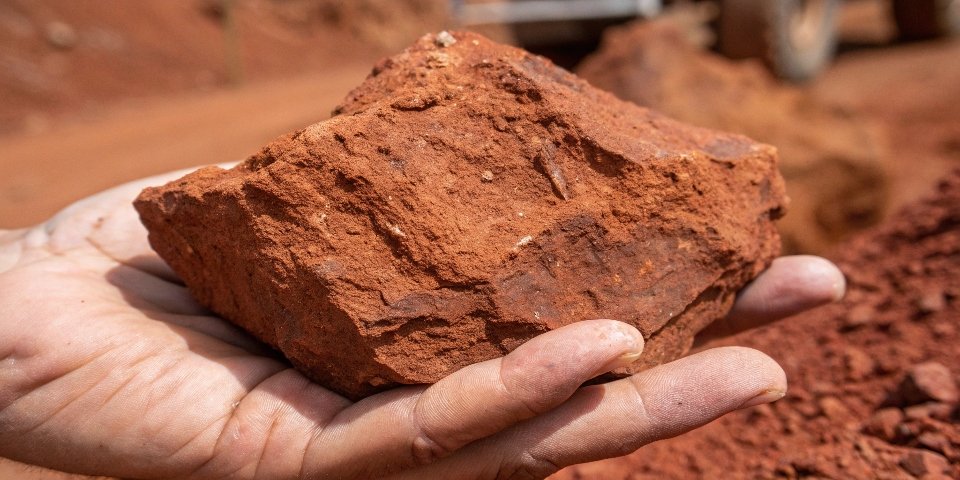
Diving a bit deeper, it’s important to know that not all bauxite is the same. The mineral can vary greatly depending on where it’s mined. The main aluminum-bearing minerals in bauxite are gibbsite, böhmite, and diaspore. Gibbsite6 is the easiest to refine, while diaspore, which is common in China, requires higher temperatures and pressures in the Bayer process.
Why does this matter to you as a buyer? Because it demonstrates the technical capability of your supplier. A factory that can efficiently process different types of bauxite is a more robust and flexible partner. At our plant in Henan, we have decades of experience working with various bauxite grades. We have optimized our processes to handle the specific challenges of our domestic ores, which has made our production incredibly efficient. This expertise ensures that no matter the input, the output—your pure aluminum hydroxide powder—is always of a consistently high quality. This technical mastery at the very beginning of the process is what separates a true source factory from a simple trader.
Where does raw aluminum come from?
People often use "aluminum hydroxide" and "aluminum" in the same breath, which can cause real confusion. This misunderstanding can lead to sourcing the wrong product entirely.
Raw aluminum metal does not exist in nature. It is produced by smelting alumina (Al₂O₃), which is made by heating aluminum hydroxide. So, aluminum hydroxide is the essential intermediate step in the journey from raw bauxite ore to aluminum metal.
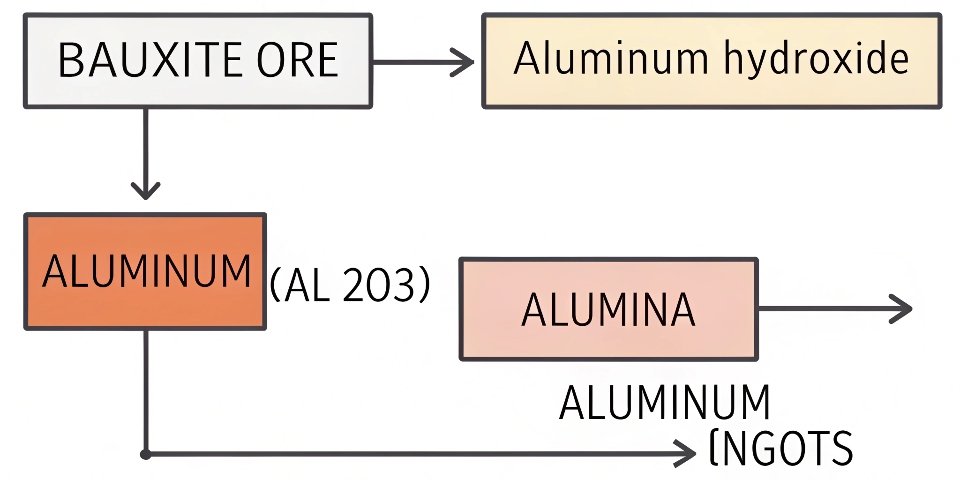
This is one of the most important supply chain7s to understand. Our factory’s job is to perfect the first conversion: bauxite to aluminum hydroxide (Al(OH)₃). From there, the powder has two main destinations. One is to customers like Mr. Park, who use the powder directly for its chemical properties8 in pharmaceuticals or as a flame retardant9. The other destination is an alumina calciner. There, our powder is heated to high temperatures to drive off the water molecules, leaving pure alumina (Al₂O₃).
This alumina is then sent to a smelter. In a process that uses enormous amounts of electricity, the alumina is dissolved and an electric current separates the aluminum atoms from the oxygen atoms. The result is the molten, shiny aluminum metal that is cast into ingots. So, my factory makes the "flour" (aluminum hydroxide10 powder). Someone else bakes it into the "biscuit" (alumina), which is then used to make the final "product" (aluminum metal). Knowing this chain is key to sourcing11 correctly.
Conclusion
Korea imports its aluminum hydroxide, and China is the primary source. Knowing it comes from bauxite, made by manufacturers not brands, helps you source directly and efficiently from the factory.
-
Understand the types of impurities in bauxite ore and how they affect the refining process. ↩
-
Understand China’s role in the global aluminum hydroxide market and its advantages in production. ↩
-
Explore the challenges faced by businesses in sourcing raw materials and how to navigate them effectively. ↩
-
Learn about the importance of technical grade designations in determining the quality of aluminum hydroxide. ↩
-
Discover how purity is assessed in aluminum hydroxide and why it matters for industrial applications. ↩
-
Discover the significance of Gibbsite in the bauxite refining process and its impact on aluminum production. ↩
-
Gain insights into the complexities of the aluminum hydroxide supply chain and how it affects pricing and availability. ↩
-
Delve into the chemical properties of aluminum hydroxide that make it valuable in various applications. ↩
-
Explore the role of aluminum hydroxide in fire safety and its applications as a flame retardant. ↩
-
Explore the various applications of aluminum hydroxide to understand its significance in different industries. ↩
-
Explore effective strategies for sourcing aluminum hydroxide to ensure quality and reliability. ↩

You may also be interested in:

What protective measures should be taken when handling aluminum hydroxide powder in a factory?
Are you worried about worker safety when handling fine powders? Aluminum hydroxide is generally safe, but mishandling its dust can lead to serious respiratory issues and even create explosive conditions.

What Key Technical Indicators Should Be Considered When Purchasing Aluminum Hydroxide?
Are you struggling to find the right aluminum hydroxide for your needs? You might be paying for features you don’t even require. Let’s simplify the technical details. When buying aluminum

What are the market trends for aluminum hydroxide in 2026?
Are you planning your 2026 raw material purchases? Volatile markets make it hard. I will share insights from the factory floor to help you make better decisions for your business.
Is aluminum hydroxide toxic and is it harmful to the human body?
Worried about the word "aluminum" in your products? It sounds scary and can make you question its safety. I’m here to clear up the confusion with simple facts. Aluminum hydroxide

What are the side effects of long-term use of stomach medications containing aluminum hydroxide?
Struggling with constant heartburn? Reaching for that stomach medicine might seem like the only option. But what if that relief comes with hidden long-term costs? The most common side effect

Does ingesting aluminum (such as through aluminum hydroxide) cause Alzheimer's disease?
Are you worried that everyday products containing aluminum might be harmful? This fear connects to serious health concerns like Alzheimer’s, making you question what is safe. Let’s look closely. Based

Why do some vaccines contain aluminum hydroxide (aluminum adjuvant)?
Confused about vaccine ingredients? Seeing aluminum hydroxide listed can be unsettling. I’ll explain its crucial role and why it’s there to help your body build strong immunity. Aluminum hydroxide acts

Is the aluminum adjuvant in vaccines safe for infants or adults?
You read about vaccine ingredients and worry. The word "aluminum" sounds scary, especially when talking about babies. But understanding the facts can give you peace of mind. Yes, the aluminum

What environmental problems are generated during the production of aluminum hydroxide?
Worried about environmental compliance in your supply chain? Sourcing from China can be complex. You need a reliable, eco-conscious partner for your aluminum hydroxide needs. The main environmental issue is

Where are China's main aluminum hydroxide production areas?
Are you struggling to find the right aluminum hydroxide supplier in China? This confusion can lead to higher costs and unstable quality, which hurts your business and your reputation. China’s