As a global buyer, you look to stable economies like the United States for reliable supply chains. But you might not realize that for certain industrial materials, the reality on the ground is very different, creating hidden risks and costs.
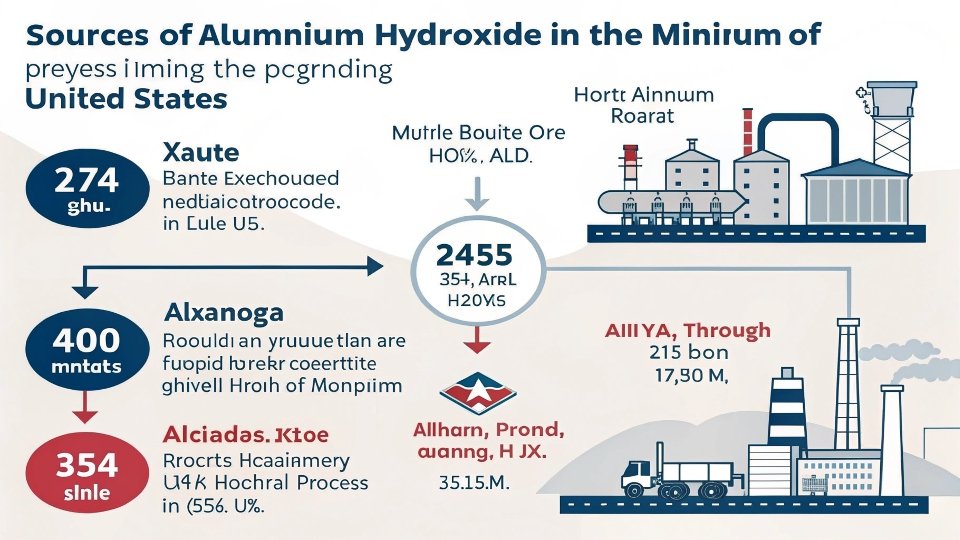
The United States imports almost all of its raw bauxite and refined alumina, the materials needed to produce aluminum hydroxide. Domestic mining and refining are not economically competitive, making the US heavily dependent on foreign sources, including direct imports of specialty aluminum hydroxide powders from China.
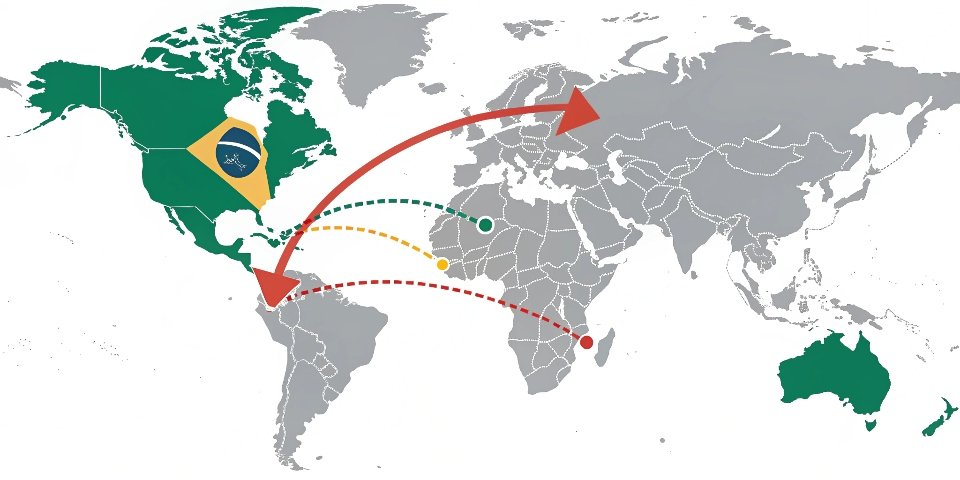
From my perspective managing a large-scale production plant in Henan, this is a fascinating situation. We see American companies buying from us frequently. The reason isn’t that the US lacks resources underground. It’s about economics and industrial structure. A powerful economy doesn’t always equal a competitive production line for every single material. For a pragmatic buyer like Mr. Park in South Korea, who understands the importance of sourcing from a true production hub, looking at the entire supply chain is critical to making the most cost-effective decision.
Does the US mine its own bauxite for aluminum hydroxide?
You might assume a country as rich in resources as the United States would be self-sufficient. This logical assumption could cause you to miscalculate the true stability and cost of a US-based supply chain.
No, the US has almost completely stopped mining bauxite for alumina and aluminum production. It now relies on imports for nearly 100% of its needs, making it a net consumer, not a primary producer.
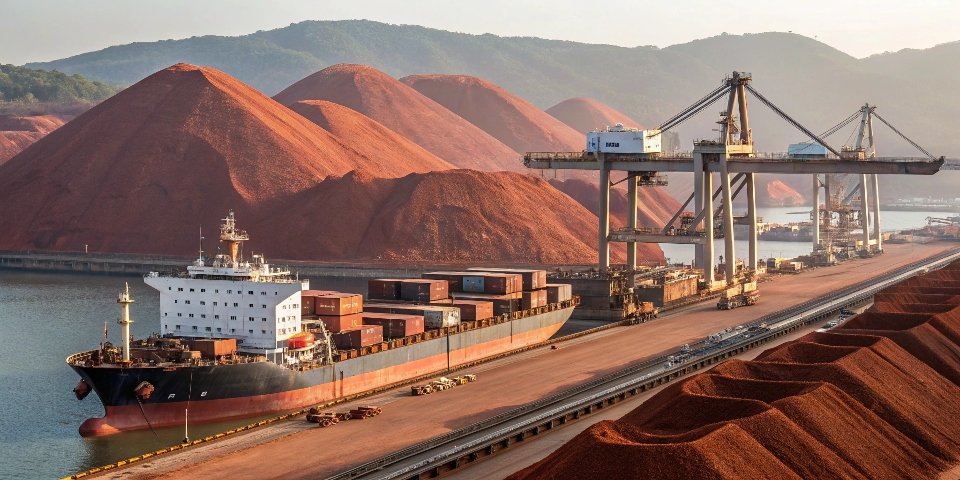
The story of why the US stopped mining is a lesson in global economics. For many years, areas like Bauxite, Arkansas, were major centers for mining this ore. But over time, things changed. The highest-grade, easiest-to-reach deposits were used up. At the same time, labor and environmental compliance costs in the US increased significantly. It became much cheaper for American companies to buy bauxite or already-refined alumina from other countries where these costs were lower. Essentially, the US has the rock but has lost the competitive industrial chain to dig it up and process it efficiently. This is a key difference from China, where our massive, integrated system keeps the entire process from mine to final powder economically viable. The US chose to import, while China chose to build an industry.
So, where does the US get its alumina and aluminum hydroxide?
If the US doesn’t process its own raw materials, where do the essential powders come from? The answer reveals a long, fragmented supply chain, which can add cost and uncertainty for the end-user.
The US imports most of its alumina from Brazil and Australia. For specialized aluminum hydroxide powders, used as flame retardants or fillers, US companies often import the finished product directly from a large-scale producer like China.
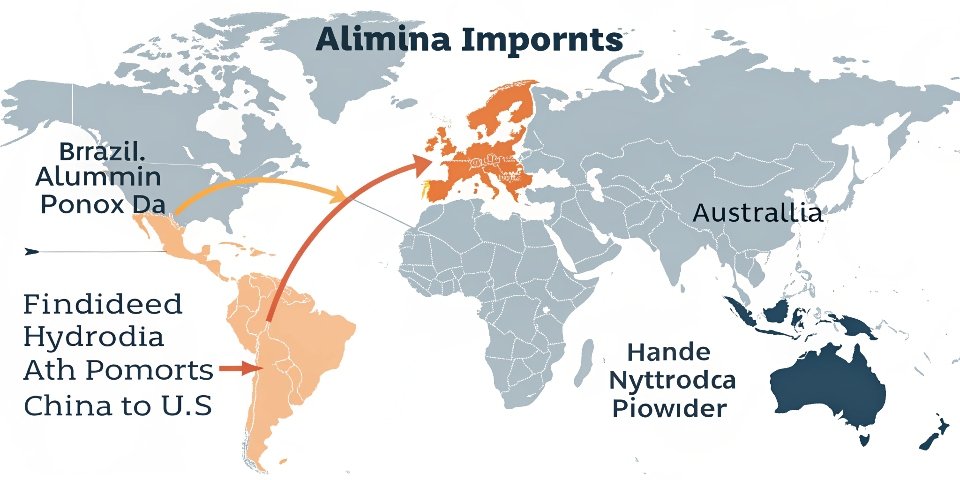
The American supply chain for these materials is a global puzzle. US aluminum smelters and chemical plants don’t start with raw bauxite. They start with alumina, the white powder that is made from bauxite. They buy this alumina from huge refineries located closer to the bauxite mines in countries like Brazil, Australia, and Jamaica. This adds a major shipping step and separates them from the raw material source. For specialty products like the fine aluminum hydroxide powders we make, the situation is even more direct. It’s often more efficient and cheaper for a US plastics company to buy the ready-to-use ATH powder directly from my factory in China than to source alumina from Brazil and try to find a US plant to convert it. We have the scale and specialization to make the exact grade they need at a better price.
Why is China the primary source factory?
You constantly hear that China is the "world’s factory," but this can sound like a simple cliché. You may not see the deep structural advantages that make this a reality for industrial chemicals.
China is the primary source because it uniquely combines massive domestic bauxite resources with the world’s most complete, large-scale, and cost-effective industrial chain for refining bauxite into alumina and aluminum hydroxide.
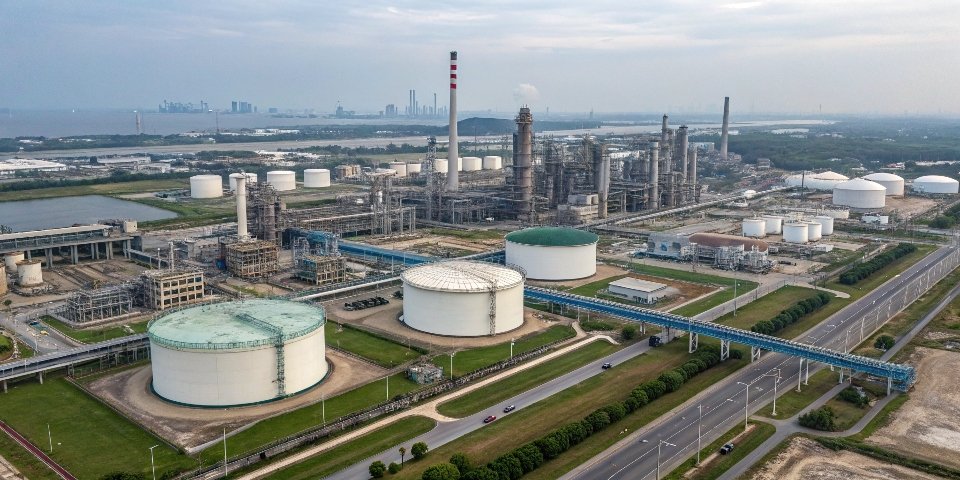
This is the most important point for a strategic buyer to understand. The advantage isn’t just one thing; it’s the entire ecosystem. Unlike the fragmented US model, here in Henan, our industry is deeply integrated. We have the mines, the refineries, the chemical plants, and the logistics networks often located in the same region. This vertical integration, where the same company or closely partnered companies control the process from the ground to the shipping container, cuts out many intermediate costs and delays. We don’t have to ship our raw materials across an ocean to be processed. This is a fundamental structural advantage. It’s the reason why my factory can provide a buyer like Mr. Park in South Korea—another country dependent on imports—with a more competitive and reliable product. We are not just a seller; we are the source.
| Industrial Model | Resources | Industrial Chain | Result for Aluminum Hydroxide |
|---|---|---|---|
| USA | Has Bauxite | Fragmented & Uncompetitive | Imports Alumina & ATH Powder |
| South Korea | Lacks Resources | Advanced Manufacturing | Imports All Raw Materials |
| China | Has Bauxite | Integrated & Complete | World’s Primary Source Factory |
Conclusion
The US relies on importing alumina and aluminum hydroxide because its domestic production isn’t economical. China’s integrated industry, from mine to factory, makes it the world’s most efficient source.

You may also be interested in:

What protective measures should be taken when handling aluminum hydroxide powder in a factory?
Are you worried about worker safety when handling fine powders? Aluminum hydroxide is generally safe, but mishandling its dust can lead to serious respiratory issues and even create explosive conditions.

What Key Technical Indicators Should Be Considered When Purchasing Aluminum Hydroxide?
Are you struggling to find the right aluminum hydroxide for your needs? You might be paying for features you don’t even require. Let’s simplify the technical details. When buying aluminum
What are the market trends for aluminum hydroxide in 2026?
Are you planning your 2026 raw material purchases? Volatile markets make it hard. I will share insights from the factory floor to help you make better decisions for your business.
Is aluminum hydroxide toxic and is it harmful to the human body?
Worried about the word "aluminum" in your products? It sounds scary and can make you question its safety. I’m here to clear up the confusion with simple facts. Aluminum hydroxide

What are the side effects of long-term use of stomach medications containing aluminum hydroxide?
Struggling with constant heartburn? Reaching for that stomach medicine might seem like the only option. But what if that relief comes with hidden long-term costs? The most common side effect

Does ingesting aluminum (such as through aluminum hydroxide) cause Alzheimer's disease?
Are you worried that everyday products containing aluminum might be harmful? This fear connects to serious health concerns like Alzheimer’s, making you question what is safe. Let’s look closely. Based

Why do some vaccines contain aluminum hydroxide (aluminum adjuvant)?
Confused about vaccine ingredients? Seeing aluminum hydroxide listed can be unsettling. I’ll explain its crucial role and why it’s there to help your body build strong immunity. Aluminum hydroxide acts

Is the aluminum adjuvant in vaccines safe for infants or adults?
You read about vaccine ingredients and worry. The word "aluminum" sounds scary, especially when talking about babies. But understanding the facts can give you peace of mind. Yes, the aluminum

What environmental problems are generated during the production of aluminum hydroxide?
Worried about environmental compliance in your supply chain? Sourcing from China can be complex. You need a reliable, eco-conscious partner for your aluminum hydroxide needs. The main environmental issue is
Where are China's main aluminum hydroxide production areas?
Are you struggling to find the right aluminum hydroxide supplier in China? This confusion can lead to higher costs and unstable quality, which hurts your business and your reputation. China’s