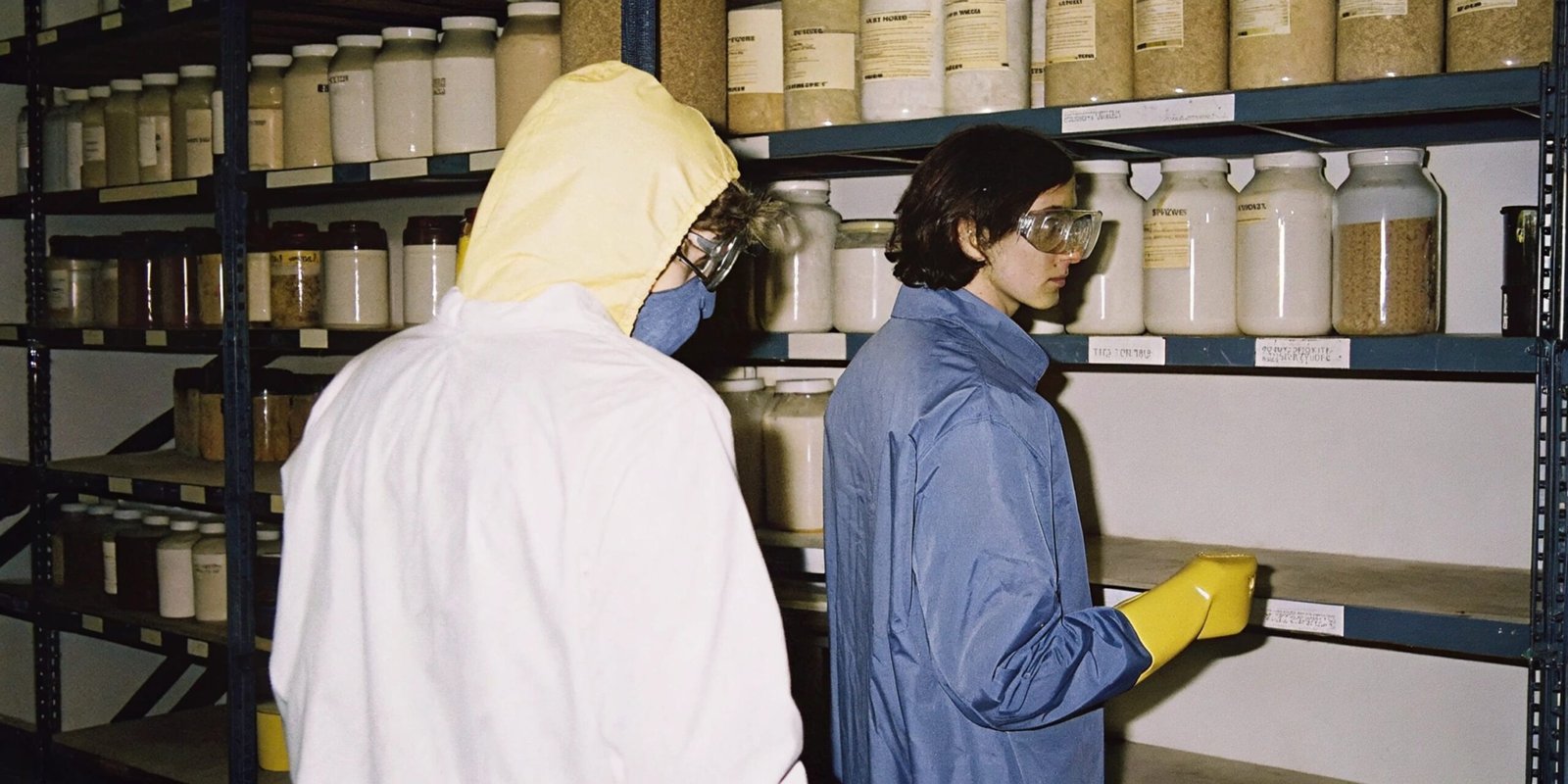
Trying to source an industrial material like aluminum oxide can be frustrating. You face a jungle of suppliers and technical names, making it hard to find a trustworthy source for the right product.
You can buy aluminum oxide powder from online specialty chemical retailers for small amounts, or from industrial distributors and directly from producers for bulk quantities. The best source depends on the grade and volume you need for your application.

While my factory specializes in producing aluminum hydroxide1, we are at the very beginning of the supply chain2 for aluminum oxide. Alumina producers are some of our biggest customers; they take our aluminum hydroxide powder and heat it in massive kilns to create aluminum oxide. I have a deep understanding of this process from the raw material side. Let’s look at where to find the final product and what you must know before you buy.
Where can I find aluminum oxide?
Are you unsure whether to contact a local distributor or go straight to a large producer? Making the wrong choice can waste time and money, especially when dealing with international supply chains.
For small or specialized orders, online chemical suppliers and local distributors are best. For large, consistent industrial volumes, establishing a relationship with a major manufacturer or a large-scale trading house is more efficient and cost-effective.

As a producer, I see both sides of this equation. We supply large quantities to other manufacturers and distributors, not small-scale end-users. A buyer like Mr. Park, who manages a trading company, needs to understand this landscape to serve his customers effectively. Here’s a breakdown of your options:
| Source Type | Best For | Pros | Cons |
|---|---|---|---|
| Online Retailers | Hobbyists, labs, small samples (grams to kg) | Fast, easy to order, low minimum quantity | Very high price per kilogram |
| Local Industrial Distributors | Small to medium businesses (pallets) | Local stock, may offer technical support | Higher price than factory, limited range |
| Large Trading Houses | Medium to large orders (multiple tons) | Consolidate products, handle logistics | Acts as a middleman, adding a margin |
| Direct from Producer | Very large orders (container loads) | Lowest price, direct technical communication | High minimum order quantity (MOQ), complex logistics |
For most businesses, starting with a distributor or a trading company is the safest path. They buy in huge volumes from producers like us (or from alumina producers) and can sell you a few pallets at a time. Once your demand grows to multiple containers per year, it might be time to investigate buying directly from a factory.
Is aluminum oxide powder the same as aluminum powder?
Are you treating "aluminum oxide" and "aluminum powder" as the same thing? This common confusion isn’t just a technical error; it can be incredibly dangerous and ruin your product.
No, they are completely different. Aluminum oxide is a stable, non-reactive ceramic used for its hardness. Aluminum powder is a highly reactive metal used in pigments and explosives. Mixing them up is a critical mistake.
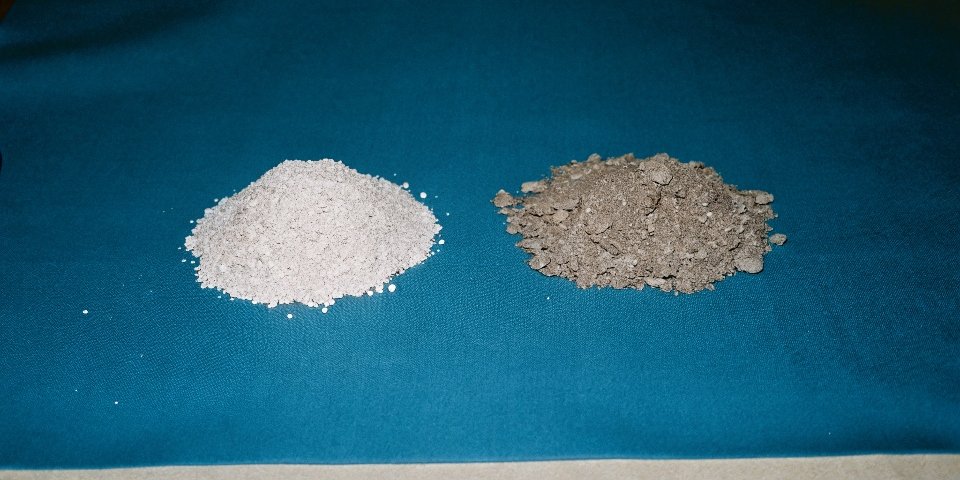
This is one of the most important distinctions you can learn. I always stress this point to new buyers. They are as different as sand and sugar.
-
Aluminum Oxide (Al₂O₃): This is a ceramic compound. It’s aluminum that has already reacted with oxygen. It is chemically very stable, extremely hard, and has a very high melting point. It is an electrical insulator. Its main job is to grind, polish, or resist heat. Think of it as a man-made version of sapphire.
-
Aluminum Powder (Al): This is pure aluminum metal ground into a fine powder. It is soft, a good electrical conductor, and highly reactive. In fact, fine aluminum powder3 is flammable and can be explosive. It is used to create metallic paints, in rocket fuel, and in some chemical reactions.
I remember a story from an engineer who works for one of our customers. A new employee at their client’s facility ordered "aluminum powder" instead of "aluminum oxide" for a grinding application. They didn’t notice the error until they opened the bags. The material was shiny and gray, not white and dull. It was a costly mistake, but they were lucky they caught it before trying to use a flammable metal in a high-friction grinding process. Always check your technical data sheet.
What is another name for aluminum oxide?
Do you get confused when you see terms like alumina, corundum, or aloxite? This variety of names for the same chemical can make searching for suppliers and comparing products very difficult.
The most common industrial name for aluminum oxide is alumina. It is also known as corundum in geology when it is in its natural crystal form, which includes gems like ruby and sapphire.
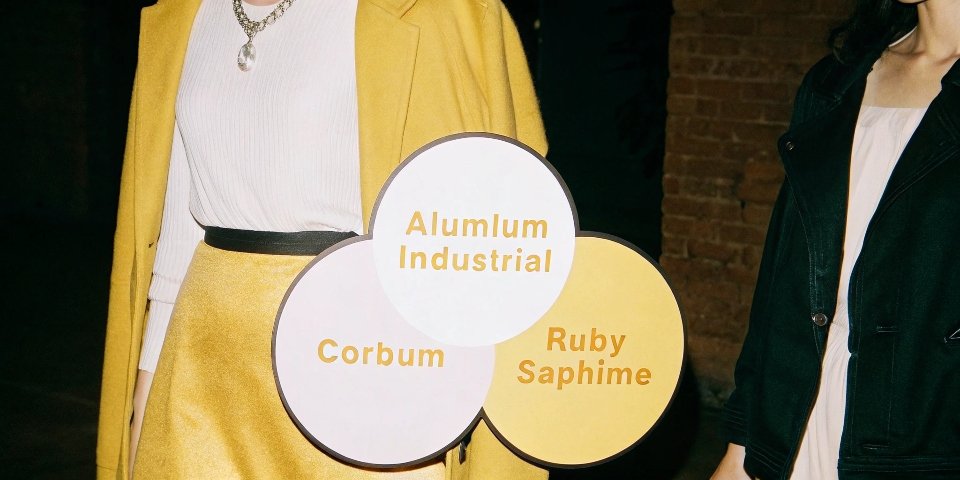
Just like we call aluminum hydroxide "ATH" in the flame retardant industry, aluminum oxide has different names depending on the context. Understanding these names will make you a more confident buyer.
-
Alumina: This is the standard name used in engineering, materials science, and most industrial trade. If you are buying bulk powder for industrial use, you are buying alumina. There are different types, like "fused alumina" (melted and re-solidified for hardness) and "calcined alumina" (heated to drive off water). The calcined alumina is what’s made directly from our aluminum hydroxide.
-
Corundum: This is the geological name for the crystalline form of aluminum oxide. It’s one of the hardest natural minerals. Because of its hardness, the name "corundum" is sometimes used for industrial abrasives to emphasize their quality.
-
Trade Names: You might also see brand names like "Aloxite" or others that are specific to a certain manufacturer.
When talking to a supplier, using the term "alumina" is usually the safest and most professional choice. If you need it for abrasives, you can be more specific and ask for "fused alumina" or "brown fused alumina."
What is aluminum oxide powder used for?
You may know of one use for alumina, but are you aware of its vast range of applications? Its amazing properties make it one of the most important technical ceramics in the world.
Aluminum oxide powder is primarily used for its extreme hardness and heat resistance. Its main applications are in abrasives like sandpaper and grinding wheels, high-temperature refractories like kiln bricks, and engineered ceramics like spark plug insulators.
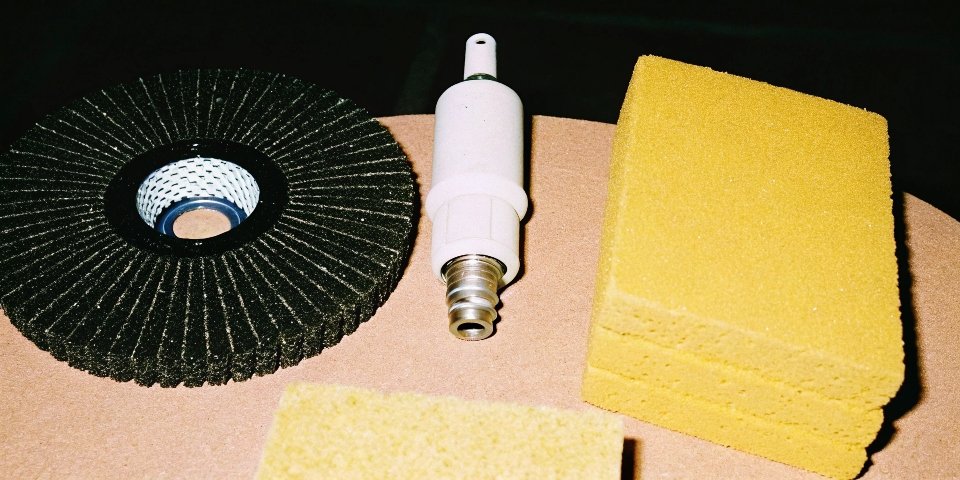
The versatility of alumina4 is truly incredible. It all starts with a simple white powder, but that powder becomes the backbone of many high-performance products. It is fascinating to know that the humble aluminum hydroxide we produce is the first step in creating these things.
Abrasives
Because it is so hard (a 9 on the Mohs scale, just below diamond), alumina is the world’s most common abrasive. It is used to make everything from sandpaper and grinding wheels to polishing powders and sandblasting media. Different purities and crystal structures ("fused alumina") are created for different grinding jobs.
Refractories
Alumina has a melting point over 2000°C. This makes it an excellent material for containing high temperatures. It is a key ingredient in bricks for lining steel furnaces, glass tanks, and the very kilns used to produce more alumina.
Technical Ceramics
Alumina is an excellent electrical insulator. This property, combined with its strength and thermal stability, makes it ideal for advanced ceramic parts. The white insulator on a spark plug is a classic example. It is also used to make substrates for electronic circuits, ballistic armor plates, and even biomedical implants like hip replacements.
Conclusion
You can buy alumina from various sources, but always ensure it’s the right grade for your job. Remember it is not aluminum metal, and know its uses to source like an expert.
-
Learn about the conversion process of aluminum hydroxide to aluminum oxide, enhancing your knowledge of material sourcing. ↩
-
Learn about the challenges in the aluminum oxide supply chain, helping you navigate sourcing effectively. ↩
-
Explore this resource to understand the critical differences between aluminum powder and aluminum oxide, preventing costly mistakes. ↩
-
Explore the industrial uses of alumina, enhancing your understanding of this critical material. ↩

You may also be interested in:

What protective measures should be taken when handling aluminum hydroxide powder in a factory?
Are you worried about worker safety when handling fine powders? Aluminum hydroxide is generally safe, but mishandling its dust can lead to serious respiratory issues and even create explosive conditions.

What Key Technical Indicators Should Be Considered When Purchasing Aluminum Hydroxide?
Are you struggling to find the right aluminum hydroxide for your needs? You might be paying for features you don’t even require. Let’s simplify the technical details. When buying aluminum

What are the market trends for aluminum hydroxide in 2026?
Are you planning your 2026 raw material purchases? Volatile markets make it hard. I will share insights from the factory floor to help you make better decisions for your business.

Is aluminum hydroxide toxic and is it harmful to the human body?
Worried about the word "aluminum" in your products? It sounds scary and can make you question its safety. I’m here to clear up the confusion with simple facts. Aluminum hydroxide

What are the side effects of long-term use of stomach medications containing aluminum hydroxide?
Struggling with constant heartburn? Reaching for that stomach medicine might seem like the only option. But what if that relief comes with hidden long-term costs? The most common side effect

Does ingesting aluminum (such as through aluminum hydroxide) cause Alzheimer's disease?
Are you worried that everyday products containing aluminum might be harmful? This fear connects to serious health concerns like Alzheimer’s, making you question what is safe. Let’s look closely. Based

Why do some vaccines contain aluminum hydroxide (aluminum adjuvant)?
Confused about vaccine ingredients? Seeing aluminum hydroxide listed can be unsettling. I’ll explain its crucial role and why it’s there to help your body build strong immunity. Aluminum hydroxide acts

Is the aluminum adjuvant in vaccines safe for infants or adults?
You read about vaccine ingredients and worry. The word "aluminum" sounds scary, especially when talking about babies. But understanding the facts can give you peace of mind. Yes, the aluminum

What environmental problems are generated during the production of aluminum hydroxide?
Worried about environmental compliance in your supply chain? Sourcing from China can be complex. You need a reliable, eco-conscious partner for your aluminum hydroxide needs. The main environmental issue is

Where are China's main aluminum hydroxide production areas?
Are you struggling to find the right aluminum hydroxide supplier in China? This confusion can lead to higher costs and unstable quality, which hurts your business and your reputation. China’s