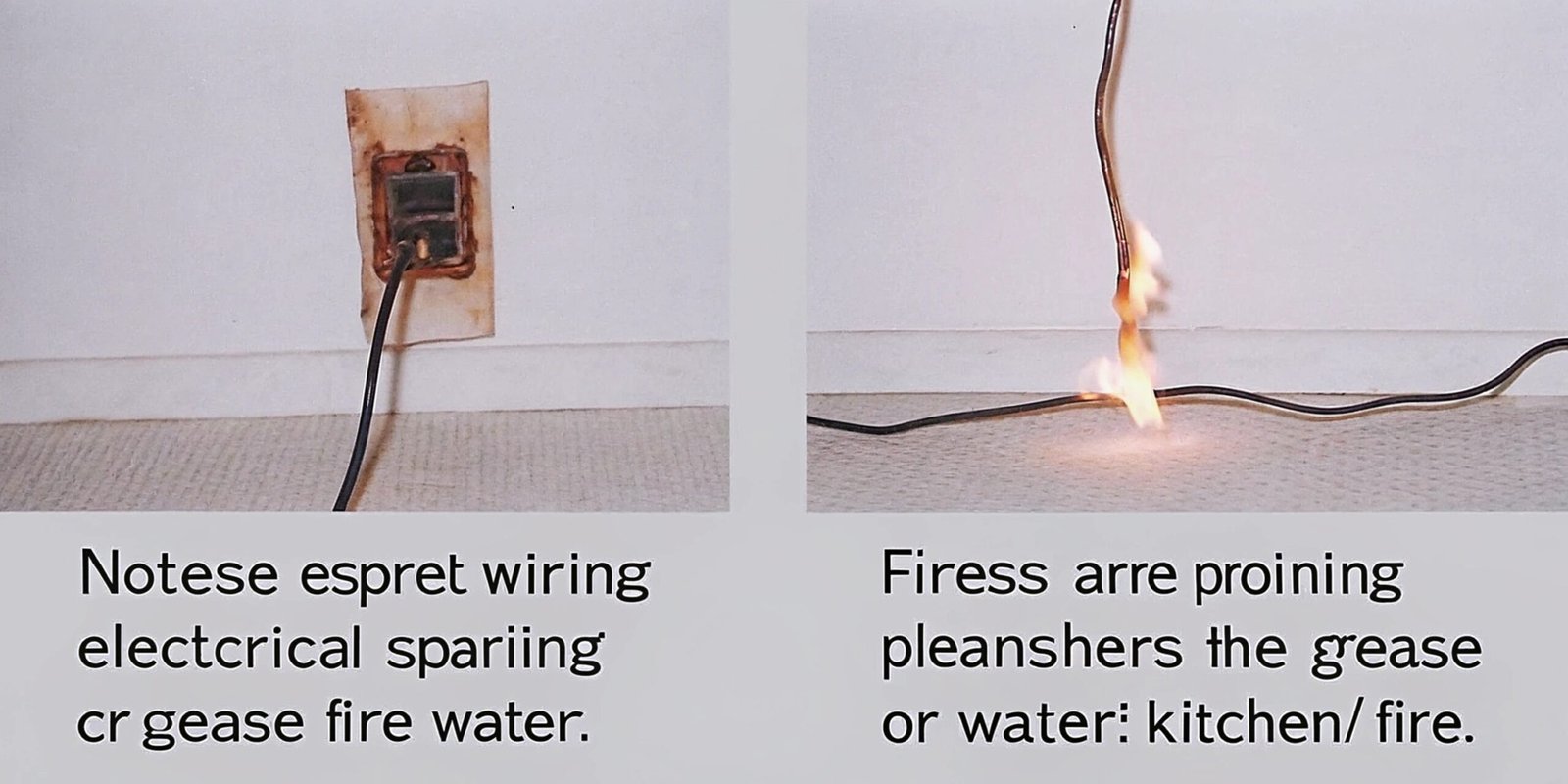
Thinking water is the universal solution for any fire? This common instinct can be a dangerous mistake. Using water on the wrong type of fire can lead to a disaster.
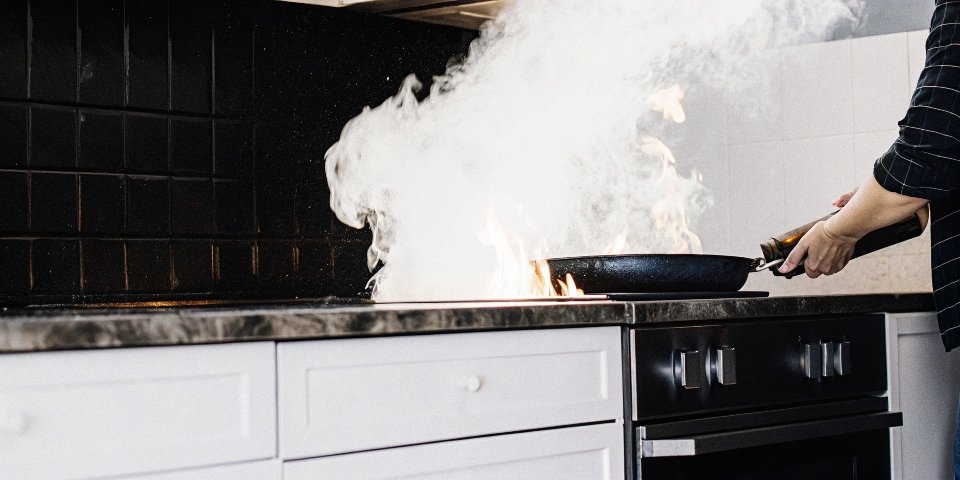
You should never use water on grease fires, electrical fires, or fires involving flammable metals. Water can spread the burning fuel, conduct electricity, or react explosively with hot metals, making the situation much worse.
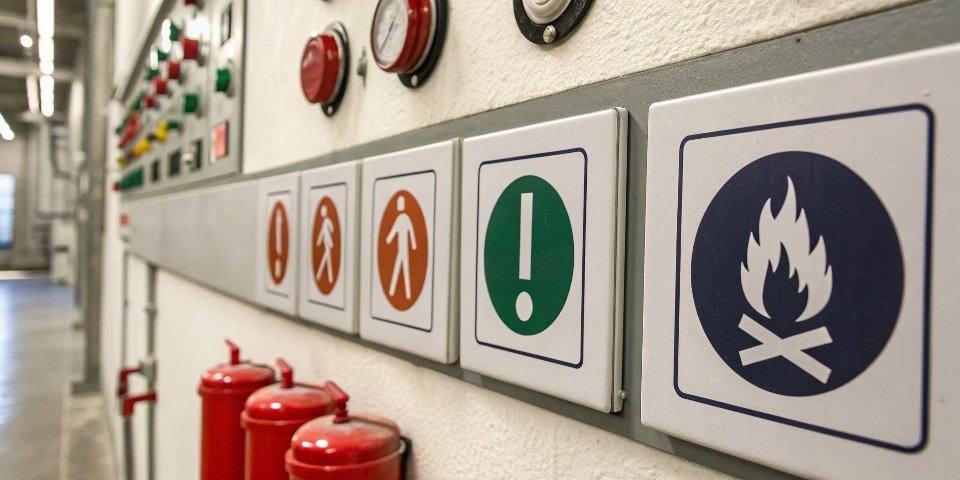
This isn’t just a safety tip; it’s about basic chemistry. Understanding why water fails in these situations is critical for safety at home and in industrial settings. In my work producing flame retardants1 like aluminum hydroxide, we focus on materials designed to prevent these specific, hard-to-fight fires from ever starting. For a business leader like Mr. Park, knowing these fire types is essential for ensuring workplace safety and sourcing the right materials. Let’s look at the details.
What type of fire cannot be put out by water?
Do you panic and reach for water when you see a fire? This reaction is natural but very risky. For certain fires, adding water is like adding fuel to the flames.
You cannot use water on Class B fires, which involve flammable liquids like oil, and Class C electrical fires. You also must avoid water on Class D fires involving combustible metals. It is ineffective and dangerous.
To understand this, we need to look at the different classes of fire. Firefighters categorize fires based on their fuel source, and each class requires a different approach. Using the wrong method can have terrible consequences.
Here is a simple breakdown:
| Fire Class | Type of Fuel | Why Water is a Bad Choice | What to Use Instead |
|---|---|---|---|
| Class B | Flammable Liquids & Gases | Water spreads the burning liquid. | Dry Chemical, CO₂, Foam Extinguisher |
| Class C | Energized Electrical Gear | Water conducts electricity, causing shock. | Dry Chemical, CO₂ Extinguisher |
| Class D | Combustible Metals | Water reacts violently, causing explosions. | Specialized Dry Powder Extinguisher |
In my factory, we handle large amounts of chemicals and have powerful electrical equipment. We train our staff constantly on this. A Class C fire near a control panel requires a CO₂ extinguisher, not a water hose. A spill of a flammable liquid (Class B) needs foam. And for metal dust, which is a Class D risk, we have special dry powder agents. Knowing the difference is the first and most important step in fire safety2.
Can water put out a gasoline fire?
You see a puddle of gasoline on fire. Your first instinct might be to spray it with a hose. But this would be a catastrophic mistake that could turn a small fire into an inferno.
No, you can never put out a gasoline fire with water. Gasoline is less dense than water and will float on top of it. The water spreads out, carrying the burning gasoline with it and making the fire much larger.
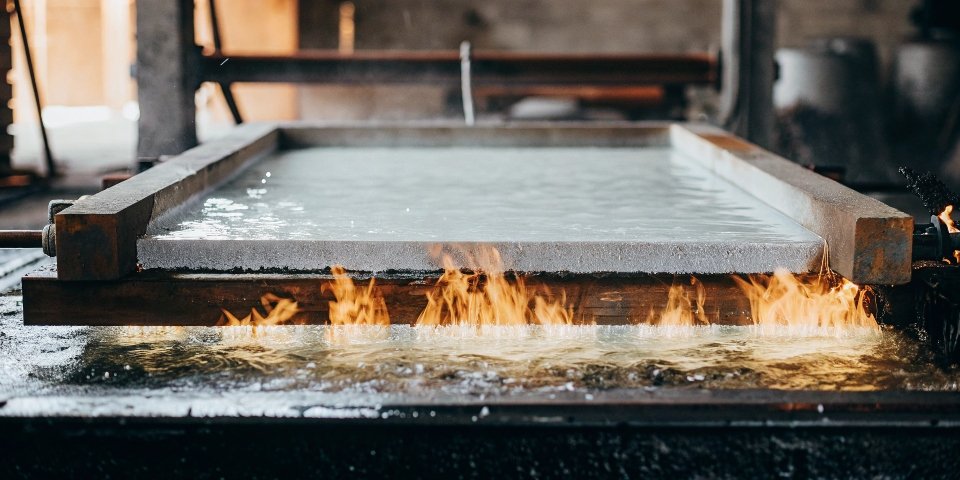
The science behind this is straightforward. Gasoline has a density of about 0.75 grams per milliliter, while water’s density is 1.0 g/mL. Because it is lighter, the gasoline will always float on top. When you spray water onto a gasoline fire3, the water sinks to the bottom and moves outward, spreading the fire across a wider area.
Even worse, the intense heat of the fire will boil the water underneath the gasoline. This creates a massive amount of steam very quickly. The expanding steam can then violently erupt, throwing the burning gasoline into the air in what is called a "boilover." This can cause severe burns and spread the fire rapidly. For this reason, fire departments use special foam to fight gasoline fires. The foam is lighter than gasoline, so it floats on the surface, smothers the fire, and cuts off its oxygen supply. This is a topic I know well from a different angle. The flame retardants we produce, like aluminum hydroxide, are mixed into materials to prevent them from catching fire in the first place. They work by releasing water vapor to cool the material, but they do it on a micro-level, safely inside the product.
Can water put out blue fire?
You might see a blue flame from a gas stove or burning alcohol. Its color is different from a typical orange wood fire. Does this mean you should fight it differently?
It depends on the fuel. Water can extinguish a blue alcohol fire by diluting it. However, water is useless against a blue flame from a natural gas leak. The color shows a clean burn, not the fire type.
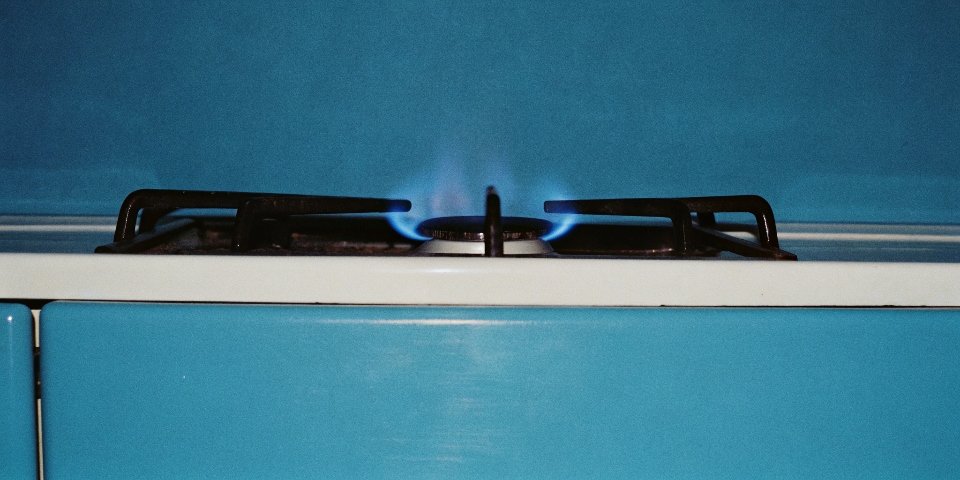
The color of a flame tells you about the temperature and completeness of the combustion, not necessarily the fuel. A blue flame4 usually indicates that the fire has plenty of oxygen and is burning cleanly, without producing much smoke or soot. An orange or yellow flame means incomplete combustion. But you cannot decide how to fight a fire based on its color alone.
Let’s look at two examples of blue flames:
Alcohol Fires
Some alcohols, like ethanol, burn with a nearly invisible blue flame. But alcohol is miscible in water, which means it mixes completely with it. If you pour enough water on an alcohol fire, you can dilute the alcohol to a point where it is no longer flammable. In this specific case, water can work.
Natural Gas Fires
A fire from a natural gas leak also burns blue. However, the fuel source is a continuous flow of gas from a pipe. Pouring water on this flame will do nothing at all. The water will just run off while the gas continues to burn. The only way to stop this fire is to shut off the gas supply. Firefighters may spray water on the surrounding area to keep other things cool and prevent them from catching fire, but they are not trying to put out the gas flame with the water. The rule is simple: always know your fuel source.
What is a flame that can’t be put out?
We are used to thinking that every fire can be extinguished. But what if a fire brings its own oxygen? This creates a flame that defies all conventional firefighting methods.
A fire that is nearly impossible to put out involves substances that contain their own oxidizer, like thermite. Since they don’t need oxygen from the air, you cannot smother them, and water often makes them worse.
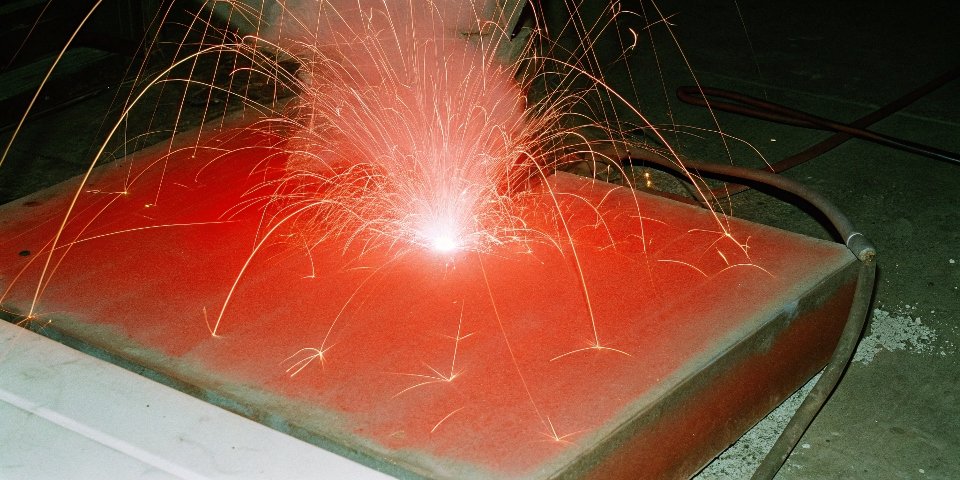
Most firefighting relies on breaking the fire triangle5: Fuel, Heat, and Oxygen. Water removes heat. A fire blanket or CO₂ extinguisher removes oxygen. But some chemical reactions are different. They don’t need air.
A perfect example is a thermite reaction6. Thermite is a mixture of a metal fuel, like aluminum powder, and a metal oxide, which acts as the oxidizer. The reaction produces its own oxygen. It burns at over 2,000°C and is so hot it can melt through steel. You cannot smother it. If you pour water on it, the extreme heat will instantly split the water into hydrogen and oxygen gas, which can cause a massive explosion. In my industry, we sometimes handle fine aluminum powder. Because of this risk, our safety protocols are incredibly strict. We understand that aluminum can be a powerful fuel under the right conditions. Other examples include hypergolic rocket fuels, which are chemicals that ignite instantly on contact with each other. These are rare but show that you cannot always rely on traditional methods to stop a fire.
Conclusion
In summary, do not use water on grease, electrical, or metal fires. Always identify the fuel source first. This knowledge is crucial for safety and for choosing the right fire protection methods.
-
Learn about flame retardants and their role in fire safety and prevention. ↩
-
Explore essential fire safety practices to protect your home and loved ones. ↩
-
Understand why water is ineffective on gasoline fires and what alternatives are safe to use. ↩
-
Discover the significance of a blue flame and how to approach it safely. ↩
-
Understanding the fire triangle is essential for effective fire prevention and safety. ↩
-
Explore the dangers of thermite reactions and the precautions needed to manage them. ↩

You may also be interested in:
What protective measures should be taken when handling aluminum hydroxide powder in a factory?
Are you worried about worker safety when handling fine powders? Aluminum hydroxide is generally safe, but mishandling its dust can lead to serious respiratory issues and even create explosive conditions.

What Key Technical Indicators Should Be Considered When Purchasing Aluminum Hydroxide?
Are you struggling to find the right aluminum hydroxide for your needs? You might be paying for features you don’t even require. Let’s simplify the technical details. When buying aluminum
What are the market trends for aluminum hydroxide in 2026?
Are you planning your 2026 raw material purchases? Volatile markets make it hard. I will share insights from the factory floor to help you make better decisions for your business.
Is aluminum hydroxide toxic and is it harmful to the human body?
Worried about the word "aluminum" in your products? It sounds scary and can make you question its safety. I’m here to clear up the confusion with simple facts. Aluminum hydroxide

What are the side effects of long-term use of stomach medications containing aluminum hydroxide?
Struggling with constant heartburn? Reaching for that stomach medicine might seem like the only option. But what if that relief comes with hidden long-term costs? The most common side effect
Does ingesting aluminum (such as through aluminum hydroxide) cause Alzheimer's disease?
Are you worried that everyday products containing aluminum might be harmful? This fear connects to serious health concerns like Alzheimer’s, making you question what is safe. Let’s look closely. Based

Why do some vaccines contain aluminum hydroxide (aluminum adjuvant)?
Confused about vaccine ingredients? Seeing aluminum hydroxide listed can be unsettling. I’ll explain its crucial role and why it’s there to help your body build strong immunity. Aluminum hydroxide acts

Is the aluminum adjuvant in vaccines safe for infants or adults?
You read about vaccine ingredients and worry. The word "aluminum" sounds scary, especially when talking about babies. But understanding the facts can give you peace of mind. Yes, the aluminum
What environmental problems are generated during the production of aluminum hydroxide?
Worried about environmental compliance in your supply chain? Sourcing from China can be complex. You need a reliable, eco-conscious partner for your aluminum hydroxide needs. The main environmental issue is
Where are China's main aluminum hydroxide production areas?
Are you struggling to find the right aluminum hydroxide supplier in China? This confusion can lead to higher costs and unstable quality, which hurts your business and your reputation. China’s