
What role does aluminum hydroxide play in the production of water purification agents?
December 11, 2025 by Lee On
Unclear water presents a persistent challenge for industries and municipalities. Traditional methods often fail to remove the finest particles, making the process inefficient and costly, leaving you searching for a better solution.
Aluminum hydroxide serves as the essential raw material for producing powerful water purification agents like aluminum sulfate and polyaluminum chloride. These agents, when added to water, form precipitates that trap and remove suspended impurities, effectively clarifying the water.
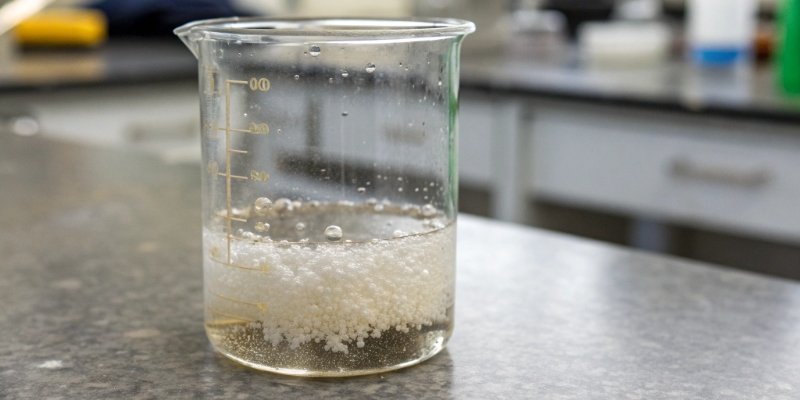
We have established that aluminum hydroxide is the starting point for creating water treatment chemicals1. But this might raise more questions than it answers. How exactly does this white powder lead to crystal clear water? The journey from a raw material to an active purification agent involves specific chemical processes. To truly understand its value, we need to look closer at how it’s used and the functions it enables. Let’s explore the specific mechanisms and answer the common questions that arise when discussing its role in water purification.
What is the use of Aluminium hydroxide in water treatment?
You need to remove tiny, suspended particles from large volumes of water. Without an effective clumping agent, these impurities remain, compromising water quality and clogging filtration systems, causing operational headaches.
In water treatment, aluminum hydroxide is used as a primary raw material to manufacture coagulants. The most common ones are aluminum sulfate (alum) and polyaluminum chloride (PAC). These finished products are then used to purify water by clumping together fine particles for removal.
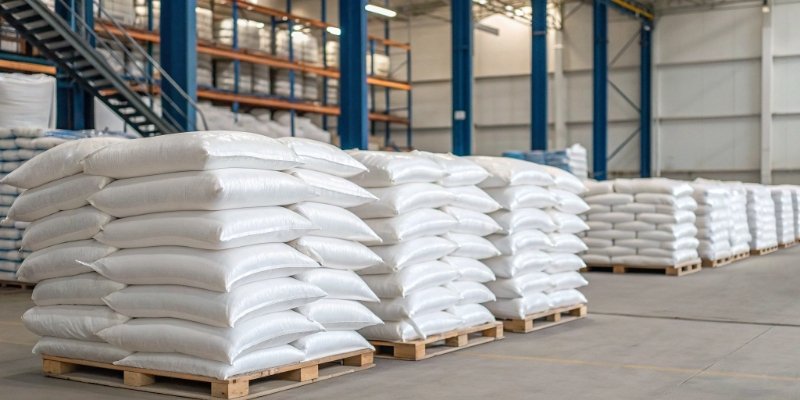
From my perspective at the factory, I see aluminum hydroxide not as the final actor, but as the critical foundation. We produce high-purity aluminum hydroxide, which our clients then convert into active water treatment agents. The process is straightforward chemistry but requires precise control over quality, something we take very seriously.
From Raw Material to Active Agent
The transformation involves reacting our aluminum hydroxide with strong acids. For instance, reacting it with sulfuric acid produces aluminum sulfate2, and reacting it with hydrochloric acid is the basis for producing polyaluminum chloride3. The quality of our initial aluminum hydroxide—its purity and particle size4—directly impacts the efficiency of this reaction and the effectiveness of the final coagulant. A purer raw material results in a more potent water treatment agent with fewer unwanted byproducts. This is why our clients, who manufacture these agents, rely on the consistent quality we provide.
| Raw Material | Reactant | Final Water Treatment Agent |
|---|---|---|
| Aluminum Hydroxide (Al(OH)₃) | Sulfuric Acid (H₂SO₄) | Aluminum Sulfate (Al₂(SO₄)₃) – "Alum" |
| Aluminum Hydroxide (Al(OH)₃) | Hydrochloric Acid (HCl) | Polyaluminum Chloride (PAC) |
What is the role of aluminum hydroxide?
Simply calling aluminum hydroxide a "water treatment ingredient" is too vague. This lack of specific understanding can make it difficult to appreciate its fundamental function and why it’s so widely used in the industry.
The key role of aluminum hydroxide is realized when aluminum salts dissolve and hydrolyze in water. This reaction forms sticky, gelatinous aluminum hydroxide colloids that act like magnets, adsorbing and trapping suspended impurities, which cleans the water.
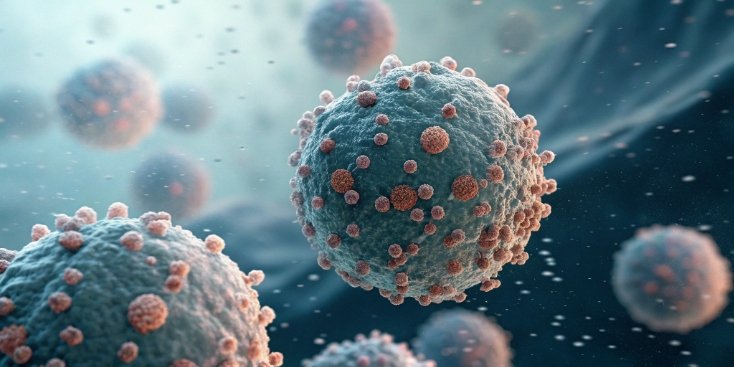
This is where the real magic happens, and it’s based on a core chemical principle. My insight from years in production is this: the aluminum hydroxide we sell is not what does the work directly. Instead, the process creates a new form of aluminum hydroxide inside the dirty water itself.
The Magic of Hydrolysis and Flocculation
When an agent like aluminum sulfate is added to water, it dissolves and releases aluminum ions (Al³⁺). These ions immediately react with the water in a process called hydrolysis5. This reaction forms the substance we’ve been talking about: aluminum hydroxide, but this time as a sticky, gel-like precipitate.
These newly formed aluminum hydroxide particles have two critical properties:
- Large Surface Area: They are like tiny, porous sponges that can trap many impurities.
- Positive Charge: Most suspended particles in water, like clay, silt, and bacteria, have a negative charge. The positive charge of the aluminum hydroxide colloid neutralizes them.
This neutralization is called coagulation. It causes the tiny particles to stop repelling each other and start sticking together. With gentle mixing, these small clumps collide and form larger, visible clusters called flocs. This second step is flocculation6. These heavy flocs then sink to the bottom or are easily filtered out, leaving clear water behind.
What is the use of aluminium sulphate in water purification?
You have a specific coagulant, aluminum sulfate, but need to understand its exact purpose. Using it without knowing the step-by-step mechanism can lead to inefficient treatment, incorrect dosage, and wasted resources.
Aluminum sulfate, often called alum, is a primary coagulant used to clarify water. It dissolves to neutralize the electrical charge of fine suspended particles, causing them to clump into larger flocs that can be easily removed by settling or filtration.
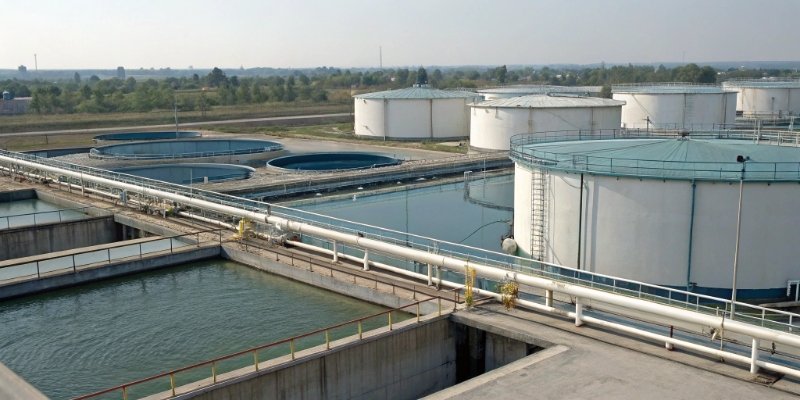
Aluminum sulfate is one of the most common products made from our aluminum hydroxide. It’s a workhorse in the water treatment industry because it is effective and economical. The process it enables is a classic example of chemical engineering applied to a large-scale environmental problem. The chemical reaction Al₂(SO₄)₃ + 6H₂O → 2Al(OH)₃ (solid) + 3H₂SO₄ is the engine of the entire purification process, producing the sticky precipitate needed to clean the water.
How Alum Cleans Water Step-by-Step
The application of alum in a typical water treatment plant follows a very structured process designed to maximize its effectiveness. Here is a simplified breakdown:
- Dosing: A carefully measured amount of alum is added to the incoming raw water. The dose depends on the water’s turbidity7, temperature, and pH.
- Rapid Mix: The water is mixed very quickly for about a minute. This ensures the alum is distributed evenly throughout the water so it can start the coagulation process instantly.
- Flocculation: The water then flows into a basin where it is mixed slowly and gently. This slow stirring encourages the small, newly formed particles to collide and stick together, growing into large, heavy flocs.
- Sedimentation: After flocculation, the water moves to a quiet settling tank. Here, the heavy flocs sink to the bottom due to gravity, forming a layer of sludge that is later removed.
- Filtration: The clear water from the top of the sedimentation8 tank is then passed through filters (often sand and gravel) to remove any remaining microscopic particles.
Does aluminum hydroxide react with water?
There’s a common point of confusion: if aluminum hydroxide is the key, does it react with water? Misunderstanding this can lead to incorrect chemical handling and false expectations about its direct application in water treatment.
No, aluminum hydroxide is almost completely insoluble in neutral water and does not react with it. Its crucial role in water treatment comes from being formed inside the water through the breakdown (hydrolysis) of other soluble aluminum compounds.
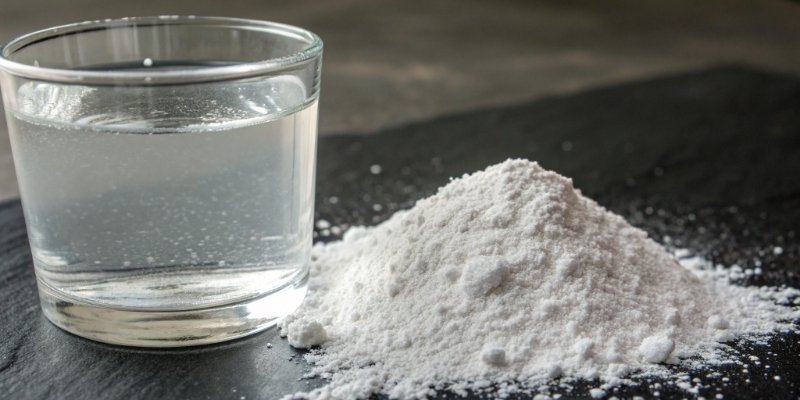
This is a critical distinction that I often explain to new customers. You cannot simply add aluminum hydroxide powder to cloudy water and expect it to work as a coagulant. It would just sink to the bottom without doing anything. Its value lies in its chemical properties that allow it to be transformed.
Understanding Solubility and Amphoteric Nature
The insolubility of aluminum hydroxide in neutral pH water is precisely why we must first convert it into soluble salts like aluminum sulfate. However, aluminum hydroxide has a special chemical property: it is amphoteric. This means it can react with both acids and strong bases.
This dual-reactivity is fundamental to its industrial versatility.
- Reaction with Acid: Al(OH)₃ + 3HCl → AlCl₃ + 3H₂O. We use this type of reaction to produce polyaluminum chloride (PAC), another powerful coagulant.
- Reaction with Base: Al(OH)₃ + NaOH → Na[Al(OH)₄]. This reaction produces sodium aluminate9, which also has applications in water treatment and other industries.
This amphoteric nature10 makes aluminum hydroxide a highly adaptable raw material. In our production facility, we harness these reactions daily. By controlling the pH and reactants, we can create the specific aluminum compounds that our clients need for their applications, whether for water purification, flame retardants, or other industrial uses.
Conclusion
Aluminum hydroxide is the essential raw material for water coagulants. These agents form sticky precipitates in water, clumping impurities for easy removal and clarifying our vital water supply.
-
Discover the various chemicals that play a role in modern water treatment. ↩
-
Discover the role of aluminum sulfate in clarifying water and its effectiveness. ↩
-
Find out how polyaluminum chloride contributes to efficient water treatment. ↩
-
Explore how these factors affect the efficiency of water treatment agents. ↩
-
Delve into the chemical process of hydrolysis and its significance in purification. ↩
-
Learn how flocculation aids in the removal of suspended particles from water. ↩
-
Understand the significance of turbidity in assessing water quality. ↩
-
Learn about the sedimentation process and its role in clarifying water. ↩
-
Learn about sodium aluminate’s applications in water treatment and beyond. ↩
-
Understand the concept of amphoteric substances and their industrial applications. ↩

You may also be interested in:

What protective measures should be taken when handling aluminum hydroxide powder in a factory?
Are you worried about worker safety when handling fine powders? Aluminum hydroxide is generally safe, but mishandling its dust can lead to serious respiratory issues and even create explosive conditions.

What Key Technical Indicators Should Be Considered When Purchasing Aluminum Hydroxide?
Are you struggling to find the right aluminum hydroxide for your needs? You might be paying for features you don’t even require. Let’s simplify the technical details. When buying aluminum

What are the market trends for aluminum hydroxide in 2026?
Are you planning your 2026 raw material purchases? Volatile markets make it hard. I will share insights from the factory floor to help you make better decisions for your business.
Is aluminum hydroxide toxic and is it harmful to the human body?
Worried about the word "aluminum" in your products? It sounds scary and can make you question its safety. I’m here to clear up the confusion with simple facts. Aluminum hydroxide

What are the side effects of long-term use of stomach medications containing aluminum hydroxide?
Struggling with constant heartburn? Reaching for that stomach medicine might seem like the only option. But what if that relief comes with hidden long-term costs? The most common side effect

Does ingesting aluminum (such as through aluminum hydroxide) cause Alzheimer's disease?
Are you worried that everyday products containing aluminum might be harmful? This fear connects to serious health concerns like Alzheimer’s, making you question what is safe. Let’s look closely. Based

Why do some vaccines contain aluminum hydroxide (aluminum adjuvant)?
Confused about vaccine ingredients? Seeing aluminum hydroxide listed can be unsettling. I’ll explain its crucial role and why it’s there to help your body build strong immunity. Aluminum hydroxide acts

Is the aluminum adjuvant in vaccines safe for infants or adults?
You read about vaccine ingredients and worry. The word "aluminum" sounds scary, especially when talking about babies. But understanding the facts can give you peace of mind. Yes, the aluminum

What environmental problems are generated during the production of aluminum hydroxide?
Worried about environmental compliance in your supply chain? Sourcing from China can be complex. You need a reliable, eco-conscious partner for your aluminum hydroxide needs. The main environmental issue is

Where are China's main aluminum hydroxide production areas?
Are you struggling to find the right aluminum hydroxide supplier in China? This confusion can lead to higher costs and unstable quality, which hurts your business and your reputation. China’s