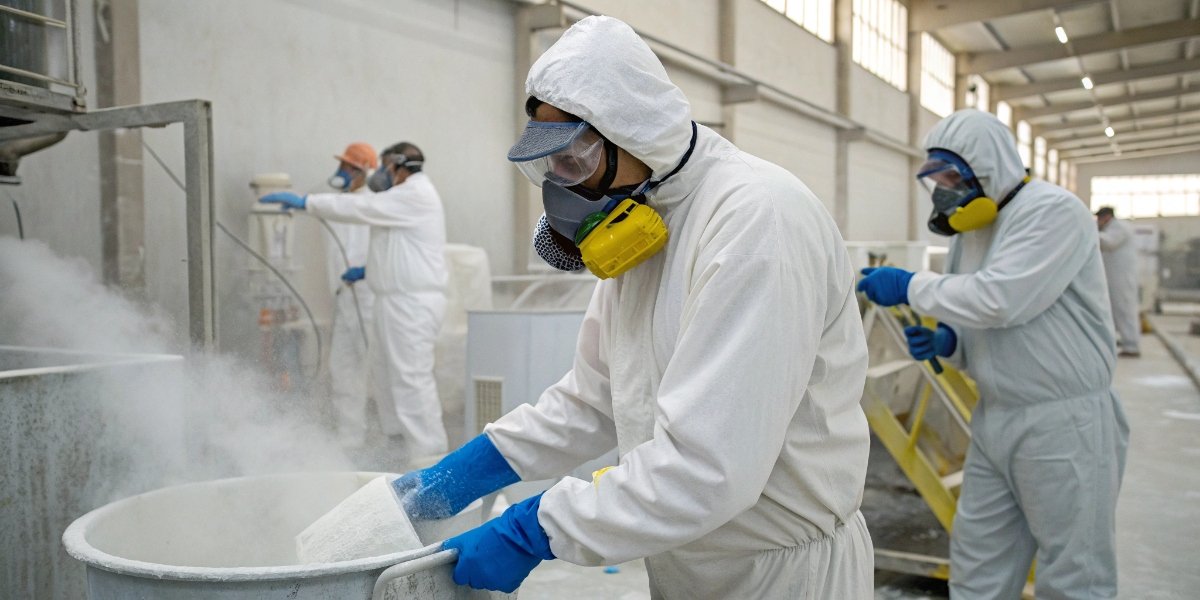
What protective measures should be taken when handling aluminum hydroxide powder in a factory?
January 23, 2026 by Lee On
Are you worried about worker safety when handling fine powders? Aluminum hydroxide is generally safe, but mishandling its dust can lead to serious respiratory issues and even create explosive conditions.
The best way to handle aluminum hydroxide powder is by enforcing strict safety protocols. This includes mandatory Personal Protective Equipment (PPE) for all workers, installing and maintaining effective dust control systems, using explosion-proof equipment, and ensuring your team is fully trained for emergency situations.
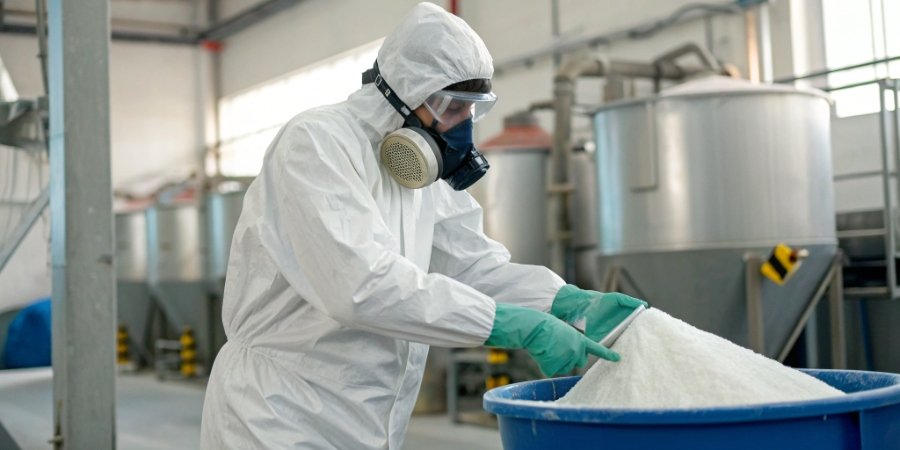
I’ve spent many years on the factory floor, long before I started working with our international clients. I’ve seen firsthand what happens when safety rules are followed and, unfortunately, when they are not. A safe operation isn’t just about rules on a piece of paper. It’s about building a culture where every single person understands the risks and knows exactly how to protect themselves and their coworkers. It’s the foundation of everything we do. Let’s break down what truly matters for safety, not just for aluminum hydroxide1, but for other common chemicals you might handle.
What personal protective equipment is needed for sodium hydroxide?
Sodium hydroxide is extremely corrosive. A small splash can cause severe skin burns in seconds. Are you sure your team is protected from this very aggressive chemical’s dangers?
To handle sodium hydroxide, workers must wear chemical-resistant gloves (like butyl or neoprene), splash-proof goggles with a full face shield, and a rubber apron or chemical-resistant suit. If ventilation is poor, a respirator is absolutely necessary to protect against inhaling harmful mists.
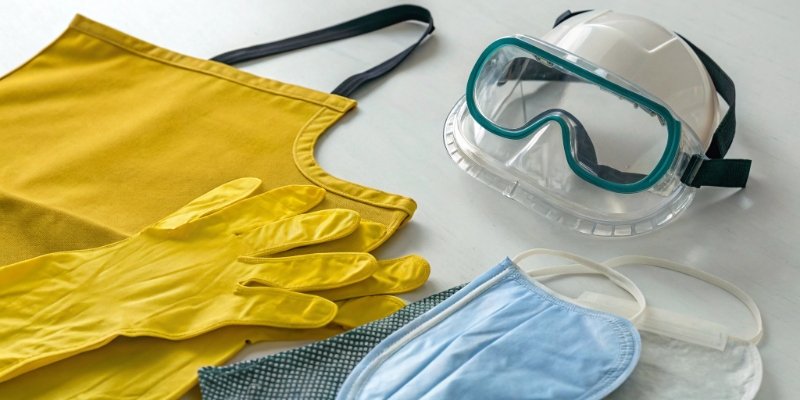
In our industry, we sometimes deal with related chemicals, and the rules change for each one. Sodium hydroxide, or caustic soda, is a good example. It’s much more immediately dangerous to the skin than aluminum hydroxide1. For this reason, PPE selection is critical. It’s not just about wearing any gloves; it’s about wearing the right ones.
Key PPE Components
- Hand Protection: Nitrile gloves are okay for short-term contact, but for sustained handling, you need something stronger. We always insist on butyl rubber or neoprene gloves. I remember a case at a neighboring plant where a worker’s glove had a tiny pinhole. The resulting burn was small but serious. It taught everyone a lesson: always inspect your gloves before use.
- Eye and Face Protection: Goggles are the minimum. But because splashes can come from below, a full face shield worn over the goggles is the best practice. Eyes are irreplaceable, so this is not an area to save money.
- Body Protection: A simple lab coat is not enough. Workers need a heavy-duty, chemical-resistant apron2. For tasks with a high risk of splashing, a full-body chemical suit is required.
Here is a simple breakdown of PPE based on the form of sodium hydroxide:
| Form of Sodium Hydroxide | Required PPE |
|---|---|
| Solid Flakes/Pellets | Chemical-resistant gloves, safety goggles3, dust mask (to prevent inhalation). |
| Liquid Solution | Chemical-resistant gloves, splash goggles, face shield, chemical-resistant apron2. |
| High-Risk Tasks | Full chemical suit, appropriate respirator, chemical-resistant boots. |
What precautions should be taken when handling hydrochloric acid?
Hydrochloric acid fumes are invisible and can severely damage the lungs. A spill is also very dangerous. Are your work procedures enough to handle both the seen and unseen risks?
Always handle hydrochloric acid in a well-ventilated area, ideally under a fume hood. Wear acid-resistant gloves, goggles, and a face shield. Crucially, always add acid to water slowly, and never add water to acid, to prevent a dangerous, splashing reaction.

Acids present a different kind of challenge. With hydrochloric acid4 (HCl), the fumes are a major concern. Even a brief exposure can cause respiratory tract irritation. That’s why ventilation5 is the first line of defense, even before PPE.
Critical Safety Procedures
The single most important rule, one that is taught on day one, is "Always Add Acid to Water." When you add water to a concentrated acid, it can generate an enormous amount of heat very quickly. This heat can cause the solution to boil and splash violently, throwing corrosive acid everywhere. Adding acid slowly to a larger volume of water allows the heat to dissipate safely.
Beyond that golden rule, here are some essential do’s and don’ts that we enforce in our facilities.
| Do’s | Don’ts |
|---|---|
| DO work in a well-ventilated area or under a fume hood6. | DON’T work in a confined space without proper air supply. |
| DO wear acid-resistant gloves, goggles, and face shield. | DON’T touch your face or eyes when wearing contaminated gloves. |
| DO have a neutralizing agent7 (like sodium bicarbonate) nearby for spills. | DON’T store HCl near bases (like sodium hydroxide8) or metals. |
| DO have an eyewash station9 and safety shower within a 10-second walk. | DON’T pour excess acid back into the original container. |
Proper storage is also key. We keep our acids in a separate, dedicated cabinet away from bases. If they were to mix accidentally, the reaction would release a lot of heat and potentially toxic gases.
What safety precautions should be taken when working with solid calcium hydroxide?
Calcium hydroxide powder might seem harmless compared to strong acids. But its dust is a serious irritant that can cause lasting eye damage. Are you underestimating its risks?
When working with solid calcium hydroxide (hydrated lime), workers must wear safety goggles to protect their eyes from dust. A dust mask is also essential to prevent respiratory irritation. Gloves are recommended to avoid skin dryness and irritation. Ensure good ventilation to control dust levels.

Not all white powders are the same. While aluminum hydroxide1‘s main risk is fine dust inhalation, calcium hydroxide10 dust is more alkaline and irritating. The most significant danger is to the eyes. If dust gets in the eyes, it can cause severe irritation and even permanent damage if not washed out immediately.
Understanding the Hazards
The problem with calcium hydroxide10 dust is that it’s very fine and can linger in the air. Without proper ventilation5 and PPE, workers will inevitably breathe it in, leading to coughing and throat irritation. The primary safety focus should be on controlling the dust at its source.
Here’s a comparison of the primary hazards for the chemicals we’ve discussed:
| Chemical | Primary Hazard | Key Precaution |
|---|---|---|
| Aluminum Hydroxide | Inhalation of fine dust, potential dust explosion11. | Dust control systems, explosion-proof equipment12, masks. |
| Sodium Hydroxide | Severe chemical burns13 from contact. | Full body and face protection, resistant materials. |
| Hydrochloric Acid | Corrosive fumes and liquid. | Fume hood ventilation5, acid-to-water procedure. |
| Calcium Hydroxide | Eye damage and respiratory irritation14 from dust. | Goggles and dust masks are absolutely mandatory. |
For calcium hydroxide10, we train our staff that the first response to eye contact is immediate and prolonged flushing with water. There should be an eyewash station9 very close to any area where it is handled. We tell them to flush for at least 15 minutes before seeking medical attention. It’s a simple rule that can save someone’s sight.
What are the risks of aluminum hydroxide?
You handle aluminum hydroxide every day. But do you and your team fully understand the specific risks? It’s not just about a messy workspace; the powder itself presents hidden dangers.
The main risks of aluminum hydroxide are respiratory irritation from inhaling its very fine dust and, under the right conditions, the potential for a dust explosion. While it has low toxicity, long-term exposure can affect the lungs. Spilled powder also creates a major slipping hazard.
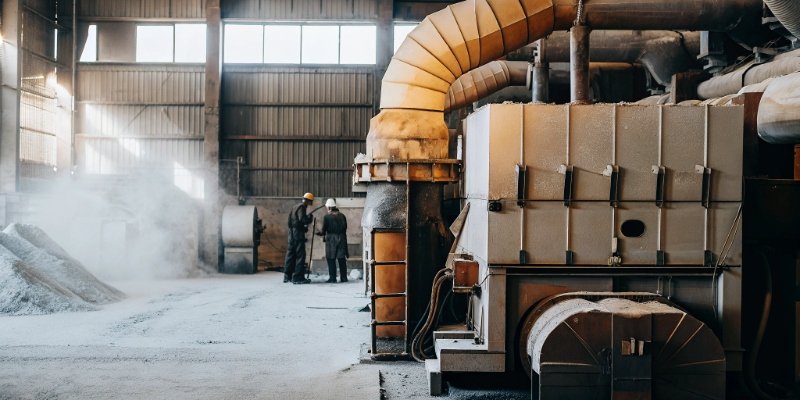
Now we come back to my area of expertise: aluminum hydroxide1. As a source factory, we handle tons of this material every day. My job in production management was all about controlling these risks. I want to break them down for you from a practical, factory-floor perspective.
Health and Operational Risks
The powder is extremely fine, which is great for its industrial applications but bad for breathing. It can hang in the air for a long time. While it’s not considered toxic like lead or asbestos, breathing any dust all day is bad for your lungs. This is why we rely on two things: engineering controls and PPE.
- Engineering Controls: This is the most important part. We use powerful dust collection systems that pull the dust out of the air right where it’s created. We also keep the plant well-ventilated to reduce the overall concentration.
- PPE: Even with great ventilation5, workers must wear a good quality dust mask (N95 or better) and safety glasses. The powder is an eye irritant, and you don’t want it on your skin all day either, so gloves and full-body work clothes are standard.
The Risk of Dust Explosion
This is a risk many people don’t think about. Any combustible material, when it’s a fine powder dispersed in the air in the right concentration, can explode if it finds an ignition source. Aluminum hydroxide is not as flammable as, say, flour or sugar, but the risk is real.
To prevent this, we are extremely strict about two things:
- Dust Control: Keeping dust from accumulating is the first step. Clean workplaces are safe workplaces. We have rigorous cleaning schedules.
- Ignition Sources: We use only explosion-proof electrical equipment—motors, lights, switches—in areas where dust can accumulate. We also have strict rules against smoking, welding, or any open flame without a special permit.
| Risk Summary | Cause | Mitigation Strategy |
|---|---|---|
| Respiratory Issues | Inhaling fine aluminum hydroxide1 powder. | Dust collection systems, ventilation5, N95 dust masks. |
| Dust Explosion | Fine powder dispersed in air + an ignition source. | Explosion-proof equipment, grounding, strict housekeeping. |
| Slips and Falls | Spilled powder on smooth factory floors. | Immediate cleanup of all spills, non-slip footwear. |
Conclusion
Ultimately, safely handling aluminum hydroxide and other chemicals requires the right equipment, correct procedures, and constant awareness. The safety of your team is the foundation of a successful operation.
-
Explore essential safety measures to protect workers when handling aluminum hydroxide, ensuring a safe work environment. ↩ ↩ ↩ ↩ ↩
-
Explore the benefits of chemical-resistant aprons in protecting workers from hazardous spills and splashes. ↩ ↩
-
Learn about the importance of safety goggles in protecting eyes from chemical splashes and irritants. ↩
-
Learn about the dangers of hydrochloric acid and how to handle it safely to prevent accidents. ↩
-
Discover the importance of proper ventilation in chemical handling to reduce exposure to harmful fumes. ↩ ↩ ↩ ↩ ↩
-
Discover the role of fume hoods in protecting laboratory workers from harmful fumes and vapors. ↩
-
Discover the role of neutralizing agents in managing chemical spills and ensuring safety in the workplace. ↩
-
Understand the critical safety precautions necessary for handling sodium hydroxide to prevent chemical burns. ↩
-
Understand the critical role of eyewash stations in providing immediate care for eye injuries in labs. ↩ ↩
-
Find out the necessary safety measures for handling calcium hydroxide to prevent respiratory and eye injuries. ↩ ↩ ↩
-
Understand the causes of dust explosions and effective prevention strategies to ensure workplace safety. ↩
-
Find out about the essential explosion-proof equipment needed to ensure safety in chemical handling environments. ↩
-
Explore the symptoms of chemical burns and the best treatment options to ensure quick recovery. ↩
-
Learn about the causes of respiratory irritation from fine powders and how to mitigate these risks. ↩

You may also be interested in:

What Key Technical Indicators Should Be Considered When Purchasing Aluminum Hydroxide?
Are you struggling to find the right aluminum hydroxide for your needs? You might be paying for features you don’t even require. Let’s simplify the technical details. When buying aluminum

What are the market trends for aluminum hydroxide in 2026?
Are you planning your 2026 raw material purchases? Volatile markets make it hard. I will share insights from the factory floor to help you make better decisions for your business.

Is aluminum hydroxide toxic and is it harmful to the human body?
Worried about the word "aluminum" in your products? It sounds scary and can make you question its safety. I’m here to clear up the confusion with simple facts. Aluminum hydroxide

What are the side effects of long-term use of stomach medications containing aluminum hydroxide?
Struggling with constant heartburn? Reaching for that stomach medicine might seem like the only option. But what if that relief comes with hidden long-term costs? The most common side effect

Does ingesting aluminum (such as through aluminum hydroxide) cause Alzheimer's disease?
Are you worried that everyday products containing aluminum might be harmful? This fear connects to serious health concerns like Alzheimer’s, making you question what is safe. Let’s look closely. Based

Why do some vaccines contain aluminum hydroxide (aluminum adjuvant)?
Confused about vaccine ingredients? Seeing aluminum hydroxide listed can be unsettling. I’ll explain its crucial role and why it’s there to help your body build strong immunity. Aluminum hydroxide acts

Is the aluminum adjuvant in vaccines safe for infants or adults?
You read about vaccine ingredients and worry. The word "aluminum" sounds scary, especially when talking about babies. But understanding the facts can give you peace of mind. Yes, the aluminum

What environmental problems are generated during the production of aluminum hydroxide?
Worried about environmental compliance in your supply chain? Sourcing from China can be complex. You need a reliable, eco-conscious partner for your aluminum hydroxide needs. The main environmental issue is

Where are China's main aluminum hydroxide production areas?
Are you struggling to find the right aluminum hydroxide supplier in China? This confusion can lead to higher costs and unstable quality, which hurts your business and your reputation. China’s
What is the difference between aluminum hydroxide and aluminum oxide, and how can they be converted into each other?
Are you confused by aluminum hydroxide and aluminum oxide? They look similar but have very different uses. Understanding them helps you buy the right material and save money. The main