
What Key Technical Indicators Should Be Considered When Purchasing Aluminum Hydroxide?
January 7, 2026 by Lee On
Are you struggling to find the right aluminum hydroxide for your needs? You might be paying for features you don’t even require. Let’s simplify the technical details.
When buying aluminum hydroxide, focus on key indicators like purity (Al(OH)₃ content), particle size (D50), whiteness, and moisture content. These directly impact performance. The right specifications depend entirely on your specific application, so matching them correctly is crucial for both quality and cost-effectiveness.
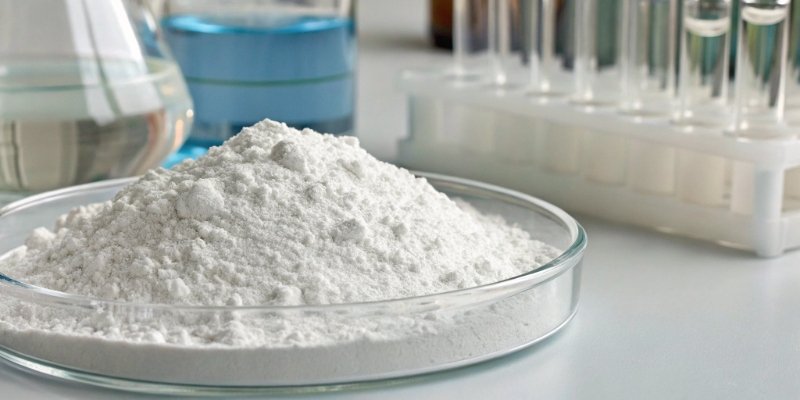
Choosing the right raw materials is a huge part of my job. For years, I managed production inside our aluminum hydroxide1 factory here in Henan. I saw firsthand how a small change in a technical spec could make a big difference for a customer. Now, as I work to bring our factory’s products directly to the international market, I want to share some of that internal knowledge. It’s my goal to help people like you get exactly what you need without overpaying. So, let’s break down what really matters when you’re looking at a spec sheet.
What is the Indication of Aluminium Hydroxide?
Finding the right aluminum hydroxide can feel overwhelming. With so many grades available, how do you know which one is right for your product? Choosing incorrectly can lead to poor performance and wasted money.
The "indication" or intended use of aluminum hydroxide is determined by its specific physical and chemical properties. For example, flame retardant applications require high purity and specific particle sizes, while water treatment might prioritize different characteristics. Matching the grade to your application is essential for success.
When I was managing the production floor, I saw orders for many different industries. Each customer had unique needs. It’s not a "one size fits all" situation. The indication, or what you plan to use it for, is the most important starting point. This tells us which technical details we need to focus on. For instance, a company making water purifiers doesn’t care much about whiteness2 or moisture content3. Their main concern is purity and how the material reacts in their process. On the other hand, a customer producing high-end decorative materials needs the highest whiteness possible. We even had clients making special electronic boards who needed incredibly fine, uniform particles. Thinking about your final product first helps you filter out the noise and focus on the specifications that will actually impact your results and your budget.
Key Indicators by Application
| Industry/Application | Primary Indicator | Secondary Indicator | Why It Matters |
|---|---|---|---|
| Flame Retardants (Wire & Cable) | High Purity (Assay) | Fine Particle Size | High purity ensures effective flame retardancy; fine particles help with smooth integration into polymers. |
| Artificial Marble/Solid Surface | High Whiteness | Low Oil Absorption | Whiteness is crucial for aesthetics; low oil absorption means less expensive resin is needed. |
| Water Purification | Surface Area | Purity | A larger surface area allows for more effective removal of impurities from the water. |
| Pharmaceuticals (Antacids) | High Purity (Assay) | Low Heavy Metals | Purity is non-negotiable for human consumption; strict limits on metals like lead and arsenic are required. |
How to Test for Aluminum Hydroxide?
You’ve received a shipment, but how can you be sure it meets the specifications you paid for? Without proper testing, you risk using substandard material in your production, which can cause major quality issues down the line.
Testing for aluminum hydroxide involves several laboratory methods. Purity (assay) is often determined by titration. Particle size is measured with a laser particle size analyzer. Whiteness is checked with a whiteness meter, and moisture content is found by heating a sample and measuring the weight loss.
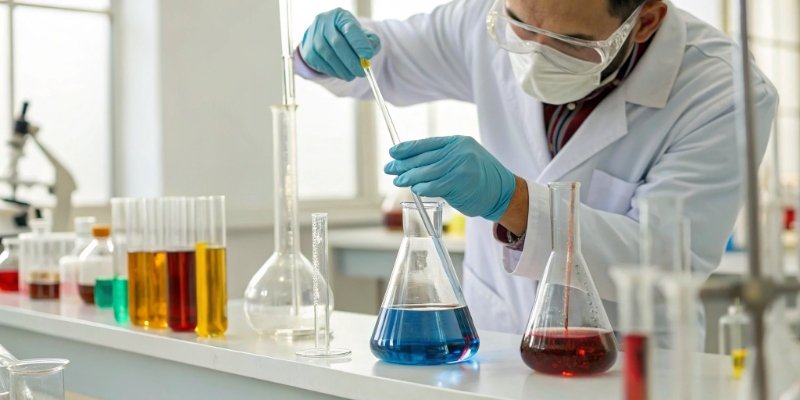
In our factory, the quality control lab is one of the busiest departments. Every single batch we produce goes through a strict series of tests before it’s approved for packaging. I remember we had a new technician who was learning how to use the laser particle size analyzer4. It’s a complex machine. He ran a test on a batch intended for an electronics customer who needed a very specific, very fine particle size5. The first result looked wrong. I walked him through the process again, making sure the sample was prepared correctly and the machine was calibrated. The second test gave the right result. This taught me a valuable lesson: the testing method is just as important as the material itself. When you receive a Certificate of Analysis (COA)6 from a supplier, it represents all this careful work. It’s your guarantee that the product inside the bag matches the numbers on the paper.
Common Testing Procedures
- Purity (Assay Test): This is the most critical test. It measures the percentage of Al(OH)₃ in the sample. A common method is complexometric titration. We dissolve a precise weight of the sample in acid and then titrate it with a standardized EDTA solution. The amount of EDTA used tells us the exact amount of aluminum in the sample.
- Particle Size Analysis: We use a laser diffraction particle analyzer. A small sample is dispersed in water and passed through a laser beam. The way the light scatters tells the machine the size and distribution of the particles. We look at the D50 value, which is the median particle size.
- Whiteness Test: This is straightforward. We press the powder into a smooth disk and place it in a whiteness meter. The machine shines a standard light on it and measures the reflectance compared to a standard white tile. The higher the number, the whiter the powder.
- Moisture Content: This is a simple but important test. We weigh a small sample of powder, then heat it in an oven at a specific temperature (usually 105°C) for a set time to drive off any water. After it cools, we weigh it again. The difference in weight is the moisture content.
What is the Assay of Aluminium Hydroxide Gel?
You’re working with aluminum hydroxide gel for pharmaceuticals, but the effectiveness seems inconsistent. The problem might be in the assay, or the active ingredient concentration, which directly impacts its performance as an antacid.
The assay of aluminum hydroxide gel measures the amount of active aluminum hydroxide it contains. It’s typically expressed as a percentage of Al(OH)₃. For pharmaceutical use, regulatory bodies like the USP (United States Pharmacopeia) require the assay to be within a specific, narrow range to ensure safety and efficacy.
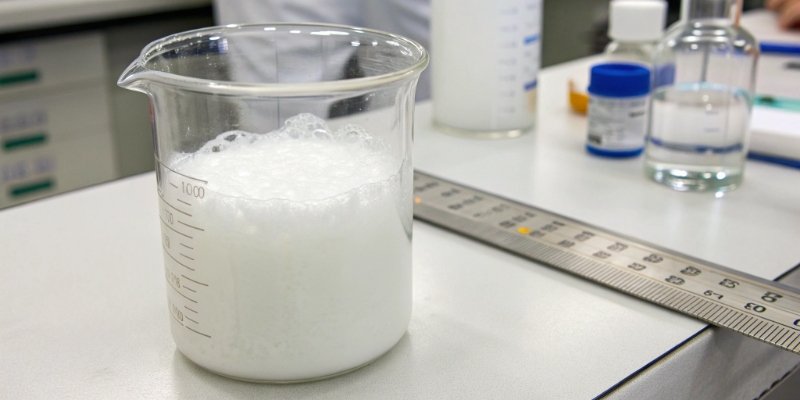
While our factory primarily produces powder, we understand the needs of customers who use our product to make gels, especially for the pharmaceutical industry. The principle is the same: purity is everything. The assay for a gel is essentially testing the purity of the final product, not just the raw powder that went into it. Think of it like baking a cake. You start with high-quality flour (our high-purity powder), but the final cake’s quality also depends on your recipe and process. For antacid gels, the assay directly relates to its Neutralizing Capacity (ANC)7. A lower assay means a patient would need to take more of the gel to get the same stomach-acid-neutralizing effect. That’s why buyers like Park Chung-hee, with his pharmacology background, pay such close attention to this number. It’s not just a technical detail; it’s a matter of product effectiveness and patient health.
Understanding Gel Assay
The assay for a gel is more complex than for a dry powder because it’s a suspension. The active ingredient, Al(OH)₃, is suspended in a liquid base.
- Why is it important? The assay confirms the gel has the correct dosage. A low assay means the product is weak. A high assay could mean it’s too concentrated, which might cause side effects. Consistency from batch to batch is crucial for a pharmaceutical product.
- How is it tested? A sample of the gel is accurately weighed. It’s then treated with an excess of strong acid to dissolve the aluminum hydroxide completely. The excess acid is then "back-titrated" with a standard base solution. By calculating how much acid was consumed by the aluminum hydroxide, chemists can determine the exact Al(OH)₃ content in the original gel sample.
- Regulatory Standards: Pharmaceutical-grade aluminum hydroxide gel must meet the standards of pharmacopeias like the USP or BP (British Pharmacopeia). These documents define the acceptable assay range, limits for impurities like heavy metals8, and the required Acid-Neutralizing Capacity. For a buyer like Mr. Park, seeing a USP-compliant COA is essential for importing the product into South Korea.
What are the Different Types of Aluminium Hydroxide?
You need aluminum hydroxide, but the list of types is confusing: standard, fine, low-viscosity, surface-treated. Choosing the wrong type can cause production headaches, from clumping in your mixer to poor final product quality.
Aluminum hydroxide is categorized based on properties like particle size, purity, and surface treatments. Standard grade is versatile, while finely ground types are for applications needing a smooth finish. Surface-treated grades are coated to improve compatibility with polymers, like in wires and cables.
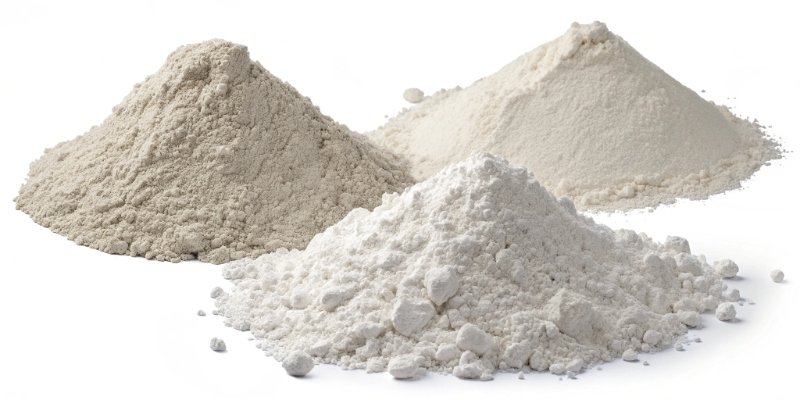
This is where my experience inside the factory becomes really useful. We don’t just have one big pile of aluminum hydroxide. We have many different production lines and processes to create different types for different customers. It all starts with the same raw material, bauxite9, but how we refine and grind it changes everything. For example, to make super-fine powder, we use special ball mills that run for a long time. This process uses more energy and time, so the final product is more expensive. That’s why a customer making water purifiers shouldn’t buy it; they’d be paying for a fineness they don’t need. Conversely, a customer making high-gloss solid surfaces must have that fine, white powder. My job now is to help you navigate these options so you get the best performance for the best price, directly from the source.
A Breakdown of Common Types
| Type | Key Characteristic | Particle Size (D50) | Common Application | My Factory Insight |
|---|---|---|---|---|
| Standard Grade (Wet) | High moisture content | 50-80 μm | Alumina production, Water treatment | This is our most basic and cost-effective product. It’s essentially filtered and washed, but not fully dried. |
| Standard Grade (Dry) | Standard whiteness & particle size | 50-80 μm | Glass, Glazes, Basic fillers | This is the workhorse product. We dry the wet grade to create a versatile powder for many industries. |
| Fine Precipitated | Smaller, uniform particles | 10-20 μm | Artificial marble, Solid surfaces, Fillers | We use a controlled precipitation process to get smaller, more regular crystal sizes. This improves surface finish. |
| Super Fine / Micronized | Very small particles | 1-5 μm | High-end plastics, Flame retardants for wire & cable | This requires advanced grinding technology. The small particles disperse very well in polymers. |
| Surface Treated | Coated particles (e.g., silane) | 1-10 μm | Wire & Cable, Rubber | We add a coating agent during the final process. This makes the powder "bond" better with plastics and rubber. |
Conclusion
In short, choosing the right aluminum hydroxide means matching the technical indicators—like purity, particle size, and whiteness—to your specific industry need. This ensures both product quality and cost-effectiveness.
-
Explore the various applications of aluminum hydroxide to understand its importance in different industries. ↩
-
Find out how whiteness affects the aesthetic and functional properties of aluminum hydroxide. ↩
-
Discover the impact of moisture content on the performance and quality of aluminum hydroxide. ↩
-
Learn about the technology behind laser particle size analysis and its importance in quality control. ↩
-
Learn how fine particle size enhances the performance of aluminum hydroxide in various applications. ↩
-
Learn why a COA is crucial for verifying the quality of aluminum hydroxide products. ↩
-
Explore how ANC relates to the effectiveness of aluminum hydroxide as an antacid. ↩
-
Understand the regulatory standards for heavy metals in aluminum hydroxide for safety. ↩
-
Discover the connection between bauxite and aluminum hydroxide production. ↩

You may also be interested in:

What protective measures should be taken when handling aluminum hydroxide powder in a factory?
Are you worried about worker safety when handling fine powders? Aluminum hydroxide is generally safe, but mishandling its dust can lead to serious respiratory issues and even create explosive conditions.

What are the market trends for aluminum hydroxide in 2026?
Are you planning your 2026 raw material purchases? Volatile markets make it hard. I will share insights from the factory floor to help you make better decisions for your business.
Is aluminum hydroxide toxic and is it harmful to the human body?
Worried about the word "aluminum" in your products? It sounds scary and can make you question its safety. I’m here to clear up the confusion with simple facts. Aluminum hydroxide

What are the side effects of long-term use of stomach medications containing aluminum hydroxide?
Struggling with constant heartburn? Reaching for that stomach medicine might seem like the only option. But what if that relief comes with hidden long-term costs? The most common side effect

Does ingesting aluminum (such as through aluminum hydroxide) cause Alzheimer's disease?
Are you worried that everyday products containing aluminum might be harmful? This fear connects to serious health concerns like Alzheimer’s, making you question what is safe. Let’s look closely. Based

Why do some vaccines contain aluminum hydroxide (aluminum adjuvant)?
Confused about vaccine ingredients? Seeing aluminum hydroxide listed can be unsettling. I’ll explain its crucial role and why it’s there to help your body build strong immunity. Aluminum hydroxide acts

Is the aluminum adjuvant in vaccines safe for infants or adults?
You read about vaccine ingredients and worry. The word "aluminum" sounds scary, especially when talking about babies. But understanding the facts can give you peace of mind. Yes, the aluminum

What environmental problems are generated during the production of aluminum hydroxide?
Worried about environmental compliance in your supply chain? Sourcing from China can be complex. You need a reliable, eco-conscious partner for your aluminum hydroxide needs. The main environmental issue is

Where are China's main aluminum hydroxide production areas?
Are you struggling to find the right aluminum hydroxide supplier in China? This confusion can lead to higher costs and unstable quality, which hurts your business and your reputation. China’s
What is the difference between aluminum hydroxide and aluminum oxide, and how can they be converted into each other?
Are you confused by aluminum hydroxide and aluminum oxide? They look similar but have very different uses. Understanding them helps you buy the right material and save money. The main