
What is the role of adding aluminum hydroxide in ceramic or glass production?
December 9, 2025 by Lee On
Making high-quality ceramics and glass can be tough. High energy costs and defects like bubbles can eat into your profits. A simple additive, aluminum hydroxide, can solve these problems.
Aluminum hydroxide is a key additive for making better ceramics and glass. In ceramics, it acts as a flux to lower firing temperatures, saving energy. In glass, it works as a clarifying agent, improves chemical resistance, and makes processing easier for a clearer, stronger final product.
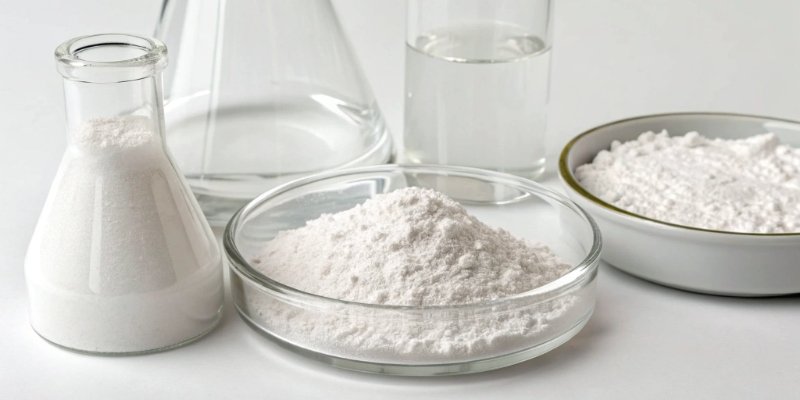
It’s amazing how one simple white powder can do so much for two different industries. Many people know about aluminum hydroxide, but they don’t always understand the specific ways it improves their production process. Let’s break down exactly how this happens and why it matters for your bottom line.
What is the purpose of aluminum hydroxide?
You know aluminum hydroxide is a useful material, but its exact functions can seem unclear. This can lead to inefficient use and missed chances to improve quality and save money.
The main purpose of aluminum hydroxide is to be a very pure source of alumina (Al₂O₃) at high temperatures. It breaks down into alumina and water, providing benefits like flame retardancy, fluxing in ceramics, and clarifying in glass without adding unwanted impurities.
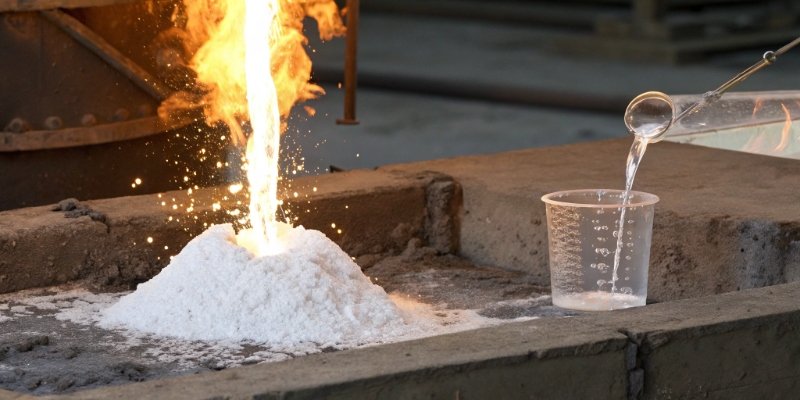
At our factory, we focus on one simple chemical reaction: 2Al(OH)₃ → Al₂O₃ + 3H₂O. When you heat aluminum hydroxide, it turns into alumina1 and steam. This is the secret to its usefulness. The alumina it creates is very pure, which is critical for high-quality products. In my experience, customers use it for two main reasons.
A Tale of Two Industries
In ceramics, it acts as a flux2. Think of it like adding salt to ice on a road; it makes things melt at a lower temperature. This helps other raw materials like quartz and feldspar melt sooner, which saves a lot of energy. For glass, its job is different. It acts as a clarifying agent3. The steam released during heating helps push tiny, trapped bubbles out of the molten glass. This makes the final product much clearer and stronger.
| Feature | Role in Ceramics | Role in Glass |
|---|---|---|
| Primary Function | Fluxing Agent | Clarifying & Stabilizing Agent |
| Key Benefit | Lowers Sintering Temp. | Increases Transparency |
| Byproduct Effect | Reduces Energy Use | Removes Bubbles |
| End Result | Cost Savings | Higher Quality, Clearer Glass |
What is aluminum oxide ceramic used for?
You often hear about "alumina ceramics," but you might not know what they are used for. Not knowing this means you might miss the full value of the raw materials you buy.
Aluminum oxide ceramic, or alumina, is used for products needing extreme hardness, high temperature resistance, and electrical insulation. This includes cutting tools, spark plugs, medical implants like hip replacements, and even bulletproof armor due to its very strong features.
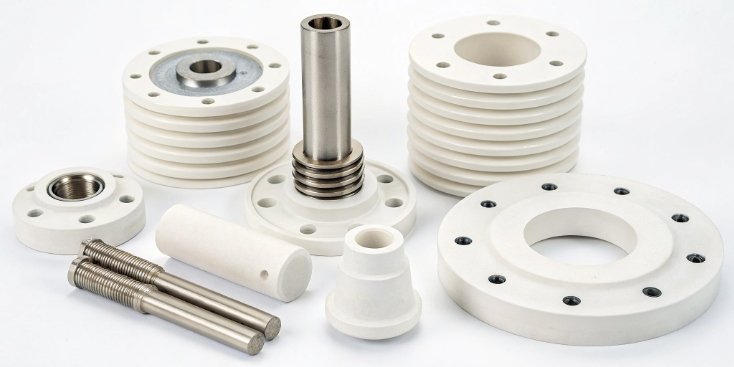
When you buy aluminum hydroxide from us, you are buying the starting material for these advanced products. The aluminum hydroxide is heated to create the pure alumina powder needed for alumina ceramics4. I once visited a customer who makes the big ceramic insulators you see on high-voltage power lines. They told me that the purity of our aluminum hydroxide is the most important factor for them. If the raw material has impurities, the insulators can fail.
From Powder to Powerhouse Products
The reason alumina is used in so many demanding jobs is because of its special properties. It’s incredibly hard, almost as hard as a diamond. It doesn’t conduct electricity, and it can handle very high heat without breaking down. This unique combination makes it perfect for a wide range of high-tech applications.
- Industrial: Its hardness is perfect for cutting tools5 and grinding materials.
- Electrical: Its inability to conduct electricity makes it ideal for insulators.
- Medical: It is biocompatible and wear-resistant, so it’s used for hip joints.
- Defense: Its strength and light weight are used to make modern body armor.
Is NaOH used in the glass industry?
Many different chemicals are used to make glass, but which one is the right one? Using the wrong chemical can add impurities, weaken the glass, and ruin the final product.
Sodium hydroxide (NaOH) is generally not used to make glass. Instead, the industry uses soda ash (sodium carbonate, Na₂CO₃) as the main source of sodium. Sodium acts as a flux, lowering the melting point of silica sand and making the glass easier to work with.
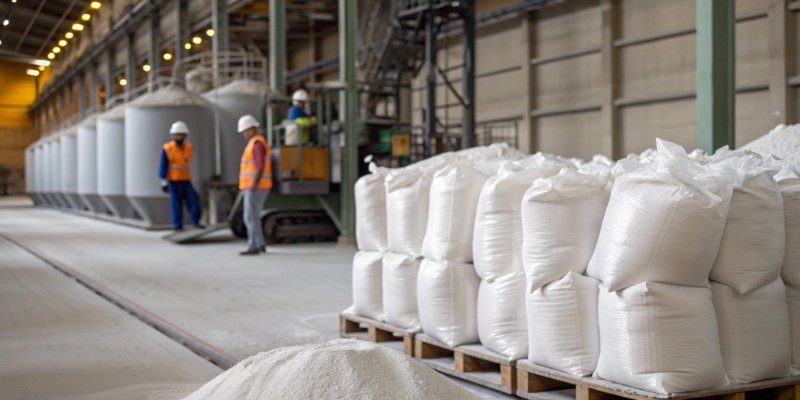
Soda ash is the standard choice because it’s a stable, easy-to-handle powder that does its job well. While it works as a great flux, it doesn’t add much strength to the glass. This is where my product comes in. Adding aluminum hydroxide provides alumina (Al₂O₃) to the glass mixture. Alumina isn’t just another flux. It’s a stabilizer. It makes the glass much stronger and more resistant to chemical attack and temperature changes. It helps prevent the glass from forming unwanted crystals as it cools.
The Right Tool for the Job: Soda Ash vs. Aluminum Hydroxide
You can think of it like this: soda ash6 helps you melt the glass, but alumina helps you make better glass. Many of my clients who make specialty glass, like lab equipment or high-end cookware, rely on the properties that alumina provides. They need both a good flux and a good stabilizer.
| Additive | Chemical Formula | Primary Role | Key Contribution |
|---|---|---|---|
| Soda Ash | Na₂CO₃ | Flux | Lowers Melting Point |
| Aluminum Hydroxide | Al(OH)₃ | Stabilizer/Refiner | Increases Durability & Clarity |
Why is aluminum hydroxide given?
The name "aluminum hydroxide" shows up in both medicine and industry. This can be very confusing. Is it the same chemical? Why is it used for such different purposes?
In medicine, aluminum hydroxide is "given" as an antacid to neutralize stomach acid. In industry, it is "given" or added to materials like ceramics and glass to provide pure alumina (Al₂O₃) when heated, which improves product strength, clarity, and performance.
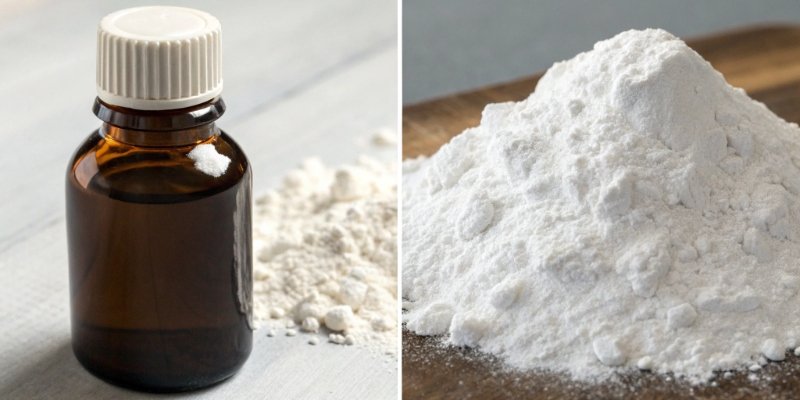
As someone with a background in pharmacology, Mr. Park, you probably know aluminum hydroxide as an active ingredient in antacids. This is a perfect example of how the same chemical can have very different jobs. The key difference is the grade and the required specifications. For medicine, the focus is on purity that is safe for people to consume. For industrial use, we focus on performance. We control things like particle size7, moisture content, and the absence of specific impurities like iron oxide, which can discolor glass and ceramics.
Two Roles, One Chemical: From Antacids to Industrial Additives
So, while the basic chemical is the same, the product is very different. At my factory, we produce industrial-grade aluminum hydroxide. We tailor our production process to meet the strict requirements of manufacturers who need consistent, high-performance results for their products. This ensures that when they add our powder to their mix, they get the exact properties they need every single time.
| Aspect | Medical Grade Al(OH)₃ | Industrial Grade Al(OH)₃ |
|---|---|---|
| Primary Use | Antacid, phosphate binder | Source of Alumina (Al₂O₃) |
| Key Property | Acid neutralization | Thermal decomposition behavior |
| Quality Focus | Biological safety | Particle size, low iron content |
| Industry | Pharmaceuticals | Ceramics, Glass, Plastics |
Conclusion
In short, aluminum hydroxide is a vital industrial additive. It lowers costs and improves quality in ceramics and glass, making it a smart choice for efficient, high-performance production.
-
Explore the significance of alumina in creating high-quality ceramics and glass products. ↩
-
Understand the importance of flux in lowering firing temperatures and improving energy efficiency. ↩
-
Find out how clarifying agents like aluminum hydroxide improve the clarity and strength of glass. ↩
-
Explore the diverse uses of alumina ceramics in various industries and their unique properties. ↩
-
Learn about the advantages of using alumina ceramics in cutting tools for enhanced performance. ↩
-
Understand how soda ash functions as a flux and its importance in the glass-making process. ↩
-
Learn about the significance of particle size in achieving optimal results in industrial applications. ↩

You may also be interested in:

What protective measures should be taken when handling aluminum hydroxide powder in a factory?
Are you worried about worker safety when handling fine powders? Aluminum hydroxide is generally safe, but mishandling its dust can lead to serious respiratory issues and even create explosive conditions.

What Key Technical Indicators Should Be Considered When Purchasing Aluminum Hydroxide?
Are you struggling to find the right aluminum hydroxide for your needs? You might be paying for features you don’t even require. Let’s simplify the technical details. When buying aluminum

What are the market trends for aluminum hydroxide in 2026?
Are you planning your 2026 raw material purchases? Volatile markets make it hard. I will share insights from the factory floor to help you make better decisions for your business.
Is aluminum hydroxide toxic and is it harmful to the human body?
Worried about the word "aluminum" in your products? It sounds scary and can make you question its safety. I’m here to clear up the confusion with simple facts. Aluminum hydroxide

What are the side effects of long-term use of stomach medications containing aluminum hydroxide?
Struggling with constant heartburn? Reaching for that stomach medicine might seem like the only option. But what if that relief comes with hidden long-term costs? The most common side effect

Does ingesting aluminum (such as through aluminum hydroxide) cause Alzheimer's disease?
Are you worried that everyday products containing aluminum might be harmful? This fear connects to serious health concerns like Alzheimer’s, making you question what is safe. Let’s look closely. Based

Why do some vaccines contain aluminum hydroxide (aluminum adjuvant)?
Confused about vaccine ingredients? Seeing aluminum hydroxide listed can be unsettling. I’ll explain its crucial role and why it’s there to help your body build strong immunity. Aluminum hydroxide acts

Is the aluminum adjuvant in vaccines safe for infants or adults?
You read about vaccine ingredients and worry. The word "aluminum" sounds scary, especially when talking about babies. But understanding the facts can give you peace of mind. Yes, the aluminum

What environmental problems are generated during the production of aluminum hydroxide?
Worried about environmental compliance in your supply chain? Sourcing from China can be complex. You need a reliable, eco-conscious partner for your aluminum hydroxide needs. The main environmental issue is

Where are China's main aluminum hydroxide production areas?
Are you struggling to find the right aluminum hydroxide supplier in China? This confusion can lead to higher costs and unstable quality, which hurts your business and your reputation. China’s