The journey from a red rock to a fine white powder seems like magic. Without knowing the process, you can’t truly understand product quality or cost, leaving you vulnerable in negotiations.
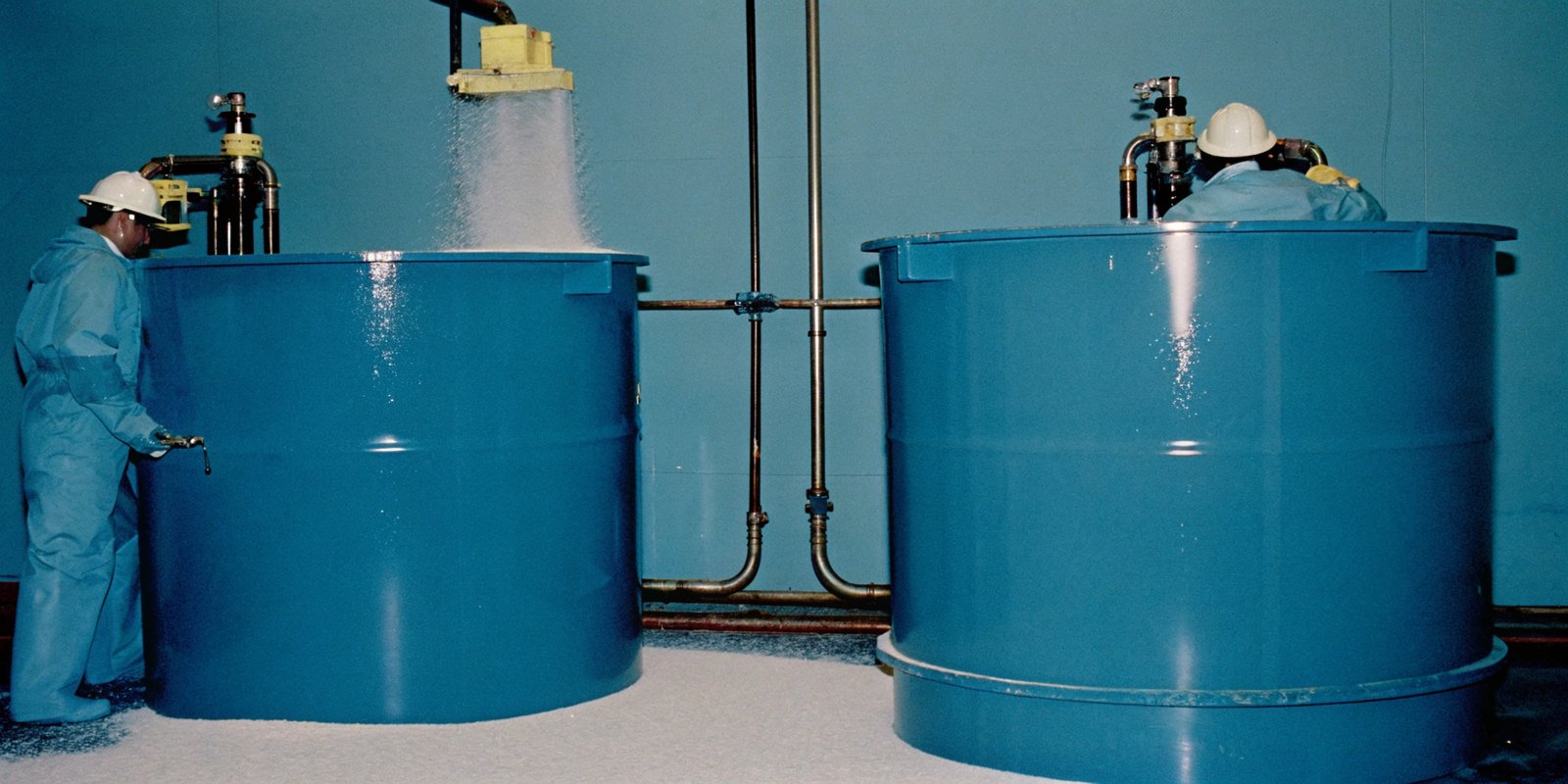
Aluminum hydroxide is manufactured using the Bayer process. This involves crushing bauxite rock and dissolving it in hot caustic soda. The impurities (red mud) are filtered out, and then pure aluminum hydroxide crystals are precipitated from the clear sodium aluminate solution before being washed and dried.
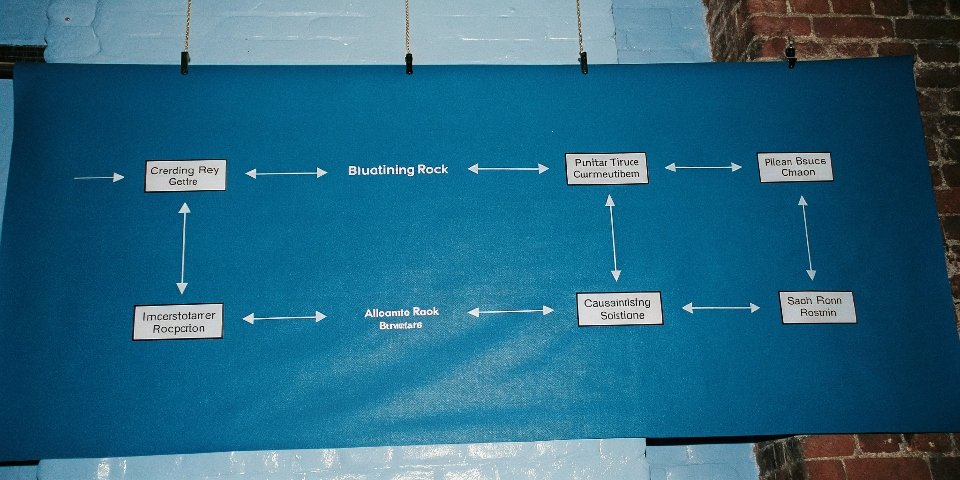
In our plant in Henan, we live and breathe the Bayer process every day. For a discerning buyer like Mr. Park in Korea, understanding these steps isn’t just academic. It directly impacts the purity, particle size1, and consistency of the product he receives for his pharmaceutical applications. This knowledge helps him verify quality and hold his suppliers accountable. Let’s walk through it step-by-step from my perspective as a producer.
How is bauxite rock prepared for extraction?
You can’t just toss a giant rock into a chemical tank. This inefficient approach would waste energy, cause damage, and result in a poor-quality product, frustrating the entire process.
Bauxite is prepared by crushing it and then grinding it in a mill with caustic soda solution to form a fine slurry. A specific blend of different bauxite sources is often used to control the chemical composition.
The preparation phase is all about optimization. It sets the stage for everything that follows.
Grinding for Efficiency
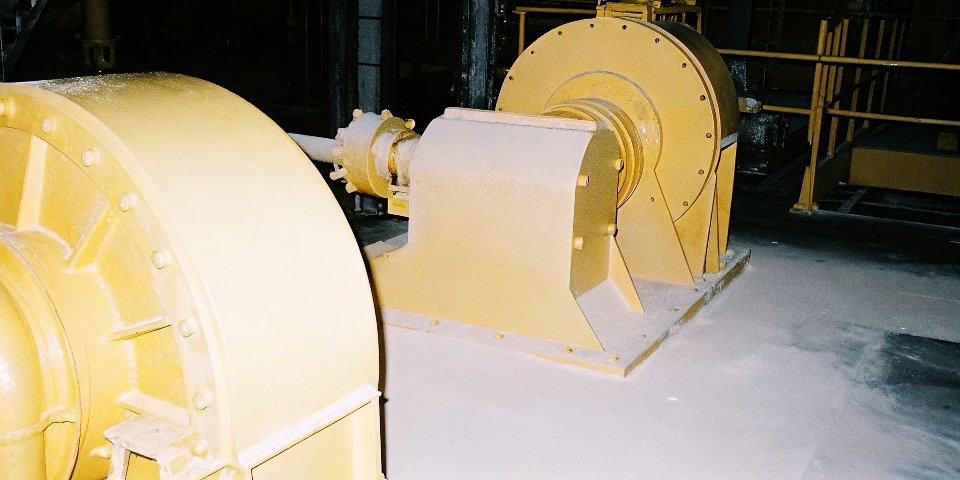
First, we crush the large bauxite rocks into manageable pieces, then feed them into large rotating mills. Inside these mills, the rock is ground into a very fine powder. We do this to maximize the surface area of the bauxite. A fine powder reacts much faster and more completely in the next stage, which saves us energy and time. Think of it like dissolving sugar in tea; a fine grain dissolves much faster than a large cube.
Blending for Quality Control
We rarely use bauxite from a single mine. Instead, we create a specific recipe, blending bauxite from different sources. The most critical factor we control here is the alumina-to-silica (A/S) ratio. Silica is an impurity that reacts with our expensive caustic soda and the alumina, forming a waste product. This locks up valuable aluminum and caustic soda, increasing our costs. By carefully blending bauxites, we maintain a high A/S ratio, which directly leads to higher efficiency and a purer final product for customers like Mr. Park.
| Bauxite Component | Importance in the Process |
|---|---|
| Aluminum Minerals | The valuable material we want to extract. |
| Silica Minerals | An impurity that consumes chemicals and causes losses. |
| Iron Oxides | Mostly inert, becomes the main part of the "red mud." |
What happens during the digestion and clarification stages?
The actual extraction seems like a messy, hidden chemical process. This "black box" stage is where quality can be made or lost, creating uncertainty about the final product’s purity.
The bauxite slurry is "pressure cooked" with hot caustic soda in large vessels called digesters. This dissolves the aluminum minerals into a sodium aluminate solution, leaving the solid impurities (red mud) behind to be filtered out.
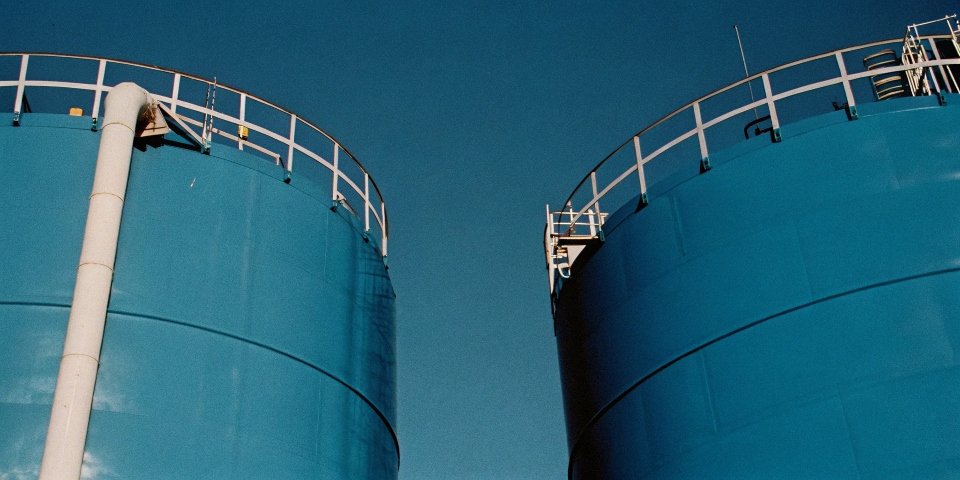
This is the heart of the Bayer process. The ground bauxite slurry is pumped into a series of massive, sealed tanks called digesters. Here, we add more caustic soda2 (NaOH) and increase the temperature and pressure significantly. This potent combination forces the aluminum hydroxide minerals in the bauxite to dissolve into the caustic solution, forming a liquid called sodium aluminate. The simple chemical reaction is: Al(OH)₃ + NaOH → NaAl(OH)₄.
The other parts of the bauxite, primarily iron oxides and the silica compounds, do not dissolve. They remain as solid particles. After the digestion process is complete, the hot slurry is sent to large settling tanks3. We add a chemical called a flocculant4, which makes the fine solid particles clump together and sink to the bottom more quickly. The dark red, solid waste is what we call "red mud." The goal is to produce a perfectly clear, "pregnant" liquor of sodium aluminate on top. Any solid impurities carried over will contaminate the final product, so this separation is absolutely critical for achieving the high purity needed for pharmaceutical or chemical grades.
How is pure aluminum hydroxide precipitated and finished?
You have a clear liquid, but need a solid white powder. Just boiling it dry seems logical but would create a useless, impure mess instead of the specific crystals required for industry.
The hot, clear sodium aluminate solution is cooled in enormous tanks called precipitators. We add tiny "seed" crystals of aluminum hydroxide, which triggers the dissolved alumina to crystallize and precipitate out as pure Al(OH)₃.
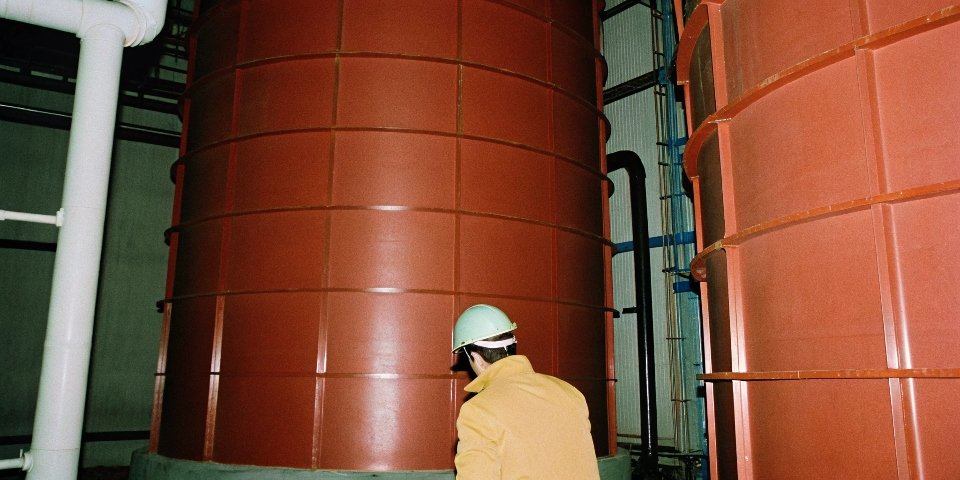
This stage is as much an art as a science. We take the clear, “pregnant” liquor from the previous step and pump it into a series of giant, silo-like tanks that can be several stories high. Here, we carefully control the cooling process.
Seeding for Crystal Control
The most important part of this step is "seeding." We add a charge of very fine, pure aluminum hydroxide crystals to the solution. These seeds act as templates. The aluminum hydroxide dissolved in the solution begins to crystallize around these seeds, causing them to grow. By controlling the temperature, cooling rate, and amount of seed, we can very precisely control the final particle size1 of our product. This is how we produce different grades—a coarse particle for one application, and a very fine, ground particle for another like Mr. Park’s.
Washing and Finishing
Once the crystals have grown to the desired size, the slurry is sent to filters. We separate the solid aluminum hydroxide crystals from the now "spent" caustic soda2 solution, which is recycled back to the beginning of the process. The crystals are then washed thoroughly with hot water to remove any remaining caustic soda. Finally, the wet powder is sent to a dryer. The result is the pure, dry, white powder that we sell as aluminum hydroxide.
What is done with the bauxite residue or red mud?
Every industrial process creates waste. The thought of massive ponds of red mud raises serious environmental questions and could be a reputational risk for anyone in the supply chain.
Bauxite residue, or "red mud," is washed to recover valuable caustic soda. It is then thickened into a paste and stored in specially engineered residue disposal areas (RDAs) to ensure environmental safety.
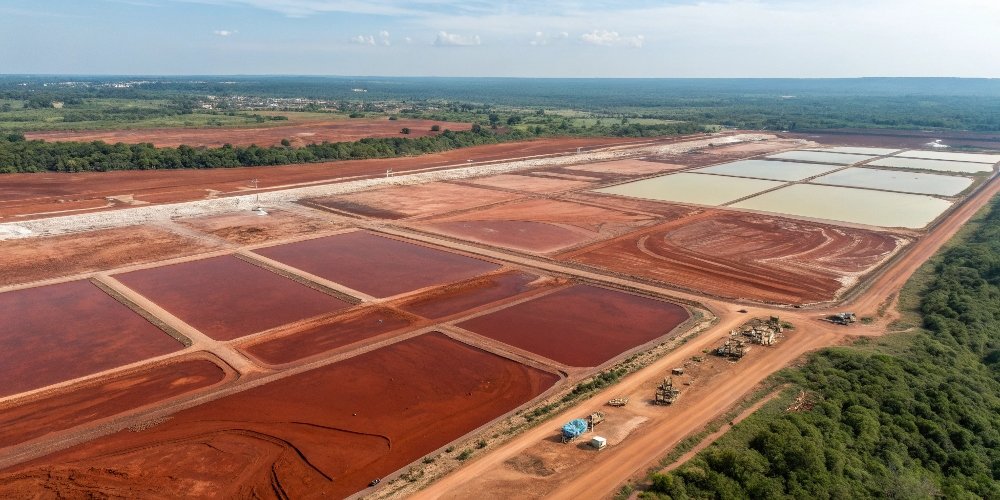
As a responsible producer, managing our residue is one of our most important jobs. For every ton of aluminum hydroxide we make, we produce roughly one ton of red mud5. This residue is primarily iron oxides—the same thing that makes rust red—along with silica and other un-dissolved minerals. The first step in management is recovery. The mud is still full of expensive caustic soda, so we wash it several times with water to recover as much caustic as possible. This is a critical economic step.
After washing, the mud is sent to its final storage location. Modern best practice, which we follow, is "dry stacking." We use thickeners and filters to remove as much water as possible, turning the mud into a thick, paste-like material. This paste is then carefully deposited and compacted in a specially designed and lined storage area. This is much safer than old methods of pumping a liquid slurry into a wet pond, as it reduces the risk of leaks and makes the land easier to rehabilitate in the future. There is also a lot of research into "valorization"—finding uses for red mud in cement, road construction, or iron extraction.
Conclusion
The Bayer process is a sophisticated chemical journey. It transforms bauxite rock into pure aluminum hydroxide through controlled stages of digestion, separation, and precipitation, ensuring consistent product quality.
-
Understand the significance of particle size in determining the suitability of aluminum hydroxide for various applications. ↩ ↩
-
Understand the critical role of caustic soda in extracting aluminum from bauxite. ↩ ↩
-
Understand the function of settling tanks in separating impurities from the aluminum solution. ↩
-
Learn about the role of flocculants in separating impurities during aluminum extraction. ↩
-
Find out about red mud, its environmental impact, and modern management practices. ↩

You may also be interested in:

What protective measures should be taken when handling aluminum hydroxide powder in a factory?
Are you worried about worker safety when handling fine powders? Aluminum hydroxide is generally safe, but mishandling its dust can lead to serious respiratory issues and even create explosive conditions.

What Key Technical Indicators Should Be Considered When Purchasing Aluminum Hydroxide?
Are you struggling to find the right aluminum hydroxide for your needs? You might be paying for features you don’t even require. Let’s simplify the technical details. When buying aluminum

What are the market trends for aluminum hydroxide in 2026?
Are you planning your 2026 raw material purchases? Volatile markets make it hard. I will share insights from the factory floor to help you make better decisions for your business.
Is aluminum hydroxide toxic and is it harmful to the human body?
Worried about the word "aluminum" in your products? It sounds scary and can make you question its safety. I’m here to clear up the confusion with simple facts. Aluminum hydroxide

What are the side effects of long-term use of stomach medications containing aluminum hydroxide?
Struggling with constant heartburn? Reaching for that stomach medicine might seem like the only option. But what if that relief comes with hidden long-term costs? The most common side effect

Does ingesting aluminum (such as through aluminum hydroxide) cause Alzheimer's disease?
Are you worried that everyday products containing aluminum might be harmful? This fear connects to serious health concerns like Alzheimer’s, making you question what is safe. Let’s look closely. Based

Why do some vaccines contain aluminum hydroxide (aluminum adjuvant)?
Confused about vaccine ingredients? Seeing aluminum hydroxide listed can be unsettling. I’ll explain its crucial role and why it’s there to help your body build strong immunity. Aluminum hydroxide acts
Is the aluminum adjuvant in vaccines safe for infants or adults?
You read about vaccine ingredients and worry. The word "aluminum" sounds scary, especially when talking about babies. But understanding the facts can give you peace of mind. Yes, the aluminum

What environmental problems are generated during the production of aluminum hydroxide?
Worried about environmental compliance in your supply chain? Sourcing from China can be complex. You need a reliable, eco-conscious partner for your aluminum hydroxide needs. The main environmental issue is

Where are China's main aluminum hydroxide production areas?
Are you struggling to find the right aluminum hydroxide supplier in China? This confusion can lead to higher costs and unstable quality, which hurts your business and your reputation. China’s