Confused by chemical names and alternatives? Sourcing the right "equivalent" for aluminum hydroxide is critical for your product’s performance and cost, and getting it wrong can be a big problem.
For functional use, the main alternative is magnesium hydroxide. Chemically, its equivalent mass is 26 g/eq. It is also known simply as ATH. It is a very different substance from aluminum metal, which is made from it.
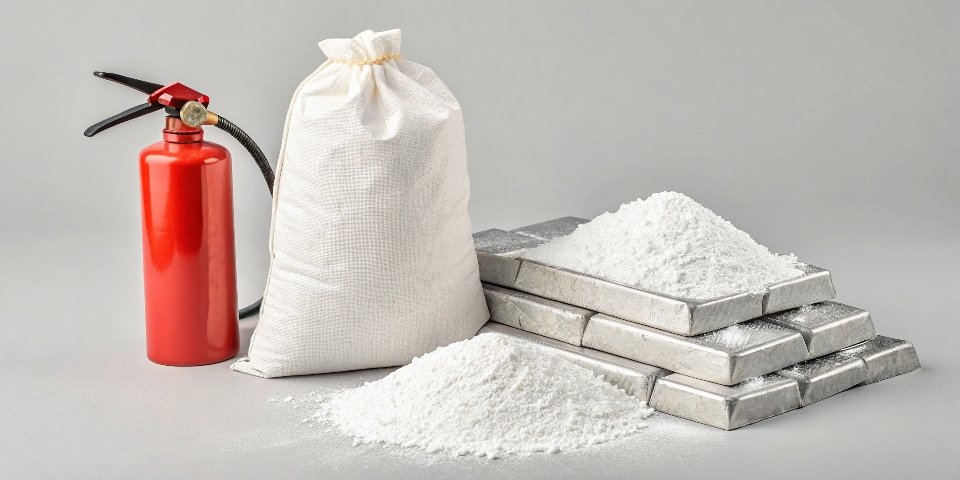
The word "equivalent" can mean many things. For a buyer like Mr. Park in South Korea, it might mean a substitute material, a different name for the same thing, or a specific chemical property for formulating his products. As someone who manages the production of this material, I see this confusion all the time. It’s my job to provide clarity. Let’s look at each of these questions one by one so you know exactly what you are buying and why it’s the right choice for your application.
What is an alternative to aluminium hydroxide?
Your product requires a flame retardant, but you see other options on the market. Choosing the wrong one can lead to failed tests, damaged equipment, or unnecessarily high costs.
For flame retardancy, the main alternative to aluminum hydroxide (ATH) is magnesium hydroxide (MDH). The key difference is their decomposition temperature. MDH is used for plastics that are processed at higher temperatures where ATH would break down prematurely.
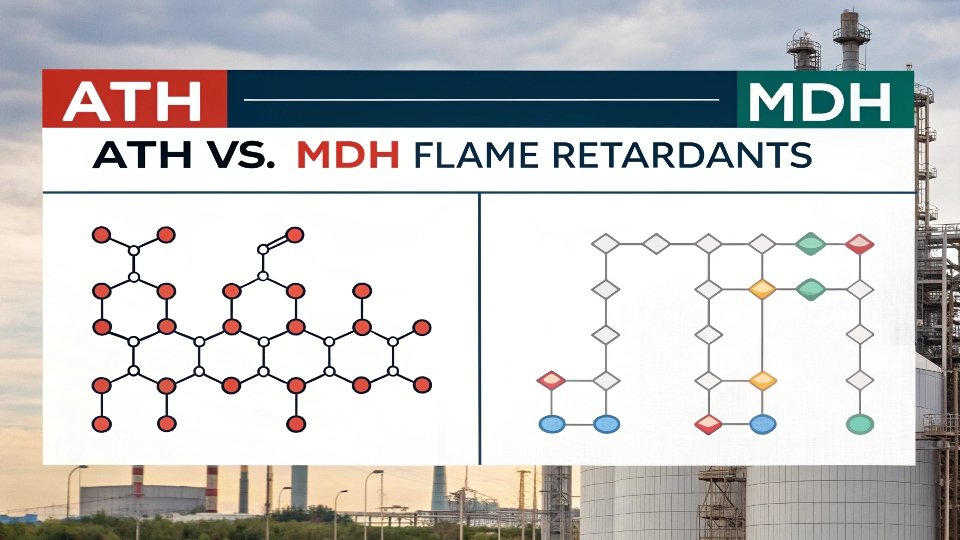
Choosing between ATH and MDH is a technical decision based on your specific needs. Both work the same way: when heated, they release water molecules, which cools the material and dilutes flammable gases. It’s a very effective and environmentally friendly way to prevent fires. However, the temperature at which this happens is the critical factor.
| Feature | Aluminum Hydroxide (ATH) | Magnesium Hydroxide (MDH) |
|---|---|---|
| Decomposition Starts | ~220°C (428°F) | ~330°C (626°F) |
| Main Use | PVC, EVA, Rubber | Polypropylene (PP), Polyamide (PA) |
| Relative Cost | Lower | Higher |
From our factory floor, we see that most of the market uses ATH because it’s very effective for a huge range of applications and is the most cost-effective choice. If your polymer processing temperature is below 200°C, ATH is almost always the superior economic option. You only need to switch to the more expensive MDH if you are working with high-temperature engineering plastics.
What’s another name for aluminum hydroxide?
You see different names on spec sheets and quotes: ATH, hydrated alumina, aluminum trihydrate. This creates confusion and makes you worry if you’re comparing the same product across suppliers.
Yes, aluminum hydroxide has several common names. It is most frequently called ATH (Alumina Trihydrate) in the industry. Other names include hydrated alumina and aluminum trihydrate. These all refer to the exact same chemical compound: Al(OH)₃.
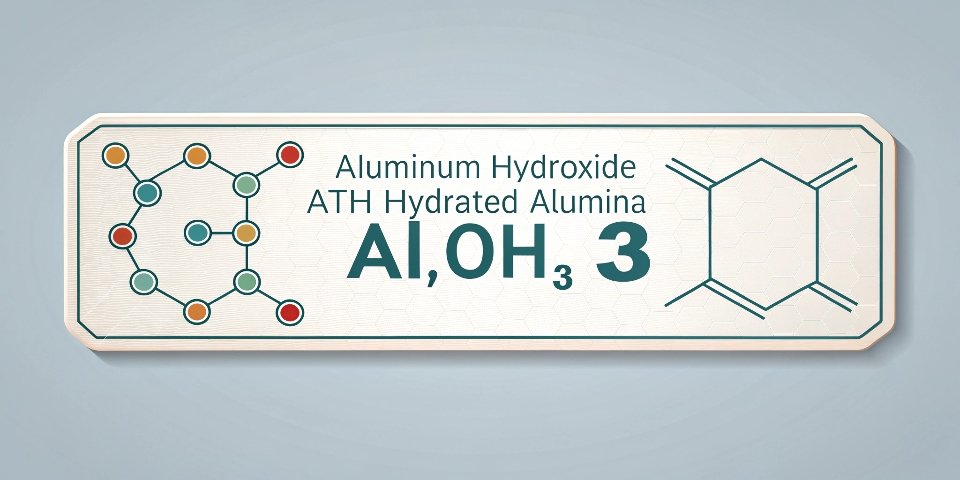
This is a common point of confusion, but the answer is simple. These are all just different ways to describe the same white powder that we produce here in Henan. Let me explain where the names come from. "Aluminum hydroxide" is the proper chemical name. "Aluminum trihydrate" refers to its chemical formula, which shows it has three (tri) hydroxide groups. And ATH, for "Alumina Trihydrate," is the easy industry acronym. I remember a new customer who was very worried because his old supplier sold him "ATH" and we quoted "aluminum hydroxide." He thought they were different grades. I had to personally reassure him that they are the same thing, just like "sodium chloride" is the same as "table salt." An experienced buyer like Mr. Park knows these terms, but it’s a good reminder that clarity is key. We understand all these names and will always supply you with the correct product.
What is the equivalent mass of aluminium hydroxide?
You are using aluminum hydroxide in a precise chemical reaction, like an antacid. Using the wrong amount ruins the batch, wastes materials, and costs you money. This requires understanding its chemical power.
The equivalent mass of aluminum hydroxide is 26 g/eq. This is calculated by dividing its molar mass (approximately 78 g/mol) by its n-factor, which is 3. This value is essential for stoichiometric calculations in chemical applications.
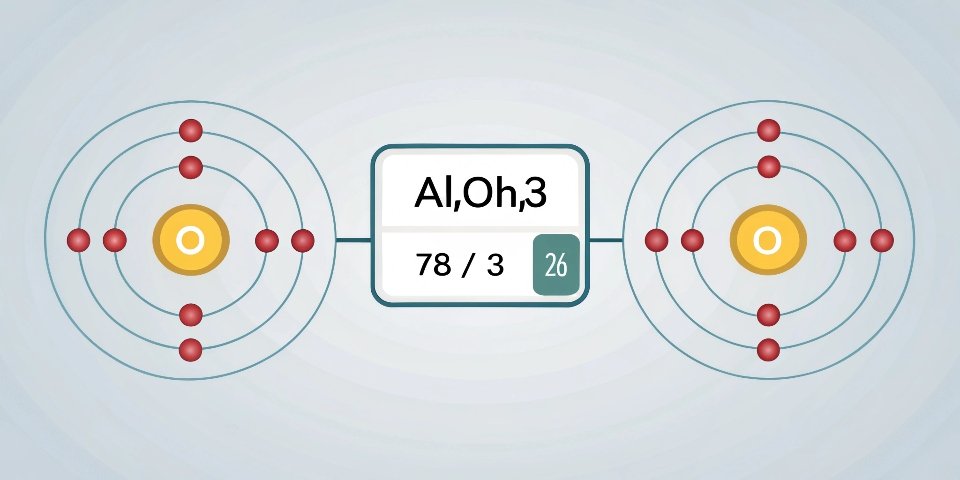
This question is a bit more technical, but it’s very important for applications in pharmaceuticals or water treatment. Here’s a simple breakdown.
- Molar Mass: This is simply the weight of one mole of the substance. For aluminum hydroxide (Al(OH)₃), it’s about 78 grams per mole.
- n-Factor: This represents how many "active" parts a molecule has for a specific reaction. Because aluminum hydroxide can neutralize three acid units (or act as a base with three OH- ions), its n-factor is 3.
- Calculation: Equivalent Mass = Molar Mass / n-Factor. So, for Al(OH)₃, it’s 78 divided by 3, which equals 26.
What does this mean for you? It means that 26 grams of aluminum hydroxide has the same neutralizing power as, for example, 40 grams of sodium hydroxide1 (which has an n-factor of 1). For a buyer with a pharmacology background, understanding this concept is crucial for formulating products like antacid2s accurately and efficiently. It ensures you use the right amount of material to get the job done, no more, no less.
Is aluminium hydroxide the same as aluminium?
You hear "aluminum" in both names, so it’s easy to assume they are similar. This common mistake can lead to asking for the wrong material or misunderstanding its properties and applications.
No, they are completely different substances. Aluminum hydroxide is a chemical compound3—a white powder. Aluminum is an element—a shiny, lightweight metal. You use the powder (aluminum hydroxide) as the raw material to make the metal (aluminum).
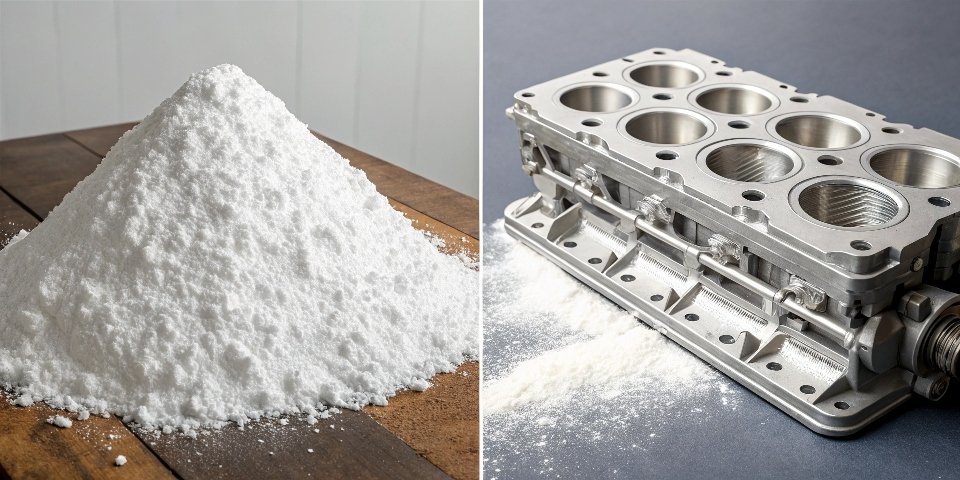
This is the most fundamental distinction, and it’s one of the first things a new worker at my plant learns. Thinking they are the same is like thinking flour is the same as bread. You need the first to make the second. Here at our factory, we produce the "flour"—the pure aluminum hydroxide powder, Al(OH)₃. This powder is then sold for many uses. Some customers use it directly as a flame retardant4 or in antacids. Most of the world’s supply, however, goes to another factory where it is heated to become alumina5 (Al₂O₃), and then smelted with huge amounts of electricity to create the "bread"—the shiny aluminum metal (Al) used for cars, cans, and window frames. They have totally different appearances, properties, and prices. One is a chemical, the other is a metal. Knowing this difference is the first step to sourcing correctly.
Conclusion
Understanding the "equivalent" of aluminum hydroxide means knowing its main alternative (MDH), its various names (ATH), its chemical mass (26 g/eq), and that it is not the same as aluminum metal.
-
Discover the applications of sodium hydroxide and how it compares to aluminum hydroxide in chemical reactions. ↩
-
Explore how antacids function and the role of aluminum hydroxide in neutralizing stomach acid. ↩
-
Understand the definition and significance of chemical compounds, including aluminum hydroxide, in various industries. ↩
-
Explore various flame retardants to find the most effective options for your specific plastic processing needs. ↩
-
Learn about alumina, its production from aluminum hydroxide, and its wide range of applications. ↩

You may also be interested in:

What protective measures should be taken when handling aluminum hydroxide powder in a factory?
Are you worried about worker safety when handling fine powders? Aluminum hydroxide is generally safe, but mishandling its dust can lead to serious respiratory issues and even create explosive conditions.

What Key Technical Indicators Should Be Considered When Purchasing Aluminum Hydroxide?
Are you struggling to find the right aluminum hydroxide for your needs? You might be paying for features you don’t even require. Let’s simplify the technical details. When buying aluminum

What are the market trends for aluminum hydroxide in 2026?
Are you planning your 2026 raw material purchases? Volatile markets make it hard. I will share insights from the factory floor to help you make better decisions for your business.

Is aluminum hydroxide toxic and is it harmful to the human body?
Worried about the word "aluminum" in your products? It sounds scary and can make you question its safety. I’m here to clear up the confusion with simple facts. Aluminum hydroxide

What are the side effects of long-term use of stomach medications containing aluminum hydroxide?
Struggling with constant heartburn? Reaching for that stomach medicine might seem like the only option. But what if that relief comes with hidden long-term costs? The most common side effect

Does ingesting aluminum (such as through aluminum hydroxide) cause Alzheimer's disease?
Are you worried that everyday products containing aluminum might be harmful? This fear connects to serious health concerns like Alzheimer’s, making you question what is safe. Let’s look closely. Based

Why do some vaccines contain aluminum hydroxide (aluminum adjuvant)?
Confused about vaccine ingredients? Seeing aluminum hydroxide listed can be unsettling. I’ll explain its crucial role and why it’s there to help your body build strong immunity. Aluminum hydroxide acts

Is the aluminum adjuvant in vaccines safe for infants or adults?
You read about vaccine ingredients and worry. The word "aluminum" sounds scary, especially when talking about babies. But understanding the facts can give you peace of mind. Yes, the aluminum

What environmental problems are generated during the production of aluminum hydroxide?
Worried about environmental compliance in your supply chain? Sourcing from China can be complex. You need a reliable, eco-conscious partner for your aluminum hydroxide needs. The main environmental issue is

Where are China's main aluminum hydroxide production areas?
Are you struggling to find the right aluminum hydroxide supplier in China? This confusion can lead to higher costs and unstable quality, which hurts your business and your reputation. China’s