What is the difference between flame-retardant aluminum hydroxide and ordinary aluminum hydroxide?
November 19, 2025 by Lee On
Picking the right aluminum hydroxide can be tricky. Using the wrong one might mean failing safety standards or paying too much. Let’s clarify the key differences for you.
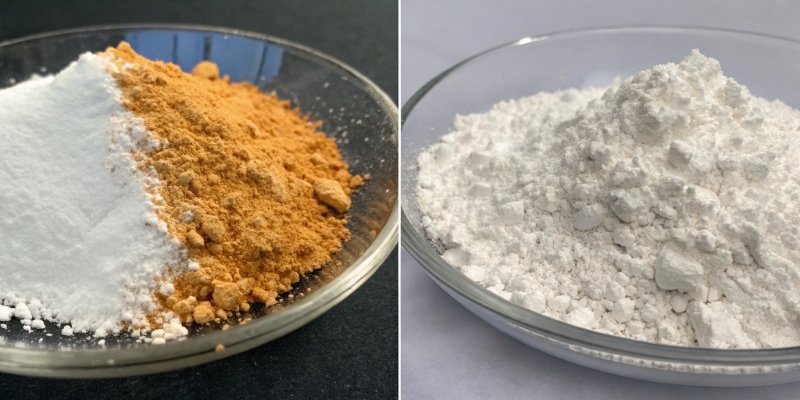
Flame-retardant aluminum hydroxide is specially treated for superior fire safety in high-risk applications. Ordinary aluminum hydroxide has moderate flame retardancy and is used as a general-purpose filler. The main difference is performance and application, which also affects the price.
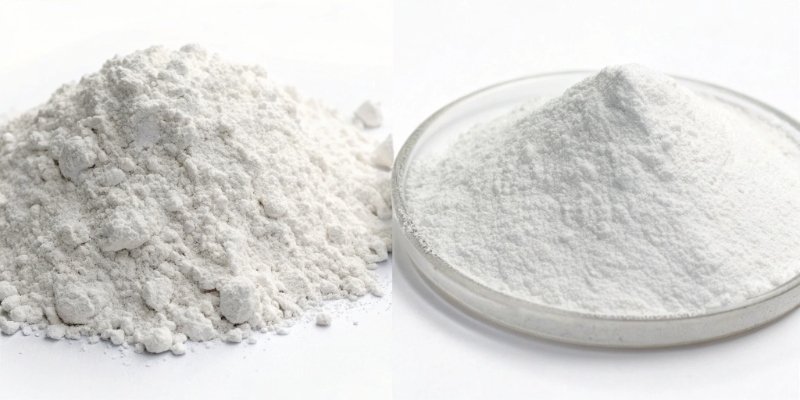
When I first started in this industry, I thought all aluminum hydroxide was the same. A client from the automotive sector taught me a valuable lesson about specifications. The details really matter, especially when safety is on the line. As a source factory, we see how these details impact the final product. So, let’s break it down further so you can make the best choice for your business.
What are the different types of Aluminium hydroxide?
The term aluminum hydroxide seems simple, but it covers many product grades. This can make finding the right material for your production line confusing. Let’s look at the main types.
Aluminum hydroxide is categorized by particle size, purity, and surface treatment. The main types include wet, dry, ground, and surface-modified grades. These are designed for different applications, from fillers in plastics to active ingredients in pharmaceuticals or flame retardants.
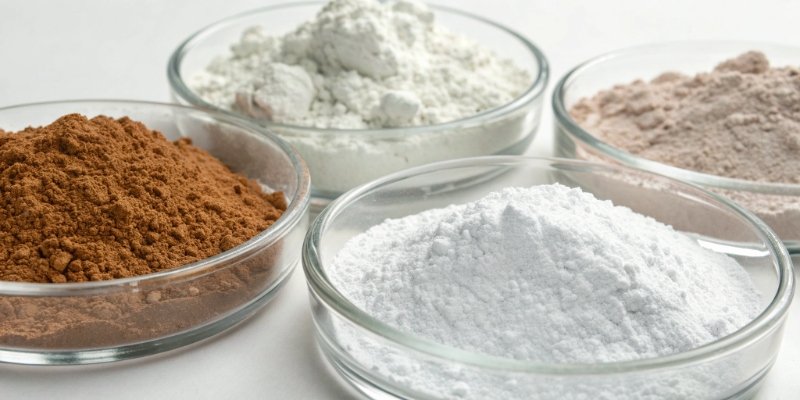
From my experience at our plant, the differences are huge. We produce several grades for various markets. Let’s break them down.
Industrial vs. Pharmaceutical Grade
Industrial grade aluminum hydroxide is our main product. It is used as a filler in plastics, rubber, and coatings. Pharmaceutical grade has extremely high purity1 and is used in antacids. Mr. Park, with your background in pharmacology, you would be very familiar with this high-purity type. The production process and quality control for these two grades are completely different.
Particle Size and Form
The physical form is also very important for performance.
- Wet Gel: This is an intermediate product, often used in other chemical processes.
- Dry Powder: This is the most common form, which is then ground to different fineness levels.
- Ground AH: The particle size2 (measured as D50) is controlled for specific uses. Finer particles work better in some plastics and coatings.
- Precipitated AH: This process creates uniform, fine particles for specialty applications.
Surface-Treated Grades
This is where flame-retardant aluminum hydroxide comes in. We apply a surface coating, often with a silane or stearic acid, to the powder. This treatment improves how it mixes with polymers and boosts its performance. This modification is a key step that distinguishes a standard filler from a high-performance additive.
Is aluminum hydroxide a flame retardant?
Finding a safe and effective flame retardant is a big challenge. Many traditional options release toxic smoke when burned. Aluminum hydroxide provides a halogen-free solution that suppresses fire safely.
Yes, aluminum hydroxide is an excellent flame retardant. When heated, it decomposes and releases water vapor. This process absorbs a large amount of heat and dilutes flammable gases, effectively suppressing smoke and stopping the fire from spreading. It’s a non-toxic, eco-friendly choice.
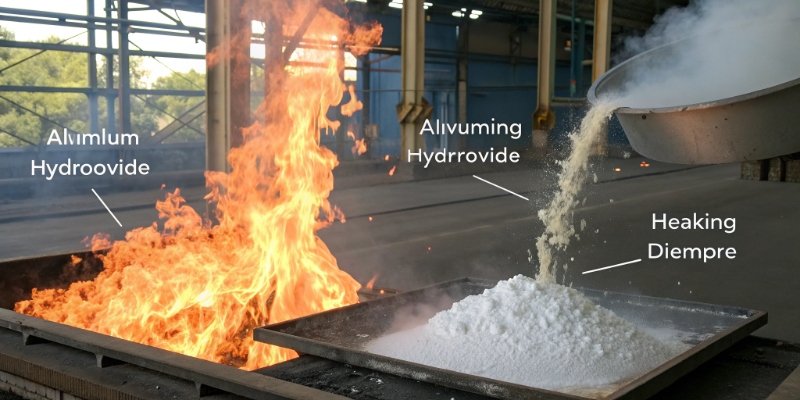
I remember watching a burn test for one of our clients in the cable industry. One plastic sample had our flame-retardant AH, the other didn’t. The difference was incredible. The sample with AH just charred and self-extinguished. The other one went up in flames. This is because of a simple, powerful chemical reaction.
The Flame Retardant Mechanism
When a fire starts and the temperature reaches about 220°C, the aluminum hydroxide begins to break down. This endothermic decomposition works in three ways at once:
| Action | Description | Result |
|---|---|---|
| Cooling Effect | The decomposition process absorbs a lot of heat from the material. | Lowers the material’s temperature |
| Dilution Effect | It releases water vapor (about 34% of its weight). | Dilutes flammable gases and oxygen |
| Barrier Effect | A protective layer of aluminum oxide (alumina) forms on the material’s surface. | Shields the material from heat |
This triple action makes it so effective. It doesn’t just slow the fire; it actively works to put it out and, very importantly, it reduces the amount of harmful smoke. This is why it is preferred in applications like building materials and public transport interiors where smoke is a major hazard.
What is the brand name for aluminum hydroxide?
You might be looking for a single brand name for aluminum hydroxide. This search can be frustrating because it’s not sold like a consumer product. Let’s clarify how it’s identified.
Aluminum hydroxide doesn’t have a single universal brand name. Instead, it’s sold under various trade names by different manufacturers. These names often describe the product’s grade or specific properties, like ‘H-WF-1’ for high whiteness filler or a flame-retardant series name.
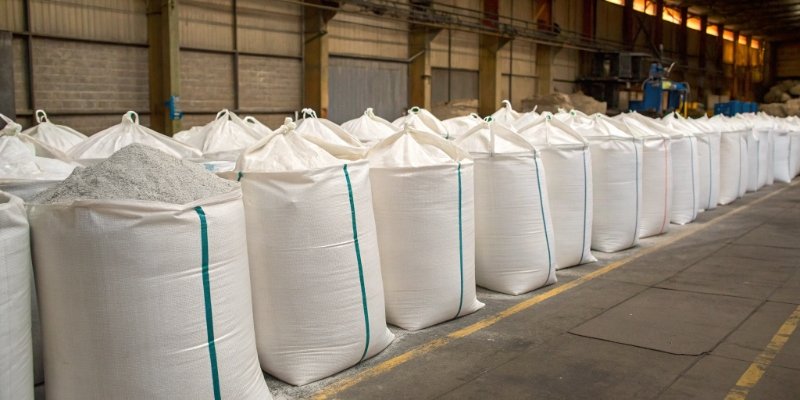
As a factory manager, I deal with product codes, not brand names. When a customer like Mr. Park from Korea sends an inquiry, he is usually very specific. He doesn’t ask for a brand. He provides a specification sheet. That is the correct way to buy industrial chemicals.
Manufacturer Trade Names
Each producer has its own naming system. For example, a company might call its flame-retardant series ‘FireBrake’ or ‘PyroShield’. At our factory, we use a simple alphanumeric code. This code tells our production team everything they need to know.
- CH-325: A standard ground aluminum hydroxide.
- FR-10: A surface-treated Flame Retardant, grade 10.
Focus on Specifications, Not Brands
Instead of searching for a brand, it is much more effective to focus on the Technical Data Sheet (TDS)3. Key parameters like particle size (D50), whiteness, oil absorption, and BET surface area are what truly define the product. When you provide these details, a source factory like ours can match your needs perfectly. Or, we can even customize a product for you. This direct communication is a major benefit of working with a factory.
What are the dangers of aluminum hydroxide?
Hearing the word ‘chemical’ often raises safety concerns. You want to ensure the materials in your facility are safe for employees to handle. Let’s look at the real safety profile.
Aluminum hydroxide is considered a very safe and non-toxic material. It is chemically stable and not classified as hazardous. The main risk is inhaling the fine dust during handling, which can cause respiratory irritation. Using proper personal protective equipment (PPE) easily prevents this.
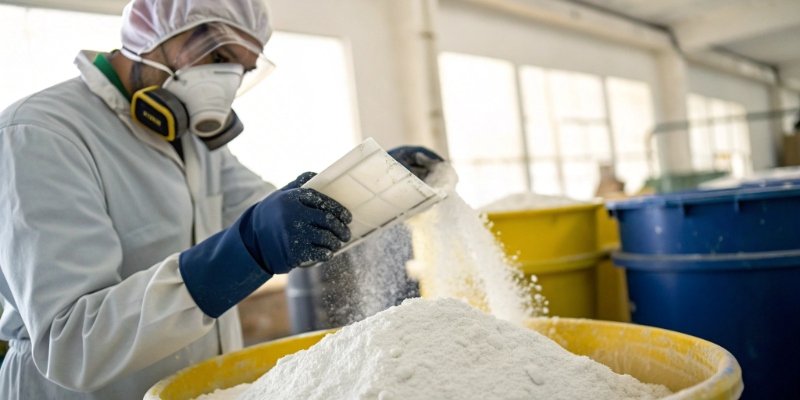
In our factory, safety is the number one priority. We handle tons of aluminum hydroxide every day. Compared to many industrial chemicals, it is one of the safest materials we work with.
Low Chemical Reactivity
It is not flammable, explosive, or corrosive. It is so stable that, as you know from your field, a highly purified version is safe enough to be ingested as an antacid. This says a lot about its fundamental safety. The industrial grade we produce is just as inert and unreactive under normal conditions.
The Main Hazard: Dust Inhalation
The only real operational hazard is airborne dust. Like any fine powder, inhaling it can irritate the lungs over time. This is not a unique danger to aluminum hydroxide. It is common for any fine mineral powders.
Safe Handling Practices
We control this risk with simple and effective measures, and we recommend our customers do the same:
- Ventilation: Use good airflow and dust collection systems in production and packing areas.
- PPE: All workers handling the powder must wear appropriate dust masks and gloves.
By following the guidelines on the Safety Data Sheet (SDS), handling aluminum hydroxide is a very low-risk activity for your team.
Conclusion
In short, flame-retardant AH is a performance-enhanced product for high-safety needs, while ordinary AH is a versatile filler. Choosing correctly depends on your specific application and requirements.
-
Find out why purity levels are crucial for specific applications, especially in pharmaceuticals. ↩
-
Discover the significance of particle size in determining the effectiveness of aluminum hydroxide in various uses. ↩
-
Explore the key parameters listed in a TDS that help in selecting the right aluminum hydroxide product. ↩

You may also be interested in:

What protective measures should be taken when handling aluminum hydroxide powder in a factory?
Are you worried about worker safety when handling fine powders? Aluminum hydroxide is generally safe, but mishandling its dust can lead to serious respiratory issues and even create explosive conditions.

What Key Technical Indicators Should Be Considered When Purchasing Aluminum Hydroxide?
Are you struggling to find the right aluminum hydroxide for your needs? You might be paying for features you don’t even require. Let’s simplify the technical details. When buying aluminum

What are the market trends for aluminum hydroxide in 2026?
Are you planning your 2026 raw material purchases? Volatile markets make it hard. I will share insights from the factory floor to help you make better decisions for your business.
Is aluminum hydroxide toxic and is it harmful to the human body?
Worried about the word "aluminum" in your products? It sounds scary and can make you question its safety. I’m here to clear up the confusion with simple facts. Aluminum hydroxide

What are the side effects of long-term use of stomach medications containing aluminum hydroxide?
Struggling with constant heartburn? Reaching for that stomach medicine might seem like the only option. But what if that relief comes with hidden long-term costs? The most common side effect

Does ingesting aluminum (such as through aluminum hydroxide) cause Alzheimer's disease?
Are you worried that everyday products containing aluminum might be harmful? This fear connects to serious health concerns like Alzheimer’s, making you question what is safe. Let’s look closely. Based

Why do some vaccines contain aluminum hydroxide (aluminum adjuvant)?
Confused about vaccine ingredients? Seeing aluminum hydroxide listed can be unsettling. I’ll explain its crucial role and why it’s there to help your body build strong immunity. Aluminum hydroxide acts

Is the aluminum adjuvant in vaccines safe for infants or adults?
You read about vaccine ingredients and worry. The word "aluminum" sounds scary, especially when talking about babies. But understanding the facts can give you peace of mind. Yes, the aluminum

What environmental problems are generated during the production of aluminum hydroxide?
Worried about environmental compliance in your supply chain? Sourcing from China can be complex. You need a reliable, eco-conscious partner for your aluminum hydroxide needs. The main environmental issue is

Where are China's main aluminum hydroxide production areas?
Are you struggling to find the right aluminum hydroxide supplier in China? This confusion can lead to higher costs and unstable quality, which hurts your business and your reputation. China’s