
What is the difference between aluminum hydroxide and aluminum oxide, and how can they be converted into each other?
December 12, 2025 by Lee On
Are you confused by aluminum hydroxide and aluminum oxide? They look similar but have very different uses. Understanding them helps you buy the right material and save money.
The main difference is water. Aluminum hydroxide (Al(OH)₃) contains water and decomposes with heat, making it an excellent flame retardant. Aluminum oxide (Al₂O₃) is water-free, extremely hard, and heat-resistant, perfect for making ceramics, abrasives, and refractories.
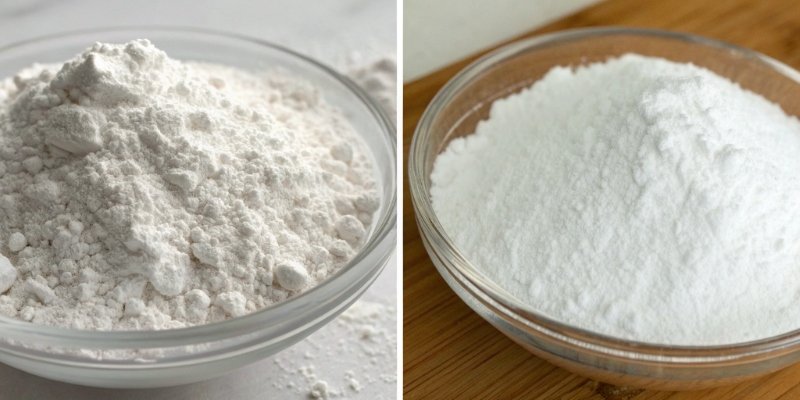
As someone who has managed production in an aluminum hydroxide1 plant for years, I see this confusion often. Buyers, even experienced ones like Mr. Park in Korea, need to know exactly what they are sourcing. A simple mix-up can lead to major issues in the final product. One is the raw material for the other, but their applications are worlds apart. Let’s break down these differences so you can make informed decisions for your business.
What is the difference between aluminum oxide and hydroxide?
Choosing the wrong white powder can be a costly mistake. Their names sound alike, but their properties are not. Let’s look closely at what separates them.
Aluminum hydroxide contains water in its crystal structure and is softer. It’s used for flame retardants. Aluminum oxide has no water, is one of the hardest materials available, and is used for high-temperature applications like furnace linings and tough abrasives.
Here at my plant, we start with aluminum hydroxide. It is the foundation. But by applying heat, we transform it into something completely different. To give you a clear picture, I’ve created a simple table based on my production experience.
Core Differences
| Feature | Aluminum Hydroxide (Al(OH)₃) | Aluminum Oxide (Al₂O₃) |
|---|---|---|
| Chemical Makeup | Contains chemically bonded water (OH⁻ ions). | A pure, water-free oxide. |
| Physical Properties | Softer white powder, decomposes around 300°C. | Extremely hard white powder, melts at 2054°C. |
| Chemical Nature | Amphoteric hydroxide. Reacts with both acids and strong bases. | Amphoteric oxide. Very stable and chemically resistant. |
| Main Use | Flame retardant, water treatment2, antacids3. | Refractories, ceramics, abrasives, battery separators. |
The key takeaway is the role of water. For aluminum hydroxide, the bonded water is its special feature. When heated, it releases this water as steam. This reaction absorbs a lot of heat and dilutes flammable gases, which is why it stops fires. For aluminum oxide4, the absence of water and its strong crystal structure give it incredible strength and heat resistance. It provides stability where the hydroxide provides reactivity.
How is aluminum oxide turned into aluminum?
You have the raw material, aluminum oxide, but how do you get the final metal? This oxide is incredibly stable and hard to break. A special, power-hungry process is required.
Aluminum oxide is converted into aluminum metal using the Hall-Héroult process. The oxide is dissolved in molten cryolite, and a powerful electric current is passed through the mixture. This electrolysis separates the pure aluminum metal from the oxygen.
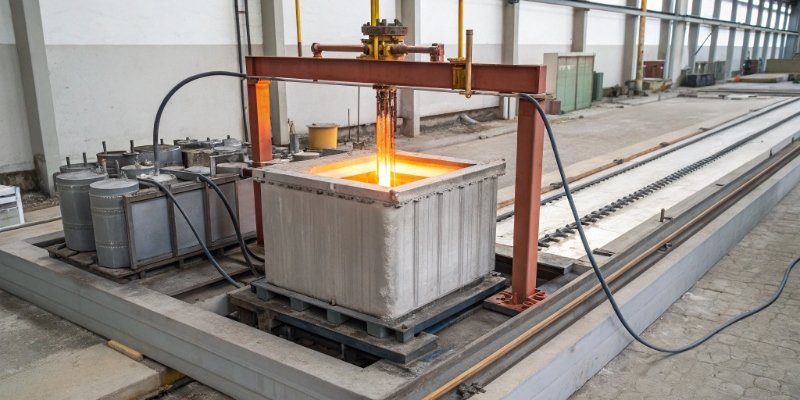
While our factory focuses on producing the hydroxide and oxide, we are the first step in the global aluminum supply chain. Understanding the final step is important. The Hall-Héroult process5, invented in the 1880s, is still the only way we make primary aluminum today.
The Hall-Héroult Process Explained
The process has two critical stages.
-
Dissolving the Oxide: Aluminum oxide’s melting point is over 2000°C. Reaching this temperature on an industrial scale is not practical. So, smelters6 dissolve the aluminum oxide powder into molten cryolite7 (Na₃AlF₆). This mixture melts at a much more manageable temperature, around 950°C.
-
Electrolysis: Once the oxide is dissolved, huge carbon blocks called anodes are lowered into the liquid. A very strong electric current flows from the anodes, through the cryolite mixture, to the carbon-lined cell pot, which acts as the cathode. This electricity is powerful enough to break the strong aluminum-oxygen bonds. The liquid aluminum metal is heavier than the cryolite mixture, so it sinks to the bottom of the pot, where it is siphoned off. The oxygen reacts with the carbon anodes, creating carbon dioxide gas. This process uses a massive amount of electricity, which is why aluminum smelters are often located near large power plants.
What is the difference between oxides and hydroxides?
Technical terms like ‘oxide’ and ‘hydroxide’ can be confusing for buyers. This is not just about aluminum. Understanding this basic concept helps you evaluate many different chemical products.
An oxide is a compound containing at least one oxygen atom bonded to another element. A hydroxide is a compound containing a hydroxyl (-OH) group, which is an oxygen atom bonded to a hydrogen atom. Hydroxides often release this group in water.
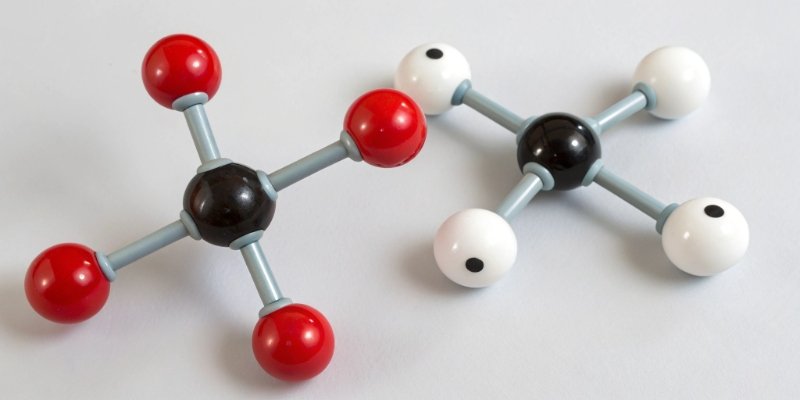
This chemical difference is fundamental. It explains why the properties of two related materials can be so far apart. The presence or absence of that single hydrogen atom changes everything. Let’s compare them more broadly, using other metals as examples.
Oxygen vs. The Hydroxyl Group
The pattern you see with aluminum is common with many other metals. A metal hydroxide can often be heated to drive off water, leaving behind the metal oxide.
| Feature | Oxide | Hydroxide |
|---|---|---|
| Key Chemical Group | Oxygen anion (O²⁻) | Hydroxyl anion (OH⁻) |
| Typical Formation | Direct reaction with oxygen (like burning or rust). | Reaction of an oxide with water or precipitation from a solution. |
| Example (Iron) | Iron Oxide (Fe₂O₃), which we know as rust. | Iron Hydroxide (Fe(OH)₃), a reddish-brown precipitate. |
| Example (Sodium) | Sodium Oxide (Na₂O), a highly reactive powder. | Sodium Hydroxide (NaOH), a strong base used in cleaners. |
An oxide is often the more stable, "final" form of a mineral after it has been exposed to high heat. A hydroxide is an intermediate form that still contains water. For us in the industry, this means hydroxides are often starting materials, while oxides are used for applications that demand high thermal and chemical stability.
What is aluminium hydroxide?
You need an additive that is versatile, effective, and safe. Many white powders are available on the market. Let me properly introduce you to aluminum hydroxide, our main product.
Aluminum hydroxide, with the chemical formula Al(OH)₃, is a multifunctional white powder. It is primarily known as a non-toxic, halogen-free flame retardant and smoke suppressant. It is also used in medicine as an antacid and in water purification.
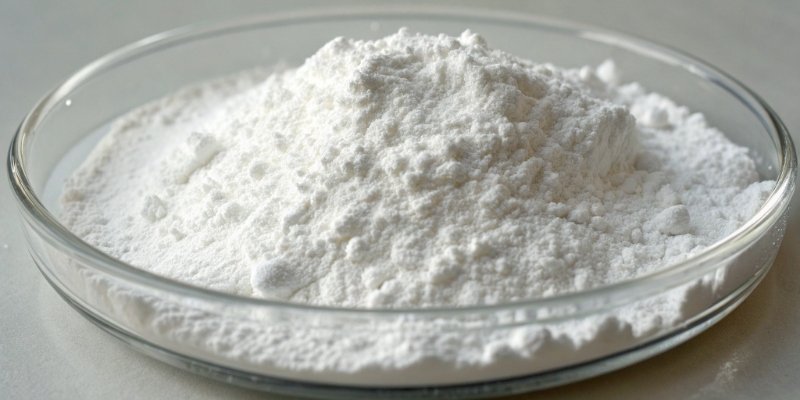
At our facility in Henan, we specialize in producing aluminum hydroxide. We have spent years perfecting our methods to control its purity and particle size for different customers. It’s more than just a simple white powder; it’s a highly engineered material.
How It Works as a Flame Retardant
This is the largest application. When a material containing aluminum hydroxide is heated by a fire, a three-stage protective process begins.
- Cooling: The compound starts to decompose. This decomposition reaction is endothermic, meaning it absorbs heat energy from its surroundings. This cools the material down, slowing its combustion.
- Dilution: The decomposition releases water vapor (steam). This steam dilutes the flammable gases being produced by the burning material, reducing their concentration below the point of ignition.
- Barrier Formation: After all the water is released, a layer of aluminum oxide (alumina) is left behind. This alumina layer acts as a heat-resistant barrier, further insulating the material from the fire.
Its Role in Medicine and Other Industries
In the pharmaceutical field, aluminum hydroxide is an effective antacid. Because it is amphoteric, it can safely neutralize excess stomach acid (HCl) without making the stomach environment too alkaline. It is also used to purify drinking water, where it acts as a flocculant, gathering impurities together so they can be easily filtered out.
Conclusion
Aluminum hydroxide and oxide are chemically related but have very different properties and uses. Understanding this helps you source the right material for your pharmaceutical or industrial needs.
-
Explore the diverse applications of aluminum hydroxide, from flame retardants to water purification. ↩
-
Discover the role of aluminum hydroxide in purifying drinking water. ↩
-
Learn about the effectiveness of aluminum hydroxide in neutralizing stomach acid. ↩
-
Learn about the various industrial applications of aluminum oxide, including ceramics and abrasives. ↩
-
Understand the critical steps in the Hall-Héroult process and its significance in aluminum manufacturing. ↩
-
Learn about the function of smelters in the aluminum production process and their importance. ↩
-
Discover how cryolite is used in the aluminum smelting process and its importance. ↩

You may also be interested in:

What protective measures should be taken when handling aluminum hydroxide powder in a factory?
Are you worried about worker safety when handling fine powders? Aluminum hydroxide is generally safe, but mishandling its dust can lead to serious respiratory issues and even create explosive conditions.

What Key Technical Indicators Should Be Considered When Purchasing Aluminum Hydroxide?
Are you struggling to find the right aluminum hydroxide for your needs? You might be paying for features you don’t even require. Let’s simplify the technical details. When buying aluminum

What are the market trends for aluminum hydroxide in 2026?
Are you planning your 2026 raw material purchases? Volatile markets make it hard. I will share insights from the factory floor to help you make better decisions for your business.

Is aluminum hydroxide toxic and is it harmful to the human body?
Worried about the word "aluminum" in your products? It sounds scary and can make you question its safety. I’m here to clear up the confusion with simple facts. Aluminum hydroxide

What are the side effects of long-term use of stomach medications containing aluminum hydroxide?
Struggling with constant heartburn? Reaching for that stomach medicine might seem like the only option. But what if that relief comes with hidden long-term costs? The most common side effect

Does ingesting aluminum (such as through aluminum hydroxide) cause Alzheimer's disease?
Are you worried that everyday products containing aluminum might be harmful? This fear connects to serious health concerns like Alzheimer’s, making you question what is safe. Let’s look closely. Based

Why do some vaccines contain aluminum hydroxide (aluminum adjuvant)?
Confused about vaccine ingredients? Seeing aluminum hydroxide listed can be unsettling. I’ll explain its crucial role and why it’s there to help your body build strong immunity. Aluminum hydroxide acts

Is the aluminum adjuvant in vaccines safe for infants or adults?
You read about vaccine ingredients and worry. The word "aluminum" sounds scary, especially when talking about babies. But understanding the facts can give you peace of mind. Yes, the aluminum

What environmental problems are generated during the production of aluminum hydroxide?
Worried about environmental compliance in your supply chain? Sourcing from China can be complex. You need a reliable, eco-conscious partner for your aluminum hydroxide needs. The main environmental issue is

Where are China's main aluminum hydroxide production areas?
Are you struggling to find the right aluminum hydroxide supplier in China? This confusion can lead to higher costs and unstable quality, which hurts your business and your reputation. China’s