
Worried about what happens to aluminum hydroxide at high temperatures? This uncertainty can affect your product’s safety and performance. Let’s clear up any confusion you might have.
When you heat aluminum hydroxide, it doesn’t melt. Instead, it undergoes a clean decomposition. It breaks down into two safe and stable compounds: aluminum oxide (alumina) and simple water vapor. This process is predictable and controlled.
Understanding this simple reaction is the first step. But as a buyer, you probably have more specific questions. You likely want to know about exact temperatures, safety, and the final products you get. I work with this material every day at my production plant. So, let’s look at the details you really need to know to make the best purchasing decisions.
What happens when you heat aluminum hydroxide?
You need to know the exact process, not just the final result. Misunderstanding this reaction can lead to production issues. I will explain the step-by-step transformation for you.
Heating aluminum hydroxide triggers a chemical decomposition. It is an endothermic process, which means it absorbs a lot of heat. This energy absorption causes it to break apart into aluminum oxide and water vapor, rather than melting or burning.
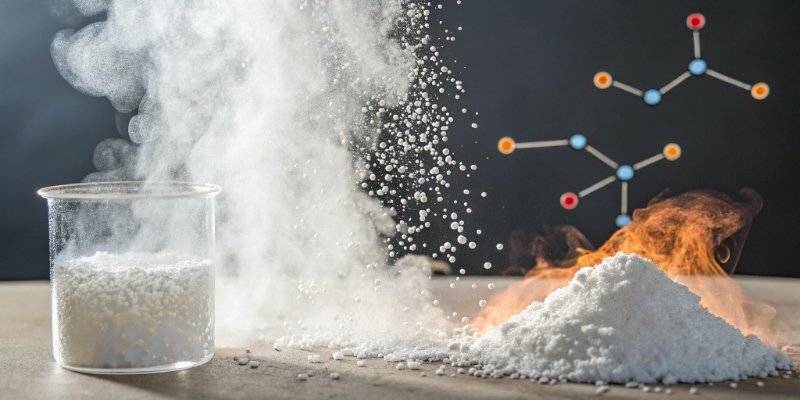
The process of heating aluminum hydroxide1 is a chemical transformation, not just a physical one. From my experience managing our production lines, controlling this reaction is everything. Let’s dive deeper into what is actually happening.
The Chemical Transformation Explained
The reaction follows a clear chemical equation: 2Al(OH)₃ → Al₂O₃ + 3H₂O. Let’s break this down in simple terms. For every two units of aluminum hydroxide you start with, the heat breaks the chemical bonds2. This creates one unit of a very stable material called aluminum oxide3 and three units of water, which are released as steam. It’s a clean separation. The aluminum, oxygen, and hydrogen atoms just rearrange themselves into new, more stable molecules. There are no strange or unexpected byproducts.
Why It Cools Things Down
This process is endothermic, meaning it needs to absorb energy to happen. This property is incredibly useful. When aluminum hydroxide is included in a material like plastic or rubber and that material catches fire, the heat from the fire fuels the decomposition. The reaction literally pulls heat out of its surroundings to break itself down. This creates a cooling effect that slows the spread of the fire. The water vapor that is released also helps to dilute the flammable gases. It acts as a fire suppressant4. This is why we have so many customers in the cable and construction industries. They depend on this specific reaction for safety.
At what temperature does Al(OH)3 decompose?
Guessing the decomposition temperature is risky for your application. Using the wrong temperature profile can ruin a batch or create an inefficient process. Let’s define the exact temperature range.
Aluminum hydroxide begins to decompose at around 200°C (392°F). The reaction becomes most significant above 300°C (572°F). The exact temperature can change a little. It depends on factors like the material’s purity and particle size.
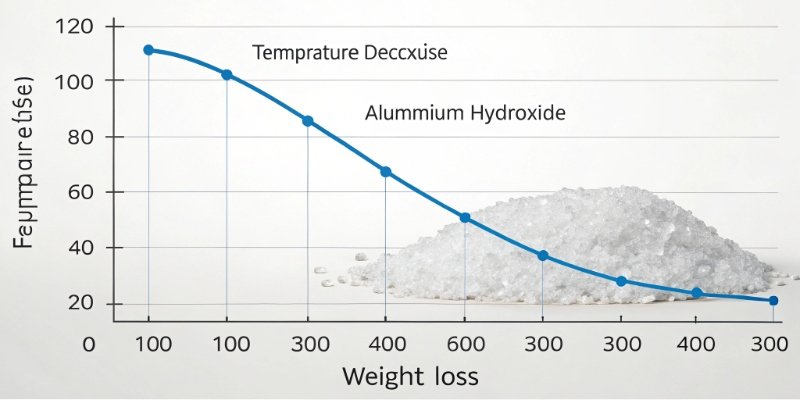
The decomposition of aluminum hydroxide does not happen all at once. It is a gradual process that occurs over a range of temperatures. As a source factory, we pay close attention to these stages because it determines the quality of the final product our customers can make.
The Decomposition Stages
The breakdown happens in phases as the temperature rises. Think of it as a multi-step journey, not a single event. Understanding these stages is key for anyone using this process to manufacture alumina.
| Temperature Range | Process | Result |
|---|---|---|
| ~200°C – 300°C | Initial decomposition starts | Gradual release of surface and bound water |
| 300°C – 500°C | Major decomposition | Rapid conversion to Alumina (Al₂O₃) and water vapor |
| >1000°C | Phase transition | Alumina converts to more stable forms like α-alumina |
At our plant, we carefully control our furnace temperatures during quality checks. This control is critical. Some of our customers need to produce a specific type of alumina, for example, for use in polishing compounds. The abrasiveness of that alumina is directly connected to the calcination temperature we advise. A lower temperature might result in a softer alumina, while a very high temperature creates a much harder, more crystalline form. It all starts with the quality and properties of the initial aluminum hydroxide.
At what temperature does aluminum release toxic fumes?
Safety is your top priority, and it is mine as well. You hear "aluminum" and might worry about toxic fumes at high heat. This concern is valid for some materials, but let’s look at the facts for aluminum hydroxide.
Aluminum hydroxide is very safe. When heated, it decomposes into non-toxic aluminum oxide and harmless water vapor. It does not release any toxic fumes. In contrast, metallic aluminum can release fumes, but only at very high temperatures.
Many people confuse aluminum hydroxide with the aluminum metal used in everyday products. This confusion can cause unnecessary safety concerns5. As someone who has managed the handling of thousands of tons of this material, I can assure you of its safety profile.
Aluminum Hydroxide vs. Metallic Aluminum
It is crucial to understand the difference between these two materials. Aluminum hydroxide, Al(OH)₃, is a stable mineral compound. It is a white powder, and the aluminum in it is already oxidized. It is not metallic or reactive in the same way as pure aluminum. When you heat it, you are simply removing the water (H₂O) groups that are attached to it.
Metallic aluminum, Al, is the shiny metal you see in kitchen foil or car parts. This metal will melt at 660°C (1220°F). If you heat it much higher, close to its boiling point of 2470°C (4478°F), it can vaporize and create fumes. But this is a completely different material and process. Aluminum hydroxide does not contain any free metal. Mr. Park, with your background in pharmacology, you understand that the chemical form of an element changes its properties entirely. The stability of aluminum hydroxide is why it’s even used as an excipient in some medicines.
When aluminium hydroxide is heated strongly, what is formed?
You need a specific final product from your heating process. Any other result is a waste of time and material. Let’s confirm exactly what you get when you heat aluminum hydroxide strongly.
When you heat aluminum hydroxide strongly, the final solid product is aluminum oxide, also known as alumina (Al₂O₃). The other product is water, which escapes as steam. This highly stable alumina is a valuable industrial material itself.
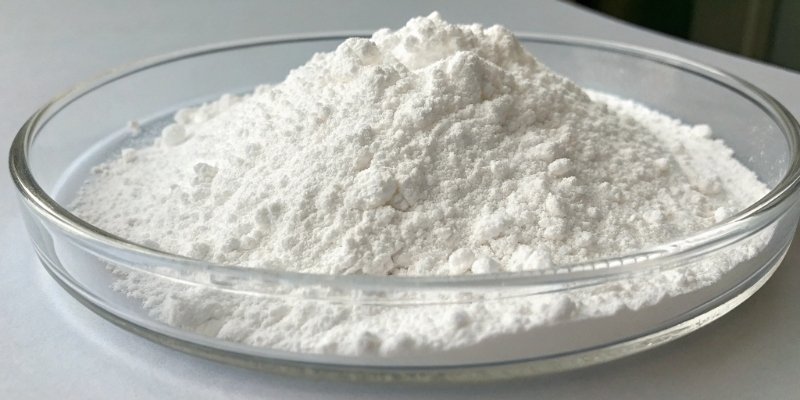
The goal of heating aluminum hydroxide is often to produce this very useful white powder. The purity of the starting aluminum hydroxide directly determines the purity of the final alumina. This is why our customers who produce high-tech ceramics or electronics are so focused on our product specifications.
The Final Product: Aluminum Oxide (Alumina)
Aluminum oxide, or alumina, is the solid material left behind after all the water has been driven off. It is an amazing material. It is extremely hard, has a very high melting point (over 2000°C), and is chemically very stable. It doesn’t react with most acids or alkalis. This durability makes it perfect for tough jobs.
Applications of the Final Product
Because of its properties, alumina is used everywhere.
- Refractories: It’s used to make bricks and linings for high-temperature furnaces because it can handle the heat.
- Ceramics: It is a key ingredient in advanced ceramics used for everything from spark plugs to ballistic armor.
- Abrasives: Its hardness makes it a great abrasive for grinding and polishing metals.
- Electronics: It’s used as an electrical insulator in many electronic components.
Our work at the factory is the first step in this value chain. By producing high-purity aluminum hydroxide6, we give our customers the best possible starting material. This ensures they can produce high-quality alumina for these demanding applications.
Conclusion
In short, heating aluminum hydroxide is a safe, predictable process. It decomposes into valuable aluminum oxide and water, making it a key material in many modern industrial applications.
-
Explore this link to understand the fundamental properties and applications of aluminum hydroxide. ↩
-
Understand the role of chemical bonds in reactions and their significance in chemistry. ↩
-
Discover the diverse applications of aluminum oxide and its importance in manufacturing. ↩
-
Learn how aluminum hydroxide contributes to fire safety in various materials. ↩
-
Understand the safety profile of aluminum hydroxide and address common misconceptions. ↩
-
Discover the advantages of using high-purity aluminum hydroxide in industrial applications. ↩

You may also be interested in:

What protective measures should be taken when handling aluminum hydroxide powder in a factory?
Are you worried about worker safety when handling fine powders? Aluminum hydroxide is generally safe, but mishandling its dust can lead to serious respiratory issues and even create explosive conditions.

What Key Technical Indicators Should Be Considered When Purchasing Aluminum Hydroxide?
Are you struggling to find the right aluminum hydroxide for your needs? You might be paying for features you don’t even require. Let’s simplify the technical details. When buying aluminum

What are the market trends for aluminum hydroxide in 2026?
Are you planning your 2026 raw material purchases? Volatile markets make it hard. I will share insights from the factory floor to help you make better decisions for your business.
Is aluminum hydroxide toxic and is it harmful to the human body?
Worried about the word "aluminum" in your products? It sounds scary and can make you question its safety. I’m here to clear up the confusion with simple facts. Aluminum hydroxide

What are the side effects of long-term use of stomach medications containing aluminum hydroxide?
Struggling with constant heartburn? Reaching for that stomach medicine might seem like the only option. But what if that relief comes with hidden long-term costs? The most common side effect

Does ingesting aluminum (such as through aluminum hydroxide) cause Alzheimer's disease?
Are you worried that everyday products containing aluminum might be harmful? This fear connects to serious health concerns like Alzheimer’s, making you question what is safe. Let’s look closely. Based

Why do some vaccines contain aluminum hydroxide (aluminum adjuvant)?
Confused about vaccine ingredients? Seeing aluminum hydroxide listed can be unsettling. I’ll explain its crucial role and why it’s there to help your body build strong immunity. Aluminum hydroxide acts

Is the aluminum adjuvant in vaccines safe for infants or adults?
You read about vaccine ingredients and worry. The word "aluminum" sounds scary, especially when talking about babies. But understanding the facts can give you peace of mind. Yes, the aluminum

What environmental problems are generated during the production of aluminum hydroxide?
Worried about environmental compliance in your supply chain? Sourcing from China can be complex. You need a reliable, eco-conscious partner for your aluminum hydroxide needs. The main environmental issue is

Where are China's main aluminum hydroxide production areas?
Are you struggling to find the right aluminum hydroxide supplier in China? This confusion can lead to higher costs and unstable quality, which hurts your business and your reputation. China’s