
What environmental problems are generated during the production of aluminum hydroxide?
December 15, 2025 by Lee On
Worried about environmental compliance in your supply chain? Sourcing from China can be complex. You need a reliable, eco-conscious partner for your aluminum hydroxide needs.
The main environmental issue is wastewater. The production and grinding processes use large amounts of water. This water becomes alkaline and contains fine particles, so it needs proper treatment before it can be discharged.
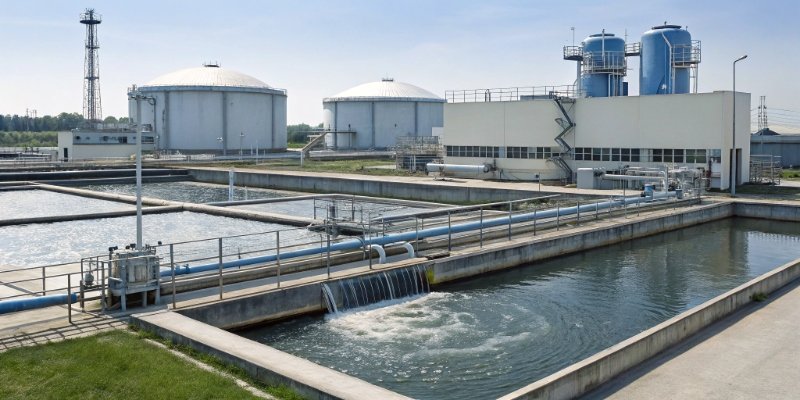
As a factory manager, I’ve seen firsthand the changes in China’s industrial landscape. Environmental standards are not just suggestions anymore; they are strict rules. Many buyers, like Mr. Park, are very smart about prices and logistics. But understanding a factory’s environmental process is now just as important for a stable supply chain. The challenges are real, but they also show you which companies are strong. A factory that meets these new standards is a factory you can trust for the long term. Let’s look deeper into the specific environmental questions you might have.
What environmental issues are involved in making aluminum?
The aluminum industry has a tough reputation. Environmental rules are getting stricter everywhere. You need to know if your suppliers are part of the problem or the solution.
Making primary aluminum metal from bauxite ore is very energy-intensive and produces a waste product called "red mud." Mining the bauxite also damages the land. This is very different from making aluminum hydroxide.
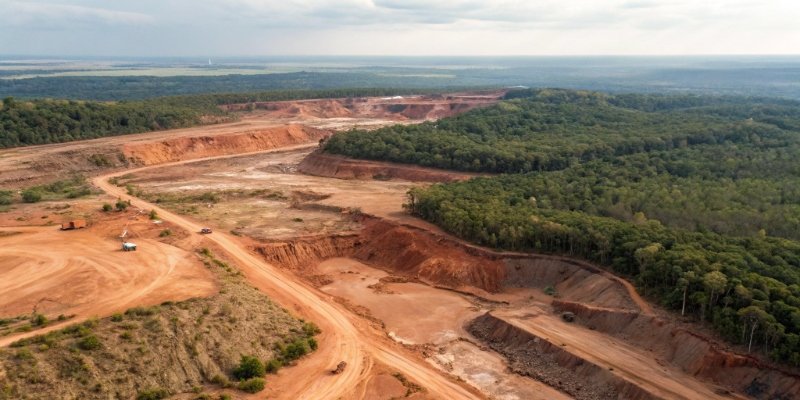
It is important to separate the idea of "aluminum metal" from "aluminum hydroxide1." They come from the same raw material, bauxite, but their production paths and environmental impacts are very different. I want to break this down simply. The main process for refining bauxite is the Bayer process2. This process digests bauxite in a hot sodium hydroxide solution. The goal is to dissolve the aluminum compounds. What is left over is the "red mud3." This is a major issue because it is highly alkaline and there is a lot of it. After the red mud is removed, aluminum hydroxide is precipitated from the solution. To make aluminum metal, this aluminum hydroxide is then calcined into alumina and smelted. Smelting uses huge amounts of electricity. Our factory focuses only on the aluminum hydroxide step. We refine it, we grind it, we control its particle size. Our main environmental concern is water, not red mud or massive energy use.
Aluminum Production vs. Aluminum Hydroxide Production
| Factor | Primary Aluminum Metal Production | Aluminum Hydroxide Production (Our Focus) |
|---|---|---|
| Main Waste | Red Mud | Alkaline Wastewater |
| Energy Use | Extremely High (Smelting) | Moderate (Grinding, Pumping) |
| Key Process | Bayer Process + Smelting | Bayer Process Precipitation + Refining/Grinding |
| Primary Concern | Waste disposal, energy consumption | Water treatment and recycling |
Is aluminum hydroxide bad for the environment?
You hear the word "chemical" and you might think "bad." It is hard to know what is a real environmental risk. You need clear facts to make smart purchasing decisions.
By itself, the final aluminum hydroxide powder is not considered a major environmental hazard. The main harm comes from its production process, specifically the large volume of water used and the resulting alkaline wastewater.
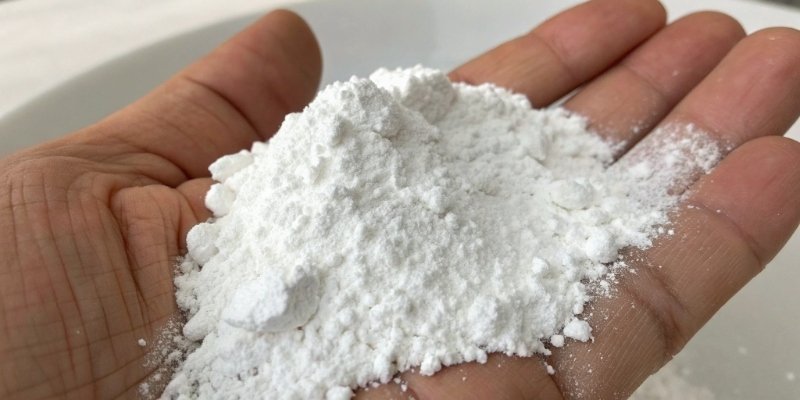
The product you receive, the white powder, is very stable. It is used in pharmaceuticals and as a flame retardant. It does not react easily or release toxins into the environment under normal conditions. The real environmental story is back at the factory. I know this from my time managing the production floor. We use a lot of water. It is used to wash the product and in the wet grinding process to get very fine, specific particle sizes. This water mixes with small amounts of the alkaline solution from the earlier stages. It also carries very fine particles of the product. If we released this water directly, it would harm the local rivers. The high pH is bad for aquatic life. So, the most important part of our environmental system is our wastewater treatment4 plant. We have to neutralize the water’s pH and let all the solid particles settle out. This is a big cost, but it is necessary. It is why we are still in business when many others have closed.
Wastewater Treatment Steps
- Collection: All process water is sent to a central collection tank.
- Neutralization: We add a mild acid to bring the water’s pH from alkaline (pH 10-11) down to a neutral level (pH 7-8).
- Flocculation: A substance is added that makes the tiny suspended aluminum hydroxide particles clump together.
- Sedimentation: The clumped particles are heavy and sink to the bottom of large settling tanks.
- Discharge/Recycle: The clean water from the top is tested. It can then be safely discharged or, even better, recycled back into the production process.
What are the risks of aluminum hydroxide?
Every industrial material has some risks. You are responsible for the safety of your products and workers. You must understand the risks of your raw materials, from the factory to your warehouse.
The main risks are not with the final, stable product. The risks are in the manufacturing process. For factory workers, it is inhaling the fine dust. For the environment, it is the potential discharge of untreated wastewater.
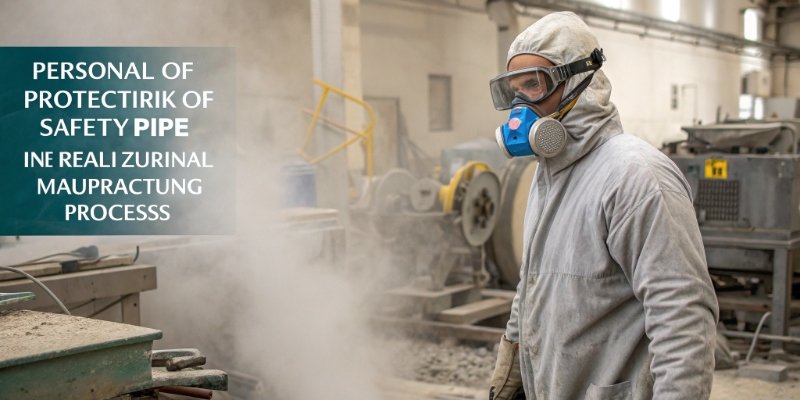
Let’s look at these two risks. First, worker safety. Aluminum hydroxide is often ground into a very fine powder. This dust can be a problem if it is breathed in all day, every day. It can cause respiratory issues. In my factory, we take this very seriously. We use wet grinding methods whenever possible to keep dust down. We also have powerful ventilation and dust collection systems. And, of course, all workers in these areas must wear proper personal protective equipment5 (PPE), like masks and goggles. The second risk is to the environment, which we have talked about. The risk is the wastewater. A factory that cuts corners on water treatment is a huge liability. In China right now, the government is doing inspections all the time. A factory can be shut down overnight. This is why our investment in a modern water treatment facility was so important. It protects the environment, and it also protects our customers’ supply chains from sudden stops. Choosing a supplier is choosing a partner that manages its risks properly.
How is aluminum harmful to the environment?
The word "aluminum" often comes with environmental concerns. It is confusing to separate the metal from its different compounds. You need to understand the specific impact of the materials you source.
The biggest environmental harm from "aluminum" comes from mining bauxite and the energy-intensive smelting process that creates metal. For the compound aluminum hydroxide, the main environmental issue is the water-intensive production process.
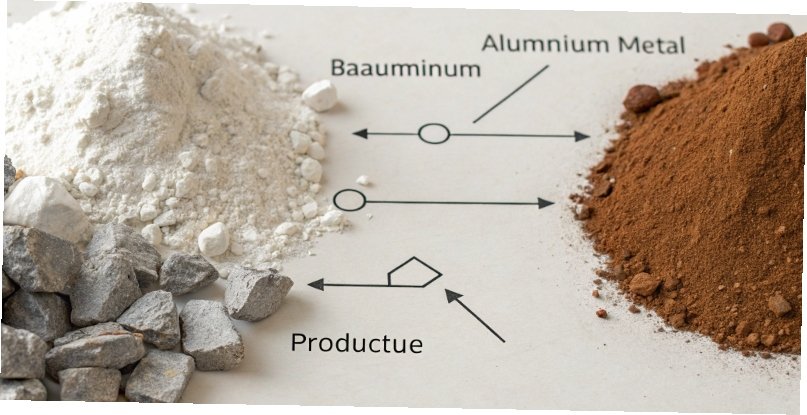
I want to make this very clear because it affects your purchasing decisions. You are buying aluminum hydroxide, not aluminum metal. These are two different points in the supply chain with different environmental footprints. Think of it like this: the journey from the ground to a final product has several steps.
Simplified Aluminum Value Chain
- Bauxite Mining: This is digging the ore from the earth. It has a direct impact on the land.
- Bayer Process: This is refining the ore. It produces our intermediate product, aluminum hydroxide, and the waste product, red mud.
- Our Step: Refining Aluminum Hydroxide: We take the aluminum hydroxide from the Bayer process. We wash it, purify it, and grind it. Our main impact here is water usage.
- Smelting: To make metal, the aluminum hydroxide is first heated to create alumina (Al₂O₃). Then, the alumina is smelted into aluminum metal. This step uses a massive amount of electricity.
Our factory is a symbol of the new China. We survived the environmental crackdown because we invested in technology and responsible processes. We focus on being the best at our step in the chain. We manage our water carefully. We do not generate red mud, and we do not use the huge amounts of energy needed for smelting. When you buy from us, you are buying from a specialist that manages its specific environmental responsibilities.
Conclusion
Aluminum hydroxide’s main environmental issue is the wastewater from production. Choosing a supplier with modern water treatment and proven compliance is the key to a stable and responsible supply chain.
-
Explore the environmental impacts of aluminum hydroxide to make informed sourcing decisions. ↩
-
Discover the Bayer process to understand how aluminum hydroxide is produced and its environmental implications. ↩
-
Understanding red mud is essential for grasping the environmental challenges in aluminum production. ↩
-
Learn about effective wastewater treatment practices to enhance your environmental compliance. ↩
-
Discover essential PPE to ensure safety in industrial environments. ↩

You may also be interested in:

What protective measures should be taken when handling aluminum hydroxide powder in a factory?
Are you worried about worker safety when handling fine powders? Aluminum hydroxide is generally safe, but mishandling its dust can lead to serious respiratory issues and even create explosive conditions.

What Key Technical Indicators Should Be Considered When Purchasing Aluminum Hydroxide?
Are you struggling to find the right aluminum hydroxide for your needs? You might be paying for features you don’t even require. Let’s simplify the technical details. When buying aluminum
What are the market trends for aluminum hydroxide in 2026?
Are you planning your 2026 raw material purchases? Volatile markets make it hard. I will share insights from the factory floor to help you make better decisions for your business.
Is aluminum hydroxide toxic and is it harmful to the human body?
Worried about the word "aluminum" in your products? It sounds scary and can make you question its safety. I’m here to clear up the confusion with simple facts. Aluminum hydroxide

What are the side effects of long-term use of stomach medications containing aluminum hydroxide?
Struggling with constant heartburn? Reaching for that stomach medicine might seem like the only option. But what if that relief comes with hidden long-term costs? The most common side effect

Does ingesting aluminum (such as through aluminum hydroxide) cause Alzheimer's disease?
Are you worried that everyday products containing aluminum might be harmful? This fear connects to serious health concerns like Alzheimer’s, making you question what is safe. Let’s look closely. Based

Why do some vaccines contain aluminum hydroxide (aluminum adjuvant)?
Confused about vaccine ingredients? Seeing aluminum hydroxide listed can be unsettling. I’ll explain its crucial role and why it’s there to help your body build strong immunity. Aluminum hydroxide acts

Is the aluminum adjuvant in vaccines safe for infants or adults?
You read about vaccine ingredients and worry. The word "aluminum" sounds scary, especially when talking about babies. But understanding the facts can give you peace of mind. Yes, the aluminum

Where are China's main aluminum hydroxide production areas?
Are you struggling to find the right aluminum hydroxide supplier in China? This confusion can lead to higher costs and unstable quality, which hurts your business and your reputation. China’s
What is the difference between aluminum hydroxide and aluminum oxide, and how can they be converted into each other?
Are you confused by aluminum hydroxide and aluminum oxide? They look similar but have very different uses. Understanding them helps you buy the right material and save money. The main