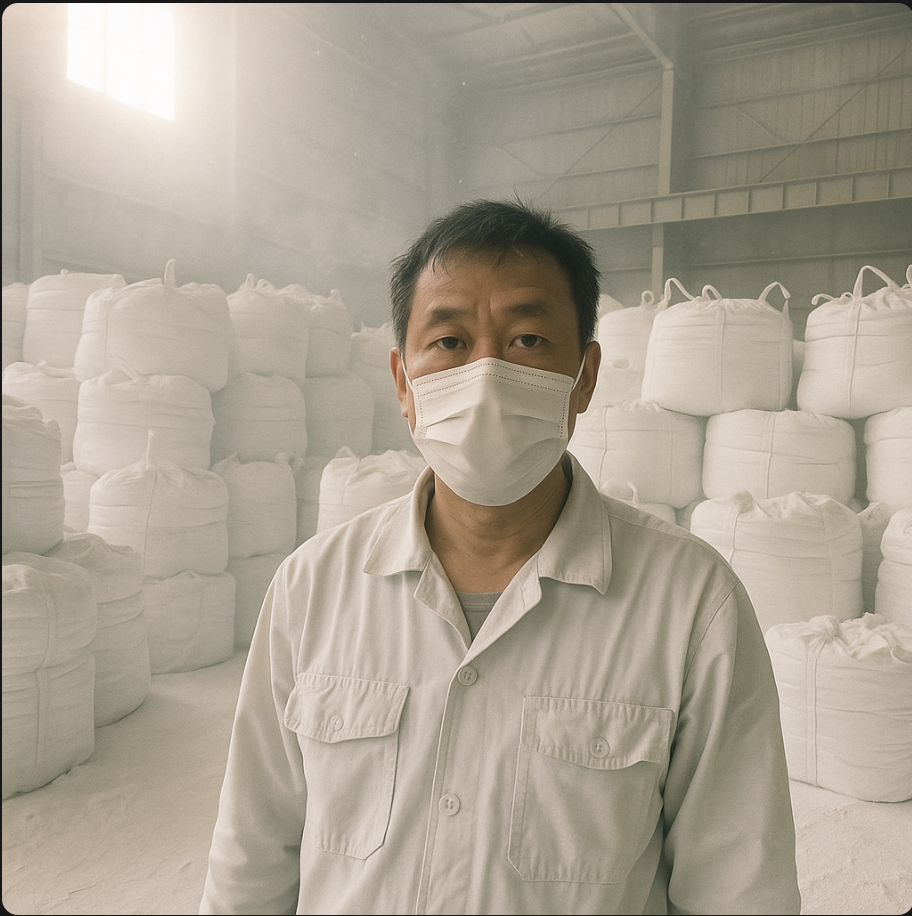
Are you struggling to find reliable aluminum hydroxide1 at a fair price? High costs and hidden fees from middlemen can hurt your bottom line, making it hard to compete.
The price of aluminum hydroxide1 typically ranges from $350 to over $650 per ton. This price depends heavily on the grade, purity, particle size, and especially the supplier you choose. Sourcing directly from a factory in China2 often provides the most competitive price by eliminating intermediaries.
[^1] powder in an industrial warehouse.](https://linen-meerkat-928834.hostingersite.com/wp-content/uploads/2025/07/01-the-price-of-aluminum-hydroxide-typica.jpg "Aluminum Hydroxide Price Per Ton")
This price range can seem wide, and you might wonder what causes such a big difference. The truth is, the final price you pay is influenced by a chain of factors, from the geology of the raw material to the national energy policy of the manufacturing country. As someone who has managed production here in Henan, I’ve seen these factors firsthand. Let’s look deeper into what really makes up the cost you’re quoted, so you can make a smarter choice for your business.
How much does aluminum hydroxide1 cost?
Finding a consistent price for aluminum hydroxide1 is tough. You see different quotes from different suppliers, and the numbers never seem to match, making budgeting a difficult task.
The total cost of aluminum hydroxide1 is a sum of its core components. These include the price of the raw bauxite ore3, massive energy and water consumption during processing, labor costs4, and environmental compliance5 expenses. Each part contributes significantly to the final price per ton.

Let’s break down these costs. Understanding them helps you see why prices can vary so much from one region to another. It’s not just about the material itself. The environment where it’s produced plays a huge role. In my experience running the factory floor, I see these costs every day.
The Real Cost Factors
Every ton we produce has a story of costs behind it. We can group these costs into a few main categories that every producer has to manage.
- Raw Material Cost: Everything starts with bauxite ore3. The quality of the ore and the cost of mining and transporting it to the factory is the first major expense. Proximity to good bauxite reserves is a big advantage.
- Energy and Water Bills: This is a major one. Turning bauxite into aluminum hydroxide1 takes an incredible amount of electricity and water. Countries with cheap, abundant energy and water have a fundamental advantage. In China2, our stable power grid and low industrial electricity rates are key to keeping our costs down.
- Operational and Labor Costs: This includes paying our skilled workers who run the machines and manage the chemical processes. It also includes the maintenance of our equipment to ensure consistent quality.
- Environmental Compliance: Manufacturing has an environmental impact. We have invested heavily in purification and waste treatment systems to meet China2‘s national standards. While this is an expense, it’s cheaper than the heavy taxes or shutdowns faced by plants in some other countries with stricter policies.
What is the price of Aluminium hydroxide?
You need to source aluminum hydroxide1, but your only contacts are trading companies6. This adds a layer of costs and uncertainty, leaving you wondering if you are getting a fair deal.
The price often includes a significant markup from third-party trading companies6. By sourcing7 directly from a source factory like ours, you can cut out this middleman. This directly reduces your cost per ton and gives you a clearer communication channel for quality control.

The structure of the supply chain8 is one of the biggest hidden factors in your final price. For a long time, most Chinese factories, including ours, relied on external trading companies6 to handle exports. This was the traditional way. However, we realized it created an extra layer that didn’t add much value for the end customer, like you. That’s why we decided to change our business model.
Cutting Out The Middleman
My current role is to build our own international sales channel. The goal is simple: connect our factory directly with customers overseas. This change has a direct, positive impact on the price and service you receive.
Here’s how the two models compare:
| Feature | Traditional Model (Via Trading Co.) | Our New Model (Factory-Direct) |
|---|---|---|
| Pricing | Factory Price + Trader’s Margin | Factory Price |
| Communication | Indirect. Messages are passed through a third party. | Direct. You speak with our team who knows the product. |
| Transparency | Low. The factory source may not be disclosed. | High. You know exactly where your product is from. |
| Lead Time | Longer, due to extra communication and processing steps. | Shorter and more efficient. |
By removing the trading company, we can pass those savings directly to you. For a buyer like Mr. Park in Korea, who manages imports for pharmaceutical raw materials, this means not only a more competitive price but also greater control over the supply chain8.
How much is the aluminum price per ton?
You might check the London Metal Exchange9 (LME) for the price of aluminum and get confused. The price of aluminum metal seems disconnected from the quotes you receive for aluminum hydroxide1.
Do not confuse the price of aluminum metal with aluminum hydroxide1. Aluminum metal is a traded commodity with a volatile market price10. Aluminum hydroxide is a chemical compound11 whose price is more stable and based on industrial production12n costs](https://businessanalytiq.com/procurementanalytics/index/aluminum-hydroxide-price-index/)[^13], not financial markets.
[^1] powder.](https://linen-meerkat-928834.hostingersite.com/wp-content/uploads/2025/07/04-do-not-confuse-the-price-of-aluminum-m.jpg "Aluminum vs Aluminum Hydroxide")
It’s a common point of confusion, but a critical one to understand. While both products come from the same raw material, bauxite, they are completely different products with separate markets and pricing structure13s. I often have to explain this to new customers who are trying to make sense of the market.
Two Different Products, Two Different Prices
Think of it like crude oil and gasoline. Both come from the same source, but they are sold in different markets for different purposes and their prices don’t always move together.
-
Aluminum (Metal): This is the shiny, lightweight metal used in cans, cars, and airplanes. Its price is set on global commodity exchanges like the LME. The price fluctuates daily based on global supply, demand, and investor speculation. It is a financial instrument as much as a physical product.
-
Aluminum Hydroxide (Al(OH)₃): This is a white powder, a chemical precursor also known as alumina hydrate14. It’s used as a flame retardant, an antacid in pharmaceuticals, and a starting material for making other aluminum chemicals. Its price is based on the industrial cost of production, which we discussed earlier: bauxite, energy, water, and labor. While the price of bauxite can have some influence, the price of Al(OH)₃ is far more stable than aluminum metal. It reflects the real-world costs of manufacturing, not speculation.
So, when you are sourcing7 aluminum hydroxide1, looking at the LME aluminum price will not help you budget. Instead, focus on the factors that drive industrial chemical production costs15.
What is the price of alumina hydrate14 per ton?
You know you need a cost-effective16 source, but it’s hard to see why one country has an advantage. Developed nations are too expensive, and others lack the infrastructure for reliable production.
The price of alumina hydrate14 is most competitive from Chinese source factories. This is due to a unique combination of low-cost energy, plentiful water resources, large-scale production efficiency17, and streamlined environmental compliance5 that other regions cannot match.
[^2] highlighting industrial zones with icons for power, water, and factories.](https://linen-meerkat-928834.hostingersite.com/wp-content/uploads/2025/07/05-the-price-of-alumina-hydrate-is-most-c.jpg "[China](https://insideclimatenews.org/news/23122022/china-aluminum-immortals/)[^2] Alumina Hydrate Production")
This is the most important point I can share from my years inside the industry. China2 isn’t just another supplier. Our country has built a unique ecosystem that is almost perfectly designed for cost-effective16 aluminum hydroxide1 production. Many buyers in developed countries are surprised by our prices, but it is not magic. It is the result of specific national advantages.
Why China2 is the Most Cost-Effective Choice
Let’s put all the pieces together. Several powerful factors work together to give Chinese factories a structural cost advantage18. In many developed countries, this type of industry is under pressure due to high energy costs and strict environmental rules. In other developing nations, the basic infrastructure like a stable power grid simply isn’t there.
| Advantage | Why It Matters for Al(OH)₃ Production |
|---|---|
| Low-Cost Energy | China2 generates the most electricity in the world, keeping industrial prices low. This is the single biggest operational cost for us. |
| Water Availability | The production process is water-intensive. We have the water resources needed for large-scale, continuous operation. |
| Environmental Policy | Our government sets clear environmental standards. Our factory invested in modern purification systems to meet them, allowing stable production. |
| Direct-from-Factory | Our new export model cuts out the middleman, giving you the best possible price directly from the source. |
When you combine these factors, the conclusion is clear. For a buyer looking for the best balance of price, quality, and reliability, a direct partnership with a source factory in China2 is the most logical choice.
Conclusion
To get the best price for aluminum hydroxide1, you must understand the real cost factors and source directly from a manufacturer in a region with industrial advantages, like China2.
-
Explore this link to understand the latest trends and pricing for aluminum hydroxide in the market. ↩ ↩ ↩ ↩ ↩ ↩ ↩ ↩ ↩ ↩ ↩ ↩
-
Learn about the advantages that make China a top choice for aluminum hydroxide production. ↩ ↩ ↩ ↩ ↩ ↩ ↩ ↩ ↩
-
Learn how the quality of bauxite ore impacts the cost of aluminum hydroxide production. ↩ ↩
-
Understand how labor costs contribute to the pricing of aluminum hydroxide in the industry. ↩
-
Find out how environmental regulations affect the production costs of aluminum hydroxide. ↩ ↩
-
Explore the challenges and costs associated with using trading companies for aluminum hydroxide sourcing. ↩ ↩ ↩
-
Learn effective strategies for sourcing aluminum hydroxide at competitive prices. ↩ ↩
-
Understand the impact of supply chain dynamics on the final price of aluminum hydroxide. ↩ ↩
-
Discover the relationship between aluminum prices on the LME and aluminum hydroxide costs. ↩
-
Explore the factors that determine the market price of aluminum hydroxide. ↩
-
Learn about the various applications of aluminum hydroxide in different industries. ↩
-
Understand the various factors that affect the industrial production costs of aluminum hydroxide. ↩
-
Explore the differences in pricing structures between aluminum hydroxide and aluminum metal. ↩
-
Get insights into the pricing of alumina hydrate and its market factors. ↩ ↩ ↩
-
Explore the key components that contribute to the production costs of aluminum hydroxide. ↩
-
Find out what characteristics define a cost-effective source for aluminum hydroxide. ↩ ↩
-
Discover how production efficiency can lead to lower prices for aluminum hydroxide. ↩
-
Understand the unique cost advantages that Chinese factories have in aluminum hydroxide production. ↩

You may also be interested in:

What protective measures should be taken when handling aluminum hydroxide powder in a factory?
Are you worried about worker safety when handling fine powders? Aluminum hydroxide is generally safe, but mishandling its dust can lead to serious respiratory issues and even create explosive conditions.

What Key Technical Indicators Should Be Considered When Purchasing Aluminum Hydroxide?
Are you struggling to find the right aluminum hydroxide for your needs? You might be paying for features you don’t even require. Let’s simplify the technical details. When buying aluminum
What are the market trends for aluminum hydroxide in 2026?
Are you planning your 2026 raw material purchases? Volatile markets make it hard. I will share insights from the factory floor to help you make better decisions for your business.
Is aluminum hydroxide toxic and is it harmful to the human body?
Worried about the word "aluminum" in your products? It sounds scary and can make you question its safety. I’m here to clear up the confusion with simple facts. Aluminum hydroxide

What are the side effects of long-term use of stomach medications containing aluminum hydroxide?
Struggling with constant heartburn? Reaching for that stomach medicine might seem like the only option. But what if that relief comes with hidden long-term costs? The most common side effect

Does ingesting aluminum (such as through aluminum hydroxide) cause Alzheimer's disease?
Are you worried that everyday products containing aluminum might be harmful? This fear connects to serious health concerns like Alzheimer’s, making you question what is safe. Let’s look closely. Based

Why do some vaccines contain aluminum hydroxide (aluminum adjuvant)?
Confused about vaccine ingredients? Seeing aluminum hydroxide listed can be unsettling. I’ll explain its crucial role and why it’s there to help your body build strong immunity. Aluminum hydroxide acts

Is the aluminum adjuvant in vaccines safe for infants or adults?
You read about vaccine ingredients and worry. The word "aluminum" sounds scary, especially when talking about babies. But understanding the facts can give you peace of mind. Yes, the aluminum

What environmental problems are generated during the production of aluminum hydroxide?
Worried about environmental compliance in your supply chain? Sourcing from China can be complex. You need a reliable, eco-conscious partner for your aluminum hydroxide needs. The main environmental issue is

Where are China's main aluminum hydroxide production areas?
Are you struggling to find the right aluminum hydroxide supplier in China? This confusion can lead to higher costs and unstable quality, which hurts your business and your reputation. China’s