What are "wet process" and "dry process" aluminum hydroxide, and how do they differ?
December 2, 2025 by Lee On
Are you confused by terms like "wet" and "dry" aluminum hydroxide? This confusion can lead to buying the wrong product or paying for unnecessary processing.
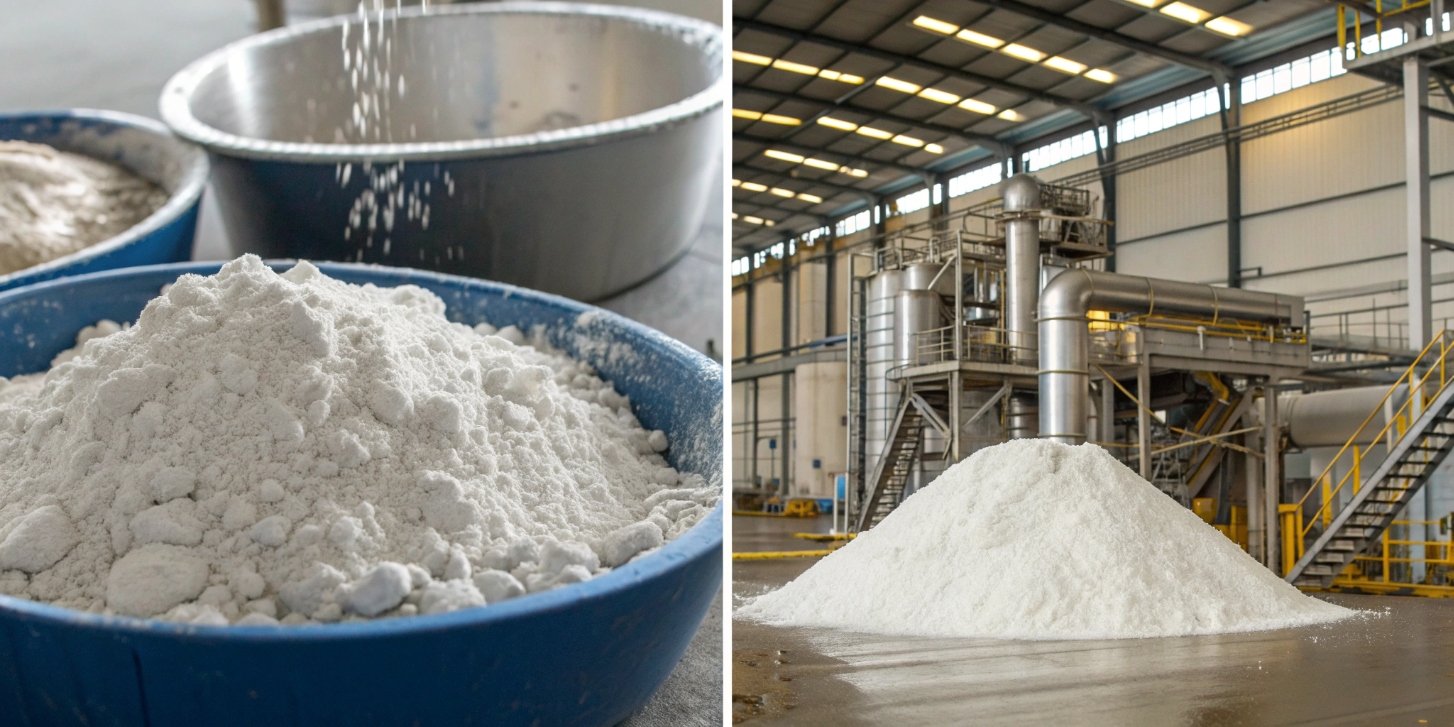
"Wet process" aluminum hydroxide refers to the product as a wet cake or slurry, straight from production. "Dry process" aluminum hydroxide is the same material that has been dried into the fine white powder most customers are familiar with. The main difference is physical form and water content, not chemical quality.
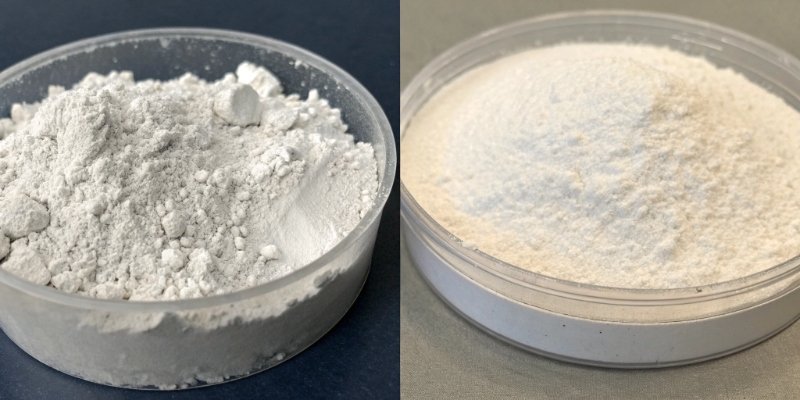
In my years managing production at our plant, I’ve seen many buyers assume that "wet" means lower grade. This isn’t true at all. The choice between wet and dry product is purely about logistics, storage, and the customer’s specific application. In fact, some of our local customers prefer the wet cake because it can be pumped directly into their own production lines, saving them a step. Understanding this difference is the first step, but it often leads to more questions about the product itself. Let’s dig into some of the most common ones I hear from buyers.
What is dried aluminium hydroxide gel?
Are you working in pharmaceuticals? Sourcing the right grade of "aluminum hydroxide" can be a major challenge for your formulations if you get the wrong type.
Dried aluminum hydroxide gel is a specific, amorphous (non-crystalline) form of aluminum hydroxide used mainly as a pharmaceutical antacid. It is chemically different from the crystalline industrial-grade aluminum hydroxide used as a flame retardant or filler.
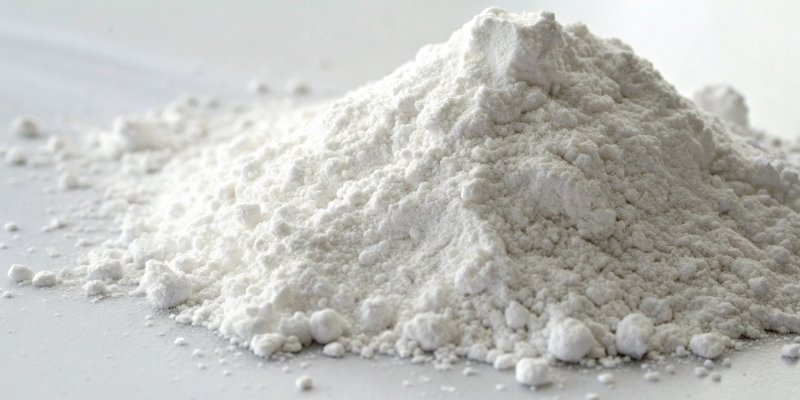
At our factory, we specialize in producing industrial-grade aluminum trihydrate1, or ATH, which has a very ordered crystalline structure2 called Gibbsite3. This structure is key for its performance as a flame retardant4. A few years ago, a potential buyer from a pharmaceutical company asked for a quote. He sent a spec sheet for "dried aluminum hydroxide gel5." I had to explain that while they share the same basic name, the two products are completely different. Think of it like carbon: a diamond and a piece of charcoal are both carbon, but their structure and use are worlds apart. The gel is made through a chemical precipitation process that results in an amorphous structure with a high surface area, making it effective for neutralizing stomach acid. Our product is made through the Bayer process6, designed for large-scale industrial use.
Here is a simple breakdown:
| Feature | Industrial Aluminum Hydroxide (ATH) | Dried Aluminum Hydroxide Gel |
|---|---|---|
| Structure | Crystalline (Gibbsite) | Amorphous |
| Production | Bayer Process | Chemical Precipitation |
| Main Use | Flame Retardants, Fillers, Chemical | Antacids, Phosphate Binders |
| Key Property | Heat absorption, smoke suppression | High reactivity, acid neutralization |
Understanding this distinction is crucial. Using industrial ATH in a pharmaceutical product would not work, and using the expensive gel in an industrial application would be a waste of money.
Is aluminum trihydrate the same as aluminum hydroxide?
Are you seeing different names for what looks like the same white powder? This can cause confusion in technical documents and purchase orders, leading to costly mistakes.
Yes, aluminum trihydrate (often shortened to ATH) is the exact same chemical compound as aluminum hydroxide. The chemical formula is Al(OH)₃. The different names are simply used in different contexts and industries.
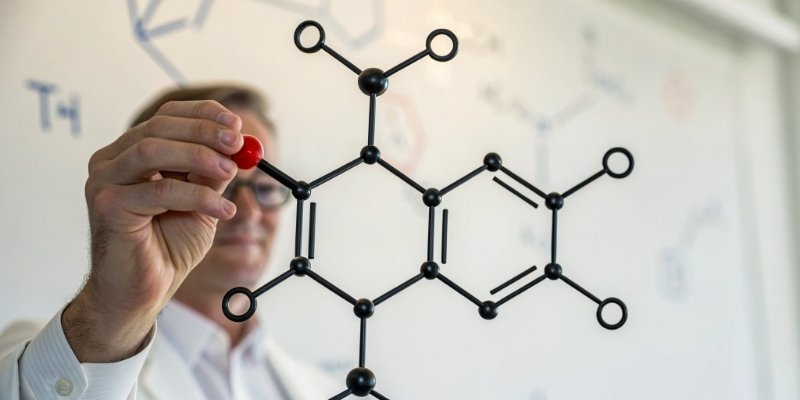
This is one of the most common points of confusion I clarify for new customers. In chemistry, the proper name is aluminum hydroxide. However, in the industries we serve, especially plastics, rubber, and solid surfaces, everyone calls it Aluminum Trihydrate or ATH. Why? The name "trihydrate" helps to emphasize the "three water molecules" part of its structure (you can also write the formula as Al₂O₃·3H₂O). This is very important for its main application as a flame retardant. When ATH is heated to over 200°C, it breaks down and releases these water molecules as steam. This process absorbs a lot of heat and dilutes flammable gases, which is what stops or slows the fire. So, the industry calls it ATH to constantly remind users of this key functional property. When I first moved from production management to sales, I made sure my team understood this. A customer asking for ATH is looking for the same product as one asking for aluminum hydroxide; they just work in an industry that uses the common name.
Here’s a quick guide to who uses which name:
| Name | Industry / Context |
|---|---|
| Aluminum Hydroxide | General Chemistry, Water Treatment, Pharmaceuticals |
| Aluminum Trihydrate (ATH) | Plastics, Rubber, Wire & Cable, Solid Surfaces |
| Hydrated Alumina | A more general technical term, used across industries |
What is another name for aluminum hydroxide?
Do you find it hard to search for a material when it has multiple names? Using the right keyword can be the difference between finding the right supplier and getting lost.
Besides aluminum hydroxide and aluminum trihydrate (ATH), it is also called hydrated alumina. In its natural mineral form, it’s known as Gibbsite, Bayerite, or Nordstrandite. Gibbsite is the most common and industrially important crystal form.
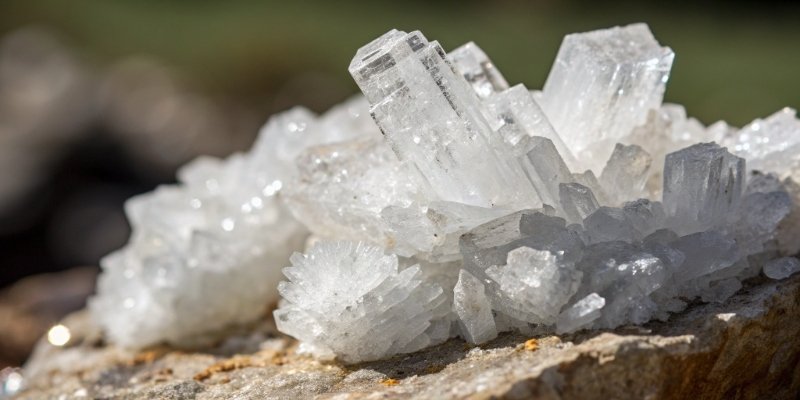
When we talk about our product, we are almost always talking about the Gibbsite crystal structure. The Bayer process, which is the standard industrial method for producing aluminum hydroxide from bauxite ore, naturally produces Gibbsite. It’s the most stable form. The other names, like Bayerite and Nordstrandite, are what chemists call "polymorphs7"—they have the same Al(OH)₃ chemical formula but the atoms are arranged in a slightly different crystal structure. These other forms have different properties and are much less common in industrial applications. Sometimes, an experienced buyer with a very specific technical need, for example in catalysts, will specify the exact mineral form they require. When a customer’s inquiry specifically mentions "Gibbsite," it tells me they are a knowledgeable professional who understands the material science behind their application. It’s a clear signal that they value quality and consistency in the crystal structure, which is something we pride ourselves on at our factory. Knowing these names helps you speak the same language as producers and technical experts.
Is aluminum hydroxide the same as aluminum?
Are you worried about confusing basic materials? Mixing up a compound like aluminum hydroxide with the pure metal aluminum could lead to serious application and safety issues.
No, they are completely different substances. Aluminum (Al) is a pure metallic element that is shiny and conducts electricity. Aluminum hydroxide (Al(OH)₃) is a chemical compound—a white powder that does not conduct electricity and is not a metal.
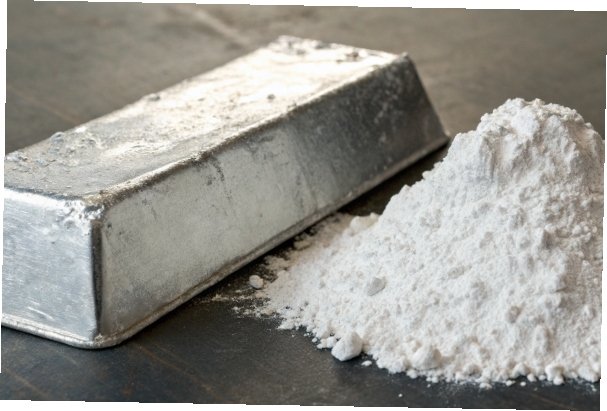
This question might seem basic, but it’s a critical safety and application point. You cannot substitute one for the other. Think of it this way: pure iron is a strong metal used to make steel. Rust, which is iron oxide, is a flaky powder that is a product of iron’s corrosion. They both contain iron, but you would never build a bridge with rust. It’s the same principle here. Aluminum is a lightweight metal we see every day in drink cans, window frames, and airplane parts. It’s produced by smelting a different aluminum compound, alumina (Al₂O₃). Our product, aluminum hydroxide, is actually an intermediate step in the process of making aluminum metal. We take bauxite ore, use the Bayer process to create pure aluminum hydroxide, and most of this worldwide is then heated (calcined) to create alumina for metal production. We simply stop the process and refine the aluminum hydroxide for its own unique applications.
Here is a clear comparison:
| Feature | Aluminum (Al) | Aluminum Hydroxide (Al(OH)₃) |
|---|---|---|
| Type | Metallic Element | Chemical Compound |
| Appearance | Silvery-white, shiny metal | Fine white powder |
| Primary Use | Structural parts, packaging, foil | Flame retardants, fillers, antacids |
| Conductivity | Conducts heat and electricity | Insulator (does not conduct) |
Conclusion
Understanding these key terms is simple. "Wet" vs. "dry" is about physical form, not quality, and knowing the different names like ATH and Gibbsite helps you communicate clearly.
-
Find out the relationship between aluminum trihydrate and aluminum hydroxide to clarify common misconceptions. ↩
-
Discover how crystalline structure affects the properties and applications of aluminum hydroxide. ↩
-
Learn about Gibbsite’s role in aluminum production and its unique properties. ↩
-
Discover how aluminum hydroxide functions as a flame retardant and its importance in safety applications. ↩
-
Discover the unique properties of dried aluminum hydroxide gel and its significance in pharmaceuticals. ↩
-
Understand the Bayer process and its significance in producing aluminum hydroxide from bauxite. ↩
-
Understand the concept of polymorphs and their relevance to aluminum hydroxide’s different forms. ↩

You may also be interested in:

What protective measures should be taken when handling aluminum hydroxide powder in a factory?
Are you worried about worker safety when handling fine powders? Aluminum hydroxide is generally safe, but mishandling its dust can lead to serious respiratory issues and even create explosive conditions.

What Key Technical Indicators Should Be Considered When Purchasing Aluminum Hydroxide?
Are you struggling to find the right aluminum hydroxide for your needs? You might be paying for features you don’t even require. Let’s simplify the technical details. When buying aluminum

What are the market trends for aluminum hydroxide in 2026?
Are you planning your 2026 raw material purchases? Volatile markets make it hard. I will share insights from the factory floor to help you make better decisions for your business.
Is aluminum hydroxide toxic and is it harmful to the human body?
Worried about the word "aluminum" in your products? It sounds scary and can make you question its safety. I’m here to clear up the confusion with simple facts. Aluminum hydroxide

What are the side effects of long-term use of stomach medications containing aluminum hydroxide?
Struggling with constant heartburn? Reaching for that stomach medicine might seem like the only option. But what if that relief comes with hidden long-term costs? The most common side effect

Does ingesting aluminum (such as through aluminum hydroxide) cause Alzheimer's disease?
Are you worried that everyday products containing aluminum might be harmful? This fear connects to serious health concerns like Alzheimer’s, making you question what is safe. Let’s look closely. Based

Why do some vaccines contain aluminum hydroxide (aluminum adjuvant)?
Confused about vaccine ingredients? Seeing aluminum hydroxide listed can be unsettling. I’ll explain its crucial role and why it’s there to help your body build strong immunity. Aluminum hydroxide acts

Is the aluminum adjuvant in vaccines safe for infants or adults?
You read about vaccine ingredients and worry. The word "aluminum" sounds scary, especially when talking about babies. But understanding the facts can give you peace of mind. Yes, the aluminum

What environmental problems are generated during the production of aluminum hydroxide?
Worried about environmental compliance in your supply chain? Sourcing from China can be complex. You need a reliable, eco-conscious partner for your aluminum hydroxide needs. The main environmental issue is

Where are China's main aluminum hydroxide production areas?
Are you struggling to find the right aluminum hydroxide supplier in China? This confusion can lead to higher costs and unstable quality, which hurts your business and your reputation. China’s