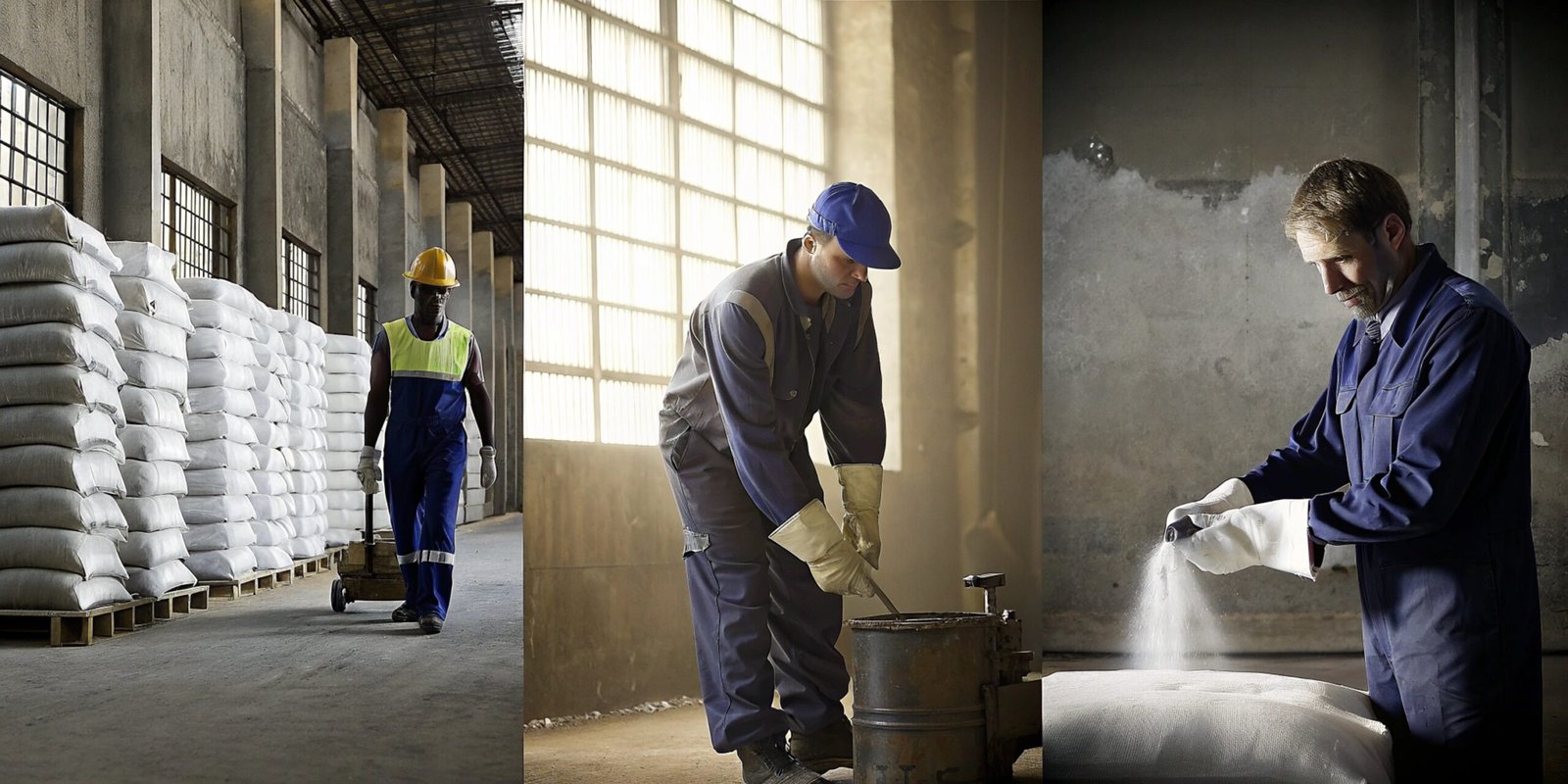
Confused about aluminum hydroxide’s many roles? It is more than a simple white powder. Its versatility is the key to many products, from medicine to fire safety materials.
Aluminum hydroxide is mainly used as an active ingredient in antacids to neutralize stomach acid. It is also a very common non-toxic flame retardant in plastics and cables, and a raw material for producing other aluminum chemicals.

These applications seem very different. But they all rely on the unique chemical properties of this one compound. As a producer, I see firsthand how we adjust our process to create the right grade for each use. For a buyer like Mr. Park, understanding these details is vital for sourcing correctly. Let’s look closer at these uses, as this knowledge is fundamental for anyone in the pharmaceutical and chemical distribution business1.
What are the uses of aluminium hydroxide?
Do you find the terms "aluminum" and "aluminium" confusing? They refer to the same element. Let’s clarify its uses so you can source the right material for your market, no matter the spelling.
The uses are identical. It is a key ingredient in antacids, a flame retardant in wire insulation, a filler in solid surfaces like kitchen countertops, and a purifying agent in water treatment.

In my factory in China, we produce aluminum hydroxide2 for customers worldwide. Some call it aluminum, others say aluminium. The chemical (Al(OH)₃) and its functions are exactly the same. The two main markets are pharmaceuticals and flame retardant3s, and each requires a very different product specification.
Pharmaceutical Grade
For medical use, such as in antacids, purity is everything. Our pharmaceutical-grade aluminum hydroxide must have extremely low levels of heavy metals like lead and arsenic. We achieve this through a highly controlled precipitation process. The particle size is also critical. A finer particle reacts faster in the stomach to neutralize acid. We run tests on every batch to ensure it meets strict pharmacopeia standards, like the USP or EP. For a distributor like Mr. Park, guaranteeing this quality to his pharmaceutical clients is non-negotiable.
Flame Retardant Grade
This is a completely different application. Here, aluminum hydroxide (often called ATH) is mixed into plastics, rubber, and coatings. When exposed to fire, it decomposes and releases water vapor. This process cools the material and dilutes the flammable gases, slowing the spread of fire. It also suppresses smoke. For this industrial grade, purity is less critical than particle size, surface treatment, and oil absorption, which affect how it mixes with polymers.
What does aluminum hydroxide do to your body?
Are you worried about using a chemical in medicine? It is right to be cautious about what goes into the body. But aluminum hydroxide has a long history of safe use when used correctly.
When taken as an antacid, aluminum hydroxide works locally in the stomach. It neutralizes excess acid, providing relief from heartburn. Very little aluminum is absorbed, and the body excretes most of it.
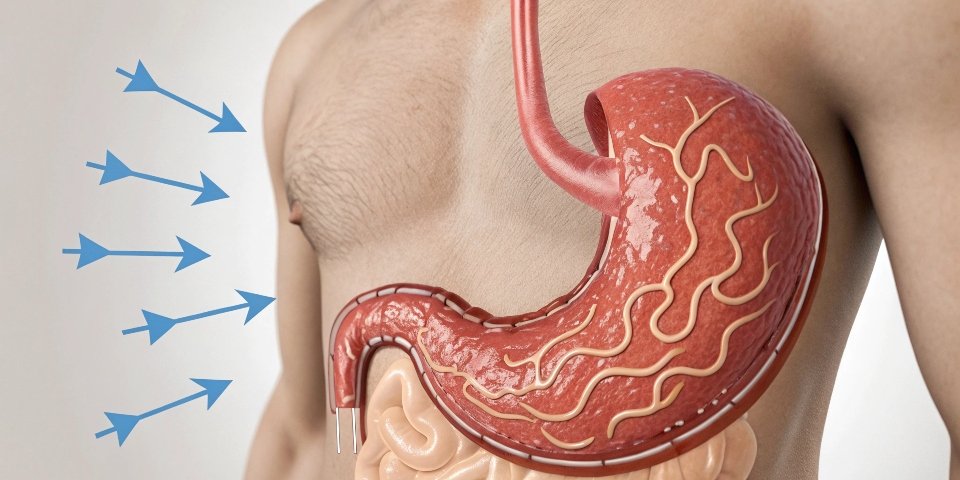
The main job of aluminum hydroxide in the body is to be a simple, effective antacid. It is a base, and stomach acid is, of course, an acid. The chemical reaction between them is called neutralization. It is a direct and targeted action. Al(OH)₃ + 3HCl → AlCl₃ + 3H₂O. This means the aluminum hydroxide and hydrochloric acid react to form a harmless salt and water. This reduces the acidity in the stomach and eases discomfort.
The most important thing for safety is that the aluminum is not easily absorbed by the body. It mostly passes through the digestive system. However, it does have one very common side effect: constipation. Because of this, you will rarely find an antacid with only aluminum hydroxide. It is almost always combined with another ingredient, magnesium hydroxide4, to counteract this effect. This formulation science is critical for pharmaceutical companies that buy our raw materials. They rely on us to provide a consistent product so their final formulation is balanced and effective.
Can Mylanta cause diarrhea?
Do you get questions about product side effects? Antacids can be confusing because different brands have different effects. Let’s clear up the confusion about Mylanta and its ingredients.
Mylanta is unlikely to cause diarrhea. It is more known to cause constipation because of its aluminum hydroxide. However, Mylanta also contains magnesium hydroxide, which can cause diarrhea. These are balanced to minimize side effects.
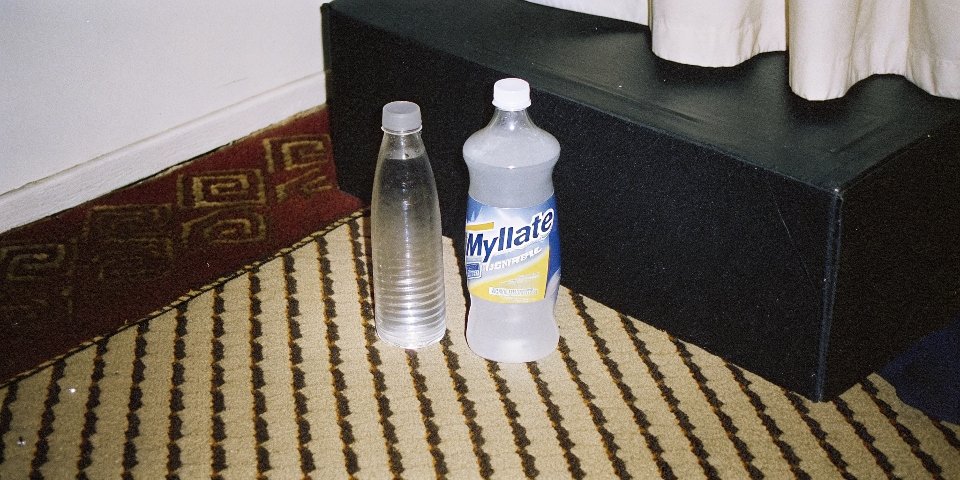
This question gets to the heart of good pharmaceutical formulation. It is a great example of using two ingredients to cancel out each other’s side effects. As a raw material supplier, we often sell both aluminum hydroxide and magnesium hydroxide to the same clients. They use them to create a balanced product like Mylanta.
A Tale of Two Hydroxides
The strategy is simple but effective. One ingredient has one side effect, and the second ingredient has the opposite side effect.
| Ingredient | Primary Function | Common Side Effect |
|---|---|---|
| Aluminum Hydroxide | Neutralizes acid | Constipation |
| Magnesium Hydroxide | Neutralizes acid | Diarrhea (laxative effect) |
| Combination | Neutralizes acid | Balanced/neutral bowel effect |
By carefully calculating the ratio of aluminum to magnesium, manufacturers can create a product that effectively neutralizes acid without causing significant constipation or diarrhea for most users. As a producer, we must provide materials with consistent purity and reactivity. If our aluminum hydroxide is more or less potent from batch to batch, it throws off this delicate balance for our clients. This is why our internal quality control is so strict.
What is another name for aluminum hydroxide?
Do different names for the same chemical cause problems in your orders? This is a common issue in global trade. Knowing the synonyms for aluminum hydroxide can prevent costly mistakes.
Aluminum hydroxide is commonly known by its industrial abbreviation, ATH, which stands for Alumina Trihydrate. Other names include hydrated alumina, aluminum (III) hydroxide, or specific brand names from manufacturers.
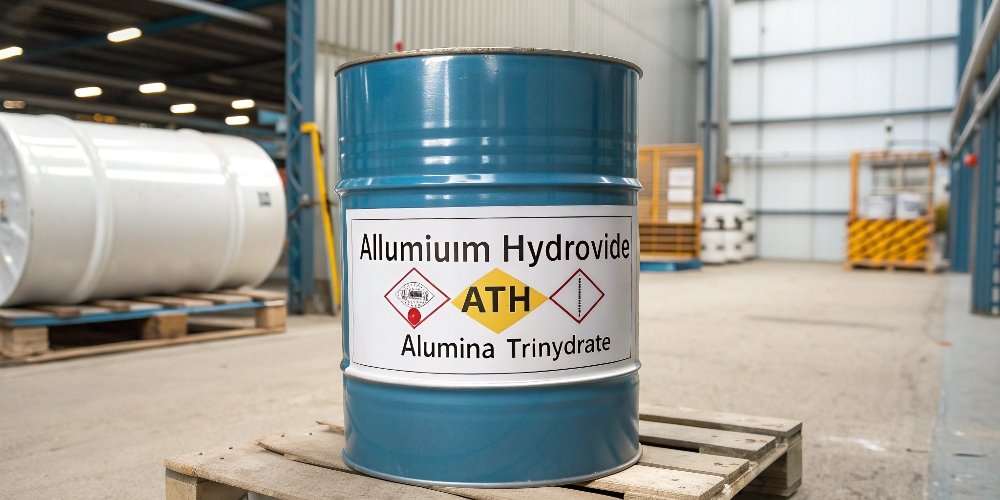
In my daily work, I use different names for the same product depending on the customer. This is very important in international trade, where a simple name can define the product’s grade and intended use. Misunderstanding a name can lead to ordering the wrong material.
Industrial vs. Pharmaceutical Names
-
ATH (Alumina Trihydrate): This is the name we use 90% of the time when talking to customers in the plastics, rubber, and cable industries. The name comes from an alternative way to write the chemical formula: Al₂O₃·3H₂O. It highlights its nature as a hydrated form of alumina. If a buyer orders "ATH," I know they need an industrial grade for flame retardant applications.
-
Aluminum Hydroxide USP/EP: When a buyer like Mr. Park contacts me, he will likely use the name "Aluminum Hydroxide" and specify a pharmacopeia standard, like USP (United States Pharmacopeia) or EP (European Pharmacopoeia). This tells me he needs the high-purity pharmaceutical grade. The terms "Dried Aluminum Hydroxide Gel" are also used in these official standards.
Getting the name wrong on a purchase order is a big risk. An industrial grade sent to a pharmaceutical company would be rejected immediately. A high-purity pharma grade sent to a plastics factory would be unnecessarily expensive. As a direct factory source, part of my job is to clarify these details to ensure my customers get exactly what they need.
Conclusion
In short, aluminum hydroxide has vital roles in medicine and industry. Knowing its uses, effects, and names ensures you source the right quality material for your specific application.
-
Understand the challenges faced in the chemical distribution business when dealing with aluminum hydroxide. ↩
-
Explore the diverse applications of aluminum hydroxide, from pharmaceuticals to fire safety, and understand its significance. ↩
-
Discover how aluminum hydroxide acts as a flame retardant in various materials, enhancing safety. ↩
-
Explore the balance between magnesium hydroxide and aluminum hydroxide in creating effective antacids. ↩

You may also be interested in:

What protective measures should be taken when handling aluminum hydroxide powder in a factory?
Are you worried about worker safety when handling fine powders? Aluminum hydroxide is generally safe, but mishandling its dust can lead to serious respiratory issues and even create explosive conditions.

What Key Technical Indicators Should Be Considered When Purchasing Aluminum Hydroxide?
Are you struggling to find the right aluminum hydroxide for your needs? You might be paying for features you don’t even require. Let’s simplify the technical details. When buying aluminum

What are the market trends for aluminum hydroxide in 2026?
Are you planning your 2026 raw material purchases? Volatile markets make it hard. I will share insights from the factory floor to help you make better decisions for your business.

Is aluminum hydroxide toxic and is it harmful to the human body?
Worried about the word "aluminum" in your products? It sounds scary and can make you question its safety. I’m here to clear up the confusion with simple facts. Aluminum hydroxide

What are the side effects of long-term use of stomach medications containing aluminum hydroxide?
Struggling with constant heartburn? Reaching for that stomach medicine might seem like the only option. But what if that relief comes with hidden long-term costs? The most common side effect

Does ingesting aluminum (such as through aluminum hydroxide) cause Alzheimer's disease?
Are you worried that everyday products containing aluminum might be harmful? This fear connects to serious health concerns like Alzheimer’s, making you question what is safe. Let’s look closely. Based

Why do some vaccines contain aluminum hydroxide (aluminum adjuvant)?
Confused about vaccine ingredients? Seeing aluminum hydroxide listed can be unsettling. I’ll explain its crucial role and why it’s there to help your body build strong immunity. Aluminum hydroxide acts

Is the aluminum adjuvant in vaccines safe for infants or adults?
You read about vaccine ingredients and worry. The word "aluminum" sounds scary, especially when talking about babies. But understanding the facts can give you peace of mind. Yes, the aluminum

What environmental problems are generated during the production of aluminum hydroxide?
Worried about environmental compliance in your supply chain? Sourcing from China can be complex. You need a reliable, eco-conscious partner for your aluminum hydroxide needs. The main environmental issue is

Where are China's main aluminum hydroxide production areas?
Are you struggling to find the right aluminum hydroxide supplier in China? This confusion can lead to higher costs and unstable quality, which hurts your business and your reputation. China’s