
What are the application prospects of aluminum hydroxide in lithium battery separator coatings?
December 4, 2025 by Lee On
Worried about battery safety? High temperatures can cause dangerous short circuits. Aluminum hydroxide coatings offer a simple, effective solution to prevent thermal runaway and improve performance.
Aluminum hydroxide is a key material for lithium battery separator coatings. It enhances safety by resisting high temperatures. It also improves battery performance by increasing electrolyte absorption and mechanical strength, supporting fast charging and extending battery life.
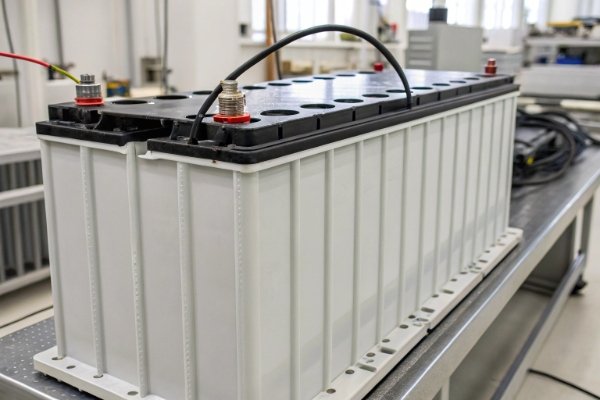
The safety of lithium batteries is a huge topic. Many people ask me about the materials involved. From my factory floor, I have seen how crucial each component is. Let’s start with the basics of the separator itself. It is more than just a simple divider. Its material composition is key to the battery’s function and safety. Understanding this helps explain why coatings are so important.
What are the materials used in lithium-ion battery separators?
Confused by battery jargon? Separators are a mystery to many. They are thin plastic films, but their material choice is critical for battery life and preventing internal shorts.
Lithium-ion battery separators are typically made from polyolefin materials like polyethylene (PE) and polypropylene (PP). These porous membranes physically separate the anode and cathode while allowing lithium ions to pass through, preventing short circuits.
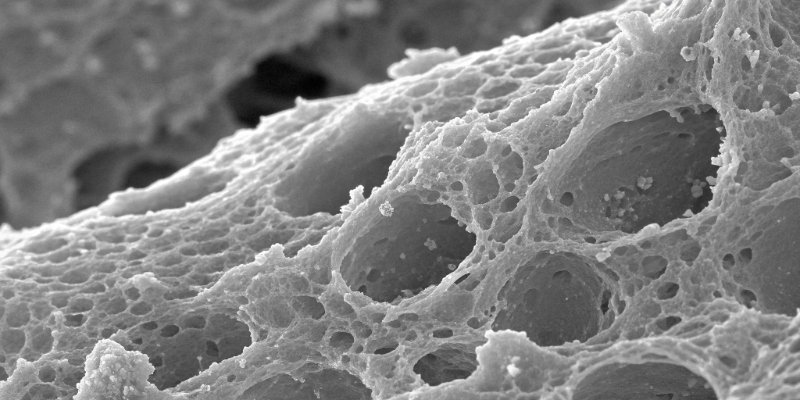
The choice between PE and PP is not random. It is about balancing safety and performance. I have learned that these materials have different melting points, which is very important. When a battery gets too hot, the separator needs to shut down its pores to stop ion flow. It must do this without completely melting and causing a short. This is where coatings come in. A simple polyolefin separator has limits. That is why we apply ceramic coatings1, like aluminum hydroxide, to improve its thermal stability2 and strength.
Separator Material Properties
| Material | Melting Point | Key Feature |
|---|---|---|
| Polyethylene (PE) | ~135°C | Lower shutdown temperature |
| Polypropylene (PP) | ~165°C | Higher melt integrity |
By using multi-layer separators, like PP/PE/PP, manufacturers combine these properties. But the real game-changer is the coating. It adds a protective layer that resists heat far better than the base polymer alone. This is a critical upgrade for modern, high-energy batteries.
How is aluminum used in a lithium-ion battery?
Think aluminum is just for cans? It is a key player inside your batteries. Its role is often overlooked but is essential for safety and performance in modern energy storage.
Aluminum is used in two main ways. Aluminum foil serves as the current collector for the cathode. More importantly, aluminum hydroxide is used as a ceramic coating on the separator to significantly improve thermal stability and prevent short circuits.
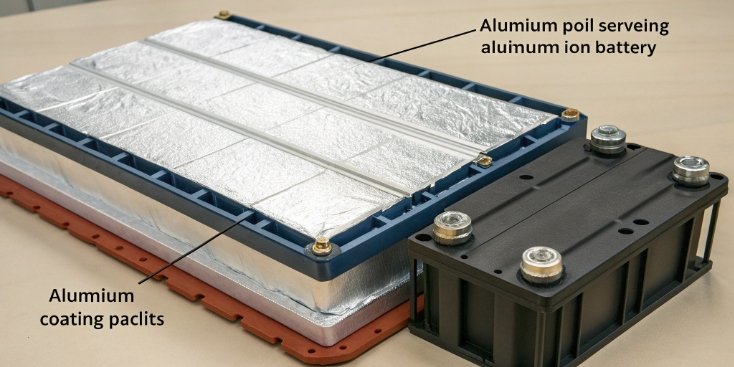
In my factory, we produce aluminum hydroxide specifically for these coatings. It is not just any aluminum compound. We control particle size and purity very carefully. When a battery overheats, the standard separator can shrink, causing the electrodes to touch. Our aluminum hydroxide coating creates a heat-resistant barrier. It does not shrink because it decomposes at over 300°C. This process absorbs a lot of heat and prevents the catastrophic failure known as thermal runaway3.
Aluminum’s Roles in Batteries
- Current Collector: Aluminum foil is standard for cathodes. It is lightweight, conductive, and forms a stable protective layer.
- Separator Coating: We apply aluminum hydroxide particles to the separator. This enhances safety. It also has surface hydroxyl groups that help the separator absorb electrolyte 20-30% better. This lowers the battery’s internal resistance and allows for faster charging. It is a simple addition that delivers big results in safety and performance.
What is the use of lithium hydroxide in batteries?
You have heard of lithium batteries, but what about lithium hydroxide? This specific compound is becoming more important. It is crucial for making the high-performance cathodes that power today’s best electric vehicles.
Lithium hydroxide is a key raw material used to produce high-nickel cathode materials like NCA (Nickel Cobalt Aluminum) and NCM (Nickel Cobalt Manganese). These cathodes offer higher energy density, enabling longer battery life and vehicle range.
It is important not to confuse lithium hydroxide4 with the aluminum hydroxide I produce. They serve completely different functions. My product focuses on the separator for safety. Lithium hydroxide is a primary ingredient for the cathode’s active material. The trend is towards cathodes with more nickel for higher energy density5. Synthesizing these high-nickel materials requires lower temperatures. Lithium hydroxide is better for this process than the alternative, lithium carbonate. As a supplier, I often speak with buyers like Mr. Park who deal with the entire supply chain. Understanding the difference between these materials is vital for making smart purchasing decisions. It ensures all components of the battery system work together effectively. It is a complex puzzle, and every piece matters.
Is Tesla making an aluminum ion battery?
Is aluminum the future of batteries, replacing lithium? Rumors about Tesla and aluminum-ion technology are everywhere. Let’s separate the facts from the hype and see what is really happening.
No, Tesla is not currently making aluminum-ion batteries for its vehicles. While aluminum-ion is a promising research area for its potential low cost and safety, it faces big challenges with energy density and cycle life compared to current lithium-ion technology.
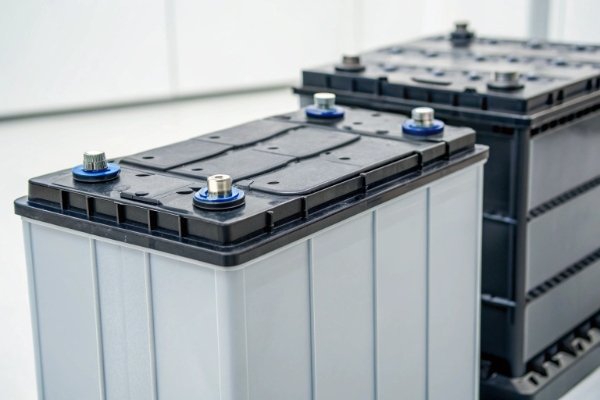
From my perspective in the aluminum hydroxide industry, this is an interesting topic. Aluminum-ion technology is very different from how we use aluminum hydroxide today. An aluminum-ion battery would use aluminum as the charge carrier, just like a lithium-ion battery uses lithium. The potential benefits are huge because aluminum is abundant and cheap. But the science is still young. Right now, the focus for companies like Tesla is on improving the existing lithium-ion platform. This is where my product comes in. We are making today’s lithium-ion batteries safer and more efficient with aluminum hydroxide coatings. This is a proven technology that is growing fast.
Comparing Battery Technologies
| Feature | Lithium-Ion (Current) | Aluminum-Ion (Future) |
|---|---|---|
| Energy Density | High | Lower (currently) |
| Cost | Moderate | Potentially Very Low |
| Safety | Needs management (coatings) | Potentially Higher |
| Status | Commercial | Research & Development |
While we watch new research with interest, our mission is to provide the materials that make today’s batteries better.
Conclusion
Aluminum hydroxide is not just a material. It is a key safety and performance enhancer for today’s lithium batteries, with a strong market outlook for the future of energy storage.
-
Explore how ceramic coatings like aluminum hydroxide improve thermal stability and safety in batteries. ↩
-
Learn about the importance of thermal stability in preventing battery failures and enhancing safety. ↩
-
Understanding thermal runaway is essential for battery safety; discover its causes and prevention methods. ↩
-
Discover the importance of lithium hydroxide in producing high-performance cathodes for electric vehicles. ↩
-
Understand the concept of energy density and its significance in battery technology. ↩

You may also be interested in:

What protective measures should be taken when handling aluminum hydroxide powder in a factory?
Are you worried about worker safety when handling fine powders? Aluminum hydroxide is generally safe, but mishandling its dust can lead to serious respiratory issues and even create explosive conditions.

What Key Technical Indicators Should Be Considered When Purchasing Aluminum Hydroxide?
Are you struggling to find the right aluminum hydroxide for your needs? You might be paying for features you don’t even require. Let’s simplify the technical details. When buying aluminum

What are the market trends for aluminum hydroxide in 2026?
Are you planning your 2026 raw material purchases? Volatile markets make it hard. I will share insights from the factory floor to help you make better decisions for your business.

Is aluminum hydroxide toxic and is it harmful to the human body?
Worried about the word "aluminum" in your products? It sounds scary and can make you question its safety. I’m here to clear up the confusion with simple facts. Aluminum hydroxide

What are the side effects of long-term use of stomach medications containing aluminum hydroxide?
Struggling with constant heartburn? Reaching for that stomach medicine might seem like the only option. But what if that relief comes with hidden long-term costs? The most common side effect

Does ingesting aluminum (such as through aluminum hydroxide) cause Alzheimer's disease?
Are you worried that everyday products containing aluminum might be harmful? This fear connects to serious health concerns like Alzheimer’s, making you question what is safe. Let’s look closely. Based

Why do some vaccines contain aluminum hydroxide (aluminum adjuvant)?
Confused about vaccine ingredients? Seeing aluminum hydroxide listed can be unsettling. I’ll explain its crucial role and why it’s there to help your body build strong immunity. Aluminum hydroxide acts

Is the aluminum adjuvant in vaccines safe for infants or adults?
You read about vaccine ingredients and worry. The word "aluminum" sounds scary, especially when talking about babies. But understanding the facts can give you peace of mind. Yes, the aluminum

What environmental problems are generated during the production of aluminum hydroxide?
Worried about environmental compliance in your supply chain? Sourcing from China can be complex. You need a reliable, eco-conscious partner for your aluminum hydroxide needs. The main environmental issue is

Where are China's main aluminum hydroxide production areas?
Are you struggling to find the right aluminum hydroxide supplier in China? This confusion can lead to higher costs and unstable quality, which hurts your business and your reputation. China’s