
What are the advantages and disadvantages of aluminum hydroxide flame retardant?
November 23, 2025 by Lee On
Worried about fire safety but also concerned about toxic chemicals? You need a solution that protects without polluting. Aluminum hydroxide flame retardant offers a unique, balanced solution for you.
Aluminum hydroxide’s main advantage is its eco-friendly nature. It releases water when heated, cooling surfaces and diluting oxygen. However, its main disadvantage is needing a high addition amount, which can sometimes weaken the final product’s mechanical properties.
Understanding this balance is key for any buyer. As someone who has managed the production of aluminum hydroxide for years, I’ve seen firsthand how these properties play out in real-world applications. It’s not just about what the data sheet says; it’s about how the material performs in your specific process. Let’s explore these points more, so you can make the best choice for your product line. I want to give you the direct factory perspective, something you might not get from a typical trading company.
What are the benefits of aluminium hydroxide?
Seeking a reliable, cost-effective flame retardant? High prices and complex chemical compounds can be frustrating. Aluminum hydroxide offers a simple, powerful, and affordable solution for many common applications.
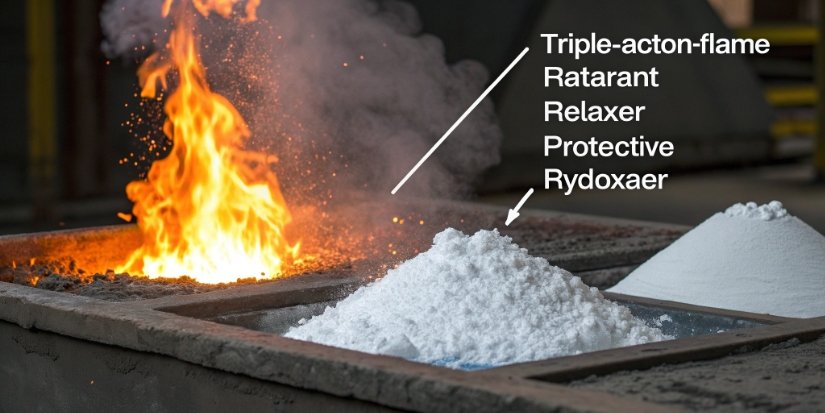
The key benefits are its non-toxic nature, low cost, and unique triple-action flame retardancy. It cools the material, releases water vapor to block oxygen, and forms a protective char layer. This makes it a safe and efficient choice.
Let’s dive deeper into why these benefits are so important. From my factory in Henan, we see customers choosing aluminum hydroxide for very specific reasons. It’s more than just a filler; it’s a functional additive that solves multiple problems at once.
Eco-Friendly and Safe
The biggest selling point is safety. When aluminum hydroxide is heated, it breaks down into aluminum oxide1 and water. Both of these are completely non-toxic. This is very different from older halogenated flame retardants2, which can release toxic and corrosive gases during a fire. Because its byproducts are harmless, it meets strict environmental standards like RoHS. This makes it perfect for consumer goods, electronics, and automotive interiors where human contact and environmental impact are major concerns. Its chemical stability also means it won’t leach out of the product over time.
Effective Heat Absorption
Aluminum hydroxide3 works by endothermic decomposition4. This means it absorbs a large amount of heat from its surroundings to break down. Specifically, it absorbs about 1,170 kilojoules of energy for every kilogram. This action dramatically cools the surface of the burning material, slowing down the combustion process and preventing the fire from spreading. It essentially removes the "heat" element from the fire triangle5, making it a very effective fire suppressor in the initial stages of a fire.
Cost-Effective Solution
From a business perspective, price is always a major factor. The raw materials for aluminum hydroxide are abundant, and the production process is mature. Here in China, we can produce it at a very competitive cost. This allows you to add effective flame retardancy to your products without significantly increasing your expenses. For a general manager like Mr. Park, this means you can provide safer products to your customers while maintaining healthy profit margins, a key advantage when distributing to various local factories.
| Benefit | Description | Impact on Final Product |
|---|---|---|
| Non-Toxic | Decomposes into alumina and water. | Safe for consumer and environmental use. |
| Heat Absorption | Endothermic reaction cools the material. | Slows fire spread and reduces surface temperature. |
| Low Cost | Abundant raw materials and mature production. | Lowers the total cost of flame retardant formulation. |
| Smoke Suppression | Releases water vapor, which dilutes smoke. | Increases visibility during a fire, aiding escape. |
Is aluminum hydroxide a flame retardant?
Confused by all the different chemical names in the industry? It can be hard to know which compound does what. Aluminum hydroxide is often discussed, but is it truly a flame retardant?
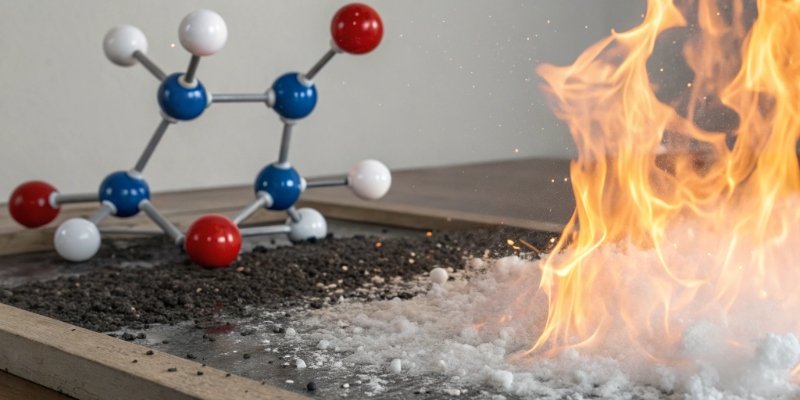
Yes, aluminum hydroxide is a widely used inorganic flame retardant. It works not by a chemical reaction with the fire, but by physically decomposing when heated. It releases water and absorbs a large amount of heat, effectively suppressing the flame.
The way it works is quite different from other types of flame retardants, and understanding this mechanism is key to using it correctly. In my experience, customers who understand how it works are much more successful in their formulations. It’s not just about adding a white powder; it’s about leveraging a physical process.
The Mechanism: Endothermic Decomposition
The primary function is a physical one. When the temperature rises to around 220°C, aluminum hydroxide (ATH) begins to decompose. This decomposition is an endothermic reaction, meaning it requires energy in the form of heat. It pulls heat directly from the fire, which cools the polymer it’s mixed into. By lowering the temperature of the material below the point of ignition, it stops the fire from sustaining itself. This is a very direct and effective way to fight fire at its source.
Diluting Oxygen with Water Vapor
As the aluminum hydroxide breaks down, it releases a significant amount of water vapor (about 34% of its weight). This steam acts as a diluent. It displaces the oxygen in the air immediately surrounding the fire. Without sufficient oxygen, the fire cannot continue to burn. I like to tell my clients to think of it as creating a "steam barrier" between the fuel and the air. This effect also helps to suppress smoke, which is a critical factor for safety in enclosed spaces.
Forming a Protective Layer
After the water is released, what remains is aluminum oxide (Al₂O₃), a very stable, heat-resistant ceramic material. This material forms a protective char layer6 on the surface of the polymer. This layer acts as an insulator, shielding the underlying material from the heat of the flame and preventing further breakdown. It also stops flammable gases from escaping the polymer, which would otherwise fuel the fire. This combination of cooling, oxygen dilution, and forming a protective barrier makes aluminum hydroxide a multi-faceted flame retardant.
| Mechanism | Action | Result |
|---|---|---|
| Endothermic Decomposition | Absorbs heat from the fire. | Cools the material’s surface. |
| Water Vapor Release | Displaces oxygen around the flame. | Suffocates the fire. |
| Char Layer Formation | Creates an insulating alumina barrier. | Protects underlying material from heat. |
What are the disadvantages of flame retardant?
You found a promising material, but you are worried about the hidden downsides? High performance can sometimes come with trade-offs. It is very important to know the limitations before you commit.
The main disadvantages of aluminum hydroxide are its relatively low flame retardant efficiency and processing challenges. You need to add a lot (sometimes up to 50%), which can impact the material’s strength, flexibility, and manufacturing process.
As a manufacturer, I believe in being transparent about our product’s limitations. It helps our customers avoid problems and find the right solutions. Acknowledging these disadvantages is the first step to overcoming them, either through formulation adjustments or by choosing the right application.
High Loading Levels Required
Aluminum hydroxide is a physical flame retardant, not a chemical one. This means you need a lot of it to be effective. Typical loading levels are between 20% and 50% of the total weight of the compound. In contrast, some chemical flame retardants work at just 5-10% loading. This high loading level means that a large portion of your final product is the flame retardant itself. This can be a major issue in applications where the properties of the base polymer are critical. It’s a trade-off: you get a safe, non-toxic product, but you have to use more of it.
Impact on Mechanical Properties
When you add a large amount of any filler to a polymer, it changes its properties. Adding 50% aluminum hydroxide can make a flexible plastic more rigid and brittle. It can reduce tensile strength and impact resistance. For applications like wire and cable insulation, which need to be flexible, this is a serious challenge. We often work with customers to find the right balance, for example, by using surface-treated aluminum hydroxide which bonds better with the polymer and has less impact on mechanical properties.
Limited Processing Temperature
Aluminum hydroxide starts to decompose and release water at around 220°C. This means it cannot be used in polymers that require high processing temperatures, such as polycarbonate (PC) or nylon (PA), which are often processed above 250°C. If you try, the flame retardant will decompose inside your extruder, releasing water vapor that can cause voids and surface defects in the final part. This limits its use to polymers with lower processing temperatures, like polyethylene (PE), polypropylene (PP), and PVC.
| Disadvantage | Description | How to Manage It |
|---|---|---|
| High Loading Needed | Requires 20-50% addition for effectiveness. | Use in applications where high filler content is acceptable. |
| Affects Mechanicals | Can reduce flexibility and strength. | Use surface-treated grades; combine with other additives. |
| Low Temp Limit | Decomposes above 220°C. | Use only in polymers processed below this temperature. |
| Hygroscopic | Tends to absorb moisture from the air. | Store in sealed, dry conditions before use. |
What are the dangers of aluminum hydroxide?
Are you concerned about workplace safety and environmental impact? The word "chemical" can be alarming sometimes. It’s important to separate the real hazards from any unfounded fears about a material.
In its standard form, aluminum hydroxide is considered non-toxic and safe to handle. It is not flammable, corrosive, or reactive. The primary hazard is the inhalation of fine dust during processing, a common risk with any mineral powder.
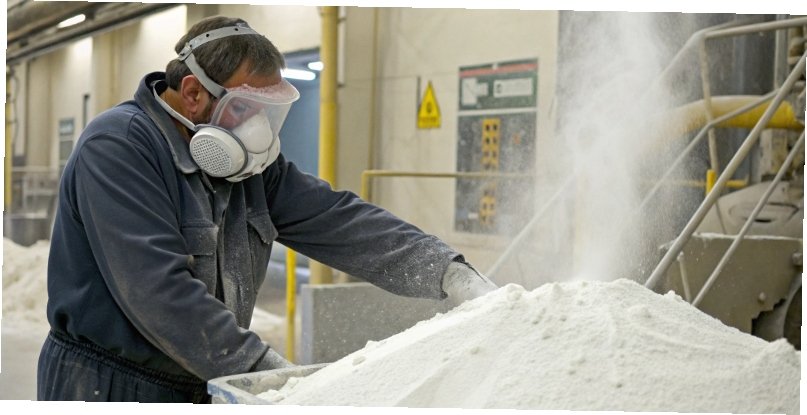
Safety is our number one priority in the factory. We handle tons of this material every day, so I can speak with confidence about its real-world safety profile. The dangers are well-understood and, more importantly, very easy to manage with standard industrial practices.
Assessing Toxicity and Chemical Reactivity
From a chemical standpoint, aluminum hydroxide is very safe. It is an inert, stable compound. In fact, it’s so safe that a purified form of it is used as an active ingredient in antacids to neutralize stomach acid. It is not classified as a hazardous substance. When it performs its function as a flame retardant, its decomposition products are aluminum oxide and water—both are harmless. This is a massive advantage over halogen-based flame retardants, which can create highly toxic dioxins and corrosive hydrogen halides in a fire. For any company focused on health and safety, this is a critical point.
The Real Hazard: Dust Inhalation
The main practical risk associated with aluminum hydroxide is not chemical, but physical. Like any fine mineral powder such as silica or calcium carbonate, its dust can be a respiratory irritant. If workers are exposed to high concentrations of the dust over long periods without protection, it can lead to respiratory issues. However, this risk is easily managed. In my facility, all workers handling the powder are required to wear proper personal protective equipment (PPE), specifically dust masks or respirators. We also use industrial ventilation and dust collection systems to keep the air clean. These are standard safety procedures for handling any industrial powder, so no special or expensive equipment is needed.
Environmental Impact
The environmental profile of aluminum hydroxide is excellent. It is naturally derived from bauxite ore and its use does not lead to the release of persistent organic pollutants. Since it contains no halogens (chlorine or bromine), there is zero risk of forming toxic dioxins during incineration or accidental fires. This makes products containing aluminum hydroxide easier to recycle and dispose of at the end of their life. For companies operating in markets with strict environmental regulations like Europe, using aluminum hydroxide can be a significant compliance advantage.
Conclusion
Aluminum hydroxide is a safe, eco-friendly, and cost-effective flame retardant. It is ideal for low-temperature applications, but always be mindful of its impact on material properties at high loading levels.
-
Learn about aluminum oxide’s properties and its significance in fire safety applications. ↩
-
Understand the risks associated with halogenated flame retardants compared to safer alternatives. ↩
-
Explore the unique benefits of Aluminum hydroxide, including its eco-friendly properties and effectiveness in fire safety. ↩
-
Learn about endothermic decomposition and its role in effective fire suppression. ↩
-
Discover the fire triangle concept and its importance in understanding fire dynamics. ↩
-
Understand the function of protective char layers in enhancing fire resistance. ↩

You may also be interested in:

What protective measures should be taken when handling aluminum hydroxide powder in a factory?
Are you worried about worker safety when handling fine powders? Aluminum hydroxide is generally safe, but mishandling its dust can lead to serious respiratory issues and even create explosive conditions.

What Key Technical Indicators Should Be Considered When Purchasing Aluminum Hydroxide?
Are you struggling to find the right aluminum hydroxide for your needs? You might be paying for features you don’t even require. Let’s simplify the technical details. When buying aluminum

What are the market trends for aluminum hydroxide in 2026?
Are you planning your 2026 raw material purchases? Volatile markets make it hard. I will share insights from the factory floor to help you make better decisions for your business.
Is aluminum hydroxide toxic and is it harmful to the human body?
Worried about the word "aluminum" in your products? It sounds scary and can make you question its safety. I’m here to clear up the confusion with simple facts. Aluminum hydroxide

What are the side effects of long-term use of stomach medications containing aluminum hydroxide?
Struggling with constant heartburn? Reaching for that stomach medicine might seem like the only option. But what if that relief comes with hidden long-term costs? The most common side effect

Does ingesting aluminum (such as through aluminum hydroxide) cause Alzheimer's disease?
Are you worried that everyday products containing aluminum might be harmful? This fear connects to serious health concerns like Alzheimer’s, making you question what is safe. Let’s look closely. Based

Why do some vaccines contain aluminum hydroxide (aluminum adjuvant)?
Confused about vaccine ingredients? Seeing aluminum hydroxide listed can be unsettling. I’ll explain its crucial role and why it’s there to help your body build strong immunity. Aluminum hydroxide acts

Is the aluminum adjuvant in vaccines safe for infants or adults?
You read about vaccine ingredients and worry. The word "aluminum" sounds scary, especially when talking about babies. But understanding the facts can give you peace of mind. Yes, the aluminum

What environmental problems are generated during the production of aluminum hydroxide?
Worried about environmental compliance in your supply chain? Sourcing from China can be complex. You need a reliable, eco-conscious partner for your aluminum hydroxide needs. The main environmental issue is

Where are China's main aluminum hydroxide production areas?
Are you struggling to find the right aluminum hydroxide supplier in China? This confusion can lead to higher costs and unstable quality, which hurts your business and your reputation. China’s