
That uncomfortable burning in your chest after a meal can ruin your day. You’re looking for quick relief but are unsure where to turn. The pain makes it hard to focus on anything else.
Antacids are medicines that neutralize the acid in your stomach to relieve indigestion and heartburn. [1, 6] They work because they contain alkaline chemicals that counteract stomach acid, making the stomach’s contents less corrosive and relieving the burning sensation associated with acid reflux. [1]
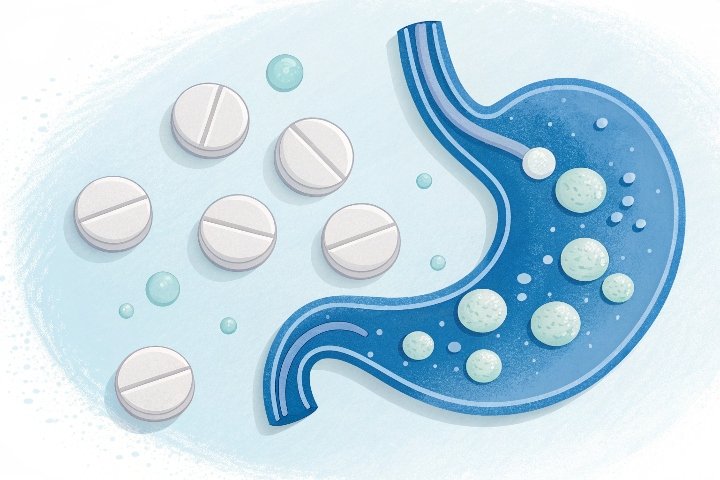
I remember talking with Mr. Park, a general manager from a Korean trading company. He’s an expert in sourcing pharmaceutical raw materials and knows the industry inside and out. He told me how crucial it is for his clients, the local pharmaceutical factories, to have reliable and effective ingredients. This is a big reason why my factory in China, which produces aluminum hydroxide1, an active ingredient in many antacids, is now directly connecting with overseas customers. [2] We want to ensure that companies like Mr. Park’s get the best quality straight from the source. Understanding how these products work from the raw material stage all the way to the final consumer is fascinating and drives me to provide the best.
What are examples of antacids?
You’re standing in the pharmacy aisle, overwhelmed by the choices. All the boxes promise relief, but the names are confusing. You just want something that works without having to decipher complex labels.
Common over-the-counter antacid brands include Tums, Mylanta, Rolaids, and Gaviscon. [2, 9] These products contain active ingredients like calcium carbonate, aluminum hydroxide, and magnesium carbonate, which work to neutralize stomach acid and provide fast relief from heartburn and indigestion symptoms. [4, 6]
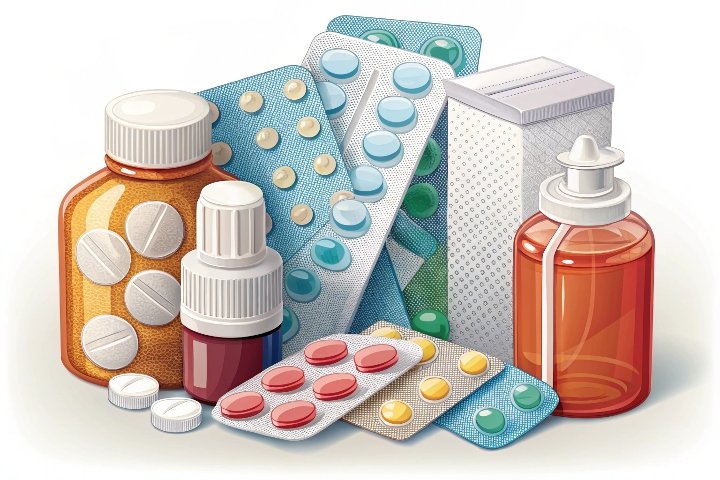
A Closer Look at Active Ingredients
When you look at different antacids, you’ll see they have different main ingredients. [2] Each one works a bit differently and might be better for certain people. It’s like choosing the right tool for a job. For someone like Mr. Park, who deals with pharmaceutical raw materials, understanding these differences is key to sourcing the right products for his market in South Korea. He needs to know not just the brand names, but the science behind them. This knowledge helps him serve his local pharmaceutical companies better. From my perspective as a producer of aluminum hydroxide, it is important to understand the end-use of my product. [7]
Here’s a simple breakdown of the most common active ingredients found in antacids:
| Active Ingredient | How it Works | Common Brands |
|---|---|---|
| Calcium Carbonate | A fast-acting and potent acid neutralizer. | Tums, Rolaids [4, 9] |
| Aluminum Hydroxide | Works more slowly but provides longer-lasting relief. [17] | Mylanta, Gaviscon, Maalox [9, 10] |
| Magnesium Hydroxide | A fast-acting neutralizer, often combined with aluminum hydroxide. [9] | Mylanta, Maalox |
| Sodium Bicarbonate | Very fast-acting, but its effects are brief. [5] | Alka-Seltzer [4] |
Understanding these basic differences can help you pick the best option for your needs.
What food has antacids?
Relying on medication all the time isn’t ideal. You wonder if there’s a more natural way to manage occasional heartburn. Changing your diet seems like a good place to start, but you’re unsure which foods help.
Some foods have natural antacid properties and can help neutralize stomach acid. [21] These include alkaline foods like bananas, melons, and cauliflower, as well as high-fiber options like oatmeal and brown rice, which can help absorb stomach acid and reduce symptoms of acid reflux. [23, 16]
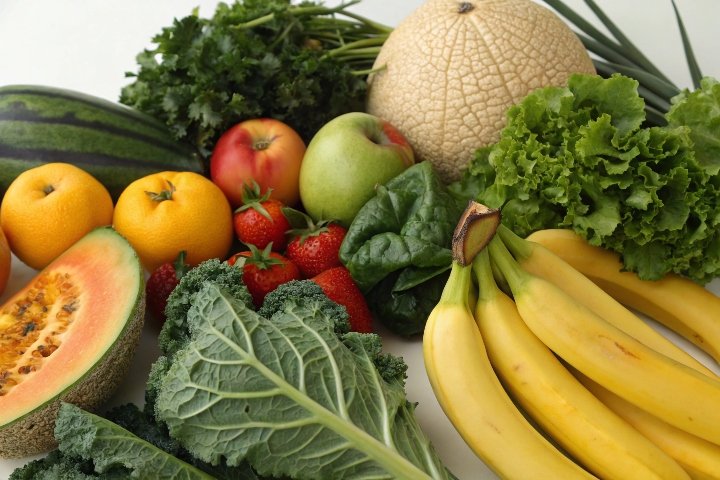
Eating for Comfort
It’s interesting how simple dietary changes2 can make a difference. I once had a conversation with Mr. Park about the rising interest in natural health remedies in South Korea. He mentioned that while his company primarily deals with pharmaceutical ingredients, he’s noticed a growing consumer trend toward wellness3 and prevention, which includes diet. This perspective is valuable because it shows that our work, even in producing a specific compound like aluminum hydroxide, is part of a larger healthcare picture that includes lifestyle choices.
Here are some food groups that can help manage acid reflux:
Alkaline Foods
These foods have a higher pH, which can help offset strong stomach acid. [23]
- Bananas: This low-acid fruit can help by coating an irritated esophageal lining. [22]
- Melons: Cantaloupe and honeydew are good low-acid choices. [22]
- Leafy Greens: Vegetables like broccoli are thought to have an alkalizing effect. [16]
- Nuts: Almonds are alkaline and may help neutralize stomach acid. [21]
High-Fiber Foods
Fiber helps with digestion and can make you feel full, which reduces the chance of overeating that can trigger heartburn. [23]
- Oatmeal: A great breakfast option that can absorb acid in the stomach. [22]
- Whole Grains: Think brown rice and whole-wheat bread. [21]
Water-Rich Foods
These foods can dilute and weaken stomach acid. [23]
- Cucumber & Celery: These are high in water and can have a soothing effect. [23]
- Watermelon: This fruit is over 90% water and has anti-inflammatory properties. [22]
Making small, consistent changes to what you eat can be a great first step in managing discomfort.
What is an antacid?
You keep hearing the term "antacid," but what does it really mean? People say it helps with heartburn, but how? You want a simple, clear explanation without all the complicated scientific jargon.
An antacid is a substance that neutralizes the acidity in your stomach. [5] It’s used to get quick relief from symptoms like heartburn, indigestion, or an upset stomach. [5] Antacids work by using alkaline compounds to counteract the gastric acid, making it less corrosive. [1]

The Basic Chemistry of Relief
The science behind antacids is quite direct. Stomach acid, which is primarily hydrochloric acid, is very acidic, with a low pH. [8] Antacids4 are bases, which are the chemical opposite of acids. [1] When you take an antacid, a simple neutralization reaction happens in your stomach. The base reacts with the acid, bringing the stomach’s pH level closer to neutral. This reduces the irritation to your stomach lining and esophagus. [1]
As someone who works with aluminum hydroxide daily, I see this principle in action from the very beginning of the supply chain. [7] We handle the raw material that eventually becomes the active ingredient in many of these products. It’s rewarding to know that the compound we carefully process in our Henan factory provides the chemical basis for the relief so many people seek. Talking with buyers like Mr. Park reinforces the importance of quality control. The purity of the aluminum hydroxide directly impacts the effectiveness of the final antacid product that helps a consumer feeling discomfort. It’s a clear line from our production floor to someone’s medicine cabinet, a responsibility we take very seriously.
Is Gaviscon an antacid?
You’ve seen Gaviscon on the shelf next to other heartburn remedies. It seems popular, but you’re not sure if it’s just another antacid or if it does something different. You want to know if it’s the right choice for your symptoms.
Yes, Gaviscon is an antacid used to treat heartburn and indigestion. [19] It contains antacid ingredients like aluminum hydroxide and magnesium carbonate to neutralize stomach acid, but it also has a unique ingredient called alginic acid that creates a protective barrier on top of stomach contents. [10, 15]
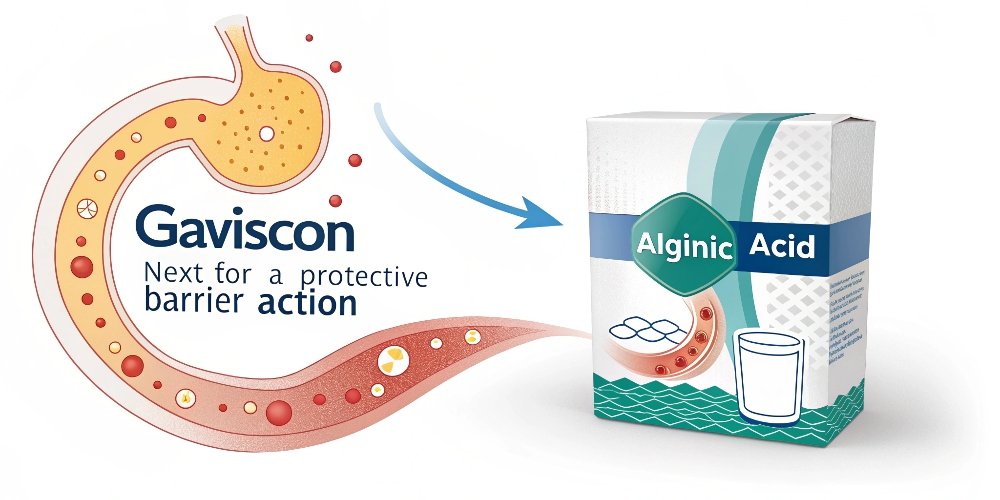
Gaviscon’s Unique Approach
What makes Gaviscon different from many other antacids is its dual-action formula. [14] While its antacid components get to work neutralizing acid, the alginate is the key player that sets it apart.
Here’s how it works:
- Neutralization: Like other antacids, the aluminum hydroxide and magnesium carbonate in Gaviscon work to neutralize excess stomach acid, providing quick relief from pain and discomfort. [10]
- Barrier Formation: The sodium alginate reacts with stomach acid to form a thick, gel-like layer, or "raft," that floats on top of the stomach contents. [15, 20]
This raft acts as a physical barrier. [11] It helps keep the stomach acid and other contents down in the stomach, preventing them from splashing back up into the esophagus (food pipe), which is what causes the burning pain of heartburn5. [14] So, while it is an antacid, it also provides this extra protective step. From my manufacturing background, creating a product with a dual function like this is quite clever. It requires a precise formulation to ensure both actions are effective. For a buyer like Mr. Park, offering a product like Gaviscon to pharmaceutical companies provides them with a solution that offers more than simple acid neutralization.
Conclusion
In short, antacids neutralize stomach acid for quick relief. You can find them in many forms and brands, and even some foods offer natural relief, giving you options.
-
Learn about aluminum hydroxide’s role in antacids and its effectiveness in neutralizing stomach acid. ↩
-
Learn how simple dietary changes can significantly reduce heartburn symptoms. ↩
-
Understand the growing trend towards wellness and prevention in healthcare and its implications. ↩
-
Explore the benefits of antacids to understand how they can provide quick relief from heartburn and indigestion. ↩
-
Understanding heartburn causes and treatments can help you manage symptoms effectively. ↩

You may also be interested in:

What protective measures should be taken when handling aluminum hydroxide powder in a factory?
Are you worried about worker safety when handling fine powders? Aluminum hydroxide is generally safe, but mishandling its dust can lead to serious respiratory issues and even create explosive conditions.

What Key Technical Indicators Should Be Considered When Purchasing Aluminum Hydroxide?
Are you struggling to find the right aluminum hydroxide for your needs? You might be paying for features you don’t even require. Let’s simplify the technical details. When buying aluminum

What are the market trends for aluminum hydroxide in 2026?
Are you planning your 2026 raw material purchases? Volatile markets make it hard. I will share insights from the factory floor to help you make better decisions for your business.
Is aluminum hydroxide toxic and is it harmful to the human body?
Worried about the word "aluminum" in your products? It sounds scary and can make you question its safety. I’m here to clear up the confusion with simple facts. Aluminum hydroxide

What are the side effects of long-term use of stomach medications containing aluminum hydroxide?
Struggling with constant heartburn? Reaching for that stomach medicine might seem like the only option. But what if that relief comes with hidden long-term costs? The most common side effect

Does ingesting aluminum (such as through aluminum hydroxide) cause Alzheimer's disease?
Are you worried that everyday products containing aluminum might be harmful? This fear connects to serious health concerns like Alzheimer’s, making you question what is safe. Let’s look closely. Based

Why do some vaccines contain aluminum hydroxide (aluminum adjuvant)?
Confused about vaccine ingredients? Seeing aluminum hydroxide listed can be unsettling. I’ll explain its crucial role and why it’s there to help your body build strong immunity. Aluminum hydroxide acts

Is the aluminum adjuvant in vaccines safe for infants or adults?
You read about vaccine ingredients and worry. The word "aluminum" sounds scary, especially when talking about babies. But understanding the facts can give you peace of mind. Yes, the aluminum

What environmental problems are generated during the production of aluminum hydroxide?
Worried about environmental compliance in your supply chain? Sourcing from China can be complex. You need a reliable, eco-conscious partner for your aluminum hydroxide needs. The main environmental issue is

Where are China's main aluminum hydroxide production areas?
Are you struggling to find the right aluminum hydroxide supplier in China? This confusion can lead to higher costs and unstable quality, which hurts your business and your reputation. China’s