You read about vaccine ingredients and worry. The word "aluminum" sounds scary, especially when talking about babies. But understanding the facts can give you peace of mind.
Yes, the aluminum adjuvant in vaccines is safe for all ages. The amount used is extremely small and much less than what we get from food and water every day. Our bodies are very good at safely removing this tiny amount.

I’ve spent my career working with aluminum hydroxide1 at my plant in China. I manage its production. I understand this material from the ground up. So when people ask about its safety in medicine, I want to share what I know from a material expert’s point of view. The science is clear, and the data has been trusted for a very long time. Many people have questions, and that’s normal. Let’s look at the most common questions one by one. I want to help you understand why you don’t need to worry.
What are the risks of adjuvants?
You hear about the "risks" and "side effects" of vaccines. It’s natural to feel concerned about something you don’t fully understand, especially when it involves your health.
The most common risks of aluminum adjuvants are minor, local reactions at the injection site. This can include redness, swelling, or a small, temporary lump. These are signs the adjuvant is working to stimulate your immune system.
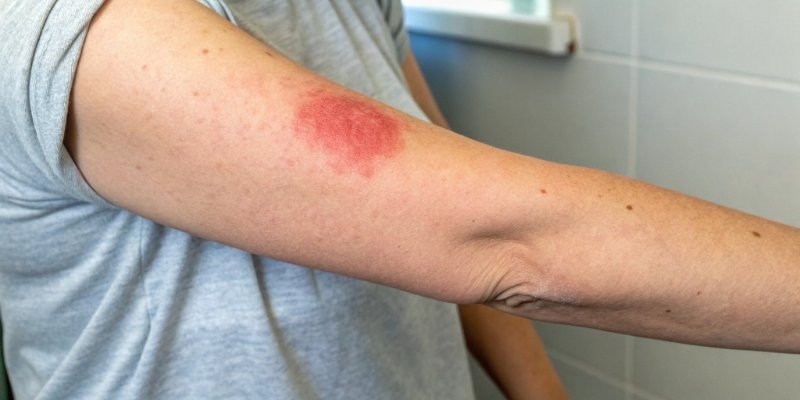
Let’s dive deeper into this. In my factory, we focus on quality control and risk management every single day. We look at data to understand any potential problems. The same applies here. An adjuvant’s job is to get your immune system2‘s attention. Think of it like a flag that tells your body, "Pay attention to this spot!" This is why you get redness or swelling. Your immune system is sending cells to the area to see what’s happening. This local reaction is actually a good sign. It means the vaccine is starting to work as intended.
Systemic, or body-wide, serious side effects3 are extremely rare. The risk of a severe allergic reaction is about one in a million doses. When you compare this to the risk of the diseases that vaccines prevent, the choice becomes very clear.
| Risk Type | Examples | Likelihood |
|---|---|---|
| Common & Mild | Soreness, redness, swelling at injection site, low-grade fever | Common |
| Rare | Itchy rash, body aches | Uncommon |
| Extremely Rare | Severe allergic reaction (anaphylaxis) | About 1 in 1,000,000 |
The benefit of preventing diseases like tetanus, diphtheria, or hepatitis far outweighs the small risk of a sore arm for a day or two.
When were aluminum adjuvants added to vaccines?
Some people think aluminum in vaccines is a new and untested idea. This makes it seem like we are part of a giant experiment. But the truth is they have a very long history.
Aluminum adjuvants have been used safely in vaccines for over 90 years. They were first added to diphtheria and tetanus vaccines in the 1930s to help them create a stronger and longer-lasting immune response.

The history here is important. This isn’t a new technology. In my business, we supply aluminum hydroxide to many industries. My customers, like Mr. Park from a trading company in Korea, value materials with a proven track record. They need to know that a product is consistent and reliable. The same is true in medicine. Aluminum adjuvants were introduced because scientists found that vaccines worked much better with them. The immune response was stronger and lasted longer. This meant people needed fewer shots to get full protection.
For over 90 years, billions of doses of vaccines containing aluminum adjuvant4s have been administered worldwide. This gives us a massive amount of safety data.
| Decade | Milestone |
|---|---|
| 1930s | First used in diphtheria and tetanus vaccines. |
| 1940s | Included in the combined DTP (diphtheria-tetanus-pertussis) vaccine. |
| 1950s-Present | Use expanded to other vaccines like Hepatitis A, Hepatitis B, and HPV. |
This long history shows that the science is not new. It is a well-established, time-tested method for making vaccines more effective and keeping people safe from dangerous diseases.
How long does it take aluminum to leave your body?
You might worry that aluminum from a vaccine stays in your body forever. The idea of a metal building up in you or your child can be very frightening. Let’s look at how our bodies actually handle it.
Most aluminum we consume is never absorbed. For the tiny amount that enters the bloodstream, healthy kidneys are very efficient at filtering it out. Over 95% is typically gone from the body in a matter of days.
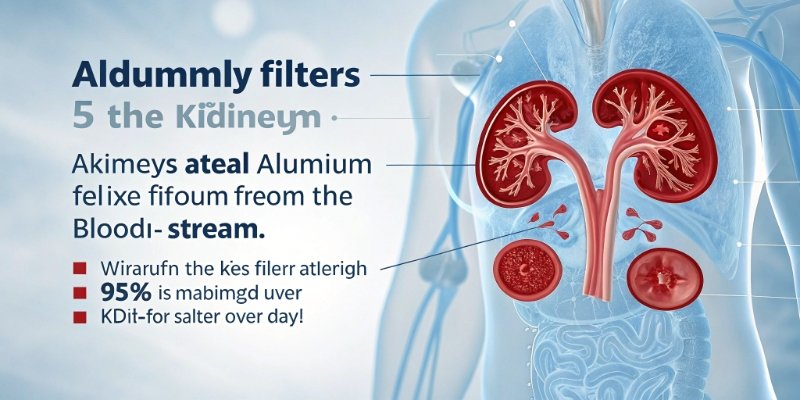
I think about this in terms of my factory’s processes. We have systems for purification and waste removal. Your body has an amazing natural filtration system: your kidneys. When you get a vaccine, the small amount of aluminum adjuvant stays at the injection site for a while. This is part of its job. It releases the antigen slowly to train your immune system2. A very small fraction is absorbed into the bloodstream. Once there, it binds to a protein and travels to the kidneys. The kidneys then filter it out and remove it from your body through urine.
People with healthy kidneys are extremely good at this. The system is fast and effective. This is true for aluminum from all sources, whether it’s the tiny amount from a vaccine or the larger amounts we get from food and water. For example, the average adult consumes 7 to 9 milligrams of aluminum every day from food. A single vaccine dose has less than 0.85 milligrams. Your body processes all of it the same way. The small, one-time dose from a vaccine is very easy for your body to handle.
Does breastmilk have aluminum in it?
Mothers want to do what is best for their baby. You know breastmilk is best, but you worry if you could be passing on aluminum. This can make a new mother feel very anxious.
Yes, breastmilk naturally contains very small amounts of aluminum, and so does infant formula. This is because aluminum is everywhere in our environment, including our food and water. A baby gets far more aluminum from feeding than from vaccines.

As a supplier, I live by numbers and data. When a client asks for a Certificate of Analysis for our aluminum hydroxide, they want precise figures. So let’s look at the numbers here. They provide important context. The data shows that a baby’s diet is their main source of aluminum exposure5. The amount from vaccines is very small in comparison.
Let’s compare the total aluminum a baby receives over their first six months of life.
| Source | Total Aluminum in First 6 Months |
|---|---|
| Vaccines | about 4.4 milligrams |
| Breastmilk | about 7 milligrams |
| Infant Formula | about 38 milligrams |
As you can see, an infant will consume significantly more aluminum from breastmilk or formula than they will receive from all of their vaccines combined. This fact was surprising to me at first, but it makes sense. Aluminum is one of the most common elements on Earth. It is naturally in the soil, so it gets into the plants and water that we (and the animals we eat) consume. The fear about aluminum in vaccines comes from not seeing the whole picture. When you see the data, you realize the amount in vaccines is not a cause for concern.
Conclusion
The small, tested amount of aluminum adjuvant in vaccines is safe. It is much less than your daily exposure, and your body handles it well, making vaccines a very safe choice.
-
Learn about aluminum hydroxide, its uses in vaccines, and its safety from trusted sources. ↩
-
Find out how vaccines work to stimulate the immune system effectively and safely. ↩ ↩
-
Get informed about the rare serious side effects of vaccines and their likelihood. ↩
-
Explore this link to understand the role of aluminum adjuvants in vaccines and their safety profile. ↩
-
Understand the various sources of aluminum exposure for infants and their significance. ↩

You may also be interested in:

What protective measures should be taken when handling aluminum hydroxide powder in a factory?
Are you worried about worker safety when handling fine powders? Aluminum hydroxide is generally safe, but mishandling its dust can lead to serious respiratory issues and even create explosive conditions.

What Key Technical Indicators Should Be Considered When Purchasing Aluminum Hydroxide?
Are you struggling to find the right aluminum hydroxide for your needs? You might be paying for features you don’t even require. Let’s simplify the technical details. When buying aluminum

What are the market trends for aluminum hydroxide in 2026?
Are you planning your 2026 raw material purchases? Volatile markets make it hard. I will share insights from the factory floor to help you make better decisions for your business.

Is aluminum hydroxide toxic and is it harmful to the human body?
Worried about the word "aluminum" in your products? It sounds scary and can make you question its safety. I’m here to clear up the confusion with simple facts. Aluminum hydroxide

What are the side effects of long-term use of stomach medications containing aluminum hydroxide?
Struggling with constant heartburn? Reaching for that stomach medicine might seem like the only option. But what if that relief comes with hidden long-term costs? The most common side effect

Does ingesting aluminum (such as through aluminum hydroxide) cause Alzheimer's disease?
Are you worried that everyday products containing aluminum might be harmful? This fear connects to serious health concerns like Alzheimer’s, making you question what is safe. Let’s look closely. Based

Why do some vaccines contain aluminum hydroxide (aluminum adjuvant)?
Confused about vaccine ingredients? Seeing aluminum hydroxide listed can be unsettling. I’ll explain its crucial role and why it’s there to help your body build strong immunity. Aluminum hydroxide acts

What environmental problems are generated during the production of aluminum hydroxide?
Worried about environmental compliance in your supply chain? Sourcing from China can be complex. You need a reliable, eco-conscious partner for your aluminum hydroxide needs. The main environmental issue is

Where are China's main aluminum hydroxide production areas?
Are you struggling to find the right aluminum hydroxide supplier in China? This confusion can lead to higher costs and unstable quality, which hurts your business and your reputation. China’s
What is the difference between aluminum hydroxide and aluminum oxide, and how can they be converted into each other?
Are you confused by aluminum hydroxide and aluminum oxide? They look similar but have very different uses. Understanding them helps you buy the right material and save money. The main