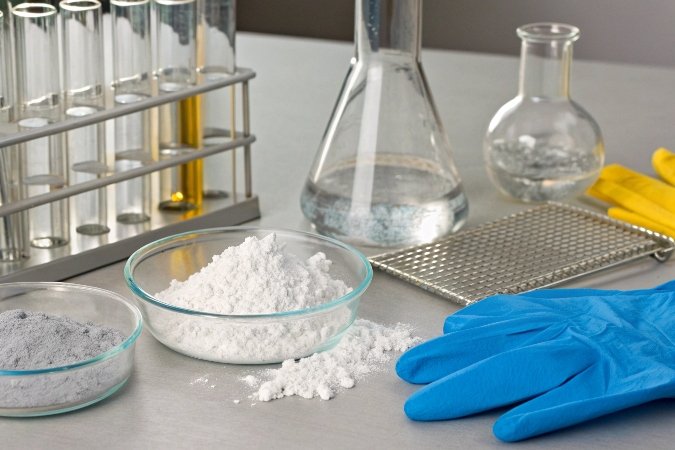
An adolescent needs relief from stomach pain, and a doctor recommends an antacid. But when you see "aluminum" on the label, you hesitate, remembering headlines about metal toxicity and health risks.
When used as directed in approved medications, aluminum hydroxide is considered safe for adolescents. Its chemical form is very poorly absorbed by the body, and any tiny amount that is absorbed is efficiently removed by healthy kidneys.

This question is a serious one, and it’s something I think about often. As a producer, our aluminum hydroxide1 goes into many products, including pharmaceuticals for my customer, Mr. Park in Korea. He needs to trust that the raw material we supply is not only pure but also fundamentally safe for its intended use. The safety of the end-user, whether they are an adult or an adolescent, starts with the quality and understanding of the ingredients. Let’s look at the science behind this important question.
Is aluminum hydroxide safe for children?
A doctor prescribes a common medication for your child containing aluminum hydroxide. You’re worried about giving a "metal" to someone so young and vulnerable, especially for an extended period.
Yes, aluminum hydroxide is considered safe for children when used in appropriate doses for short periods, as directed by a healthcare professional. Regulatory bodies like the FDA have approved it for pediatric applications.

The key to its safety lies in its mechanism and chemistry. When a child takes an antacid containing our product, the aluminum hydroxide works locally in the stomach. Its job is simple: to neutralize excess stomach acid. It is not designed to be absorbed into the bloodstream. It’s a compound built to do its job and then pass through the digestive system. Very little of it is absorbed—we’re talking microgram amounts. A healthy child’s kidneys are more than capable of filtering out these tiny amounts and removing them through urine. The concern would only arise with very high doses2 given over a very long time, which is why following a doctor’s instructions on dose and duration is so critical for children. Essentially, it’s about using the medicine for its intended purpose, not as a daily supplement.
How does aluminum affect children?
You read conflicting information online about aluminum’s effect on child development. It’s confusing and frightening, leaving you wondering what the real risk is for your child from all sources.
High levels of absorbed aluminum can be toxic to a child’s developing nervous system and bones. However, the main source of aluminum exposure is diet, and a healthy body is very effective at blocking and removing it.
It’s crucial to separate the general fear of "aluminum" from the specific risk. The risk isn’t from exposure; it’s from over-absorption and retention. A child’s body has powerful defenses.
- The Gut Barrier: The vast majority of aluminum from food, water, or medication like aluminum hydroxide is not absorbed. It simply passes through the intestines.
- The Kidneys: For the small amount that does get absorbed into the bloodstream, healthy kidneys act as powerful filters. They grab the aluminum and excrete it in urine.
The real danger exists when these systems fail or are overwhelmed. This happens in specific situations:
- Impaired Kidney Function: Children with kidney disease cannot filter out aluminum, so it can build up to toxic levels3.
- Massive, Chronic Doses: Extremely high doses over long periods can overwhelm the body’s natural defenses.
For a healthy child, the minimal exposure from cookware, water, or the proper use of medications is well within the body’s capacity to handle. Dietary sources, like grains and tea, are by far the largest contributors, and even these pose no threat to a healthy child.
Is aluminum toxic for the human body?
The word "aluminum" is often linked with "toxic." This creates a general fear, making it hard to assess the real danger of this common element in our lives, from food to medicine.
Yes, in high concentrations inside the bloodstream, aluminum is toxic, particularly to the brain and bones. However, the human body has excellent defenses. Very little is absorbed, and healthy kidneys filter it out efficiently.

The famous saying in toxicology is "the dose makes the poison." This is perfectly true for aluminum. It is the third most abundant element in the Earth’s crust; we are constantly exposed to it. If it were highly toxic upon simple contact, life would not exist as we know it. The danger is not exposure, but accumulation.
Accumulation only happens when the body’s defenses are compromised. The primary group at risk are patients with chronic renal failure4. Their kidneys do not work, so they cannot filter aluminum from their blood. Over years, the aluminum they absorb from food and water can build up to toxic levels, leading to a condition called "dialysis dementia" and bone disease. This is a very specific, high-risk medical situation. For a person with healthy kidney function5, the body’s ability to excrete aluminum is so efficient that it’s nearly impossible to reach toxic levels from normal environmental or medicinal exposure.
| Body’s Defense System | How It Protects Against Aluminum |
|---|---|
| Gastrointestinal Tract | Blocks the absorption of >99% of ingested aluminum. |
| Bloodstream | Binds aluminum to proteins for transport to the kidneys. |
| Kidneys | Efficiently filter aluminum from the blood into urine. |
Is aluminum hydroxide gel safe for everyone?
You see aluminum hydroxide gel on every pharmacy shelf as a common antacid and assume it must be safe for anyone to take. But the word "everyone" is absolute and can be dangerous.
No, aluminum hydroxide gel is not safe for everyone. It should be avoided by people with severe chronic kidney disease or those on dialysis, as their bodies cannot excrete the small amount of aluminum that gets absorbed.
As a manufacturer, this is the most important safety message. While our product is safe for the vast majority of the population for its intended use, it is critical to know the exceptions. It’s a key part of the responsibility that comes with producing a pharmaceutical-grade material. For an expert like Mr. Park, ensuring this information is clear is part of his duty to his customers.
Here’s a clear breakdown of who needs to be cautious:
- Patients with Severe Kidney Failure: This is the primary group at risk. They cannot excrete aluminum, leading to toxic accumulation. They must strictly avoid aluminum-containing antacids and other sources.
- Premature Infants: Their kidneys are not fully developed, making their ability to excrete aluminum less efficient.
- Anyone Considering Long-Term, High-Dose Use: Using any antacid for more than two weeks without a doctor’s supervision is not recommended. If a person needs an antacid daily for months or years, they may have an underlying condition that requires proper diagnosis, and a doctor should monitor their health.
For the general population using it for occasional heartburn, aluminum hydroxide gel is a safe and effective remedy.
Conclusion
For most people, including adolescents, aluminum hydroxide is safe for short-term use. The risk is not the product itself, but its misuse in individuals with poor kidney function.
-
Explore this link to understand the safety and efficacy of aluminum hydroxide in treating stomach issues in adolescents. ↩
-
Learn about the risks associated with high doses of aluminum hydroxide and safe usage guidelines. ↩
-
Explore the thresholds for aluminum toxicity and how they relate to health risks. ↩
-
Learn about chronic renal failure and its impact on aluminum accumulation in the body. ↩
-
Understand the role of kidney function in filtering aluminum and its implications for health. ↩

You may also be interested in:

What protective measures should be taken when handling aluminum hydroxide powder in a factory?
Are you worried about worker safety when handling fine powders? Aluminum hydroxide is generally safe, but mishandling its dust can lead to serious respiratory issues and even create explosive conditions.

What Key Technical Indicators Should Be Considered When Purchasing Aluminum Hydroxide?
Are you struggling to find the right aluminum hydroxide for your needs? You might be paying for features you don’t even require. Let’s simplify the technical details. When buying aluminum

What are the market trends for aluminum hydroxide in 2026?
Are you planning your 2026 raw material purchases? Volatile markets make it hard. I will share insights from the factory floor to help you make better decisions for your business.

Is aluminum hydroxide toxic and is it harmful to the human body?
Worried about the word "aluminum" in your products? It sounds scary and can make you question its safety. I’m here to clear up the confusion with simple facts. Aluminum hydroxide

What are the side effects of long-term use of stomach medications containing aluminum hydroxide?
Struggling with constant heartburn? Reaching for that stomach medicine might seem like the only option. But what if that relief comes with hidden long-term costs? The most common side effect

Does ingesting aluminum (such as through aluminum hydroxide) cause Alzheimer's disease?
Are you worried that everyday products containing aluminum might be harmful? This fear connects to serious health concerns like Alzheimer’s, making you question what is safe. Let’s look closely. Based

Why do some vaccines contain aluminum hydroxide (aluminum adjuvant)?
Confused about vaccine ingredients? Seeing aluminum hydroxide listed can be unsettling. I’ll explain its crucial role and why it’s there to help your body build strong immunity. Aluminum hydroxide acts

Is the aluminum adjuvant in vaccines safe for infants or adults?
You read about vaccine ingredients and worry. The word "aluminum" sounds scary, especially when talking about babies. But understanding the facts can give you peace of mind. Yes, the aluminum

What environmental problems are generated during the production of aluminum hydroxide?
Worried about environmental compliance in your supply chain? Sourcing from China can be complex. You need a reliable, eco-conscious partner for your aluminum hydroxide needs. The main environmental issue is

Where are China's main aluminum hydroxide production areas?
Are you struggling to find the right aluminum hydroxide supplier in China? This confusion can lead to higher costs and unstable quality, which hurts your business and your reputation. China’s