You see aluminum hydroxide on ingredient lists and worry about its safety. This confusion is normal with so much conflicting information. I will give you a clear, factory-direct answer.
Aluminum hydroxide is generally safe for your skin when used in small, regulated amounts found in cosmetics. It mainly acts as a protective agent. However, direct contact with the pure powder or using it in high concentrations can cause skin irritation.

That simple answer is a good start, but I know it’s not enough, especially for someone who needs to be sure about the ingredients they purchase. As someone who has managed the production of aluminum hydroxide1 for years, I understand the details matter. The difference between a safe product and a potential irritant often comes down to concentration, purity2, and how it is used. Let’s break down exactly what this ingredient does to your skin and when you need to be careful.
What does aluminum hydroxide do to the skin?
You know it is in your products, but you are not sure what it does. This uncertainty can be unsettling. I will explain its specific functions on your skin.
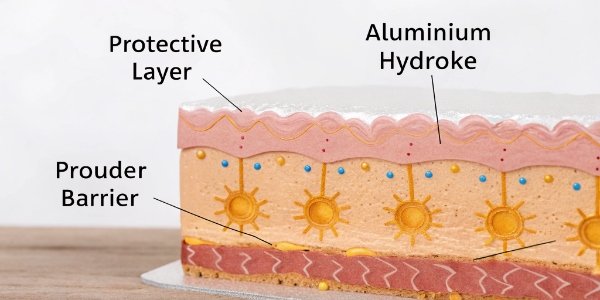
On the skin, aluminum hydroxide primarily acts as a protective agent. It forms a physical barrier, helps make products opaque to block UV rays, and can reduce moisture in antiperspirants. In some medical uses, it also helps soothe minor skin irritations by drying them out.
In my factory, we produce different grades of aluminum hydroxide for very different jobs. The material we supply for a sunscreen is not the same as what we might sell for industrial use. The purity and particle size are critical. Let’s look closer at its main roles in skincare.
As a Protective and Opacifying Agent
One of the main jobs of aluminum hydroxide in cosmetics is to act as a barrier. When applied, it sits on the surface of the skin. This has two key benefits. First, in antiperspirants, it helps to block sweat ducts, which reduces sweating. Second, in sunscreens3 and makeup, it is used as an opacifying agent. This means it makes the product less transparent. It helps other active ingredients, like titanium dioxide or zinc oxide, scatter UV light more effectively, giving you better sun protection. We process our cosmetic-grade material to have a specific particle size to achieve this effect without feeling gritty on the skin.
As a Soothing Agent
Aluminum hydroxide also has mild astringent properties4. This means it can help to dry out weeping or oozing skin. For this reason, you might find it in topical creams used to treat minor skin irritations like rashes from poison ivy. It helps relieve the itch and discomfort by drying the affected area. The grade used for these pharmaceutical applications must be extremely pure. We run extensive tests to ensure there are no contaminants that could make a skin problem worse.
| Function | Product Type | How it Works |
|---|---|---|
| Opacifier | Sunscreen, Foundation | Makes product opaque to help block UV light. |
| Protective Agent | Antiperspirant | Forms a temporary barrier to reduce sweat. |
| Astringent | Medicated Creams | Dries out minor skin irritation5s and reduces oozing. |
Is aluminum hydroxide in cosmetics safe?
You trust your cosmetic brands, but seeing "aluminum" on the label can still make you worry. This doubt can make you question your favorite products. Let me clarify the safety rules.
Yes, aluminum hydroxide is safe in cosmetics when used according to regulations. Global safety panels, like the Cosmetic Ingredient Review (CIR), have approved it. They find it safe in concentrations up to 10.1% in leave-on products, which is far more than most formulas use.
From my position as a supplier, I know that our customers who make cosmetics are extremely strict about these rules. They rely on us to provide a product that meets these safety standards every single time. A finished cosmetic product is very different from the raw material I handle daily.
Regulatory Approval and Concentration Limits
The cosmetic industry is highly regulated for safety. Expert panels review scientific data on each ingredient. For aluminum hydroxide, they looked at its potential for skin irritation, sensitization, and whether it could be absorbed into the body. They concluded that in the small amounts used in cosmetics, it is not a risk for the general population. The limit is set at 10.1% for leave-on products, but most sunscreens or lotions contain much less, often below 2%. At our plant, we provide certificates of analysis with every batch to confirm the purity and properties, so formulators can use it with confidence.
Raw Material vs. Finished Product
It is important to understand the difference between a raw powder and a finished lotion. In the factory, I make sure my team wears gloves and masks when handling pure aluminum hydroxide powder. Direct contact with the concentrated powder can be drying and irritating. But in a cosmetic product, the aluminum hydroxide is just one ingredient among many. It is suspended in a cream or lotion that is designed to be gentle on the skin. The final product is tested to ensure it is not irritating. The risk from using a finished product is extremely low compared to handling the raw material.
| Form | Potential Risk | Safety Measures |
|---|---|---|
| Raw Powder | Skin and respiratory irritation. | Use protective gear (gloves, mask). |
| Finished Cosmetic | Very low; slight irritation in sensitive individuals. | Formulation is tested for safety; concentrations are low. |
Is aluminum hydroxide gel safe for everyone?
You often hear an ingredient is "safe for most people," but you worry if "most" includes you. This is a valid concern, especially with sensitive skin or a health condition. I will explain who needs to be cautious.
No, it may not be safe for everyone. People with very sensitive skin, known allergies to aluminum, or impaired kidney function should be careful. Those with broken or compromised skin barriers should also avoid it, as this could increase absorption.

This is a topic I discuss with clients in the pharmaceutical industry, like Mr. Park from Korea. His background in pharmacology means he understands that a safe ingredient for the general public might not be safe for specific patient populations. The details are very important.
Individuals with Health Conditions
The biggest concern with aluminum is systemic accumulation, meaning it builds up in the body. For a healthy person, the tiny amount of aluminum that might be absorbed through the skin from cosmetics is easily filtered out by the kidneys. However, for someone with poor kidney function6, this filtering process does not work well. Over time, aluminum could build up and potentially affect the nervous system or bones. This is why people with kidney disease are advised to be very cautious with all sources of aluminum, including topical products used over large areas of the body for a long time.
Skin Sensitivity and Allergies
While not common, a small number of people can have an allergic reaction to aluminum. This is called contact dermatitis, and it can cause a red, itchy rash where the product was applied. If you have very sensitive skin or have had reactions to deodorants or sunscreens in the past, it may be a good idea to do a patch test7. Apply a small amount of the new product to your inner arm and wait 24-48 hours to see if a reaction occurs. This helps you identify a sensitivity before using the product all over your face or body.
Is aluminum hydroxide in skincare safe for pregnancy?
Pregnancy makes you carefully check every ingredient you put on your body. The fear of something harming your baby is very real. Let me provide some clear guidance on this topic.
There is no strong evidence showing that aluminum hydroxide in skincare is harmful during pregnancy. However, because detailed studies are lacking, most experts recommend a cautious approach. Pregnant women are often advised to minimize exposure or avoid it to be extra safe.

When we talk to buyers for cosmetic lines, they often ask for safety data for sensitive groups8, including pregnant women. This is a big reason why having a transparent production process and detailed product specifications is so important. It builds the trust needed to serve these markets.
The Principle of Precaution
During pregnancy and breastfeeding, the main concern is whether substances applied to the skin can be absorbed into the bloodstream and affect the baby. The amount of aluminum hydroxide absorbed from skincare is thought to be extremely small. However, without large-scale studies confirming its absolute safety for a developing fetus, the safest advice is to be cautious. This is known as the precautionary principle. It means that if there is any uncertainty, it is better to avoid the risk, even if it is only theoretical.
Expert Recommendations
Because of this cautious approach, many doctors and dermatologists suggest that pregnant women simplify their skincare routines. They may recommend avoiding certain ingredients, including some forms of aluminum, retinoids, and high-dose salicylic acid. Instead, they often suggest using products specifically marketed as safe for pregnancy or sticking to simple, mineral-based sunscreens that are less likely to be absorbed. The choice is a personal one, but if you are pregnant and have concerns, it is always best to discuss your skincare routine with your doctor. They can give you advice based on your personal health situation.
Conclusion
In regulated cosmetic uses, aluminum hydroxide is generally safe. However, you should avoid high concentrations or long-term exposure. Always talk to a doctor if you have specific health concerns.
-
Explore this link to understand the safety and uses of aluminum hydroxide in cosmetics. ↩
-
Learn why the purity of aluminum hydroxide is crucial for its safe use in cosmetic products. ↩
-
Understand the role of aluminum hydroxide in sunscreens and its effectiveness in UV protection. ↩
-
Explore how aluminum hydroxide’s astringent properties can benefit skin treatments. ↩
-
Find out the reasons behind skin irritation and how to avoid it when using products with aluminum hydroxide. ↩
-
Explore the relationship between kidney function and aluminum absorption from skincare products. ↩
-
Find out how to perform a patch test to check for skin sensitivity to new products. ↩
-
Find out the recommendations for sensitive groups when using products containing aluminum hydroxide. ↩

You may also be interested in:

What protective measures should be taken when handling aluminum hydroxide powder in a factory?
Are you worried about worker safety when handling fine powders? Aluminum hydroxide is generally safe, but mishandling its dust can lead to serious respiratory issues and even create explosive conditions.

What Key Technical Indicators Should Be Considered When Purchasing Aluminum Hydroxide?
Are you struggling to find the right aluminum hydroxide for your needs? You might be paying for features you don’t even require. Let’s simplify the technical details. When buying aluminum

What are the market trends for aluminum hydroxide in 2026?
Are you planning your 2026 raw material purchases? Volatile markets make it hard. I will share insights from the factory floor to help you make better decisions for your business.

Is aluminum hydroxide toxic and is it harmful to the human body?
Worried about the word "aluminum" in your products? It sounds scary and can make you question its safety. I’m here to clear up the confusion with simple facts. Aluminum hydroxide

What are the side effects of long-term use of stomach medications containing aluminum hydroxide?
Struggling with constant heartburn? Reaching for that stomach medicine might seem like the only option. But what if that relief comes with hidden long-term costs? The most common side effect

Does ingesting aluminum (such as through aluminum hydroxide) cause Alzheimer's disease?
Are you worried that everyday products containing aluminum might be harmful? This fear connects to serious health concerns like Alzheimer’s, making you question what is safe. Let’s look closely. Based

Why do some vaccines contain aluminum hydroxide (aluminum adjuvant)?
Confused about vaccine ingredients? Seeing aluminum hydroxide listed can be unsettling. I’ll explain its crucial role and why it’s there to help your body build strong immunity. Aluminum hydroxide acts

Is the aluminum adjuvant in vaccines safe for infants or adults?
You read about vaccine ingredients and worry. The word "aluminum" sounds scary, especially when talking about babies. But understanding the facts can give you peace of mind. Yes, the aluminum

What environmental problems are generated during the production of aluminum hydroxide?
Worried about environmental compliance in your supply chain? Sourcing from China can be complex. You need a reliable, eco-conscious partner for your aluminum hydroxide needs. The main environmental issue is

Where are China's main aluminum hydroxide production areas?
Are you struggling to find the right aluminum hydroxide supplier in China? This confusion can lead to higher costs and unstable quality, which hurts your business and your reputation. China’s