
Pregnancy brings uncomfortable heartburn, and you might reach for an antacid. But then you worry, is it safe for my baby? Understanding the facts about aluminum hydroxide is key.
Aluminum hydroxide can be used for short-term relief of pregnancy heartburn, but only under a doctor’s supervision. Long-term or high-dose use is not advised because aluminum can build up in the body and potentially harm the developing fetus. Always consult your healthcare provider first.

That is the short answer. But as someone who has managed the production of aluminum hydroxide1 for years, I know the details are very important. The safety of any chemical, especially during pregnancy, depends on many factors. To really understand the risks, we need to look more closely at how aluminum itself can affect the body during this sensitive time. Let’s explore this further to give you a clearer picture.
Does aluminum affect pregnancy?
You hear about aluminum in everything from food to cookware. It is natural to worry if this common element could be a threat during pregnancy. Let’s clarify the real risks.
Yes, high levels of aluminum can negatively affect a pregnancy. The element is able to cross the placenta and may accumulate in the fetus. This exposure can create potential issues with nervous system and skeletal development. The most important factors are the dose and length of exposure.
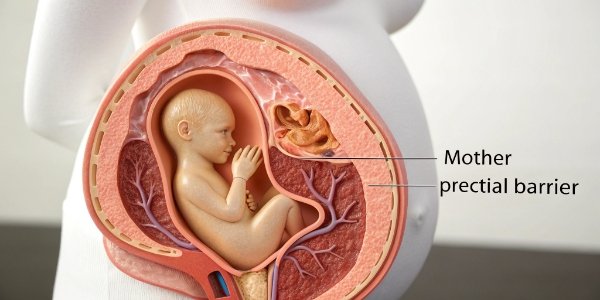
From my work in a factory that produces aluminum hydroxide, I know that safety protocols are strict for a reason. While the pharmaceutical-grade material used in medicine is highly purified, the basic chemical properties are the same. This perspective makes me very cautious. The main way aluminum from antacids enters your body is through ingestion. Most of it passes through your system, but a small amount is absorbed into your bloodstream. Normally, your kidneys do a great job of filtering this out. During pregnancy, however, the situation is different. The developing fetus is much more vulnerable to any foreign substances. High concentrations of aluminum have been linked to potential developmental problems. This is why managing exposure is critical.
Comparing Aluminum Exposure Levels
| Exposure Level | Source Example | Potential Risk to Pregnancy |
|---|---|---|
| Low/Background | Small amounts in food, water, and air | Generally considered safe; the body can process it. |
| High/Concentrated | Long-term, high-dose use of aluminum-based antacids | Risk of accumulation in maternal and fetal tissues. |
| Very High | Kidney failure, certain occupational exposures | Linked to neurotoxicity and bone development issues in studies. |
How toxic is aluminum hydroxide?
The word "toxic" sounds very alarming, especially when you connect it to a medicine you might take. You are worried that an aluminum hydroxide antacid might be like a poison. Let’s put its toxicity into the right context.
Aluminum hydroxide itself has low immediate toxicity. It is considered safe for most people in recommended doses because very little is absorbed. The real concern during pregnancy is not poisoning, but the slow, long-term effects of aluminum building up from overuse.
When we talk about toxicity, we often think of immediate harm. Aluminum hydroxide is not like that. The real issue is more subtle and happens over time. This is especially true during pregnancy.
The Real Risk: Bioaccumulation
Your body only absorbs a tiny fraction of the aluminum hydroxide you ingest. However, if you take it frequently over a long period, these small amounts can add up. This is called bioaccumulation2. For a developing fetus, this is a serious concern. The accumulated aluminum can interfere with crucial processes. For example, it can bind with phosphate in your digestive system. Your body needs phosphate to absorb calcium, which is vital for your baby’s growing bones and your own bone health.
The Nutrient and Constipation Factors
Beyond accumulation, aluminum hydroxide presents two other practical problems during pregnancy. First, it can interfere with iron absorption3, which can make pregnancy-related anemia worse. Iron is essential for both you and your baby. Second, aluminum salts are known to cause constipation. Pregnancy hormones already slow down digestion, so adding an aluminum-based antacid can make a very common and uncomfortable problem much more severe. This is not "toxic," but it greatly affects your well-being.
What cleaners should be avoided during pregnancy?
When you are preparing a nursery for your baby, you will do a lot of cleaning. The harsh smells from many cleaning products can make you question their safety. Knowing which chemicals to avoid will give you peace of mind.
During pregnancy, it is smart to avoid cleaners with strong fumes or harsh chemicals. This includes products with ammonia, bleach, phthalates, and glycol ethers. Choose natural options like vinegar and baking soda or buy products labeled "non-toxic" and "fume-free."

This question is a little outside my main area of expertise, which is industrial chemicals like aluminum hydroxide. However, the general principle of minimizing unnecessary chemical exposure4 during pregnancy is universal. From my perspective in chemical production, I always advise people to be cautious. The basic idea is to reduce the total "chemical load" on your body. This is true for cleaners you inhale and medicines you ingest. Always make sure you have good ventilation when cleaning, wear gloves to protect your skin, and if possible, let someone else handle the tasks that require harsh products.
Common Cleaners and Safer Swaps
| Chemical to Avoid | Commonly Found In | Potential Risk | Safe Alternative |
|---|---|---|---|
| Ammonia | Glass cleaners, all-purpose cleaners | Respiratory irritation | Diluted white vinegar, water with microfiber cloth |
| Bleach (Chlorine) | Toilet bowl cleaners, mildew removers | Strong fumes, respiratory issues | Hydrogen peroxide, paste of baking soda and water |
| Phthalates | Air fresheners, scented detergents | Endocrine disruption concerns | Essential oil diffusers (use carefully), unscented products |
| Glycol Ethers | Oven cleaners, some glass cleaners | Linked to reproductive issues | Steam cleaning, a paste of baking soda and water |
What is the safest antacid to take while pregnant?
The heartburn during pregnancy is very real, and you need relief. But the medicine aisle can be confusing, and you are afraid of choosing the wrong product for your baby. Let’s review the options doctors often suggest.
Calcium-based antacids, like calcium carbonate, are often the first choice during pregnancy. They work well and also provide extra calcium. Magnesium-based antacids are also generally safe. Always talk to your doctor to find the best option for you.
Before turning to medicine, it is always best to try lifestyle changes. These can make a big difference.
First Step: Lifestyle and Diet
Try eating smaller meals more often. Avoid spicy, greasy, and acidic foods that trigger your heartburn5. Do not lie down right after you eat. At night, try propping up your head and shoulders with pillows to keep stomach acid down. If these changes are not enough, your doctor might suggest an over-the-counter medicine.
Recommended Antacid Options
When choosing an antacid, the active ingredient is the most important thing to look at. Here is how they compare for pregnancy.
| Antacid Type | Active Ingredient | Pros for Pregnancy | Cons for Pregnancy |
|---|---|---|---|
| Calcium-Based | Calcium Carbonate | Often the first choice; provides supplemental calcium. | Can cause constipation; risk of too much calcium with overuse. |
| Magnesium-Based | Magnesium Hydroxide | Generally safe; can have a laxative effect to help with constipation. | Can cause diarrhea; often combined with aluminum to balance this. |
| Aluminum-Based | Aluminum Hydroxide | Effective for heartburn. | Not a first choice. Risk of aluminum buildup, constipation, nutrient interference. |
As you can see, calcium-based options are often preferred. They treat heartburn and give you a nutrient you need anyway. The final choice should always be made with your doctor, who can recommend the best product for your personal health situation.
Conclusion
In short, aluminum hydroxide can be used carefully for pregnancy heartburn under a doctor’s watch. However, safer alternatives exist. Always prioritize medical advice and non-drug options for your baby’s safety.
-
Understanding the effects of aluminum hydroxide can help you make informed decisions about its use during pregnancy. ↩
-
Understanding bioaccumulation can help you grasp the long-term effects of aluminum on fetal development. ↩
-
Learn how aluminum hydroxide can impact iron absorption, crucial for your health during pregnancy. ↩
-
Discover strategies to minimize chemical exposure for a healthier pregnancy. ↩
-
Explore safe remedies for heartburn to ensure comfort without compromising your baby’s health. ↩

You may also be interested in:

What protective measures should be taken when handling aluminum hydroxide powder in a factory?
Are you worried about worker safety when handling fine powders? Aluminum hydroxide is generally safe, but mishandling its dust can lead to serious respiratory issues and even create explosive conditions.

What Key Technical Indicators Should Be Considered When Purchasing Aluminum Hydroxide?
Are you struggling to find the right aluminum hydroxide for your needs? You might be paying for features you don’t even require. Let’s simplify the technical details. When buying aluminum

What are the market trends for aluminum hydroxide in 2026?
Are you planning your 2026 raw material purchases? Volatile markets make it hard. I will share insights from the factory floor to help you make better decisions for your business.

Is aluminum hydroxide toxic and is it harmful to the human body?
Worried about the word "aluminum" in your products? It sounds scary and can make you question its safety. I’m here to clear up the confusion with simple facts. Aluminum hydroxide

What are the side effects of long-term use of stomach medications containing aluminum hydroxide?
Struggling with constant heartburn? Reaching for that stomach medicine might seem like the only option. But what if that relief comes with hidden long-term costs? The most common side effect

Does ingesting aluminum (such as through aluminum hydroxide) cause Alzheimer's disease?
Are you worried that everyday products containing aluminum might be harmful? This fear connects to serious health concerns like Alzheimer’s, making you question what is safe. Let’s look closely. Based

Why do some vaccines contain aluminum hydroxide (aluminum adjuvant)?
Confused about vaccine ingredients? Seeing aluminum hydroxide listed can be unsettling. I’ll explain its crucial role and why it’s there to help your body build strong immunity. Aluminum hydroxide acts

Is the aluminum adjuvant in vaccines safe for infants or adults?
You read about vaccine ingredients and worry. The word "aluminum" sounds scary, especially when talking about babies. But understanding the facts can give you peace of mind. Yes, the aluminum

What environmental problems are generated during the production of aluminum hydroxide?
Worried about environmental compliance in your supply chain? Sourcing from China can be complex. You need a reliable, eco-conscious partner for your aluminum hydroxide needs. The main environmental issue is

Where are China's main aluminum hydroxide production areas?
Are you struggling to find the right aluminum hydroxide supplier in China? This confusion can lead to higher costs and unstable quality, which hurts your business and your reputation. China’s