You see aluminum hydroxide on ingredient lists for medicines and even building materials, making you wonder about its safety. Conflicting information makes it hard to know if it’s harmful.
Yes, aluminum hydroxide is considered safe for its many intended uses. It has very low toxicity and is used in medicine as an antacid. However, safety depends on how it is used, and long-term or excessive use should be avoided, especially for certain individuals.
The question of safety isn’t a simple yes or no. It really depends on the context of how you use it. From my experience managing production at our aluminum hydroxide1 plant, I know that the grade and purity of the material are critical for its safety in different applications. Let’s break down its safety profile in specific situations, from medicine to daily consumer products, to give you a clearer picture. Understanding these details will help you make informed decisions, whether you’re a consumer or a buyer like my client Mr. Park.
How toxic is aluminum hydroxide?
The word "aluminum" can sound alarming, and it might make you question the toxicity of products containing aluminum hydroxide. You might worry about long-term health issues from exposure.
Aluminum hydroxide has very low acute toxicity. Your body absorbs very little of it when you ingest it, so most of it passes through your system harmlessly. In consumer products, the risk is minimal when used correctly. Industrial handling requires standard safety precautions.
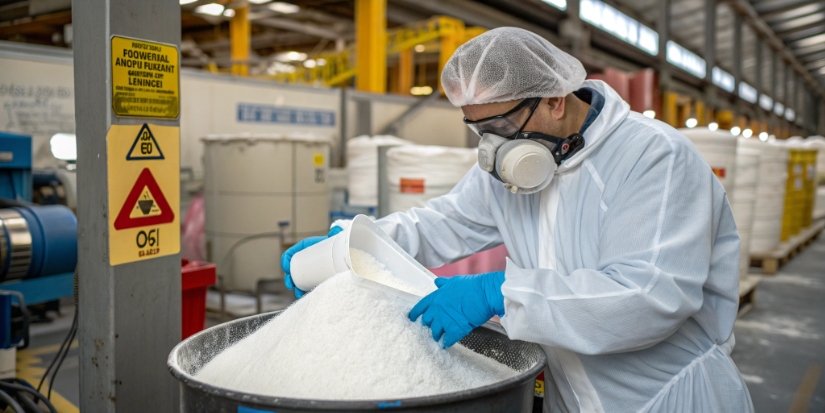
In our factory, we handle tons of aluminum hydroxide every day. We see it as a very stable and safe compound. The main precaution we take is to prevent workers from breathing in the fine dust over long periods. This is standard practice for any fine powder, including things like flour or sugar. It’s about managing industrial exposure, which is very different from consumer use. For a consumer using an antacid2 tablet, the amount is small and controlled. The key takeaway is that the body doesn’t absorb it well. This low absorption rate is the primary reason it’s considered non-toxic in its common applications.
Industrial Handling vs. Consumer Use
The difference between handling a substance in a factory and using it at home is huge. In the factory, the main risk is inhaling airborne dust. For consumers, the exposure is typically through ingestion (antacids) or skin contact (deodorants), both in much smaller, controlled amounts.
Understanding Toxicity Ratings
Scientists measure toxicity using a scale called LD503, which is the dose required to be lethal to 50% of a test population. Aluminum hydroxide has a very high LD50, meaning an incredibly large amount would need to be ingested to cause serious harm.
| Exposure Type | Key Risk | Safety Measures | General Population Risk |
|---|---|---|---|
| Industrial | Chronic dust inhalation | Use of masks, ventilation systems | Not applicable |
| Consumer (Oral) | Overdose, side effects | Following package directions | Very Low |
| Consumer (Topical) | Skin irritation (rare) | Discontinue use if irritation occurs | Extremely Low |
Is aluminum hydroxide safe as an antacid?
You have heartburn and see aluminum hydroxide on your antacid’s label. This might make you hesitate, wondering if the medicine itself could cause different problems.
Yes, aluminum hydroxide is safe and effective as an antacid for short-term use. It works by neutralizing stomach acid. The main side effect can be constipation, and people with kidney problems should consult a doctor before using it due to how the body processes aluminum.

Aluminum hydroxide has been used in medicine for decades for a simple reason: it works well. It’s a base that reacts with stomach acid in a simple neutralization reaction. This provides fast relief from the discomfort of heartburn and indigestion. As a manufacturer, we produce high-purity pharmaceutical-grade aluminum hydroxide specifically for this purpose. The quality and purity are tightly controlled to meet global health standards. The main thing to remember is that it’s designed for occasional, short-term relief. Long-term use should always be discussed with a healthcare professional, especially if you have pre-existing health conditions.
How It Works in Your Stomach
The chemistry is straightforward. Aluminum hydroxide (Al(OH)₃) reacts with hydrochloric acid (HCl) in your stomach. The reaction produces aluminum chloride and water, effectively reducing the acidity in your stomach and relieving symptoms. It acts locally in the stomach and isn’t meant to be absorbed into your system in large amounts.
Potential Side Effects and Precautions
The most common side effect is constipation4. This is because aluminum salts can slow down the digestive tract. To counteract this, many antacid brands combine aluminum hydroxide with magnesium hydroxide, which has a mild laxative effect. The more serious precaution is for individuals with poor kidney function. Healthy kidneys are excellent at filtering out the small amount of aluminum that does get absorbed. If kidneys aren’t working properly, aluminum can build up in the body over time.
| Pros of Aluminum Hydroxide Antacids | Cons & Precautions |
|---|---|
| Fast-acting acid neutralization | Can cause constipation |
| Widely available and affordable | Not for long-term use without medical advice |
| Effective for heartburn and indigestion | Must be used with caution by people with kidney disease |
| Low toxicity profile | Can interfere with the absorption of other medications |
What does aluminium hydroxide do to the body?
You know aluminum hydroxide is in products you use, but you don’t know what it actually does once it’s inside or on your body. The uncertainty can be unsettling.
When ingested, most aluminum hydroxide is not absorbed and passes out through your stool. The tiny amount that enters the bloodstream is filtered out by healthy kidneys. When used on the skin, it is too large to be absorbed in any significant amount.
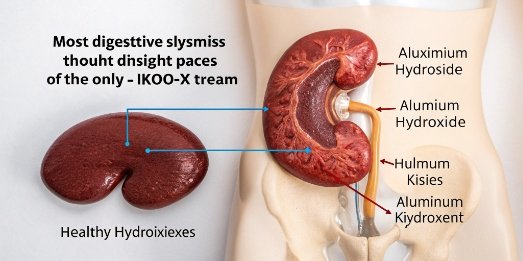
The body has very effective systems for dealing with aluminum hydroxide. Its journey depends on how you use it. If you take it as an antacid, it does its job in the stomach and then most of it continues through the digestive tract and is excreted. If you use it on your skin in an antiperspirant5, the skin itself acts as a strong barrier. From my perspective in production, we focus on controlling particle size and purity. For pharmaceutical grades, we ensure it meets strict specifications that make it safe for ingestion, knowing that the body’s natural processes will handle it effectively.
The Journey Through Your Digestive System
When you swallow an antacid with aluminum hydroxide, it travels to your stomach. There, it neutralizes excess acid. The resulting compound, aluminum chloride, along with any unreacted aluminum hydroxide, moves into the intestines. The vast majority is not absorbed and is expelled from the body in your feces. Only a very small fraction, less than 1%, may pass through the intestinal wall into the bloodstream. Healthy kidneys are more than capable of filtering this small amount out and excreting it in urine.
What Happens When Used on Skin?
When used in a product like an antiperspirant, aluminum hydroxide sits on the surface of the skin or in the very top part of the sweat ducts. The molecules are simply too big to pass through the skin’s protective layers and enter the bloodstream in any meaningful quantity. Numerous studies have confirmed that skin absorption of aluminum from antiperspirants is minimal, making it safe for topical use. The main effect is external, not internal.
Is aluminum hydroxide safe in deodorant?
You’ve probably seen articles linking aluminum in deodorants to serious diseases, which creates a lot of fear. You want to stay fresh without risking your health.
Yes, major health organizations like the American Cancer Society and the National Cancer Institute state there is no clear scientific evidence linking the use of aluminum-based antiperspirants to health risks like breast cancer. The amount absorbed through the skin is extremely small.
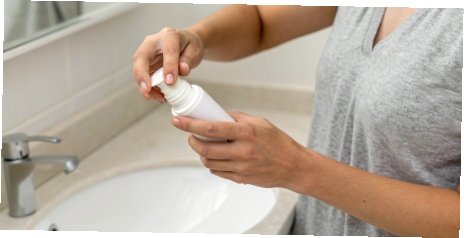
This is one of the most common safety questions I hear. First, it’s important to know that aluminum compounds are used in antiperspirants, not typically in deodorants (which just mask odor). The aluminum works by forming a temporary plug in the sweat ducts to reduce sweating. The rumors about a link to cancer have been circulating for years, but they are not supported by scientific research. As a supplier, we provide highly purified grades of aluminum hydroxide for cosmetic use. These products undergo rigorous testing to ensure they are safe for skin contact, meeting the strict standards of the cosmetics industry.
How Antiperspirants Work
The aluminum compounds in antiperspirants, when they come into contact with the salt in your sweat, form a gel-like substance. This substance creates a temporary, shallow plug in your sweat ducts, which reduces the amount of sweat that reaches the skin’s surface. This effect is temporary and reversible; the plugs are naturally washed away over time.
Debunking the Link to Cancer
Concerns arose from a theory that aluminum could be absorbed and cause changes in estrogen receptors of breast cells. However, multiple large-scale studies have investigated this and have not found a causal link. The consensus in the scientific and medical communities is that using antiperspirants is safe.
| Myth About Aluminum in Antiperspirants | The Scientific Fact |
|---|---|
| It is absorbed in large amounts into the body. | The skin is an effective barrier; absorption is minimal. |
| It is a primary cause of breast cancer6. | Major cancer research organizations find no conclusive link. |
| It builds up in the body to toxic levels. | The tiny amount absorbed is easily filtered by healthy kidneys. |
Conclusion
In summary, aluminum hydroxide is safe when used correctly in its intended applications. Always follow product directions and consult a doctor if you have underlying health conditions like kidney disease.
-
Explore this resource to understand the safety profile and uses of aluminum hydroxide in various applications. ↩
-
Discover how aluminum hydroxide effectively neutralizes stomach acid and provides relief from heartburn. ↩
-
Get insights into the LD50 scale and how it relates to the safety of aluminum hydroxide. ↩
-
Understand the link between aluminum hydroxide and constipation, and how to mitigate it. ↩
-
Discover the safety of aluminum hydroxide in antiperspirants and its effects on health. ↩
-
Explore the scientific consensus on the alleged link between aluminum and breast cancer. ↩

You may also be interested in:

What protective measures should be taken when handling aluminum hydroxide powder in a factory?
Are you worried about worker safety when handling fine powders? Aluminum hydroxide is generally safe, but mishandling its dust can lead to serious respiratory issues and even create explosive conditions.

What Key Technical Indicators Should Be Considered When Purchasing Aluminum Hydroxide?
Are you struggling to find the right aluminum hydroxide for your needs? You might be paying for features you don’t even require. Let’s simplify the technical details. When buying aluminum

What are the market trends for aluminum hydroxide in 2026?
Are you planning your 2026 raw material purchases? Volatile markets make it hard. I will share insights from the factory floor to help you make better decisions for your business.

Is aluminum hydroxide toxic and is it harmful to the human body?
Worried about the word "aluminum" in your products? It sounds scary and can make you question its safety. I’m here to clear up the confusion with simple facts. Aluminum hydroxide

What are the side effects of long-term use of stomach medications containing aluminum hydroxide?
Struggling with constant heartburn? Reaching for that stomach medicine might seem like the only option. But what if that relief comes with hidden long-term costs? The most common side effect

Does ingesting aluminum (such as through aluminum hydroxide) cause Alzheimer's disease?
Are you worried that everyday products containing aluminum might be harmful? This fear connects to serious health concerns like Alzheimer’s, making you question what is safe. Let’s look closely. Based

Why do some vaccines contain aluminum hydroxide (aluminum adjuvant)?
Confused about vaccine ingredients? Seeing aluminum hydroxide listed can be unsettling. I’ll explain its crucial role and why it’s there to help your body build strong immunity. Aluminum hydroxide acts

Is the aluminum adjuvant in vaccines safe for infants or adults?
You read about vaccine ingredients and worry. The word "aluminum" sounds scary, especially when talking about babies. But understanding the facts can give you peace of mind. Yes, the aluminum

What environmental problems are generated during the production of aluminum hydroxide?
Worried about environmental compliance in your supply chain? Sourcing from China can be complex. You need a reliable, eco-conscious partner for your aluminum hydroxide needs. The main environmental issue is

Where are China's main aluminum hydroxide production areas?
Are you struggling to find the right aluminum hydroxide supplier in China? This confusion can lead to higher costs and unstable quality, which hurts your business and your reputation. China’s