
How should we choose between aluminum hydroxide and magnesium hydroxide as flame retardants?
November 22, 2025 by Lee On
Choosing the wrong flame retardant can ruin your product and waste money. Understanding the key differences between aluminum hydroxide and magnesium hydroxide makes the choice simple and effective.
To choose the right flame retardant, you must match it to your polymer’s processing temperature. Aluminum hydroxide (ATH) is for low-temperature materials below 200°C. Magnesium hydroxide (MDH) is for high-temperature materials above 330°C, where it offers better performance and smoke suppression.
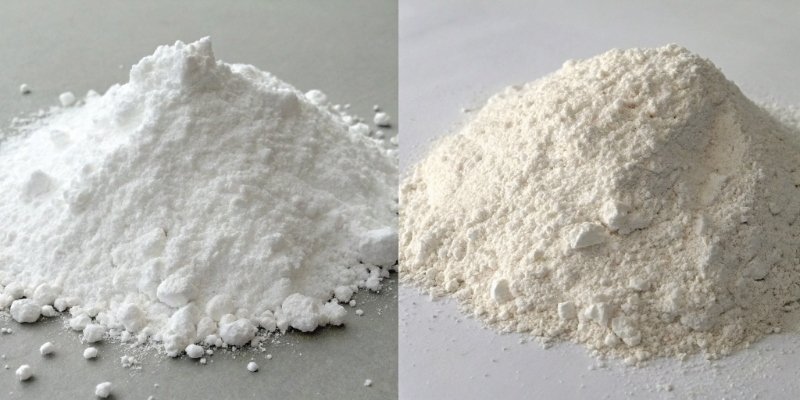
This choice seems simple, but there is more to it than just temperature. The decision impacts your product’s final quality, safety compliance, and overall cost. As someone who has managed the production of these materials for years, I want to help you see the full picture. Let’s break down the details so you can make the best choice for your specific application.
What are the key differences between aluminum hydroxide and magnesium hydroxide as flame retardants?
You see ATH and MDH listed, but they can seem very similar. Using the wrong one can cause processing issues, failed flame tests, or poor smoke suppression in your final product.
The main differences are decomposition temperature, flame retardant efficiency, and smoke suppression. Aluminum hydroxide decomposes at a lower temperature (180-200°C), while magnesium hydroxide is much more stable, decomposing at 330-490°C. MDH is also more efficient and a better smoke suppressant.
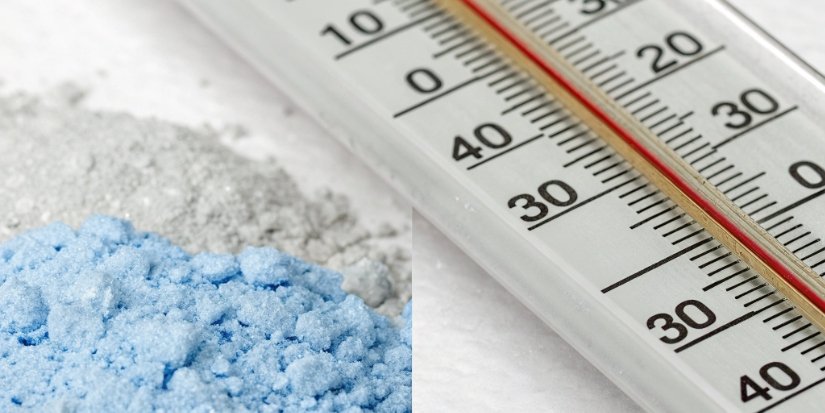
From my experience in the factory, understanding these core differences is the first step for any buyer. Each material works by releasing water molecules when heated, which cools the polymer and dilutes flammable gases. But they do this at very different temperatures and with different levels of efficiency. I’ve created a simple table to show you the key comparison points I always share with my clients.
Core Performance Comparison
| Feature | Aluminum Hydroxide (ATH) | Magnesium Hydroxide (MDH) |
|---|---|---|
| Decomposition Temp. | 180-200°C (Low) | 330-490°C (High) |
| Flame Efficiency | Requires high filling (40-60%) | Higher heat absorption per unit |
| Smoke Suppression | Weaker effect, more smoke | Excellent, reduces smoke by 30-50% |
| Processing Fit | For polymers below 200°C (PE, PVC) | For polymers above 330°C (PP, PA) |
This table shows that ATH is a good fit for materials that don’t need high processing heat. MDH is the clear choice for engineering plastics1 that are processed at high temperatures. Its ability to form a protective magnesium oxide layer also gives it a performance edge.
When is magnesium hydroxide a better choice than aluminum hydroxide for polymer applications?
Your polymer requires high processing temperatures, above 200°C. Using ATH in this case is a risk, as it can decompose too early and create defects in your final product.
Magnesium hydroxide is the better choice for high-temperature polymers like polypropylene (PP) and polyamide (PA). It is also superior in applications with strict smoke density rules, such as cables for subways, ships, or electronics, because it significantly reduces smoke.
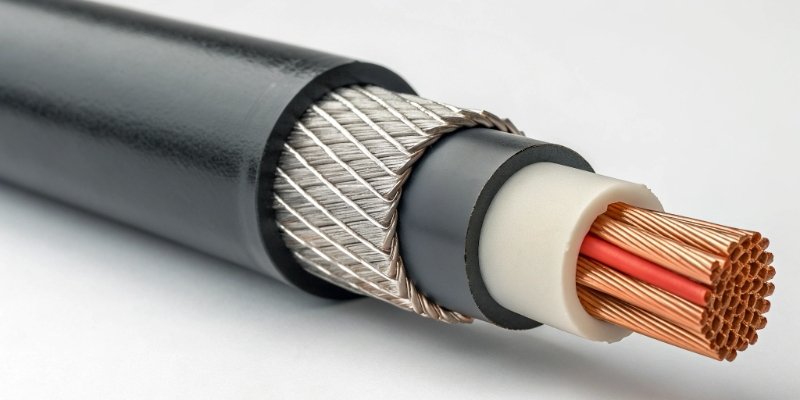
I often speak with clients who are making products for demanding industries. For them, performance is not negotiable. MDH becomes the only logical choice in two main scenarios.
High-Temperature Processing Needs
Engineering plastics like polypropylene2 (PP), polyamide3 (PA), and nylon 66 are processed at temperatures far above ATH’s decomposition point. If you use ATH, it will release water vapor during extrusion or molding. This causes bubbles, surface blemishes, and a weak final product. MDH, with its decomposition temperature starting at 330°C, remains stable during these processes. This ensures a smooth, defect-free product that maintains its structural integrity. You get the flame retardancy you need without compromising the quality of your polymer.
Strict Smoke Suppression Requirements
In a fire, smoke is often more dangerous than the flames. For products used in enclosed public spaces like subway tunnels or on ships, regulations on smoke density4 are extremely strict. MDH is excellent in these situations. When it decomposes, it helps form a dense char layer on the polymer surface. This layer acts as a barrier, significantly reducing the amount of smoke produced. We have seen tests where MDH can lower the smoke density ratio (SDR) by 30-50% compared to other retardants. For these safety-critical applications, MDH is the superior and often required choice.
How does thermal stability affect the selection of ATH versus MDH as a flame retardant?
You don’t want your flame retardant to break down during manufacturing. Premature decomposition causes bubbles, yellowing, and poor performance. This is a production nightmare that wastes time and material.
Thermal stability is critical. Aluminum hydroxide is only suitable for polymers processed below 200°C, like PE and PVC. For anything hotter, like PP or PA, you must use magnesium hydroxide. Its higher stability (above 330°C) prevents it from decomposing during processing.
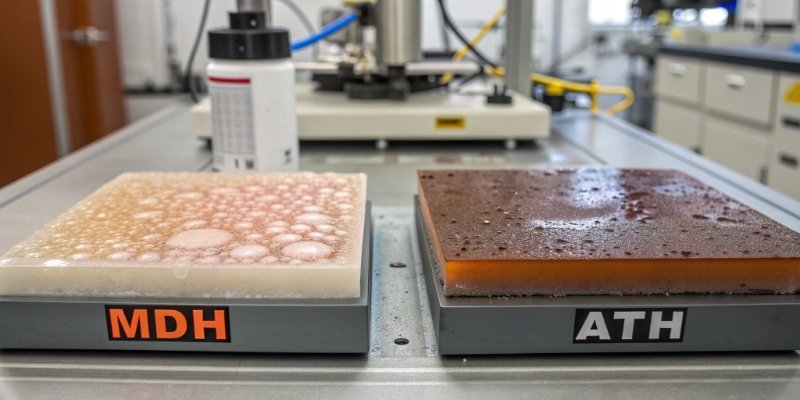
Matching the flame retardant’s stability to your polymer’s processing window is the most important technical decision you will make. I have seen many customers try to use ATH in the wrong application, and the results are always disappointing.
The Risk of Premature Decomposition with ATH
Aluminum hydroxide starts decomposing around 180°C. This is perfect for polymers like polyethylene5 (PE) and polyvinyl chloride (PVC), which are processed at lower temperatures. However, if you try to use ATH in a polymer that processes at 220°C, the ATH will start releasing water vapor inside your extruder. This creates steam, which gets trapped in the molten plastic. The final product will have a rough surface, internal bubbles, and discoloration. It will be mechanically weak and will likely fail quality control. It’s a fundamental mismatch that cannot be fixed without changing the material.
The High-Temperature Advantage of MDH
Magnesium hydroxide is the solution to this problem. It remains completely inert until it reaches about 330°C. This means you can process high-temperature engineering plastics like polypropylene (PP) and nylon without any fear of premature decomposition. The processing window is wide and stable. Your final product will have a smooth surface, consistent color, and the mechanical properties6 you expect. The flame retardant only goes to work when it’s supposed to: in a fire, not in your factory’s equipment. This reliability is why MDH is essential for high-performance applications.
What are the cost-performance trade-offs between aluminum hydroxide and magnesium hydroxide?
You need an effective flame retardant, but you also have to manage your budget. Choosing purely on price can lead to poor performance, but overspending on unnecessary features is also a problem.
Aluminum hydroxide is cheaper and is a great choice for low-cost, low-temperature applications. Magnesium hydroxide costs more but delivers the superior heat stability and smoke suppression needed for high-performance products. The price gap is narrowing, making MDH a more competitive option.
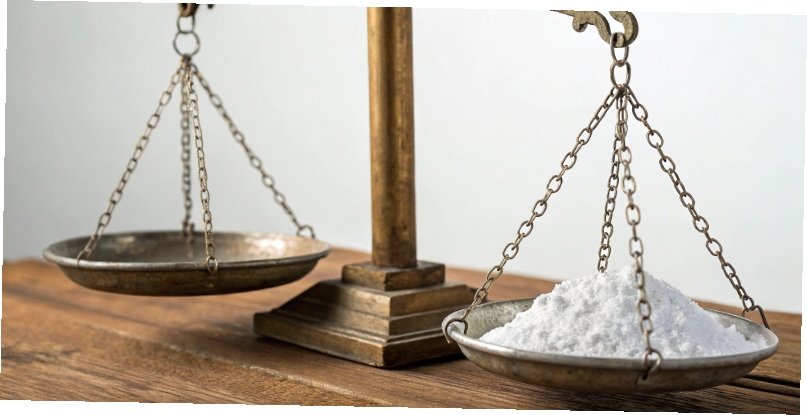
Finding the right balance between cost and performance is key to profitability. As a manufacturer, I understand this balance better than anyone. It’s a conversation I have with every client, like Mr. Park in Korea, who needs to secure cost-effective raw materials for his distribution network.
When to Choose ATH for Cost Savings
Aluminum hydroxide is produced from widely available raw materials, which keeps its price low. If you are manufacturing products from PE, PVC, or unsaturated polyesters that are processed at low temperatures, ATH is an excellent choice. For applications like home appliance plastics or general-purpose cables where cost is a primary driver and smoke density is not a critical safety factor, ATH provides effective flame retardancy at a very competitive price. It does the job without adding unnecessary cost.
When to Invest in MDH for Performance
Magnesium hydroxide is more expensive because its production process is more complex. However, that higher cost buys you higher performance. If you are making parts from PP or PA, or producing cables for transportation or electronics, you need MDH’s thermal stability. The investment prevents costly product failures and manufacturing defects. Furthermore, in any application where low smoke is a safety requirement, MDH is not a luxury, it is a necessity. I also tell my clients that the price of MDH is gradually decreasing, making its superior performance more accessible. Sometimes, we also recommend a composite system7, like a 3:1 blend of ATH and MDH, to get a balanced performance profile across a wider temperature range.
Conclusion
Choose ATH for low-temperature, cost-sensitive uses. Pick MDH for high-temperature, high-performance needs. For the best of both, consider a composite system to balance cost and function effectively.
-
Explore the unique needs of engineering plastics in terms of flame retardancy and processing. ↩
-
Understanding polypropylene’s properties can help you make informed decisions about flame retardant selection. ↩
-
Explore the role of polyamide in high-performance applications and its compatibility with flame retardants. ↩
-
Learn about smoke density and its critical role in safety regulations for flame retardant applications. ↩
-
Explore how polyethylene’s properties influence the choice of flame retardants for its applications. ↩
-
Discover the impact of flame retardants on the mechanical properties of polymer products. ↩
-
Explore the benefits of using composite systems to achieve balanced performance in flame retardants. ↩

You may also be interested in:

What protective measures should be taken when handling aluminum hydroxide powder in a factory?
Are you worried about worker safety when handling fine powders? Aluminum hydroxide is generally safe, but mishandling its dust can lead to serious respiratory issues and even create explosive conditions.

What Key Technical Indicators Should Be Considered When Purchasing Aluminum Hydroxide?
Are you struggling to find the right aluminum hydroxide for your needs? You might be paying for features you don’t even require. Let’s simplify the technical details. When buying aluminum

What are the market trends for aluminum hydroxide in 2026?
Are you planning your 2026 raw material purchases? Volatile markets make it hard. I will share insights from the factory floor to help you make better decisions for your business.
Is aluminum hydroxide toxic and is it harmful to the human body?
Worried about the word "aluminum" in your products? It sounds scary and can make you question its safety. I’m here to clear up the confusion with simple facts. Aluminum hydroxide

What are the side effects of long-term use of stomach medications containing aluminum hydroxide?
Struggling with constant heartburn? Reaching for that stomach medicine might seem like the only option. But what if that relief comes with hidden long-term costs? The most common side effect

Does ingesting aluminum (such as through aluminum hydroxide) cause Alzheimer's disease?
Are you worried that everyday products containing aluminum might be harmful? This fear connects to serious health concerns like Alzheimer’s, making you question what is safe. Let’s look closely. Based

Why do some vaccines contain aluminum hydroxide (aluminum adjuvant)?
Confused about vaccine ingredients? Seeing aluminum hydroxide listed can be unsettling. I’ll explain its crucial role and why it’s there to help your body build strong immunity. Aluminum hydroxide acts

Is the aluminum adjuvant in vaccines safe for infants or adults?
You read about vaccine ingredients and worry. The word "aluminum" sounds scary, especially when talking about babies. But understanding the facts can give you peace of mind. Yes, the aluminum

What environmental problems are generated during the production of aluminum hydroxide?
Worried about environmental compliance in your supply chain? Sourcing from China can be complex. You need a reliable, eco-conscious partner for your aluminum hydroxide needs. The main environmental issue is

Where are China's main aluminum hydroxide production areas?
Are you struggling to find the right aluminum hydroxide supplier in China? This confusion can lead to higher costs and unstable quality, which hurts your business and your reputation. China’s