
You hear about aluminum in everything from food to medicine, and it’s easy to worry. This constant exposure makes you wonder if it’s building up inside you and what it’s doing.
The vast majority of aluminum that enters your body is removed very quickly, mostly within 24 hours through your urine. However, a tiny fraction can be stored long-term in tissues like bone, where it can remain for many years.
As someone who manages the production of aluminum hydroxide, I work with an aluminum compound every day. A significant portion of our product goes to pharmaceutical companies, like the one managed by my customer, Mr. Park. So, questions about safety and how the body handles aluminum are very important in my line of work. I’ve looked into this a lot, not just for my customers, but for my own peace of mind. Here is a straightforward look at what actually happens to aluminum inside your body.
How long does it take for aluminum to leave the body?
It’s reassuring to hear that most aluminum is gone in a day. But what about the small amount that stays? The idea of it lingering for years can be quite unsettling.
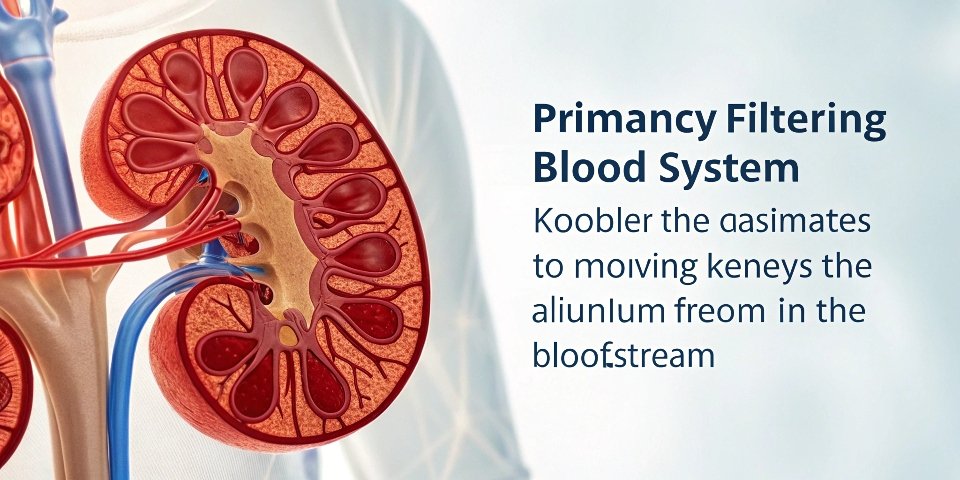
For healthy people, over 99% of aluminum that gets into the bloodstream is filtered by the kidneys and leaves in the urine within hours or days. The very small remainder has a much longer exit time, especially the portion that settles in bone.
Think of it in two parts: a fast track and a slow track. Your body’s ability to handle this depends almost entirely on one thing: healthy kidneys.
| Elimination Phase | Primary Location | Speed | Duration |
|---|---|---|---|
| Fast Track | Bloodstream | Extremely Fast | Hours to Days |
| Slow Track | Bone, Lungs | Extremely Slow | Years to Decades |
The fast track is your primary defense. When aluminum is absorbed from your food or water into your blood, your kidneys immediately get to work. They are incredibly efficient filters and pull most of it out very quickly. This is your body’s daily cleanup crew.
The slow track deals with the tiny amount that escapes the kidneys and gets deposited into body tissues. Bone is the main storage site because your body can mistake aluminum for calcium. Once it’s locked into the bone matrix, it tends to stay there for a very long time. This is why the "biological half-life1" of aluminum can be so long, but it only applies to a very small fraction of the total aluminum you encounter.
What are the symptoms of too much aluminum in your body?
We encounter aluminum everywhere, which makes it natural to wonder if you have too much. Not knowing the signs of an overload can cause anxiety about potential health problems that you can’t see.
Symptoms of aluminum toxicity are very rare in healthy people. They are almost exclusively seen in patients with severe kidney failure and include bone pain, muscle weakness, and serious cognitive issues like confusion and memory loss.

It is very important to understand that aluminum toxicity2 from everyday life is not something doctors typically see. The problem arises when two things happen at once: massive exposure and an inability to get rid of it.
Who is Actually at Risk?
The main at-risk group is people with chronic kidney disease, especially those on dialysis. Their kidneys simply cannot filter the aluminum out of their blood. In the past, dialysis fluids themselves were a source of aluminum, leading to a condition called "dialysis dementia." This has largely been fixed, but the risk remains for this group. Another group includes people on long-term intravenous (IV) feeding, as some IV solutions can contain aluminum.
Signs in High-Risk Patients
For these specific groups, doctors watch for a few key things:
- Bone Problems: Aluminum interferes with how bone is built, leading to a condition called osteomalacia (soft bones), bone pain, and a higher risk of fractures.
- Brain Issues: High levels can be toxic to the nervous system, causing memory loss, trouble with speech, and personality changes.
- Blood Problems: It can interfere with iron, leading to a type of anemia with small red blood cells.
Again, these are serious medical symptoms in very specific situations, not the result of using aluminum cookware or deodorant.
Does your body get rid of aluminum?
Hearing about long-term storage in bones can feel hopeless. It might sound like your body is just a defenseless storage unit for metals, which is a scary thought.
Yes, absolutely. Your body has a very powerful and efficient system for getting rid of aluminum. The kidneys are the primary line of defense, constantly filtering aluminum from the blood and removing it through urine to prevent buildup.

Your body isn’t passive in this process; it has three main lines of defense that work together.
First Defense: Poor Absorption
The most important defense happens before aluminum even gets into your blood. The human gut is naturally very bad at absorbing aluminum. Of all the aluminum you consume in your food and water, over 99% of it never even enters your body. It simply passes straight through your digestive system and is excreted in your feces. This is true even for the aluminum hydroxide in antacids.
Second Defense: The Kidneys
This is the workhorse. For the tiny amount that does get absorbed into your bloodstream, your kidneys are on high alert. They are fantastic filters and remove almost all of it within hours. As long as your kidneys are healthy, they can easily handle the normal daily load of aluminum.
Third Defense: The Liver
A much smaller, secondary pathway for removal is through the liver. The liver can filter some aluminum from the blood and excrete it into bile. The bile is then released into the intestines, and the aluminum leaves the body with the feces. This is a minor route but provides extra support.
How to naturally remove aluminum from your body?
You want to be proactive and help your body. But the internet is full of confusing "detox" products and claims, making it hard to know what truly works without wasting your money.
The best way is to support your body’s powerful natural removal systems. Staying well-hydrated helps your kidneys function at their best. Some research also suggests that silicon in certain foods and waters may help increase aluminum excretion in urine.

Forget expensive or unproven "detox" kits. The most effective strategy is to support the systems your body already has in place.
1. Support Your Kidneys
Your kidneys do almost all the work, so keeping them healthy is the number one strategy. This is not about a special cleanse; it is about general good health. Staying well-hydrated by drinking enough water is the most direct way to help your kidneys flush things out. Managing blood pressure and blood sugar are also critical for long-term kidney health.
2. The Role of Silicon
Some scientific studies have shown that silicon, in the form of silicic acid, can bind with aluminum in the body. This forms a compound called hydroxyaluminosilicate, which your kidneys can easily filter and remove. You can increase your silicon intake naturally.
- High-Silica Mineral Water: Some brands of mineral water are naturally rich in silicic acid.
- Foods: Bananas, green beans, whole grains, and lentils are good dietary sources of silicon.
This is not a magic bullet, but it may provide extra support for your body’s natural processes.
3. Avoid Medical Chelation
You might read about "chelation therapy." This is a serious medical treatment for diagnosed heavy metal poisoning. It uses powerful drugs that bind to metals, and it carries significant risks. It should never be used for general "detoxing" and only under the strict supervision of a doctor for a severe, diagnosed problem.
Conclusion
Your body is very good at removing the aluminum you encounter daily, with healthy kidneys doing most of the work. Supporting your natural systems with good hydration is the best and safest approach.

You may also be interested in:

What protective measures should be taken when handling aluminum hydroxide powder in a factory?
Are you worried about worker safety when handling fine powders? Aluminum hydroxide is generally safe, but mishandling its dust can lead to serious respiratory issues and even create explosive conditions.

What Key Technical Indicators Should Be Considered When Purchasing Aluminum Hydroxide?
Are you struggling to find the right aluminum hydroxide for your needs? You might be paying for features you don’t even require. Let’s simplify the technical details. When buying aluminum

What are the market trends for aluminum hydroxide in 2026?
Are you planning your 2026 raw material purchases? Volatile markets make it hard. I will share insights from the factory floor to help you make better decisions for your business.

Is aluminum hydroxide toxic and is it harmful to the human body?
Worried about the word "aluminum" in your products? It sounds scary and can make you question its safety. I’m here to clear up the confusion with simple facts. Aluminum hydroxide

What are the side effects of long-term use of stomach medications containing aluminum hydroxide?
Struggling with constant heartburn? Reaching for that stomach medicine might seem like the only option. But what if that relief comes with hidden long-term costs? The most common side effect

Does ingesting aluminum (such as through aluminum hydroxide) cause Alzheimer's disease?
Are you worried that everyday products containing aluminum might be harmful? This fear connects to serious health concerns like Alzheimer’s, making you question what is safe. Let’s look closely. Based

Why do some vaccines contain aluminum hydroxide (aluminum adjuvant)?
Confused about vaccine ingredients? Seeing aluminum hydroxide listed can be unsettling. I’ll explain its crucial role and why it’s there to help your body build strong immunity. Aluminum hydroxide acts

Is the aluminum adjuvant in vaccines safe for infants or adults?
You read about vaccine ingredients and worry. The word "aluminum" sounds scary, especially when talking about babies. But understanding the facts can give you peace of mind. Yes, the aluminum

What environmental problems are generated during the production of aluminum hydroxide?
Worried about environmental compliance in your supply chain? Sourcing from China can be complex. You need a reliable, eco-conscious partner for your aluminum hydroxide needs. The main environmental issue is

Where are China's main aluminum hydroxide production areas?
Are you struggling to find the right aluminum hydroxide supplier in China? This confusion can lead to higher costs and unstable quality, which hurts your business and your reputation. China’s