
Sourcing the right grade of ultrafine aluminum hydroxide is tough. Using the wrong one can cause product failure, costing you money and time. Understanding its production is the key.
Ultrafine aluminum hydroxide is made by mechanically grinding standard powder into micro-level particles. It is essential in high-end fields like electronics, lithium-ion batteries, and advanced polymers for its superior flame retardant and filler performance.
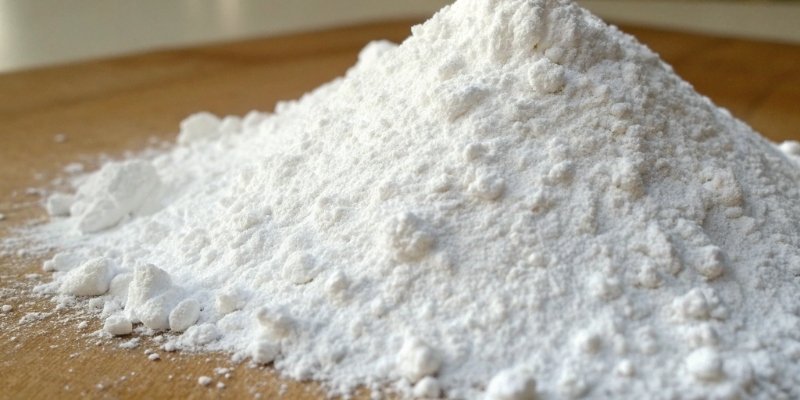
But the story doesn’t end with just grinding the powder. The specific method used and the final particle size1 are what really determine how well it works in demanding applications. The details matter, and they can make or break your product’s quality. Let’s look closer at how this material is made and why it’s so important.
What are the primary manufacturing methods for producing ultrafine aluminum hydroxide?
You know that not all powders are the same. Different manufacturing methods exist, and they produce different results. Choosing a supplier without knowing their process can lead to inconsistent quality.
The main method is mechanical grinding with equipment like ball mills or jet mills. Raw aluminum hydroxide is physically broken down to the target micron size. The type of mill directly influences the final particle shape and quality.
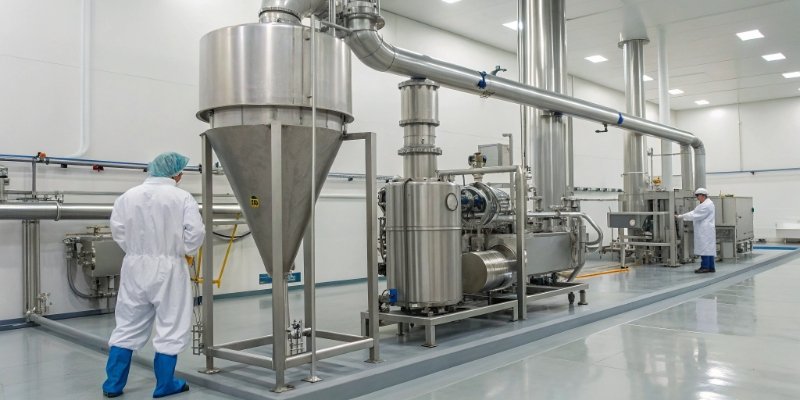
At our factory, we focus on mechanical grinding2 because it gives us precise control over the final product. There are two main approaches: dry grinding3 and wet grinding4. We prefer dry grinding with a jet mill. This method uses high-pressure air to make the particles collide with each other, breaking them down without contamination from grinding balls. This gives us a very pure product with a narrow particle size distribution, which is exactly what our customers in the electronics industry need. Wet grinding, on the other hand, involves grinding the powder in a liquid slurry. It can be more energy-efficient but requires an extra drying step and can sometimes affect the surface chemistry. Controlling the process is everything. I spent years in production management, making sure every batch met strict specifications for purity and particle size.
| Grinding Method | Key Advantage | Key Disadvantage | Best For |
|---|---|---|---|
| Dry Jet Milling | High Purity, Precise Control | Higher Energy Cost | Electronics, Batteries |
| Wet Ball Milling | Energy Efficient | Needs Drying, Potential Contamination | General Purpose Fillers |
Which advanced industries rely on micro powder aluminum hydroxide as a key material?
You know aluminum hydroxide is a versatile material. But do you know where the high-end, ultrafine grades actually go? Guessing its applications can mean missing out on big opportunities.
Advanced industries depend on it. This includes electronics for circuit boards, lithium-ion batteries for separator coatings, and high-performance cables as a non-toxic flame retardant. It is also used in premium solid surface countertops for its look and durability.
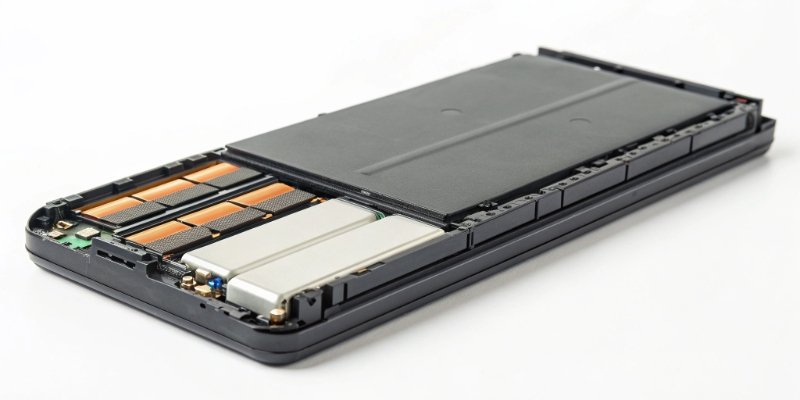
The demand from these high-tech sectors is growing fast. In my experience, the battery industry is leading the charge. A Korean client I work with, who manages a company much like Mr. Park’s, recently upgraded his specifications to our 1-micron grade. He needs it for a new line of electric vehicle battery separators. The ultrafine powder creates an incredibly thin, uniform ceramic coating on the separator film. This coating improves thermal stability and prevents short circuits, which is a huge safety feature. In electronics, it’s used as a filler in the epoxy resin for copper-clad laminates, the base of all circuit boards. It helps dissipate heat and provides electrical insulation5. It is a true multifunctional material that solves many problems in modern manufacturing.
| Industry | Primary Function of Ultrafine ATH |
|---|---|
| Lithium-Ion Batteries | Safety coating for separators, improves thermal stability. |
| Electronics (PCBs) | Thermal management and electrical insulation in epoxy resins. |
| Wire & Cable | Halogen-free flame retardant6, suppresses smoke. |
| Solid Surfaces | Provides whiteness, durability, and fire resistance. |
How does particle size affect the performance of aluminum hydroxide in high-tech applications?
A micron is tiny, but the performance gap between a 5-micron and a 1-micron powder is huge. Using the wrong particle size can ruin an entire production batch or fail safety tests.
A smaller particle size means a larger surface area. This boosts flame retardancy and strengthens composites. In battery separators, finer particles create a more even coating, which improves safety and performance. Smaller is almost always better in high-tech.
The science is simple: the more surface area a material has, the more reactive it is. When aluminum hydroxide is heated, it breaks down and releases water vapor, which cools the fire. A powder with smaller particles has a much larger total surface area, so it decomposes faster and more efficiently, providing better fire protection. This is critical in applications like wire and cable insulation. A standard 3-micron grade might be fine for a thick power cable. But for a data cable with thin insulation, a 1.5-micron grade provides the necessary safety without adding bulk. The same principle applies when it is used as a reinforcing filler. The smaller particles disperse more evenly in a polymer, leading to better mechanical properties like tensile strength7 and impact resistance. But be aware, finer powders can also increase the viscosity of a liquid resin, so you have to find the right balance for your specific process.
What unique properties make ultrafine aluminum hydroxide essential for specialized fillers and flame retardants?
Many materials can be used as fillers or flame retardants. So why is ATH the top choice for so many demanding jobs? Using a cheaper or different alternative can compromise safety and quality.
Its key properties are unique. It absorbs heat and releases water (endothermic decomposition), suppresses smoke, and is halogen-free. It is also electrically insulating, chemically stable, and very white, making it a powerful multifunctional additive.
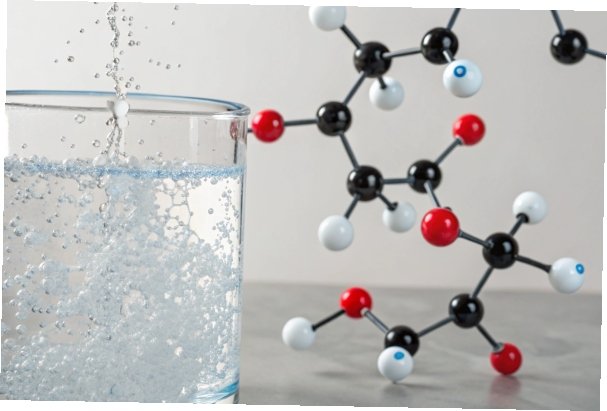
Let’s break down why these properties are so important. First, the endothermic decomposition8. When heated above 200°C, each molecule of Al(OH)₃ breaks down into aluminum oxide and water vapor. This process absorbs a significant amount of heat energy, cooling the material and slowing combustion. Second, the released water vapor dilutes the flammable gases, cutting off oxygen to the fire. This also greatly reduces smoke density, which is a major safety benefit because most fire-related deaths are from smoke inhalation. This makes it a much safer alternative to halogenated flame retardants, which release toxic and corrosive gases when they burn. I remember a client who made artificial marble countertops. They were using two separate additives: a standard filler and a flame retardant. By switching to our high-whiteness ultrafine ATH, they combined both functions into one material, simplified their production, and achieved a better, safer final product.
Conclusion
Understanding ultrafine ATH production, applications, and properties is key. The right particle size is not just a detail; it is crucial for performance in today’s most advanced technologies.
-
Find out how particle size influences the effectiveness of materials in various applications. ↩
-
Learn about the impact of mechanical grinding on particle size and quality in material production. ↩
-
Explore the benefits of dry grinding methods for achieving high purity in materials. ↩
-
Learn about the wet grinding process and its implications for material quality. ↩
-
Understand how aluminum hydroxide contributes to thermal management and safety in electronics. ↩
-
Understand the unique properties that make aluminum hydroxide an effective flame retardant. ↩
-
Learn about the role of aluminum hydroxide in enhancing the mechanical properties of materials. ↩
-
Learn about the chemical processes that make aluminum hydroxide effective in fire safety. ↩

You may also be interested in:

What protective measures should be taken when handling aluminum hydroxide powder in a factory?
Are you worried about worker safety when handling fine powders? Aluminum hydroxide is generally safe, but mishandling its dust can lead to serious respiratory issues and even create explosive conditions.

What Key Technical Indicators Should Be Considered When Purchasing Aluminum Hydroxide?
Are you struggling to find the right aluminum hydroxide for your needs? You might be paying for features you don’t even require. Let’s simplify the technical details. When buying aluminum

What are the market trends for aluminum hydroxide in 2026?
Are you planning your 2026 raw material purchases? Volatile markets make it hard. I will share insights from the factory floor to help you make better decisions for your business.
Is aluminum hydroxide toxic and is it harmful to the human body?
Worried about the word "aluminum" in your products? It sounds scary and can make you question its safety. I’m here to clear up the confusion with simple facts. Aluminum hydroxide

What are the side effects of long-term use of stomach medications containing aluminum hydroxide?
Struggling with constant heartburn? Reaching for that stomach medicine might seem like the only option. But what if that relief comes with hidden long-term costs? The most common side effect

Does ingesting aluminum (such as through aluminum hydroxide) cause Alzheimer's disease?
Are you worried that everyday products containing aluminum might be harmful? This fear connects to serious health concerns like Alzheimer’s, making you question what is safe. Let’s look closely. Based

Why do some vaccines contain aluminum hydroxide (aluminum adjuvant)?
Confused about vaccine ingredients? Seeing aluminum hydroxide listed can be unsettling. I’ll explain its crucial role and why it’s there to help your body build strong immunity. Aluminum hydroxide acts

Is the aluminum adjuvant in vaccines safe for infants or adults?
You read about vaccine ingredients and worry. The word "aluminum" sounds scary, especially when talking about babies. But understanding the facts can give you peace of mind. Yes, the aluminum

What environmental problems are generated during the production of aluminum hydroxide?
Worried about environmental compliance in your supply chain? Sourcing from China can be complex. You need a reliable, eco-conscious partner for your aluminum hydroxide needs. The main environmental issue is

Where are China's main aluminum hydroxide production areas?
Are you struggling to find the right aluminum hydroxide supplier in China? This confusion can lead to higher costs and unstable quality, which hurts your business and your reputation. China’s