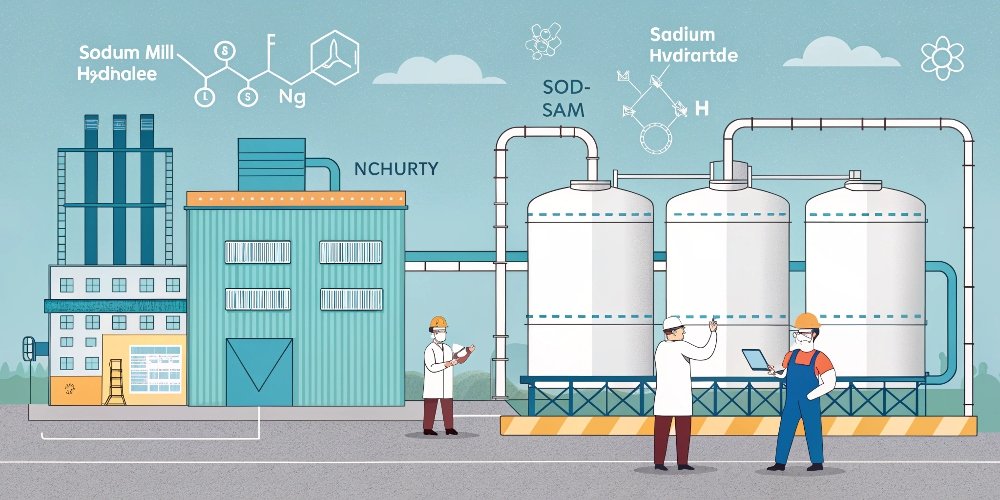
Papermaking needs pure pulp, but lignin makes it weak and yellow. How do you fix this? Sodium hydroxide is the essential chemical that effectively removes these unwanted impurities.
Sodium hydroxide, or caustic soda, is crucial in the paper industry, mainly for the Kraft pulping process. It breaks down lignin and separates cellulose fibers from wood. It also aids in bleaching pulp and deinking recycled paper, ensuring a high-quality final product.
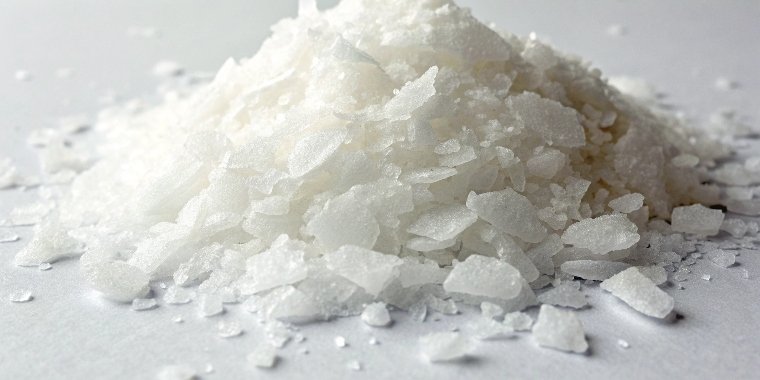
So, we know sodium hydroxide is important. But its role goes far beyond a simple cleaning agent. You might be surprised at how it works at a chemical level. In my years managing production, I’ve seen firsthand how precise control of this chemical changes everything. Let’s explore the specific stages where it makes a difference.
Why is sodium hydroxide essential for pulping?
Turning hard wood chips into soft paper pulp is a tough process. The strong "glue" called lignin holds wood fibers tightly together. Sodium hydroxide powerfully dissolves this lignin, freeing valuable cellulose fibers.
Sodium hydroxide is essential for pulping because it operates in the Kraft process. It is mixed with sodium sulfide to create "white liquor." This alkaline solution effectively breaks the chemical bonds in lignin, dissolving it and allowing the cellulose fibers to be separated for papermaking.
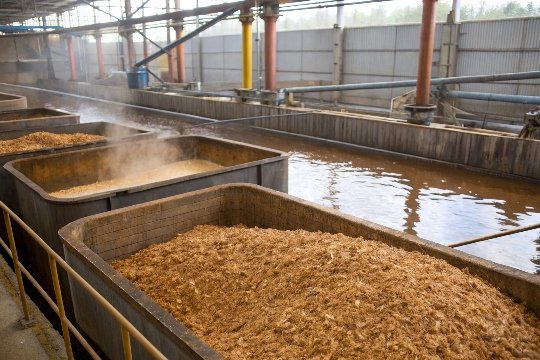
Let’s get into the details. The most common method is the Kraft process. It’s the standard for a reason. In the factory, we don’t just dump chemicals in. The process is precise. We use a solution called "white liquor1," which is mainly sodium hydroxide and sodium sulfide2. This mixture is heated with wood chips in a large vessel called a digester. The high pH3 from the sodium hydroxide attacks the lignin. Lignin is a complex polymer that makes wood rigid. Sodium hydroxide breaks it down into smaller, water-soluble parts. This process leaves the cellulose fibers4, which are what we need for paper, mostly unharmed. I remember one time we had a batch with a slight variation in sodium hydroxide concentration. The resulting pulp had higher lignin content, leading to weaker paper. It showed us how critical precise dosing is.
Kraft Process Actions
| Component | Action of Sodium Hydroxide | Result |
|---|---|---|
| Lignin | Breaks down chemical bonds | Dissolves and is washed away |
| Cellulose | Fibers are mostly safe | Remains for paper production |
| Hemicellulose | Partially dissolves | Improves fiber bonding |
How does sodium hydroxide help in bleaching paper?
Pulp straight from the digester is brown, not white. This is because some residual lignin remains. This would make the final paper dark and weak. Sodium hydroxide helps by removing this leftover lignin.
Sodium hydroxide is used in the bleaching process during the alkaline extraction stage. After an initial treatment with a bleaching agent like chlorine dioxide, the pulp is washed with a caustic solution. This removes the oxidized and fragmented lignin, preparing the pulp for further whitening stages.
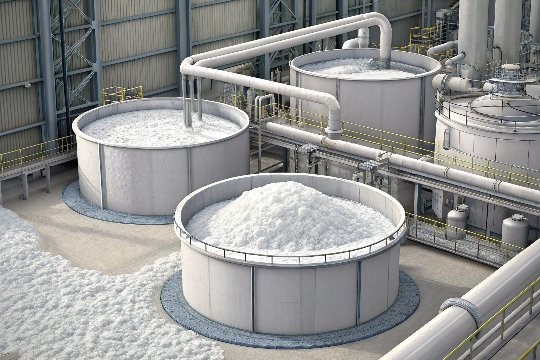
Bleaching isn’t a single step. It’s a sequence. Think of it like washing a very dirty shirt. You might need to soak it, wash it, and then rinse it several times. The same logic applies to making pulp bright white.
The Alkaline Extraction (E) Stage
In modern bleaching, we often use a sequence like D-E-D. "D" stands for a chlorine dioxide treatment, and "E" stands for extraction. After the first D-stage, the chlorine dioxide has broken down the remaining lignin. But the lignin fragments are still stuck in the pulp. This is where sodium hydroxide comes in. The "E" stage involves washing the pulp with a sodium hydroxide solution. The alkaline environment makes those lignin fragments soluble in water. So, they can be easily washed away. This step is critical. Without it, the next bleaching stages would be much less effective. They would also require more expensive chemicals. It is all about efficiency. As a manufacturer, we focus on cost and quality. Using sodium hydroxide correctly in the extraction stage improves brightness. It also reduces the total amount of bleaching chemicals needed. This lowers costs for the paper mill. It is also better for the environment.
What is the role of sodium hydroxide in deinking recycled paper?
Recycling paper is great, but the ink needs to be removed. Ink particles cling stubbornly to paper fibers. This makes the recycled pulp look gray and messy. Sodium hydroxide helps to detach the ink.
In paper recycling, sodium hydroxide is a key deinking agent. It is added to a pulper with waste paper and water. The caustic soda causes the paper fibers to swell. This action helps to break the bond between the ink particles and the fibers, allowing the ink to be separated.
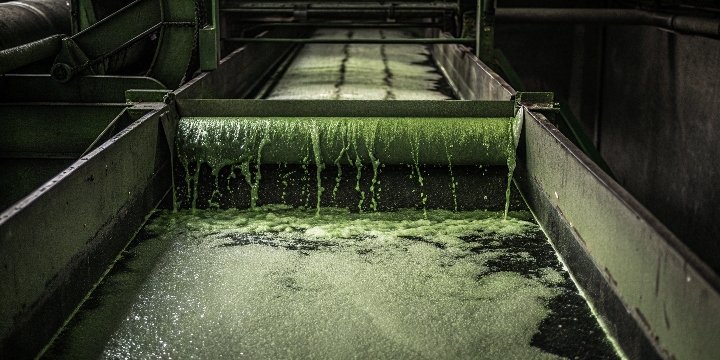
Recycling is a complex chemical process. It is not just a mechanical one. Getting ink off old paper is the biggest challenge. Sodium hydroxide plays a dual role here. It’s a very clever use of basic chemistry.
How Deinking Works
First, the high pH of the sodium hydroxide solution causes the cellulose fibers to swell. Imagine a dry sponge soaking up water. As the fibers swell, the physical bond holding the ink particles to the fiber surface is weakened. The ink begins to break away.
Second, many printing inks are oil-based. Sodium hydroxide reacts with these oils in a process called saponification5. This is the same chemical reaction used to make soap. It essentially turns the oily ink binder into a soap-like substance. These saponified ink particles can then be washed away. Or they can be removed by flotation, where air bubbles carry the ink to the surface to be skimmed off. From my conversations with clients in a recycling business like Mr. Park’s, who is always looking for efficiency, the quality of the sodium hydroxide is key. An inconsistent product can lead to incomplete deinking. This results in gray, low-value pulp. Consistent purity ensures reliable performance batch after batch.
Conclusion
Sodium hydroxide is vital in papermaking. It helps in pulping, bleaching, and deinking. It ensures the final product is strong, white, and high-quality, making it an indispensable industrial chemical.
-
Find out about white liquor, a crucial mixture in the Kraft process that includes Sodium hydroxide for breaking down lignin. ↩
-
Learn about sodium sulfide’s function alongside Sodium hydroxide in creating white liquor for pulping. ↩
-
Explore how the high pH of Sodium hydroxide solutions aids in various papermaking processes. ↩
-
Learn about the significance of cellulose fibers in producing high-quality paper and how Sodium hydroxide preserves them. ↩
-
Understand the saponification process and its role in effectively removing ink from recycled paper. ↩

You may also be interested in:

What protective measures should be taken when handling aluminum hydroxide powder in a factory?
Are you worried about worker safety when handling fine powders? Aluminum hydroxide is generally safe, but mishandling its dust can lead to serious respiratory issues and even create explosive conditions.

What Key Technical Indicators Should Be Considered When Purchasing Aluminum Hydroxide?
Are you struggling to find the right aluminum hydroxide for your needs? You might be paying for features you don’t even require. Let’s simplify the technical details. When buying aluminum

What are the market trends for aluminum hydroxide in 2026?
Are you planning your 2026 raw material purchases? Volatile markets make it hard. I will share insights from the factory floor to help you make better decisions for your business.
Is aluminum hydroxide toxic and is it harmful to the human body?
Worried about the word "aluminum" in your products? It sounds scary and can make you question its safety. I’m here to clear up the confusion with simple facts. Aluminum hydroxide

What are the side effects of long-term use of stomach medications containing aluminum hydroxide?
Struggling with constant heartburn? Reaching for that stomach medicine might seem like the only option. But what if that relief comes with hidden long-term costs? The most common side effect

Does ingesting aluminum (such as through aluminum hydroxide) cause Alzheimer's disease?
Are you worried that everyday products containing aluminum might be harmful? This fear connects to serious health concerns like Alzheimer’s, making you question what is safe. Let’s look closely. Based

Why do some vaccines contain aluminum hydroxide (aluminum adjuvant)?
Confused about vaccine ingredients? Seeing aluminum hydroxide listed can be unsettling. I’ll explain its crucial role and why it’s there to help your body build strong immunity. Aluminum hydroxide acts
Is the aluminum adjuvant in vaccines safe for infants or adults?
You read about vaccine ingredients and worry. The word "aluminum" sounds scary, especially when talking about babies. But understanding the facts can give you peace of mind. Yes, the aluminum

What environmental problems are generated during the production of aluminum hydroxide?
Worried about environmental compliance in your supply chain? Sourcing from China can be complex. You need a reliable, eco-conscious partner for your aluminum hydroxide needs. The main environmental issue is

Where are China's main aluminum hydroxide production areas?
Are you struggling to find the right aluminum hydroxide supplier in China? This confusion can lead to higher costs and unstable quality, which hurts your business and your reputation. China’s