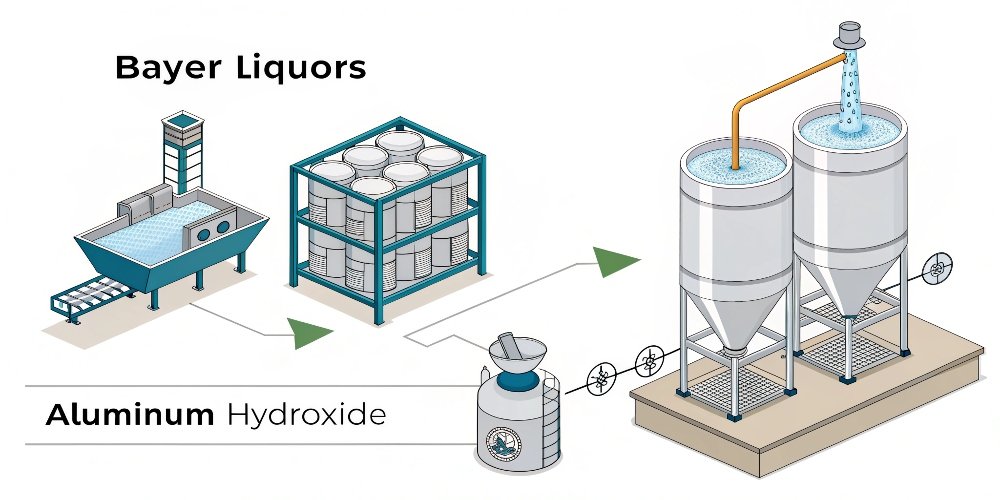
Struggle with inconsistent aluminum hydroxide? Worried that poor particle size will compromise your product quality? We master the precipitation process to deliver the fine, consistent powder you require.
To precipitate fine aluminum hydroxide, we precisely control the cooling of a supersaturated sodium aluminate solution. By adding a specific amount of fine seed crystals and managing agitation rates, we encourage nucleation over crystal growth, resulting in the desired fine particle size for superior quality.
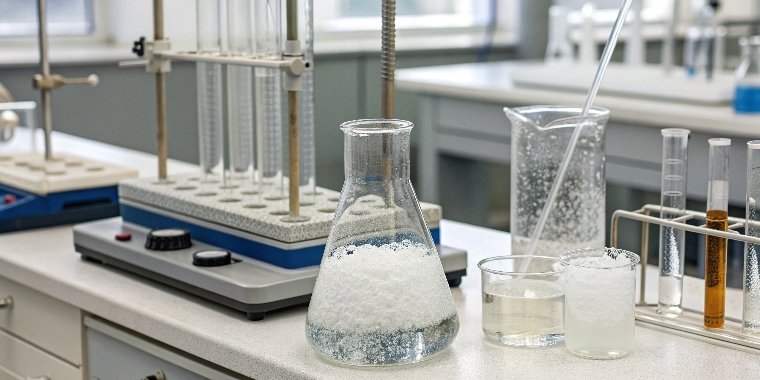
So, that is the general overview of the process. But achieving the perfect fine powder every single time requires a much deeper understanding of the variables at play. In my years managing production, I learned that small changes can have big effects. Let’s break down the most critical factors you should know about.
What are the key factors controlling particle size?
Inconsistent particle size in your raw materials? This variation can disrupt your processes and affect final quality. We control temperature, seeding, and an often-overlooked factor to ensure absolute consistency.
The final particle size is mainly controlled by three things. These are the precipitation temperature, the properties of the seed material (its size and amount), and the liquor’s caustic concentration. Balancing these elements is the key to producing a consistently fine product that meets specifications.
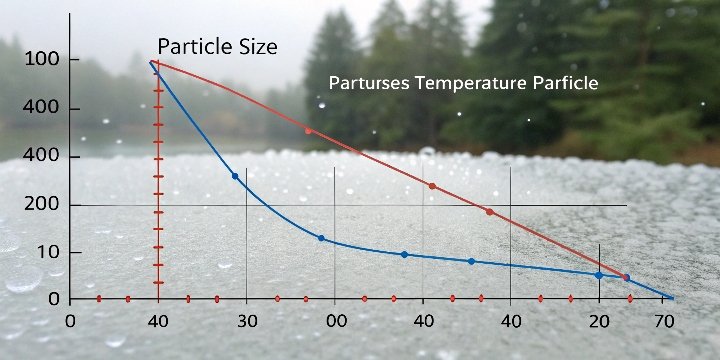
Controlling particle size is the most important job in our production of fine aluminum hydroxide1. It is a science we have perfected over many years. Here are the core elements we manage.
The Temperature Profile
Temperature is probably the single biggest influence. A lower precipitation temperature2 forces the creation of many new, small crystals. We call this nucleation3. Higher temperatures encourage existing crystals to grow larger and stick together. To produce a fine powder, we use a carefully controlled, multi-stage cooling process. This ensures the solution temperature drops at just the right speed. I remember once, a problem with a heat exchanger caused the temperature to stay too high for a few hours. That entire batch came out too coarse and was unsuitable for our pharmaceutical-grade customers. It showed me how critical precise temperature control really is.
The Role of Seed
The seed crystals4 are like the DNA for the final product. To get a fine product, you must start with fine seed. We use a large quantity of very small seed crystals. This provides a huge surface area. More surface area means more places for the aluminum hydroxide to precipitate. This leads to many small particles instead of a few large ones.
Liquor Chemistry
The chemistry of the sodium aluminate solution5, or liquor, also matters. We pay close attention to the alumina-to-caustic ratio6 (A/C ratio). A lower A/C ratio can help promote the formation of finer particles. We constantly analyze our liquor and blend different batches if needed to hit the perfect chemical target before we even start precipitation.
| Factor | Effect on Particle Size | Our Control Method |
|---|---|---|
| Temperature | Lower temps -> Finer particles | Precise heat exchangers, multi-stage cooling |
| Seed Charge/Size | Smaller, more seed -> Finer particles | Strict seed classification and dosing |
| Caustic Ratio | Lower A/C ratio -> Finer particles | Careful liquor analysis and blending |
How does the seeding process affect final product quality?
Seen batches that meet specs but still perform poorly? You might wonder if a hidden inconsistency is the cause. We believe the seeding process is the foundation of quality.
The seeding process directly determines the final product’s particle size distribution and crystal shape. By using high-quality, classified fine seed, we create a uniform starting point. This prevents unwanted agglomeration and ensures a consistent, high-performance product with predictable properties from batch to batch.
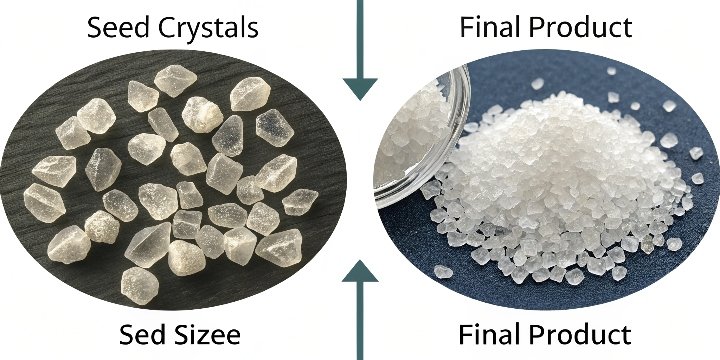
Many people overlook the details of seeding, but for us, it is everything. The quality of the final aluminum hydroxide is born in the seeding stage. A perfect seed process leads to a perfect final product.
Seed Classification is Non-Negotiable
We cannot just use any leftover aluminum hydroxide as seed. The seed must be prepared. We use a process called classification, often with hydrocyclones. This equipment spins the seed slurry at high speed. It separates the coarse, large particles from the fine, small particles. For our fine and super-fine products, we only use the finest fraction of seed. This ensures that we start the process with a uniform particle size. A uniform start leads to a uniform finish. This tight control prevents a wide particle size distribution, which is a common quality problem from other suppliers.
The Importance of Seed Mass
The amount of seed we add, called the "seed charge," is calculated very carefully. The goal is to provide enough surface area for the dissolved alumina to precipitate onto. If we add too little seed, the alumina will deposit on the few crystals available, making them grow too large. If we add too much seed, the process can become inefficient. We have specific formulas that balance the alumina content in the liquor with the seed surface area to hit the target particle size every time.
Preventing Agglomeration
A good seeding process promotes growth on the surface of the seed crystals. A poor process can cause crystals to stick together, which is called agglomeration. It can also cause new crystals to form randomly in the solution, called secondary nucleation. Both of these are bad. They create lumps and an uneven product with unpredictable properties. For a buyer like you in the pharmaceutical industry, consistency is critical. Our focus on seeding prevents these issues and guarantees a smooth, uniform powder.
Why is managing impurities so critical during precipitation?
Concerned that trace impurities could ruin your final product? You know that contaminants like iron or silica are unacceptable. Our process focuses on minimizing these impurities during precipitation.
Impurities like iron and organic compounds can co-precipitate with aluminum hydroxide, getting trapped within the crystal. This permanently lowers purity, affects whiteness, and can alter chemical reactivity. For pharmaceutical applications, managing this is essential for safety, efficacy, and regulatory compliance. It is not optional.
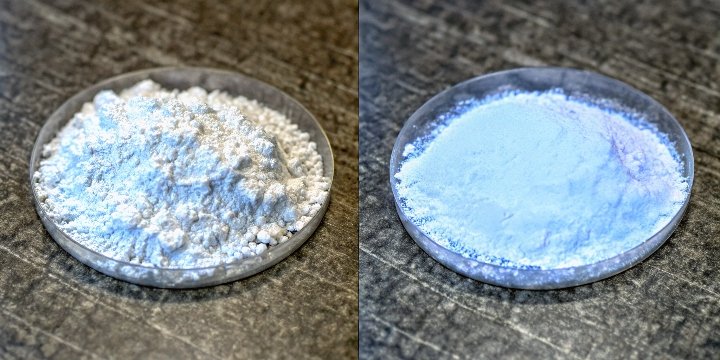
For many industrial uses, a small amount of impurity is not a problem. But for high-value applications like pharmaceuticals, purity is paramount. We build impurity control into every step of our process because we know you cannot afford any mistakes.
The Threat of Iron
Iron is a common enemy. It exists in the bauxite ore and can dissolve into the Bayer liquor. If we are not careful, this dissolved iron can precipitate along with the aluminum hydroxide. This "co-precipitation7" traps iron inside the ATH crystal structure. The result is a product with lower whiteness, often with a yellow or tan tint. This is completely unacceptable for your needs. We use special techniques and control the solution chemistry to keep iron dissolved in the liquid phase, so it gets washed away instead of ending up in your product.
Controlling Organic Contaminants
The bauxite ore also contains natural organic materials. These can break down in the hot caustic solution and contaminate the liquor. Like iron, these organic compounds can get incorporated into the aluminum hydroxide crystals. This can affect the product’s purity and performance. To fight this, our factory uses a purification step called "liquor burning8." We heat the liquor to high temperatures to destroy these organic contaminants9 before precipitation. This is an extra step and an extra cost, but it is necessary to achieve the high purity you require.
The Role of Washing
After precipitation, the product is a thick slurry. It is filtered to create a "cake," but this cake is still wet with caustic soda that contains all the dissolved impurities we worked hard to keep out of the crystal. The final purification step is washing. We wash the filter cake multiple times with hot, clean water to remove all traces of soda and dissolved impurities. For our highest-purity grades, we use deionized water10 for the final wash. The quality of the wash is just as important as the quality of the precipitation itself.
Conclusion
Ultimately, producing fine aluminum hydroxide is about precise control. By managing temperature, seeding, and impurities, we deliver a consistently pure product direct from our factory to you.
-
Explore the diverse applications of aluminum hydroxide in the pharmaceutical industry and its importance in drug formulation. ↩
-
Explore the relationship between temperature and precipitation, and its impact on product quality. ↩
-
Delve into the concept of nucleation and its significance in controlling crystal growth in chemical processes. ↩
-
Discover how seed crystals influence the final product quality and particle size in precipitation. ↩
-
Understand the properties and applications of sodium aluminate solution in various industrial processes. ↩
-
Learn about the importance of the alumina-to-caustic ratio in achieving desired product characteristics. ↩
-
Understand co-precipitation and its effects on product purity and performance in chemical manufacturing. ↩
-
Discover the liquor burning process and its role in achieving high purity in aluminum hydroxide. ↩
-
Learn about the challenges posed by organic contaminants and methods to control them in production. ↩
-
Learn about the advantages of using deionized water in chemical processes, especially for high-purity applications. ↩

You may also be interested in:

What protective measures should be taken when handling aluminum hydroxide powder in a factory?
Are you worried about worker safety when handling fine powders? Aluminum hydroxide is generally safe, but mishandling its dust can lead to serious respiratory issues and even create explosive conditions.

What Key Technical Indicators Should Be Considered When Purchasing Aluminum Hydroxide?
Are you struggling to find the right aluminum hydroxide for your needs? You might be paying for features you don’t even require. Let’s simplify the technical details. When buying aluminum

What are the market trends for aluminum hydroxide in 2026?
Are you planning your 2026 raw material purchases? Volatile markets make it hard. I will share insights from the factory floor to help you make better decisions for your business.
Is aluminum hydroxide toxic and is it harmful to the human body?
Worried about the word "aluminum" in your products? It sounds scary and can make you question its safety. I’m here to clear up the confusion with simple facts. Aluminum hydroxide

What are the side effects of long-term use of stomach medications containing aluminum hydroxide?
Struggling with constant heartburn? Reaching for that stomach medicine might seem like the only option. But what if that relief comes with hidden long-term costs? The most common side effect

Does ingesting aluminum (such as through aluminum hydroxide) cause Alzheimer's disease?
Are you worried that everyday products containing aluminum might be harmful? This fear connects to serious health concerns like Alzheimer’s, making you question what is safe. Let’s look closely. Based

Why do some vaccines contain aluminum hydroxide (aluminum adjuvant)?
Confused about vaccine ingredients? Seeing aluminum hydroxide listed can be unsettling. I’ll explain its crucial role and why it’s there to help your body build strong immunity. Aluminum hydroxide acts

Is the aluminum adjuvant in vaccines safe for infants or adults?
You read about vaccine ingredients and worry. The word "aluminum" sounds scary, especially when talking about babies. But understanding the facts can give you peace of mind. Yes, the aluminum

What environmental problems are generated during the production of aluminum hydroxide?
Worried about environmental compliance in your supply chain? Sourcing from China can be complex. You need a reliable, eco-conscious partner for your aluminum hydroxide needs. The main environmental issue is

Where are China's main aluminum hydroxide production areas?
Are you struggling to find the right aluminum hydroxide supplier in China? This confusion can lead to higher costs and unstable quality, which hurts your business and your reputation. China’s