
Stomach acid can be very painful. You need something to stop the burn. But using the wrong chemical can be dangerous and make things much worse.
An antacid is a specific type of base that is safe to eat. Its job is to neutralize stomach acid without harming your body. So, all antacids are bases, but most bases are definitely not antacids. You cannot just use any base for heartburn.
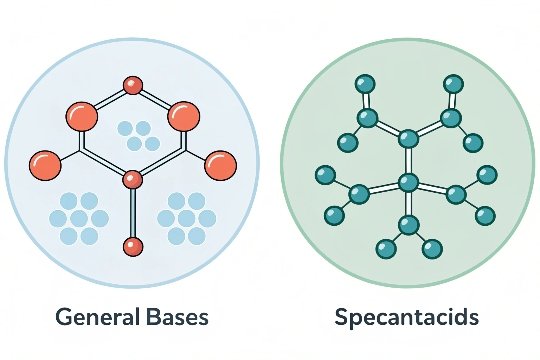
The world of chemistry can seem complex. Many terms sound similar but mean very different things. This is especially true when we talk about products for human health. Understanding these small differences is key to sourcing high-quality, safe materials for pharmaceutical products. Let me break down the difference between a general base and a specific antacid1, based on my experience working directly with these materials in my factory. It is simpler than you think.
What is the difference between a base and an antacid?
You have a chemical problem like acid reflux. You know a base will solve it. But choosing a strong, industrial base would be a disaster for your health.
The main difference is safety and purpose. A base is a broad chemical category. An antacid is a weak, non-toxic base specifically chosen and prepared to safely neutralize stomach acid. You can’t use a strong base like drain cleaner as an antacid.

To understand this better, let’s go deeper. A "base" is any substance that can accept a proton or produce hydroxide ions in a solution. This definition includes very dangerous and corrosive chemicals. An antacid, however, must be safe for you to ingest. From my factory experience, producing a material like aluminum hydroxide2 for antacids involves strict quality control. We ensure it’s a weak base3 that reacts slowly and controllably. A strong base would cause more harm than good.
Comparing a Strong Base to an Antacid
Think about Sodium Hydroxide (a strong base) versus Aluminum Hydroxide (an antacid).
| Feature | Strong Base (e.g., Sodium Hydroxide) | Antacid (e.g., Aluminum Hydroxide) |
|---|---|---|
| Strength | Very strong and highly reactive. | Weak and slowly reactive. |
| Safety | Highly corrosive and dangerous to touch or ingest. | Safe for ingestion in controlled doses. |
| Reaction | Neutralizes acid instantly and violently. | Neutralizes acid gently over time. |
| Effect on Body | Causes severe chemical burns4 and tissue damage. | Raises stomach pH to a comfortable level. |
| Primary Use | Industrial cleaners, manufacturing. | Medical treatment for heartburn and indigestion. |
Our goal in production is not just to make a chemical base. It is to make a pharmaceutical-grade raw material with precise properties. We control factors like particle size and purity to ensure it works effectively and safely as an antacid.
What are the differences between antacids?
You feel the burn of indigestion. You reach for an antacid, but there are many types. Choosing the wrong one might not work fast enough or could cause new problems.
Antacids differ mainly in their active chemical ingredient. This affects their speed, how long they work, and their side effects. Common types include aluminum hydroxide, magnesium hydroxide, and calcium carbonate. They are often combined to balance their effects.

Each type of antacid has its own unique profile. As a supplier, I know that our customers, like pharmaceutical companies, choose specific raw materials based on the product they want to create. They might need a fast-acting liquid or a long-lasting tablet. Understanding the base ingredients is key. For example, some ingredients work very quickly but don’t last long. Others provide slower, more sustained relief. The choice of material directly impacts the final product’s performance for the end user.
A Look at Common Antacid Ingredients
Let’s break down the most common active ingredients used in antacids.
| Active Ingredient | Speed of Relief | Duration of Action | Common Side Effect |
|---|---|---|---|
| Sodium Bicarbonate | Very Fast | Short | Gas, bloating, high sodium. |
| Calcium Carbonate | Fast | Medium | Constipation, can cause acid rebound. |
| Magnesium Hydroxide | Fast | Medium | Diarrhea (laxative effect). |
| Aluminum Hydroxide | Slow | Long | Constipation. |
This is why you often see aluminum hydroxide and magnesium hydroxide used together in a single product. From our production plant, we supply high-purity aluminum hydroxide. Our customers then combine it with magnesium-based compounds. The slow, long-lasting effect of aluminum balances the fast-acting nature of magnesium. And importantly, their opposite side effects—constipation and diarrhea—can cancel each other out. This creates a more balanced and effective final product.
Why are antacids weak bases?
You need to neutralize stomach acid. A strong chemical might seem like the fastest solution. But using a strong base would be like putting out a small fire with a fire hose.
Antacids must be weak bases to be safe. A strong base is highly corrosive and would damage the sensitive lining of your throat and stomach. A weak base neutralizes excess acid gently without causing chemical burns or drastically changing your stomach’s pH.

The main purpose of an antacid is to provide relief, not cause more problems. Your stomach is naturally acidic, with a pH between 1.5 and 3.5. This acid is crucial for digestion. You don’t want to eliminate it completely. You just want to raise the pH enough to stop the discomfort. A strong base, like sodium hydroxide (pH 14), would raise the stomach pH too high, too fast. This would stop digestion and could severely damage the stomach wall.
The Science of Gentle Neutralization
Weak bases are ideal because they react in a controlled way.
- Controlled Reaction: They only react with the excess acid. They don’t keep reacting to make the stomach highly alkaline. They bring the pH up to a more neutral level, around 4 or 5, and then the reaction slows down.
- Protection: Some weak bases, like the aluminum hydroxide we produce, have a secondary benefit. When aluminum hydroxide neutralizes stomach acid (hydrochloric acid), it forms aluminum chloride and water. This reaction can also have a cytoprotective effect, meaning it helps protect the cells lining the stomach.
- Safety First: In our factory, process control is everything. We ensure the reactivity of our aluminum hydroxide is consistent. This consistency is critical for our clients in the pharmaceutical industry. They rely on our material to behave as a predictable and gentle weak base in their final formulations, ensuring patient safety.
What is a base used in antacids?
You’re a buyer for a pharmaceutical company. You need reliable raw materials. So you must know exactly what goes into the products you help create and distribute.
The most common bases used in antacids are metallic hydroxides and carbonates. Specifically, aluminum hydroxide, magnesium hydroxide, calcium carbonate, and sodium bicarbonate are the primary active ingredients. These are chosen for their effectiveness and safety profile.
As a manufacturer of aluminum hydroxide, this is my area of expertise. These compounds are not chosen randomly. Each one works to neutralize stomach acid5, but they do it in different ways. They have unique speeds of action and potential side effects. That is why you often see them combined in a single product. The goal is to create a balanced formula that works well without causing other issues for the user. A smart formulator uses these differences to create a superior product.
Comparing Common Antacid Bases
| Base | Key Characteristic | Consideration for Buyers |
|---|---|---|
| Aluminum Hydroxide | Slower and sustained action. Can cause constipation. | Excellent for long-lasting relief. Often paired with Magnesium Hydroxide to balance side effects. A core ingredient for many formulations. |
| Magnesium Hydroxide | Fast-acting and potent. Can have a laxative effect. | Great for quick relief. The combination with aluminum is a classic, effective, and cost-efficient strategy that is very common. |
| Calcium Carbonate | Very fast and strong. Can cause gas or acid rebound. | It’s also a calcium supplement, which can be a strong marketing point. High demand in certain product categories. |
| Sodium Bicarbonate | Very fast-acting. High sodium content. | Best for products targeting immediate, occasional use. The high sodium can be a limitation for products intended for chronic users. |
Choosing the right base, or the right blend, is key to making a successful antacid. As a buyer, knowing these differences helps you source the exact material needed for the product your company wants to create or distribute. It puts you in control of the final formulation.
-
Explore this link to understand the role of antacids in neutralizing stomach acid safely. ↩
-
Learn about aluminum hydroxide’s role and benefits in antacid formulations. ↩
-
Explore the concept of weak bases and their applications in medicine. ↩
-
Learn about the dangers of using strong bases and their effects on the body. ↩
-
Discover the science behind how antacids effectively neutralize stomach acid. ↩

You may also be interested in:

What protective measures should be taken when handling aluminum hydroxide powder in a factory?
Are you worried about worker safety when handling fine powders? Aluminum hydroxide is generally safe, but mishandling its dust can lead to serious respiratory issues and even create explosive conditions.

What Key Technical Indicators Should Be Considered When Purchasing Aluminum Hydroxide?
Are you struggling to find the right aluminum hydroxide for your needs? You might be paying for features you don’t even require. Let’s simplify the technical details. When buying aluminum

What are the market trends for aluminum hydroxide in 2026?
Are you planning your 2026 raw material purchases? Volatile markets make it hard. I will share insights from the factory floor to help you make better decisions for your business.

Is aluminum hydroxide toxic and is it harmful to the human body?
Worried about the word "aluminum" in your products? It sounds scary and can make you question its safety. I’m here to clear up the confusion with simple facts. Aluminum hydroxide

What are the side effects of long-term use of stomach medications containing aluminum hydroxide?
Struggling with constant heartburn? Reaching for that stomach medicine might seem like the only option. But what if that relief comes with hidden long-term costs? The most common side effect

Does ingesting aluminum (such as through aluminum hydroxide) cause Alzheimer's disease?
Are you worried that everyday products containing aluminum might be harmful? This fear connects to serious health concerns like Alzheimer’s, making you question what is safe. Let’s look closely. Based

Why do some vaccines contain aluminum hydroxide (aluminum adjuvant)?
Confused about vaccine ingredients? Seeing aluminum hydroxide listed can be unsettling. I’ll explain its crucial role and why it’s there to help your body build strong immunity. Aluminum hydroxide acts

Is the aluminum adjuvant in vaccines safe for infants or adults?
You read about vaccine ingredients and worry. The word "aluminum" sounds scary, especially when talking about babies. But understanding the facts can give you peace of mind. Yes, the aluminum

What environmental problems are generated during the production of aluminum hydroxide?
Worried about environmental compliance in your supply chain? Sourcing from China can be complex. You need a reliable, eco-conscious partner for your aluminum hydroxide needs. The main environmental issue is

Where are China's main aluminum hydroxide production areas?
Are you struggling to find the right aluminum hydroxide supplier in China? This confusion can lead to higher costs and unstable quality, which hurts your business and your reputation. China’s