Thinking that industrial chemicals are simply dug out of the ground? This common misconception about aluminum hydroxide can lead you to overlook the complex chemical processing that determines its quality and price.
Aluminum hydroxide is not mined directly in its pure form. Instead, it is chemically manufactured from bauxite ore through a multi-stage refining procedure known as the Bayer process. This process is essential to separate and purify the final white powder.
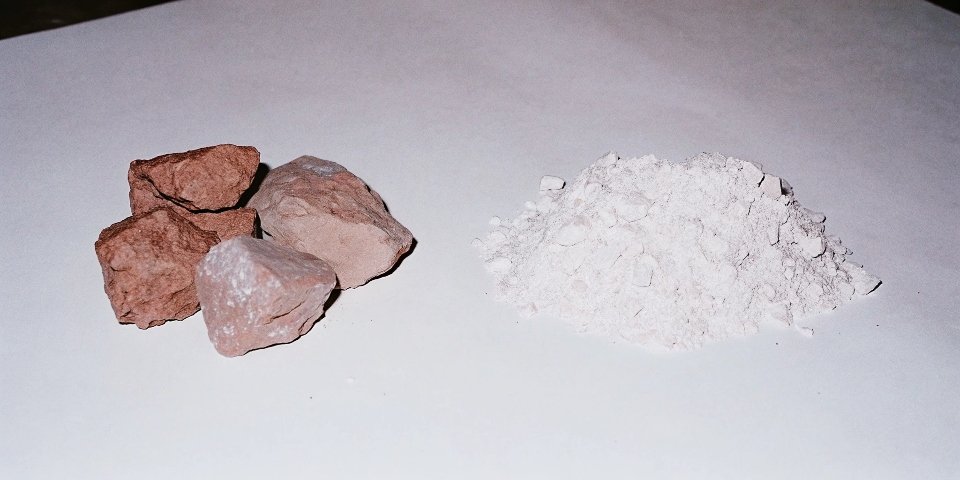
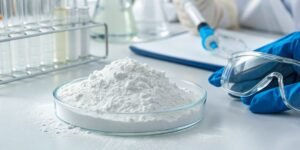
From my position on the factory floor, I see this transformation every single day. We don’t operate a mine; we operate a chemical refinery1. The journey from a reddish, clay-like rock to the consistent, high-purity white powder2 that our customers depend on is a feat of engineering and chemistry. For a buyer like Mr. Park, who needs to guarantee the quality of his supply chain3, understanding this journey from rock to refined powder is not just interesting—it’s critical for making informed purchasing decisions.
How is aluminum hydroxide manufactured?
Are you wondering how a raw, impure rock is transformed into a highly pure industrial chemical? The process seems complex, but it follows a clear and well-established chemical path.
It’s manufactured using the Bayer process. This involves dissolving bauxite ore in a hot caustic soda solution, filtering out solid impurities, and then precipitating pure aluminum hydroxide crystals from the remaining liquid.

The Bayer process4 is the heart and soul of our entire operation. It’s a large-scale industrial process that has been refined over a century but still relies on basic chemical principles. The entire manufacturing journey can be broken down into a few key stages.
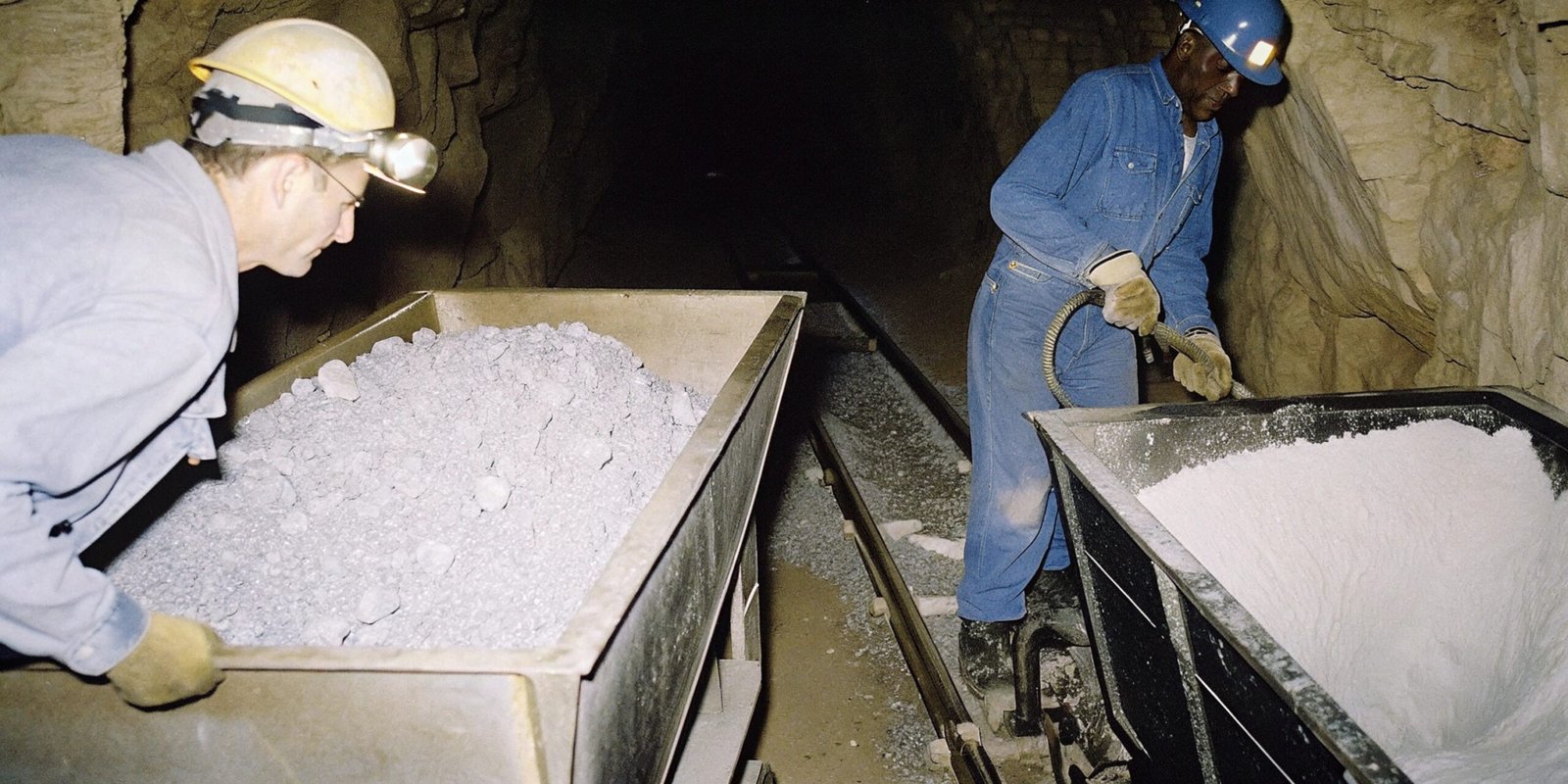
- Digestion: First, we crush the bauxite ore and mix it with a hot solution of caustic soda (sodium hydroxide) inside large, high-pressure vessels. This dissolves the aluminum-bearing minerals into a solution called sodium aluminate.
- Clarification: The solution then goes to settling tanks, where the insoluble impurities—like iron oxides and silica—fall to the bottom. This reddish waste is known as "red mud."
- Precipitation: This is the most important step for quality control. The hot, clear sodium aluminate solution is cooled in enormous precipitator tanks. We add tiny seed crystals of aluminum hydroxide to start the crystallization process. By carefully controlling the temperature, we can grow crystals of a specific size, which is how we create different grades for different applications.
- Washing: Finally, the precipitated white powder is thoroughly washed to remove any remaining caustic soda and then dried into the final product that we bag and ship.
What is the natural source of aluminium hydroxide?
Are you trying to find the origin of this chemical on a geological map? The reality is that it doesn’t come from a mine of pure white powder, but from a common and rather dirty-looking rock.
The main natural source of aluminum hydroxide is bauxite ore. While the mineral gibbsite is a naturally occurring form of pure aluminum hydroxide, it is typically a component within bauxite, not mined on its own.
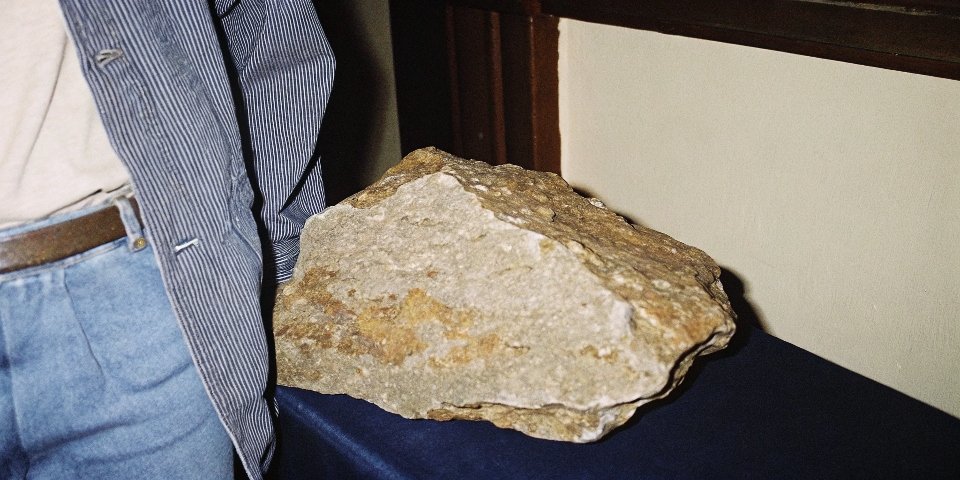
Bauxite is the only significant ore of aluminum. It isn’t a single mineral but a rock composed primarily of aluminum hydroxide minerals, with gibbsite being the most important. However, it is mixed with a lot of other things that we consider impurities. The most obvious one is iron oxide, which gives bauxite its characteristic red or brown color. It also contains silica (sand) and other minerals. The composition of bauxite can vary a lot depending on where it is mined in the world—countries like Australia, Guinea, and China all have major deposits, but the quality and type of impurities are different. In our factory, sourcing the right bauxite is a major part of our job. Too much silica, for example, can cause big problems during the Bayer process, leading to loss of aluminum and caustic soda. So, while bauxite is the natural source, you can’t just grind it up and use it. It must be refined.
How is aluminum mined and processed?
Do you think that mining for flame retardants is the same as mining for aluminum foil? The processes start identically, but they diverge at a critical step depending on the final product.
The process starts with the open-pit mining of bauxite ore. For aluminum hydroxide (ATH), the processing stops after the Bayer process. For aluminum metal, the hydroxide is first converted to alumina, which is then smelted.

This is a point of confusion for many buyers. The entire aluminum supply chain begins in the same place: a bauxite mine. These are typically large open-pit mines where the ore is scooped from near the surface. The real difference is what happens after the ore is refined.
| Stage | Description | End Product |
|---|---|---|
| 1. Mining | Bauxite ore is extracted from the earth using open-pit mining techniques. | Bauxite Ore |
| 2. Refining (Bayer Process) | The bauxite is chemically processed to produce pure aluminum hydroxide. This is my factory’s main output. | Aluminum Hydroxide (ATH) |
| 3. Calcination (Optional) | The ATH is heated to over 1000°C to drive off the water, leaving pure aluminum oxide (alumina). | Alumina (Al₂O₃) |
| 4. Smelting (Optional) | The alumina is dissolved and electrolyzed in a massive, energy-intensive process to produce pure metal. | Aluminum Metal (Al) |
So, my factory is at Stage 2. We supply our aluminum hydroxide directly to customers who need it for flame retardants, water treatment, or pharmaceuticals. But we also sell it to other companies who perform Stage 3, turning our powder into alumina for the aluminum metal industry.
What is another name for aluminium hydroxide?
Do you feel lost in a sea of chemical names like ATH, hydrated alumina, and Al(OH)₃? Using the wrong name can lead to confusion and even incorrect orders with your supplier.
The most common industrial alternative name is aluminum trihydrate, often shortened to ATH. This name, based on an older chemical notation (Al₂O₃·3H₂O), is the standard term in the plastics and flame-retardant industries.
I deal with this naming issue all the time. The name a customer uses often tells me what industry they are in. Understanding the context of each name helps avoid miscommunication.
-
Aluminum Hydroxide: This is the most chemically accurate name. It is the standard in the pharmaceutical industry, and it’s what a buyer like Mr. Park would likely be most familiar with. When we produce our high-purity grades, all our documentation refers to it as aluminum hydroxide.
-
Aluminum Trihydrate (ATH): This is the king of industrial names. It comes from looking at the chemical as a hydrated form of alumina (Al₂O₃·3H₂O). It highlights the three water molecules that are released to stop fire, which is why it is so popular with flame retardant customers. If a customer asks for "ATH", I know they are almost certainly using it in plastics or rubber.
-
Hydrated Alumina: This is a more general, descriptive term. It is less common but is sometimes used interchangeably with ATH.
I once saw a significant delay in a customer’s order because their purchasing department wrote "Hydrated Alumina" on the PO, while their technical team had requested a specific grade of "ATH" from us. Our system didn’t flag it correctly. Now, I always confirm the specific grade and application with the customer, regardless of the name they use.
Conclusion
Aluminum hydroxide is not a mined mineral but a refined chemical from bauxite ore. Understanding this manufacturing process is essential for any buyer to source the correct grade and quality for their needs.
-
Understand the role of chemical refineries in producing industrial chemicals like aluminum hydroxide. ↩
-
Find out why high-purity white powder is essential for various industrial applications. ↩
-
Understand the concept of supply chains and their importance in sourcing materials like aluminum hydroxide. ↩
-
Learn about the Bayer process, a crucial method for refining bauxite into aluminum hydroxide. ↩

You may also be interested in:

What protective measures should be taken when handling aluminum hydroxide powder in a factory?
Are you worried about worker safety when handling fine powders? Aluminum hydroxide is generally safe, but mishandling its dust can lead to serious respiratory issues and even create explosive conditions.

What Key Technical Indicators Should Be Considered When Purchasing Aluminum Hydroxide?
Are you struggling to find the right aluminum hydroxide for your needs? You might be paying for features you don’t even require. Let’s simplify the technical details. When buying aluminum

What are the market trends for aluminum hydroxide in 2026?
Are you planning your 2026 raw material purchases? Volatile markets make it hard. I will share insights from the factory floor to help you make better decisions for your business.
Is aluminum hydroxide toxic and is it harmful to the human body?
Worried about the word "aluminum" in your products? It sounds scary and can make you question its safety. I’m here to clear up the confusion with simple facts. Aluminum hydroxide

What are the side effects of long-term use of stomach medications containing aluminum hydroxide?
Struggling with constant heartburn? Reaching for that stomach medicine might seem like the only option. But what if that relief comes with hidden long-term costs? The most common side effect

Does ingesting aluminum (such as through aluminum hydroxide) cause Alzheimer's disease?
Are you worried that everyday products containing aluminum might be harmful? This fear connects to serious health concerns like Alzheimer’s, making you question what is safe. Let’s look closely. Based

Why do some vaccines contain aluminum hydroxide (aluminum adjuvant)?
Confused about vaccine ingredients? Seeing aluminum hydroxide listed can be unsettling. I’ll explain its crucial role and why it’s there to help your body build strong immunity. Aluminum hydroxide acts

Is the aluminum adjuvant in vaccines safe for infants or adults?
You read about vaccine ingredients and worry. The word "aluminum" sounds scary, especially when talking about babies. But understanding the facts can give you peace of mind. Yes, the aluminum

What environmental problems are generated during the production of aluminum hydroxide?
Worried about environmental compliance in your supply chain? Sourcing from China can be complex. You need a reliable, eco-conscious partner for your aluminum hydroxide needs. The main environmental issue is

Where are China's main aluminum hydroxide production areas?
Are you struggling to find the right aluminum hydroxide supplier in China? This confusion can lead to higher costs and unstable quality, which hurts your business and your reputation. China’s