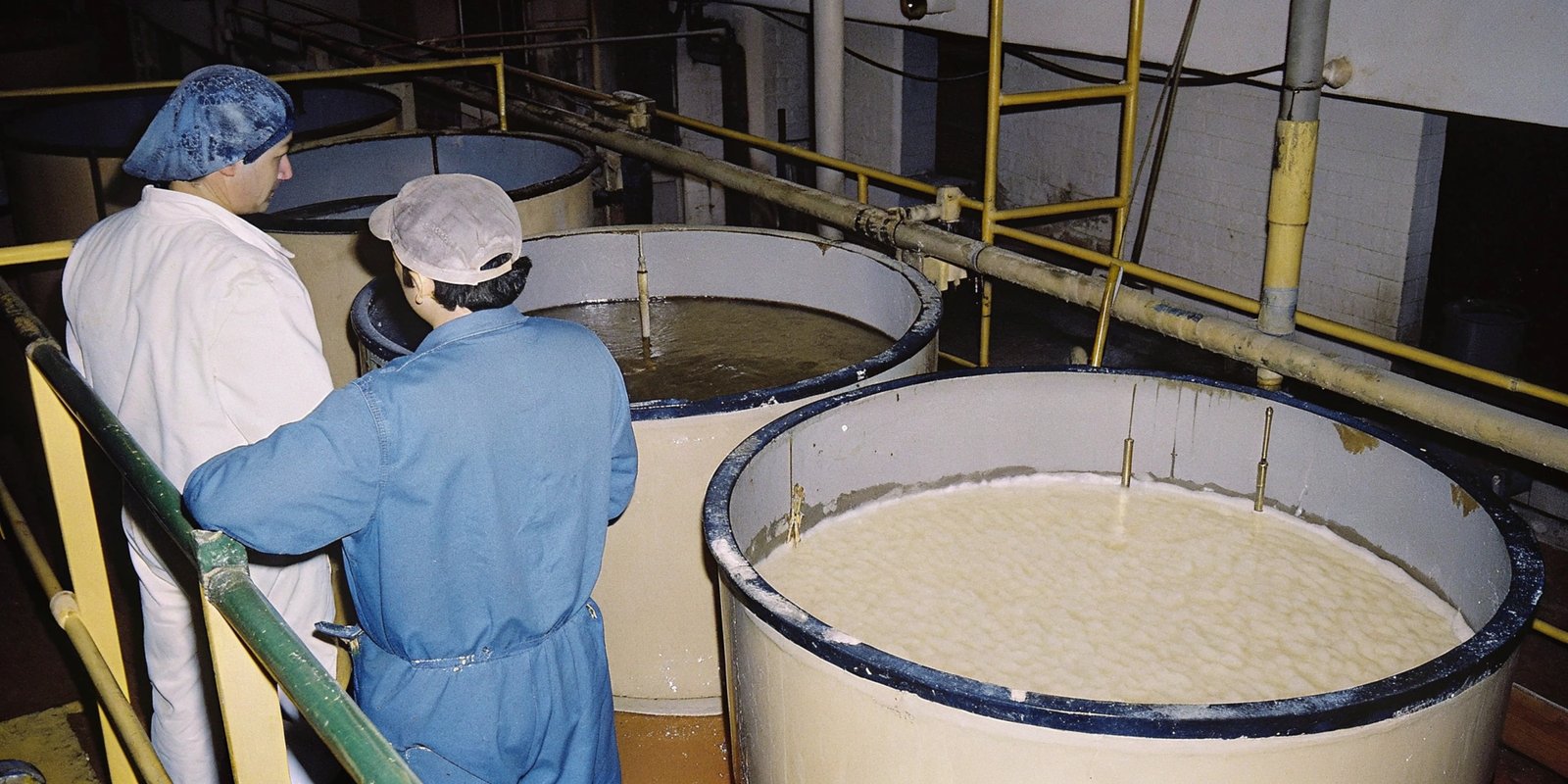
That fine white powder starts as a rugged red rock. The transformation is a complex industrial process, making it difficult to judge product quality and cost without inside knowledge.
Aluminum hydroxide is made from bauxite ore using the Bayer process. This chemical process involves dissolving the aluminum-bearing minerals from the rock in hot caustic soda, filtering out impurities, and then precipitating pure aluminum hydroxide crystals from the resulting solution.
From my factory floor here in Henan, I see this process every single day. The journey from that red bauxite rock to the consistent, pure white powder we ship is one of precise control. For my customers, like Mr. Park who sources pharmaceutical-grade materials1 in Korea, understanding this process is not just for curiosity. It is the key to trusting the quality of the final product. The final specification sheet is a promise, but the process is how we keep that promise.
How do you make aluminum hydroxide?
Mixing bauxite rock and chemicals seems simple, but it is not. The wrong process or conditions will yield a messy, useless result instead of a pure, functional product.
We make aluminum hydroxide by putting bauxite through four main stages. First, we grind it. Then we digest it in hot caustic soda. We clarify it to remove waste, and finally, we precipitate pure crystals.
Making aluminum hydroxide is like following a complex chemical recipe. Each step must be done correctly to get the desired result.
- Grinding: We start by crushing the bauxite and grinding it into a fine powder in a mill. We often mix this with a caustic soda solution to create a slurry. The goal is to create a huge surface area, so the chemical reactions in the next step happen much faster and more completely.
- Digestion: The slurry is pumped into large, high-pressure vessels2. Here, we "pressure cook" it at high temperatures. The caustic soda dissolves the aluminum minerals in the bauxite, creating a soupy liquid called sodium aluminate3. The other minerals, like iron oxides, do not dissolve.
- Clarification: We now have a mixture of valuable liquid and solid waste. We filter this mixture to separate the clear sodium aluminate liquid from the solid impurities, which we call "red mud4." This step is critical for ensuring the purity of our final product.
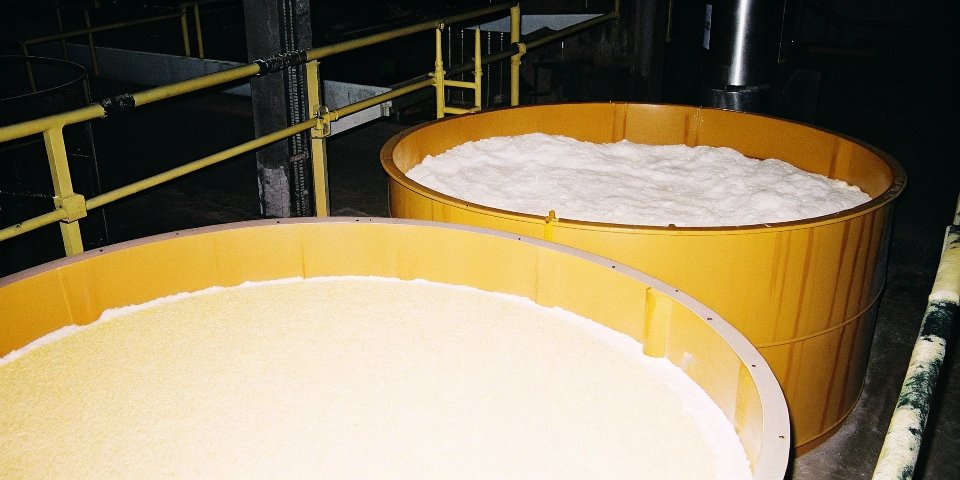
- Precipitation: The clear, hot liquid is cooled in enormous tanks. We then add tiny "seed" crystals of pure aluminum hydroxide. This encourages the dissolved aluminum hydroxide to crystallize and precipitate out of the solution. By controlling this step, we control the particle size of the final powder.
Where does aluminum hydroxide come from?
The white powder arrives in clean bags, its earthly origins totally hidden. This disconnect from the source can obscure the realities of the global supply chain, C-level product consistency, and price stability.
Aluminum hydroxide originates from a reddish, clay-like rock called bauxite. Bauxite is found and mined all over the world, primarily in a belt around the equator. It is the planet’s main source of all aluminum products.
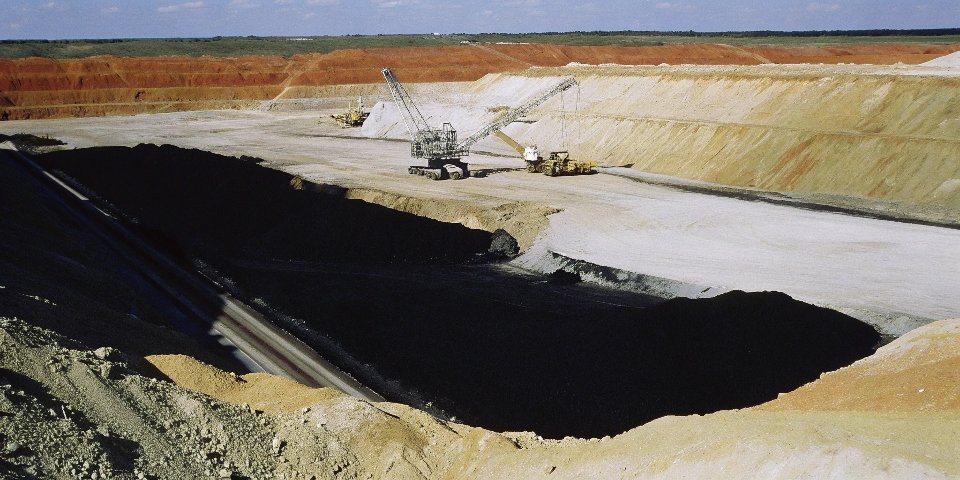
The entire aluminum industry starts in the ground, with bauxite. This rock is not a single mineral but a mixture. It contains several aluminum-bearing minerals, with the most common being gibbsite5. It also contains impurities, which are very important. The main impurities are iron oxides, which give bauxite its characteristic red color, and various silica minerals.
Bauxite is mined in large, open-cast mines. The topsoil is removed, and the bauxite layer is extracted with large machinery. Major reserves are located in countries like Australia, Guinea, Brazil, Vietnam, and here in China. As a producer in Henan, we rely on a steady supply of quality bauxite. The type of bauxite we get dictates how we run our plant. For example, different aluminum minerals in the bauxite require different processing temperatures.
| Bauxite Mineral | Typical Processing Temperature | Importance |
|---|---|---|
| Gibbsite | Low (~140°C) | Easiest and cheapest to process. |
| Boehmite | High (~200-240°C) | Requires more energy and pressure. |
| Diaspore | Very High (~240-260°C) | Hardest to process, common in China. |
For Mr. Park, this matters because our ability to secure a consistent supply of good bauxite directly affects our production stability and costs, which in turn impacts his supply chain.
What is the raw material of aluminium hydroxide?
You know the raw material is bauxite, but that is not the full story. Not all bauxite is equal, and using a poor-quality source leads directly to higher costs and lower-purity products.
The main raw material is bauxite ore. The quality of this bauxite is defined by two key factors: its high content of "available alumina" and its low content of "reactive silica." A good raw material has a high ratio of alumina to silica.
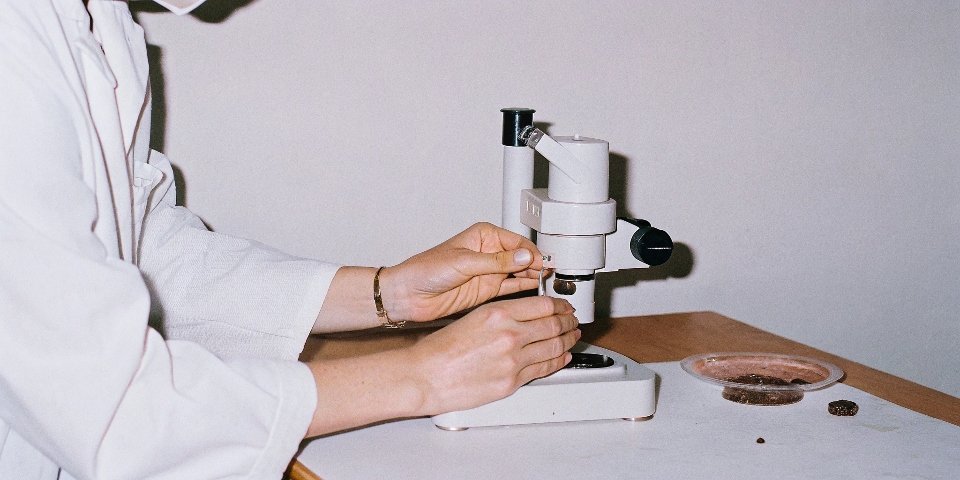
When we evaluate a shipment of bauxite, we are not just looking at how red it is. We are performing detailed chemical analysis6 to check two things.
First is the "available alumina." This is the amount of alumina in the ore that we can actually extract using the Bayer process7. It’s the valuable part of the rock.
Second, and even more important, is the "reactive silica." This is our main enemy in the process. During the high-temperature digestion stage, this silica reacts with our expensive caustic soda and the valuable alumina we just dissolved. It forms a solid waste product, a complex sodium aluminum silicate. This single reaction is terrible for two reasons: it consumes the caustic soda we need to recycle, and it takes our dissolved alumina out of the solution, which lowers our final yield.
Because of this, the most important metric for us is the alumina-to-silica (A/S) ratio. A high A/S ratio means high profit and efficiency. A low A/S ratio means high cost and waste. As a plant manager, my job is to source and blend bauxite to maintain the highest possible A/S ratio. This discipline at the front end of the process is how we ensure a competitive and consistent product for customers like Mr. Park.
What is the process of aluminum refining?
The term "aluminum refining" can be very confusing. It is often mistaken for the dramatic process of smelting shiny metal, which is a completely different industry and process from what we do.
In our context, aluminum refining is the Bayer process. It is a chemical method to purify bauxite ore into aluminum hydroxide. It is not the high-temperature smelting process that turns alumina into aluminum metal.
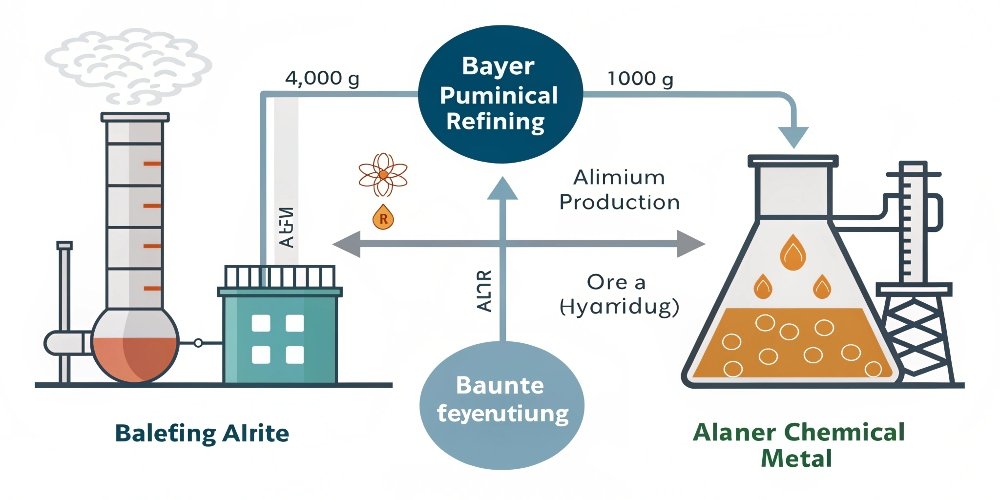
It is crucial to understand the two different stages of "refining" in the aluminum industry. What we do at our plant is the first stage.
Stage 1: Chemical Refining (Bayer Process)
This is our world. It is a hydrometallurgical process, which means it uses water and chemicals (specifically, a hot caustic soda solution). The goal is purification8. We take an impure, raw material (bauxite) and use chemistry to separate the one pure compound we want (aluminum hydroxide, Al(OH)₃) from all the other waste minerals. The temperatures are relatively low for an industrial process9, typically between 140°C and 250°C. The final product is a stable, pure white powder. This powder can be sold directly for use in plastics, pharmaceuticals, and other industries.
Stage 2: Smelting (Hall-Héroult Process)
This is the next step, which happens at a different facility called a smelter. Our aluminum hydroxide is first heated to drive off the water, creating aluminum oxide (Al₂O₃), called alumina. At the smelter, this alumina is dissolved in molten salt and subjected to a powerful electric current. This is a pyrometallurgical process (using extreme heat, ~950°C) with a goal of reduction. It breaks the strong aluminum-oxygen bonds to produce liquid aluminum metal.
Understanding this difference is important. Buyers like Mr. Park purchase a refined chemical from us, not a raw material for a smelter.
Conclusion
Aluminum hydroxide is made via the Bayer process, a specific chemical refining journey from bauxite ore. Understanding this process, from raw material to final powder, is key to ensuring quality.
-
Discover the standards and significance of pharmaceutical-grade materials in industries. ↩
-
Discover the role of high-pressure vessels in enhancing the efficiency of aluminum extraction. ↩
-
Find out how sodium aluminate is formed and its importance in the Bayer process. ↩
-
Learn about red mud, its formation, and its implications for the aluminum industry. ↩
-
Learn about gibbsite, the primary aluminum-bearing mineral in bauxite. ↩
-
Learn about the methods used to assess bauxite quality through chemical analysis. ↩
-
Discover the intricate steps of the Bayer process that transform bauxite into aluminum hydroxide. ↩
-
Explore the steps involved in purifying bauxite to obtain aluminum hydroxide. ↩
-
Learn about the various industrial processes that contribute to aluminum manufacturing. ↩

You may also be interested in:

What protective measures should be taken when handling aluminum hydroxide powder in a factory?
Are you worried about worker safety when handling fine powders? Aluminum hydroxide is generally safe, but mishandling its dust can lead to serious respiratory issues and even create explosive conditions.

What Key Technical Indicators Should Be Considered When Purchasing Aluminum Hydroxide?
Are you struggling to find the right aluminum hydroxide for your needs? You might be paying for features you don’t even require. Let’s simplify the technical details. When buying aluminum

What are the market trends for aluminum hydroxide in 2026?
Are you planning your 2026 raw material purchases? Volatile markets make it hard. I will share insights from the factory floor to help you make better decisions for your business.
Is aluminum hydroxide toxic and is it harmful to the human body?
Worried about the word "aluminum" in your products? It sounds scary and can make you question its safety. I’m here to clear up the confusion with simple facts. Aluminum hydroxide

What are the side effects of long-term use of stomach medications containing aluminum hydroxide?
Struggling with constant heartburn? Reaching for that stomach medicine might seem like the only option. But what if that relief comes with hidden long-term costs? The most common side effect

Does ingesting aluminum (such as through aluminum hydroxide) cause Alzheimer's disease?
Are you worried that everyday products containing aluminum might be harmful? This fear connects to serious health concerns like Alzheimer’s, making you question what is safe. Let’s look closely. Based

Why do some vaccines contain aluminum hydroxide (aluminum adjuvant)?
Confused about vaccine ingredients? Seeing aluminum hydroxide listed can be unsettling. I’ll explain its crucial role and why it’s there to help your body build strong immunity. Aluminum hydroxide acts

Is the aluminum adjuvant in vaccines safe for infants or adults?
You read about vaccine ingredients and worry. The word "aluminum" sounds scary, especially when talking about babies. But understanding the facts can give you peace of mind. Yes, the aluminum

What environmental problems are generated during the production of aluminum hydroxide?
Worried about environmental compliance in your supply chain? Sourcing from China can be complex. You need a reliable, eco-conscious partner for your aluminum hydroxide needs. The main environmental issue is

Where are China's main aluminum hydroxide production areas?
Are you struggling to find the right aluminum hydroxide supplier in China? This confusion can lead to higher costs and unstable quality, which hurts your business and your reputation. China’s