
You’re a professional managing a water treatment process and need everything to be precise. You add an aluminum-based chemical to clarify water, but the pH suddenly changes, throwing off your entire system.
Aluminum hydroxide itself is nearly insoluble and has a minimal effect on water pH. However, related chemicals used in water treatment, like aluminum sulfate (alum), react with water to create acid, significantly lowering the pH.
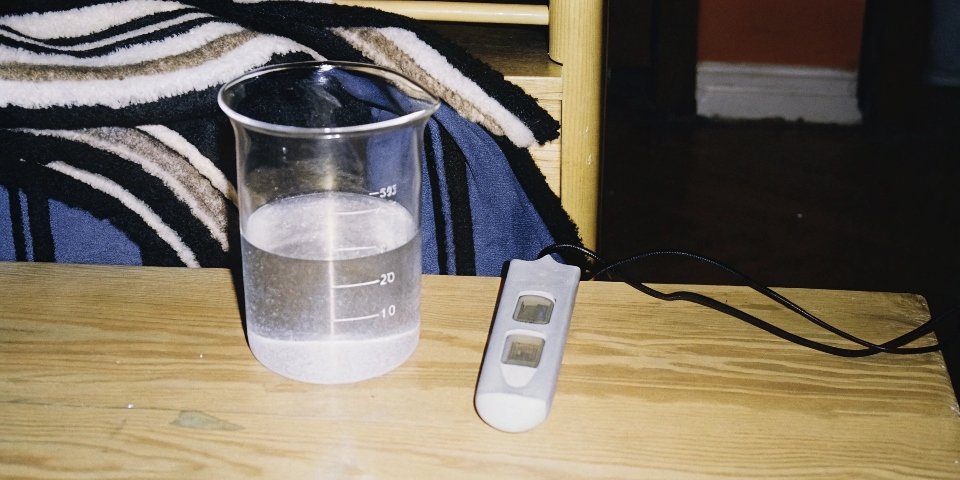
In my line of work, we produce extremely pure aluminum hydroxide1. Some of it, like the batches for my Korean customer Mr. Park, goes into pharmaceuticals where water quality is everything. But much of it also relates to water treatment. I often speak with engineers who are confused about why one aluminum compound makes their water acidic while another does not. Let’s clear up this very important point.
What is the pH of aluminum hydroxide?
You need to know the pH of a chemical to use it correctly. Looking for a simple number for aluminum hydroxide can be frustrating, as its solid nature makes this less straightforward than a liquid acid.
Because aluminum hydroxide is almost insoluble in water, it barely changes the water’s pH. If you could make a saturated solution, its pH would be slightly alkaline, around 7.7, but this has little practical impact.

The pH of a substance really measures its effect when dissolved in water. It tells you if it releases hydrogen ions (H⁺) to be an acid, or hydroxide ions (OH⁻) to be a base. Since aluminum hydroxide powder barely dissolves at all, it can’t release many ions either way. It mostly just sits there as a solid suspension. It’s like adding fine sand to water; the sand is still sand, and the water is still water.
The most useful pH-related concept for aluminum hydroxide is its "isoelectric point2." This is the specific pH where it is least soluble, which is around pH 8. This is a key technical detail for chemists who use it in specific reactions. For most practical purposes, however, you can consider it to be almost neutral and to have a very small effect on the overall pH of a system by itself.
| Substance | Solubility in Water | Effect on Pure Water’s pH |
|---|---|---|
| Sodium Hydroxide | Very High | Strongly increases pH (e.g., to 14) |
| Aluminum Hydroxide | Extremely Low | Barely increases pH (e.g., to ~7.7) |
| Hydrochloric Acid | Very High | Strongly decreases pH (e.g., to 1) |
Does aluminum sulfate lower pH in water?
You add aluminum sulfate to your water tank to clear up cloudiness. But your pH meter shows the water is now acidic, a result you did not expect that could damage your pipes.
Yes, aluminum sulfate, also known as alum, absolutely lowers the pH of water. When it dissolves, it reacts with water in a process called hydrolysis, which produces sulfuric acid as a byproduct.

This is one of the most important concepts in water coagulation. People confuse aluminum sulfate3 with the aluminum hydroxide we produce, but they behave very differently in water. The whole point of adding alum is to create aluminum hydroxide inside the water tank. Here is the process, step by step:
- Dosing: You add aluminum sulfate
Al₂(SO₄)₃to the water. It dissolves quickly. - Hydrolysis: The aluminum ions4
(Al³⁺)from the alum immediately react with water(H₂O). - Floc Formation: This reaction forms the solid aluminum hydroxide
Al(OH)₃. This is the sticky, gelatinous a substance, called "floc," that traps dirt and cleans the water. - Acid Formation: However, the reaction also leaves behind hydrogen ions, creating sulfuric acid
(H₂SO₄). The full chemical equation5 looks like this:
Al₂(SO₄)₃ + 6H₂O → 2Al(OH)₃ (solid floc) + 3H₂SO₄ (acid)
So, the very process that cleans the water also creates acid. Water treatment plants must account for this. They often add a base, like lime or soda ash6, to neutralize this acid and bring the pH back to a neutral level7 to prevent corrosion.
Does aluminum hydroxide react with water?
You mix our white aluminum hydroxide powder into a beaker of water. It just swirls around and settles to the bottom. This makes you wonder if it is completely inert or if there’s any reaction at all.
No, for all practical purposes, aluminum hydroxide does not react with pure water. It is very stable and highly insoluble, so it simply forms a suspension of solid particles floating in the liquid.
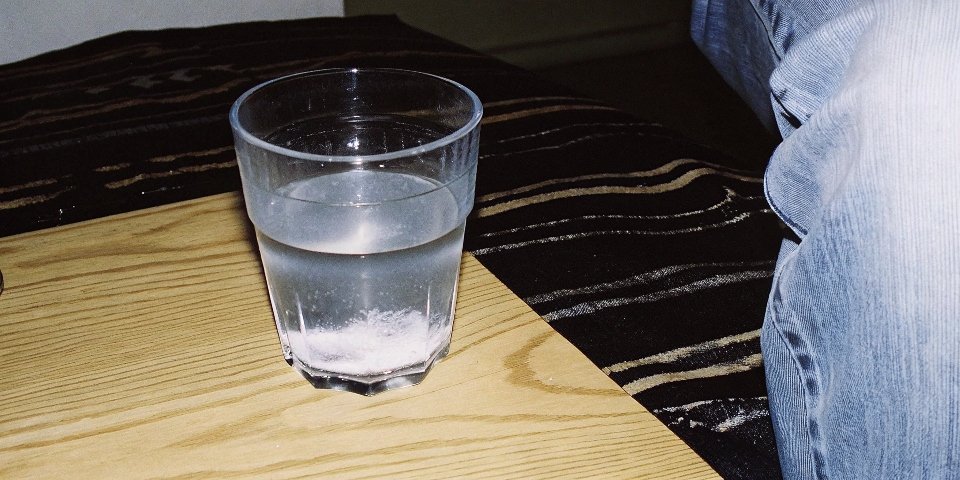
It is important to understand the difference between a substance dissolving and reacting. Sugar dissolves in water to form a solution. The sugar is still there, but you can’t see it. Aluminum hydroxide does not even do that. It behaves more like very fine sand. You can mix it, and the water becomes cloudy, but this is a suspension8. When you stop stirring, the solid powder will slowly settle back to the bottom.
This lack of reactivity with water is actually a key feature.
- As an Antacid: It doesn’t react with the water in your saliva or stomach; it specifically waits to react with the acid.
- As a Flame Retardant: It sits harmlessly inside a plastic or rubber matrix. It only reacts when heated to a high temperature (around 200°C), where it breaks down and releases its water molecules to stop fire.
Its power is not in reacting with water, but in its ability to react with other things—like acids, strong bases, or intense heat.
Does alum increase the pH of water?
You hear the term "alum" used in many contexts, from gardening to water treatment. This creates confusion, and you might incorrectly assume it would make water more alkaline like other hydroxides.
No, alum does the opposite; it significantly decreases the pH of water, making it more acidic. Alum is the common name for aluminum sulfate, which produces acid when it reacts with water.
This is a very common point of confusion that can lead to costly mistakes in process control. Let’s be very clear about the chemicals and their effects.
| Chemical Name | Common Name / Type | Effect on Water pH | Reason |
|---|---|---|---|
| Aluminum Hydroxide | ATH, A White Powder | Almost No Effect | It is a solid and nearly insoluble, so it does not alter the water. |
| Aluminum Sulfate | Alum, a Coagulant | Decreases pH | It hydrolyzes in water to form sulfuric acid, making the water acidic. |
| Sodium Aluminate | A Coagulant | Increases pH | It hydrolyzes in water to form sodium hydroxide, making the water alkaline. |
As you can see, the term "coagulant" can refer to chemicals that either raise or lower pH. The most widely used one, alum, always makes water more acidic. An operator must know this and be prepared to correct the pH. The success of the entire coagulation process depends on keeping the pH within an optimal range (usually between 6.5 and 7.5). If the pH drops too low from the alum, the floc won’t form correctly, and the water won’t get clean.
Conclusion
Aluminum hydroxide itself is neutral in water. But aluminum sulfate (alum), used for water treatment, always lowers pH by creating acid. Managing this pH drop is a critical step for success.
-
Explore how aluminum hydroxide is utilized in water treatment processes and its benefits. ↩
-
Learn about the isoelectric point and its relevance in chemical behavior. ↩
-
Learn about the impact of aluminum sulfate on water pH and its role in water treatment. ↩
-
Understand the role of aluminum ions in chemical reactions and water treatment. ↩
-
Discover how chemical equations are formulated and their significance in chemistry. ↩
-
Find out how lime and soda ash are used to neutralize acidity in water. ↩
-
Learn about the neutral pH level and its importance for water quality. ↩
-
Explore the concept of suspension and its characteristics in mixtures. ↩

You may also be interested in:

What protective measures should be taken when handling aluminum hydroxide powder in a factory?
Are you worried about worker safety when handling fine powders? Aluminum hydroxide is generally safe, but mishandling its dust can lead to serious respiratory issues and even create explosive conditions.

What Key Technical Indicators Should Be Considered When Purchasing Aluminum Hydroxide?
Are you struggling to find the right aluminum hydroxide for your needs? You might be paying for features you don’t even require. Let’s simplify the technical details. When buying aluminum

What are the market trends for aluminum hydroxide in 2026?
Are you planning your 2026 raw material purchases? Volatile markets make it hard. I will share insights from the factory floor to help you make better decisions for your business.
Is aluminum hydroxide toxic and is it harmful to the human body?
Worried about the word "aluminum" in your products? It sounds scary and can make you question its safety. I’m here to clear up the confusion with simple facts. Aluminum hydroxide

What are the side effects of long-term use of stomach medications containing aluminum hydroxide?
Struggling with constant heartburn? Reaching for that stomach medicine might seem like the only option. But what if that relief comes with hidden long-term costs? The most common side effect

Does ingesting aluminum (such as through aluminum hydroxide) cause Alzheimer's disease?
Are you worried that everyday products containing aluminum might be harmful? This fear connects to serious health concerns like Alzheimer’s, making you question what is safe. Let’s look closely. Based

Why do some vaccines contain aluminum hydroxide (aluminum adjuvant)?
Confused about vaccine ingredients? Seeing aluminum hydroxide listed can be unsettling. I’ll explain its crucial role and why it’s there to help your body build strong immunity. Aluminum hydroxide acts

Is the aluminum adjuvant in vaccines safe for infants or adults?
You read about vaccine ingredients and worry. The word "aluminum" sounds scary, especially when talking about babies. But understanding the facts can give you peace of mind. Yes, the aluminum

What environmental problems are generated during the production of aluminum hydroxide?
Worried about environmental compliance in your supply chain? Sourcing from China can be complex. You need a reliable, eco-conscious partner for your aluminum hydroxide needs. The main environmental issue is

Where are China's main aluminum hydroxide production areas?
Are you struggling to find the right aluminum hydroxide supplier in China? This confusion can lead to higher costs and unstable quality, which hurts your business and your reputation. China’s