Are you worried that the plastics in your products could be a serious fire hazard? This common fear can limit your material choices and lead to unsafe designs.
Yes, plastic can be made non-flammable by mixing it with special additives called flame retardants. These chemicals are added during the manufacturing process and work by interrupting the chemistry of fire, making the plastic much safer.
This might seem like a complex industrial secret, but the principle is quite simple. As someone who manages production at an aluminum hydroxide1 factory, I deal with a key ingredient in this process every day. Our product is one of those special additives that gives plastic its fire-resistant properties2. Many of our customers in the electronics and construction industries don’t just want plastic; they need safe, reliable plastic that meets strict regulations. Let’s look at exactly how this transformation from flammable to non-flammable happens.
Can you make plastic non-flammable?
Using standard plastic in your product feels like a risk. It’s basically a solid fuel, and a small spark can lead to a big problem. This is a major concern for safety.
Absolutely. It is a very common and essential practice to make plastics non-flammable. This is done by compounding flame-retardant additives directly into the plastic before it is molded into its final shape.
To understand how this works, think about the fire triangle3: you need heat, fuel (the plastic), and oxygen to have a fire. Flame retardants are designed to attack one or more sides of this triangle. Some work on a chemical level, interrupting the combustion reaction in the gas phase. Others work on a physical level. For example, my factory produces large amounts of aluminum hydroxide (ATH). When plastic containing ATH is exposed to heat, the ATH breaks down and releases water molecules. This process does two things at once: the release of water is an endothermic reaction, which means it absorbs heat and cools the plastic down. At the same time, the water vapor displaces oxygen from the surface, starving the fire. It is a simple but very effective mechanism.
The Fire Triangle & Flame Retardants
| Component of Fire | What It Does | How Flame Retardants Stop It |
|---|---|---|
| Heat | Starts the reaction | Endothermic reactions cool the material (e.g., ATH releasing water). |
| Fuel | Provides material to burn | Forming a protective char layer isolates the plastic fuel from heat. |
| Oxygen | Sustains the reaction | Releasing inert gases like water vapor displaces oxygen. |
How to make plastic fireproof?
You know you need fire safety, but which method is right? Simply adding a chemical isn’t enough; you need a strategy that matches your plastic and your goals.
The primary method is to incorporate flame-retardant additives. The main types are mineral-based fillers like aluminum hydroxide (ATH), halogenated compounds, and phosphorus-based compounds. The best choice depends on the plastic, cost, and safety requirements.
Each type of flame retardant has its own strengths and weaknesses. Halogenated flame retardants (using bromine or chlorine) are very effective and have been used for a long time. However, there are growing environmental and health concerns because they can release toxic and corrosive smoke when they burn. Phosphorus-based retardants are a good alternative and work by creating a protective layer of char on the plastic’s surface.
Then there are mineral-based flame retardants like the aluminum hydroxide we produce. These are becoming more popular because they are "halogen-free." This is a huge benefit for applications where smoke toxicity is a critical concern, such as the insulation on electrical wires, wall panels in subways, or housings for medical equipment. These retardants don’t produce dense, toxic smoke. I once worked with a customer in South Korea who needed a specific fire-safety rating for a new medical device. Use of halogenated compounds4 was forbidden by their regulations. We provided them with a specific grade of our ATH that allowed their polypropylene5 housing to pass the test at a competitive cost.
Comparing Flame Retardant Types
| Type | How It Works | Pros | Cons |
|---|---|---|---|
| Mineral (ATH, MDH) | Releases water, cools & displaces oxygen. | Halogen-free, low smoke, cost-effective. | High loading levels needed, can affect properties. |
| Halogenated (Br, Cl) | Interrupts chemical reaction in gas phase. | Very effective at low concentrations. | Can release toxic/corrosive smoke. |
| Phosphorus-based | Forms a protective char layer. | Effective in many polymers, low smoke. | Can be sensitive to moisture. |
What plastics are non-flammable?
Choosing from thousands of plastics is overwhelming. You could add retardants to a common plastic, but what if there’s a material that doesn’t need them at all?
Certain plastics are inherently non-flammable because of their basic chemical structure. These include fluoropolymers like PTFE (best known as Teflon) and chlorinated polymers like PVC (polyvinyl chloride). They resist ignition and often put themselves out.
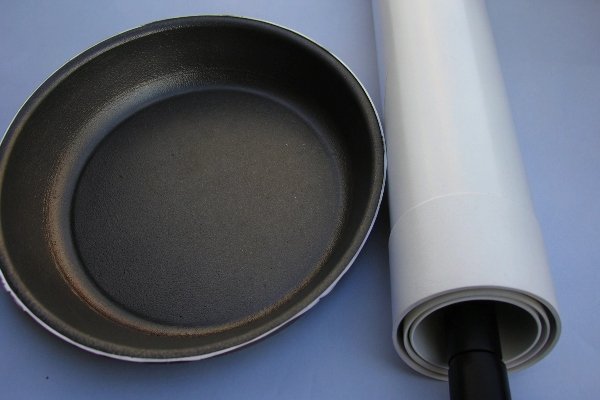
The reason these plastics don’t burn well comes from their atoms. PTFE is made of very strong carbon-fluorine bonds that are incredibly difficult to break with heat. PVC contains chlorine atoms. When PVC gets very hot, these chlorine atoms are released and disrupt the chemical chain reaction of fire. The fire simply can’t sustain itself. This sounds like an ideal solution, but there are major trade-offs. PTFE is very expensive and difficult to process. PVC, while cheap, releases highly toxic and corrosive hydrogen chloride gas when it is forced to burn. This gas is dangerous to breathe and can severely damage electronics. Because of these issues, it is often better and more cost-effective to use a common, versatile plastic like polypropylene or polyethylene and simply add a halogen-free flame retardant like aluminum hydroxide. This approach gives you a balance of performance, safety, and price.
Inherent vs. Additive Approach
| Plastic Type | Fire Performance | Downside |
|---|---|---|
| PTFE (Teflon) | Excellent, very hard to ignite. | Very expensive, difficult to mold. |
| PVC | Self-extinguishing. | Releases toxic & corrosive gas when burned. |
| Polypropylene + ATH | Can be made self-extinguishing. | Requires high loading of the additive. |
Is there a fireproof plastic?
You hear the term "fireproof" a lot, but can a plastic truly be immune to fire? Misunderstanding this can lead to a dangerous false sense of security in your products.
Yes, for practical purposes, fireproof plastics do exist. This term refers to plastics that meet the highest fire safety ratings, like the UL 94 V-0 standard. They self-extinguish almost instantly after a flame is removed and do not drip molten, burning particles.
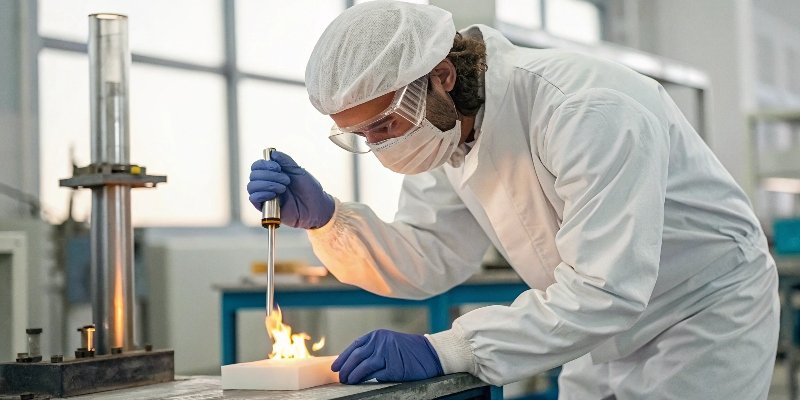
In the industry, "fireproof" isn’t an absolute term; it’s defined by performance standards. The most common standard is UL 94, which is a test for the flammability of plastic materials. It rates plastics based on how they behave after being set on fire in a controlled lab setting. A plastic rated "V-0" is considered top-tier for fire safety. It means that if you hold a flame to a vertical strip of the plastic for 10 seconds, it will stop burning on its own within 10 seconds after you remove the flame. This is the goal for many high-performance applications like computer casings, power connectors, and medical equipment. Achieving this V-0 rating is a big part of my job. A customer will tell us they need their ABS or polypropylene part to be V-0 compliant. We then work with them to recommend the exact type and amount of our aluminum hydroxide to add to their plastic formula to ensure it passes the test.
Understanding UL 94 Ratings
| UL 94 Rating | Test Requirement | Common Application |
|---|---|---|
| V-0 | Burning stops within 10 seconds (vertical), no flaming drips. | Electronics housings, connectors, medical devices. |
| V-2 | Burning stops within 30 seconds (vertical), flaming drips allowed. | Applications where dripping is not a hazard. |
| HB | Slow burning on a horizontal sample, doesn’t self-extinguish. | Simple enclosures, decorative parts. |
Conclusion
Plastics don’t have to be a fire risk. By using inherently resistant types or adding flame retardants like aluminum hydroxide, we can engineer plastics that are safe for almost any application.
-
Learn about aluminum hydroxide’s role in fire safety and its benefits in plastic manufacturing. ↩
-
Discover the characteristics that make materials fire-resistant and their applications. ↩
-
Understand the fire triangle concept and its significance in preventing fires. ↩
-
Investigate the effectiveness and environmental concerns of halogenated flame retardants. ↩
-
Investigate polypropylene’s properties and its effectiveness when combined with flame retardants. ↩

You may also be interested in:
What protective measures should be taken when handling aluminum hydroxide powder in a factory?
Are you worried about worker safety when handling fine powders? Aluminum hydroxide is generally safe, but mishandling its dust can lead to serious respiratory issues and even create explosive conditions.

What Key Technical Indicators Should Be Considered When Purchasing Aluminum Hydroxide?
Are you struggling to find the right aluminum hydroxide for your needs? You might be paying for features you don’t even require. Let’s simplify the technical details. When buying aluminum

What are the market trends for aluminum hydroxide in 2026?
Are you planning your 2026 raw material purchases? Volatile markets make it hard. I will share insights from the factory floor to help you make better decisions for your business.
Is aluminum hydroxide toxic and is it harmful to the human body?
Worried about the word "aluminum" in your products? It sounds scary and can make you question its safety. I’m here to clear up the confusion with simple facts. Aluminum hydroxide

What are the side effects of long-term use of stomach medications containing aluminum hydroxide?
Struggling with constant heartburn? Reaching for that stomach medicine might seem like the only option. But what if that relief comes with hidden long-term costs? The most common side effect

Does ingesting aluminum (such as through aluminum hydroxide) cause Alzheimer's disease?
Are you worried that everyday products containing aluminum might be harmful? This fear connects to serious health concerns like Alzheimer’s, making you question what is safe. Let’s look closely. Based

Why do some vaccines contain aluminum hydroxide (aluminum adjuvant)?
Confused about vaccine ingredients? Seeing aluminum hydroxide listed can be unsettling. I’ll explain its crucial role and why it’s there to help your body build strong immunity. Aluminum hydroxide acts

Is the aluminum adjuvant in vaccines safe for infants or adults?
You read about vaccine ingredients and worry. The word "aluminum" sounds scary, especially when talking about babies. But understanding the facts can give you peace of mind. Yes, the aluminum

What environmental problems are generated during the production of aluminum hydroxide?
Worried about environmental compliance in your supply chain? Sourcing from China can be complex. You need a reliable, eco-conscious partner for your aluminum hydroxide needs. The main environmental issue is

Where are China's main aluminum hydroxide production areas?
Are you struggling to find the right aluminum hydroxide supplier in China? This confusion can lead to higher costs and unstable quality, which hurts your business and your reputation. China’s