
Does ingesting aluminum (such as through aluminum hydroxide) cause Alzheimer's disease?
December 22, 2025 by Lee On
Are you worried that everyday products containing aluminum might be harmful? This fear connects to serious health concerns like Alzheimer’s, making you question what is safe. Let’s look closely.
Based on current scientific evidence, there is no proven causal link between ingesting aluminum and developing Alzheimer’s disease. The human body absorbs very little aluminum, and a healthy person effectively filters out what is absorbed. Most health organizations agree on this point.

I understand why this is a big concern. For years, headlines have created a lot of confusion about aluminum1‘s safety. As someone who works directly with aluminum hydroxide2 production, I have looked into this topic very deeply. I want to share what I’ve learned from the science and separate the old myths from the current facts. It is important to know what the real risks are, and what they are not. Let’s break down the most common questions one by one so you can feel confident about the materials you use.
Is there a link between ingested aluminum and the occurrence of Alzheimer’s disease?
You hear about the dangers of aluminum, which can make you question the safety of many common products. This constant worry can be confusing. Let’s examine the actual scientific connection.
The supposed link is weak and highly debated. Some older, smaller studies in the 1960s and 70s suggested a connection. However, many larger, more modern studies have failed to find a clear, direct cause. The body’s natural barriers are very effective against absorbing aluminum.

The idea that aluminum causes Alzheimer’s disease3 started decades ago. Researchers found traces of aluminum in the protein clumps, called amyloid plaques, in the brains of Alzheimer’s patients. This discovery led to an early hypothesis that aluminum exposure4 might be a cause. However, a lot has changed since then. More advanced research has not been able to prove that aluminum gets there first and causes the damage. Many scientists now believe the aluminum buildup might be a result, not a cause, of the disease. The damaged brain tissue might just be less effective at clearing out minerals like aluminum. Think of it like finding firefighters at a fire; they are there because of the fire, they did not start it. Major health bodies, like the Alzheimer’s Association, state that the link is not strong enough to be considered a significant risk factor.
| Early Observations (1960s-70s) | Modern Scientific Understanding |
|---|---|
| Aluminum found in brain plaques. | Unclear if aluminum is a cause or effect. |
| Small studies suggested a link. | Larger, more rigorous studies do not show a causal link. |
| Hypothesis: Aluminum is a cause. | Consensus: Aluminum is not considered a primary risk factor. |
Can aluminum in medications like aluminum hydroxide contribute to the development of dementia?
You might use antacids that contain aluminum hydroxide for heartburn. But you worry if taking this medication regularly could be harming your brain in the long run. Let’s understand what happens.
The risk from aluminum hydroxide is extremely low for most people. This specific compound is very poorly absorbed by the body. The vast majority of it simply passes through your digestive system without ever entering your bloodstream or reaching your brain.
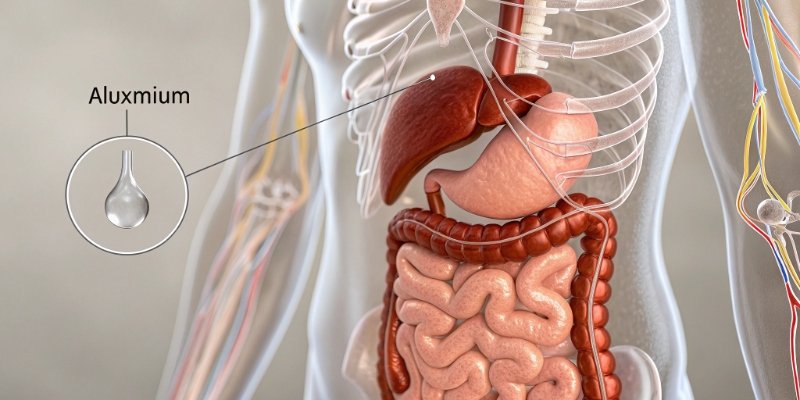
From my work in production, I have a deep understanding of this material’s chemical nature. Aluminum hydroxide is what we call an insoluble compound. This means it does not dissolve easily in water or in the acidic environment of your stomach. Because it doesn’t dissolve, your gut has a very hard time absorbing it. Imagine trying to get a rock to pass through a coffee filter; most of it just won’t go. That’s similar to how your digestive tract acts as a powerful barrier against aluminum hydroxide. For the tiny amount that might get absorbed, your body has another line of defense: the kidneys. Healthy kidneys are excellent at filtering aluminum out of the blood and removing it through urine. The only major exception is for people with severe kidney failure. Their kidneys can’t do this filtering job properly, so aluminum can build up. For people with normal kidney function5, the body’s systems handle it very effectively.
| Body’s Defense Mechanism | How It Protects Against Aluminum Hydroxide |
|---|---|
| Insolubility | The compound doesn’t dissolve well, limiting absorption from the start. |
| Gut Barrier | The intestinal wall prevents most of the compound from entering the blood. |
| Kidney Filtration | Healthy kidneys efficiently filter the small absorbed amount from the blood. |
What role does aluminum consumption play in the risk of Alzheimer’s disease?
Aluminum seems to be everywhere: in our food, water, and even the air. It can feel like you can’t avoid it, making you wonder if it all adds up. Let’s put this risk into perspective.
For most people, everyday aluminum consumption plays a very small, or negligible, role in Alzheimer’s risk. The scientific community agrees that factors like genetics, age, and overall cardiovascular health are much more significant risk factors for the disease.

When we talk about risk, it’s important to know where to focus our attention. The biggest source of aluminum for most people is not from medication or cookware, but naturally from food. Plants absorb aluminum from the soil, so it is present in many vegetables, fruits, and grains. Yet, populations all over the world have eaten these foods for centuries without widespread issues. Scientists who study Alzheimer’s have identified much bigger risk factors. The most important one is age, followed closely by genetics, specifically the APOE-e4 gene6. After that, lifestyle factors that you can control, like managing blood pressure, staying physically active, and eating a heart-healthy diet7, play a much larger role in brain health than avoiding aluminum. Focusing too much on aluminum can distract from the proven steps we can take to protect our cognitive health.
| Alzheimer’s Risk Factors | Level of Impact |
|---|---|
| Major & Unchangeable | Age, Genetics (APOE-e4), Family History |
| Significant & Modifiable | High Blood Pressure, Heart Disease, Diabetes, Lack of Exercise |
| Weakly Linked / Debated | Aluminum Exposure |
Does exposure to aluminum from dietary sources lead to cognitive decline or dementia?
You cook with aluminum foil and pans. You might drink beverages from aluminum cans. It is natural to wonder if you are slowly harming yourself with every meal you prepare or consume.
No, mainstream scientific and health organizations do not find a convincing link. They do not believe that aluminum from dietary sources like food, water, or cookware leads to an increased risk of cognitive decline or dementia in the general population.

Let’s look at the numbers. The average person consumes about 5 to 10 milligrams of aluminum per day, mostly from natural food sources. The amount that might get into your food from aluminum cookware or foil is tiny in comparison. While cooking acidic foods like tomatoes in an aluminum pot can cause a small amount to transfer, it is usually less than a fraction of a milligram. The World Health Organization has studied this and considers these levels safe. Furthermore, large-scale studies have looked at populations with higher-than-average aluminum levels in their drinking water. These studies have not found consistent or clear evidence that this leads to higher rates of Alzheimer’s disease. The human body has evolved over millions of years while being exposed to aluminum, which is the third most common element in the Earth’s crust. Our bodies are simply very good at keeping it out.
| Source | Typical Daily Aluminum Contribution |
|---|---|
| Natural Foods (Grains, Vegetables) | 5 – 10 mg |
| Food Additives (e.g., in baking powder) | < 2 mg |
| Drinking Water | < 0.2 mg |
| Aluminum Cookware (variable) | Generally < 0.1 mg |
Conclusion
Current science does not support a direct link between normal aluminum intake and Alzheimer’s. Your body’s natural defense systems are highly effective at preventing absorption and removing it.
-
Understanding the health effects of aluminum can help you make informed choices about its use in everyday products. ↩
-
Learn about aluminum hydroxide’s role in medications and its safety profile for better health decisions. ↩
-
Exploring the risk factors for Alzheimer’s can provide insights into prevention and management strategies. ↩
-
Understanding the effects of aluminum exposure can help you mitigate potential health risks. ↩
-
Learn how kidney health impacts aluminum processing in the body for better health management. ↩
-
Explore the role of the APOE-e4 gene in Alzheimer’s to understand genetic risk factors. ↩
-
Learn about heart-healthy diets to improve overall health and potentially reduce Alzheimer’s risk. ↩

You may also be interested in:

What protective measures should be taken when handling aluminum hydroxide powder in a factory?
Are you worried about worker safety when handling fine powders? Aluminum hydroxide is generally safe, but mishandling its dust can lead to serious respiratory issues and even create explosive conditions.

What Key Technical Indicators Should Be Considered When Purchasing Aluminum Hydroxide?
Are you struggling to find the right aluminum hydroxide for your needs? You might be paying for features you don’t even require. Let’s simplify the technical details. When buying aluminum

What are the market trends for aluminum hydroxide in 2026?
Are you planning your 2026 raw material purchases? Volatile markets make it hard. I will share insights from the factory floor to help you make better decisions for your business.

Is aluminum hydroxide toxic and is it harmful to the human body?
Worried about the word "aluminum" in your products? It sounds scary and can make you question its safety. I’m here to clear up the confusion with simple facts. Aluminum hydroxide

What are the side effects of long-term use of stomach medications containing aluminum hydroxide?
Struggling with constant heartburn? Reaching for that stomach medicine might seem like the only option. But what if that relief comes with hidden long-term costs? The most common side effect

Why do some vaccines contain aluminum hydroxide (aluminum adjuvant)?
Confused about vaccine ingredients? Seeing aluminum hydroxide listed can be unsettling. I’ll explain its crucial role and why it’s there to help your body build strong immunity. Aluminum hydroxide acts

Is the aluminum adjuvant in vaccines safe for infants or adults?
You read about vaccine ingredients and worry. The word "aluminum" sounds scary, especially when talking about babies. But understanding the facts can give you peace of mind. Yes, the aluminum

What environmental problems are generated during the production of aluminum hydroxide?
Worried about environmental compliance in your supply chain? Sourcing from China can be complex. You need a reliable, eco-conscious partner for your aluminum hydroxide needs. The main environmental issue is

Where are China's main aluminum hydroxide production areas?
Are you struggling to find the right aluminum hydroxide supplier in China? This confusion can lead to higher costs and unstable quality, which hurts your business and your reputation. China’s
What is the difference between aluminum hydroxide and aluminum oxide, and how can they be converted into each other?
Are you confused by aluminum hydroxide and aluminum oxide? They look similar but have very different uses. Understanding them helps you buy the right material and save money. The main