Are you concerned about using aluminum in high-heat situations? Misunderstanding its properties can lead to poor material choices. I will explain exactly how aluminum behaves with fire.
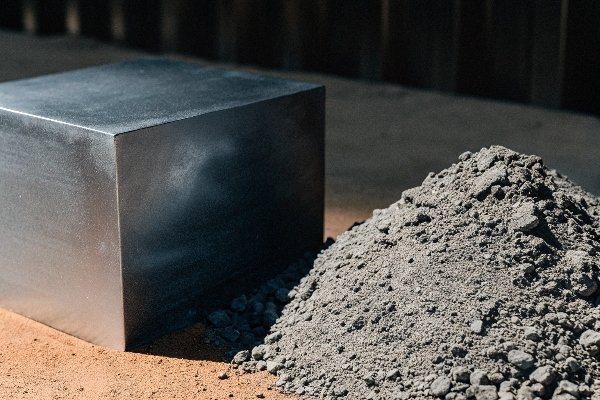
Yes, aluminum can burn, but only in specific forms like fine powder or dust. A solid aluminum block or sheet is considered non-combustible because a protective oxide layer prevents it from igniting under normal fire conditions.
This might sound like a contradiction. How can a material be both non-combustible and still burn? The key difference is the material’s form and the surrounding temperature. As someone who manages the production of aluminum compounds1, I’ve had to explain this to many partners. They need to know the real-world performance of the materials they buy. Understanding this detail is vital for safety, especially in industries like pharmaceuticals or construction where material failure is not an option. Let’s dig deeper into these properties.
How flammable is aluminum?
Choosing a material without knowing its true flammability is a major risk. This can affect safety and the quality of your final product. Let’s look at the facts about aluminum.
Solid aluminum is not considered flammable. However, aluminum in powder or dust form can be very flammable and even explosive. The fire risk depends almost entirely on the particle size and surface area.
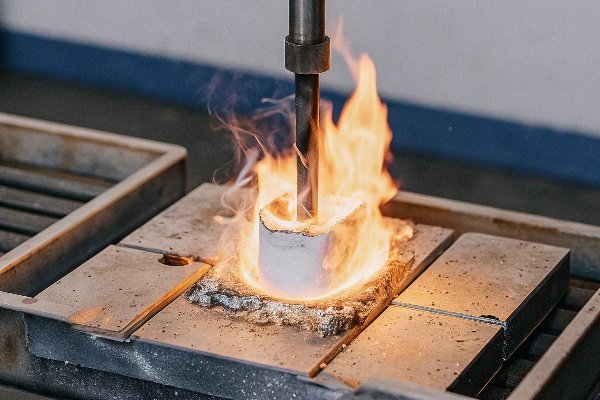
The science behind this is about surface area. A solid block of aluminum has a small surface area compared to its total volume. This surface is instantly covered by a very thin but strong layer of aluminum oxide. This oxide layer has an extremely high melting point2 of over 2000°C, and it protects the pure aluminum metal underneath, which melts at a much lower 660°C. This layer acts as a fireproof3 shield.
However, when you have aluminum powder, the situation changes completely. Each tiny particle has its own surface area. Added all together, the total surface area is massive. This means much more of the metal is exposed to oxygen. When heated, the oxidation reaction can happen so fast across all these particles that it creates a chain reaction, releasing huge amounts of heat and light. This is what we call burning. In our factory, we work with aluminum hydroxide powders and are extremely careful about controlling particle size, as it directly impacts the material’s behavior.
Aluminum Form vs. Flammability
| Form | Surface Area | Oxide Layer Effect | Flammability Risk |
|---|---|---|---|
| Solid Block/Sheet | Low | Provides excellent protection, preventing ignition. | Very Low |
| Thin Foil | Medium | Can melt in a hot fire, but does not easily ignite. | Low |
| Fine Powder/Dust | Very High | The protective effect is lost; rapid oxidation occurs. | High / Explosive |
Does aluminum get as hot as steel?
Heat management is critical for many products. Using the wrong metal can cause components to overheat and fail. Let’s compare how aluminum and steel handle heat.
Aluminum heats up much faster than steel but also cools down much faster. This is because it is a better conductor of heat. Steel can get much hotter before it melts and holds heat longer.

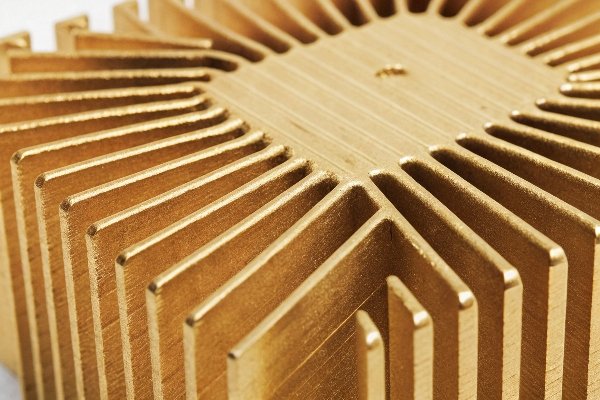
Two key properties explain this difference: thermal conductivity4 and specific heat capacity5. Think of thermal conductivity as a highway for heat. Aluminum has a very wide, fast highway, so heat travels through it quickly. Steel’s highway is smaller and slower. This is why aluminum is used for heat sinks in electronics; it pulls heat away from components fast.
Specific heat capacity is about how much energy you need to raise the temperature. Aluminum needs less energy than steel to get hot. This means that with the same flame, an aluminum pot will get hot much faster than a cast-iron skillet. However, this also means the aluminum pot will cool off quickly once the flame is gone. The steel skillet takes longer to heat up but stays hot for a long time. It’s also important to remember their melting points. Aluminum melts around 660°C, while common steel melts around 1370°C, so steel can physically exist at much higher temperatures.
Thermal Property Comparison: Aluminum vs. Steel
| Property | Aluminum | Steel | What It Means |
|---|---|---|---|
| Melting Point | ~660 °C | ~1370 °C | Steel can withstand much higher temperatures before failing. |
| Thermal Conductivity | High (~205 W/mK) | Low (~50 W/mK) | Aluminum spreads heat quickly; it’s good for cooling. |
| Specific Heat Capacity | Low (~0.9 J/g°C) | High (~0.49 J/g°C) | Aluminum heats up and cools down faster than steel. |
Which metal does not burn in fire?
Are you looking for a metal that is truly fireproof? Many common metals will melt or lose all their strength in a house fire, causing structures to fail. Let’s see which metals resist fire best.
No metal is totally immune to a very intense fire. But some metals, called refractory metals, have extremely high melting points. Tungsten, for example, is highly resistant to melting, even in very hot fires.
For most metals, "burning" in a fire really means either melting or losing structural integrity. So, the best indicator of fire resistance is a high melting point. Standard metals like aluminum (~660°C) and even steel (~1370°C) can fail in a prolonged, hot fire. Refractory metals are in a different class. Tungsten, for example, has a melting point of 3422°C. This is why it was used for the filaments in old incandescent light bulbs, which glow white-hot without melting. Other metals like titanium and molybdenum also have very high melting points, making them suitable for aerospace and high-temperature industrial applications.
It’s interesting for me because my product, aluminum hydroxide, is actually used as a flame retardant. When we add it to plastics or cables, it works by releasing water vapor when it gets hot. This cools the material down and starves the fire of oxygen. So, an aluminum compound can be used to stop fires.
Fire Resistance of Common & Refractory Metals
| Metal | Melting Point (°C) | Key Application Example |
|---|---|---|
| Tungsten | ~3422 °C | High-temperature furnace parts, filaments |
| Titanium | ~1668 °C | Aerospace engines, chemical processing |
| Steel (Carbon) | ~1370 °C | Buildings, structures, tools |
| Aluminum | ~660 °C | Cookware, vehicles, window frames |
What happens when aluminum is burned?
You know that aluminum powder can burn, but what is actually going on? Understanding the chemical reaction is key for safety and for controlling industrial processes. Let’s look at the details.
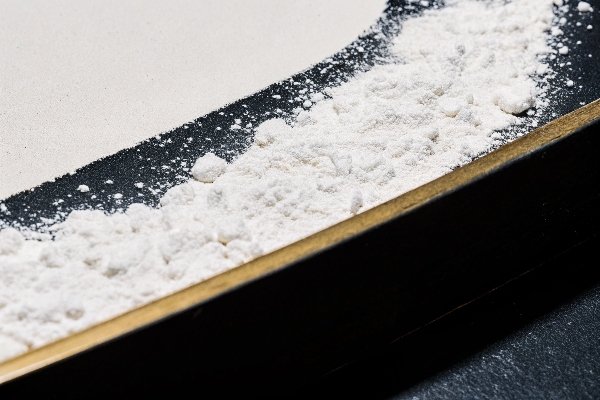
When aluminum burns, it reacts very quickly with oxygen. This oxidation reaction creates aluminum oxide, a lot of heat, and a brilliant white light. The final product is a hard, white ceramic residue.
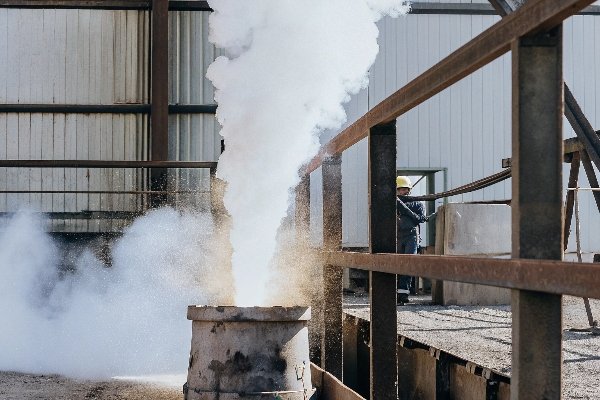
The process is a powerful chemical reaction. Aluminum atoms combine with oxygen atoms from the air to form aluminum oxide (Al₂O₃). This transformation releases a huge amount of stored energy, which we see as intense heat and light. It’s so powerful that this same basic reaction is used to help fuel solid rockets and in thermite welding to cut through thick steel.
The white powder left over is aluminum oxide, also known as alumina. In my business, this material is our bread and butter. We take bauxite ore, refine it into aluminum hydroxide, and then process that into alumina, which is then used to make aluminum metal. So, when aluminum burns, it is essentially converting back into the stable, refined raw material from which it was made. It just shows how much energy it takes to create aluminum metal, and how that energy is released when it burns. This beautiful cycle is at the core of my industry.
The Aluminum Burning Reaction
| Component | Before Burning | After Burning |
|---|---|---|
| Material | Aluminum (Al) | Aluminum Oxide (Al₂O₃) |
| State | Silver-colored metal | White, hard ceramic powder |
| Energy Level | High (Energy is stored) | Low (Energy is released as heat & light) |
Conclusion
Aluminum’s fire risk is all about its form. Solid aluminum is quite safe in a fire, while its powder is highly flammable. Understanding this is key to using it safely.
-
Explore the various aluminum compounds and their applications in different industries. ↩
-
Compare the melting points of aluminum and steel to understand their performance under heat. ↩
-
Investigate materials that are truly fireproof and their applications in construction and safety. ↩
-
Learn about thermal conductivity and its significance in material selection for heat management. ↩
-
Explore the concept of specific heat capacity and its impact on material heating and cooling. ↩

You may also be interested in:

What protective measures should be taken when handling aluminum hydroxide powder in a factory?
Are you worried about worker safety when handling fine powders? Aluminum hydroxide is generally safe, but mishandling its dust can lead to serious respiratory issues and even create explosive conditions.

What Key Technical Indicators Should Be Considered When Purchasing Aluminum Hydroxide?
Are you struggling to find the right aluminum hydroxide for your needs? You might be paying for features you don’t even require. Let’s simplify the technical details. When buying aluminum

What are the market trends for aluminum hydroxide in 2026?
Are you planning your 2026 raw material purchases? Volatile markets make it hard. I will share insights from the factory floor to help you make better decisions for your business.

Is aluminum hydroxide toxic and is it harmful to the human body?
Worried about the word "aluminum" in your products? It sounds scary and can make you question its safety. I’m here to clear up the confusion with simple facts. Aluminum hydroxide

What are the side effects of long-term use of stomach medications containing aluminum hydroxide?
Struggling with constant heartburn? Reaching for that stomach medicine might seem like the only option. But what if that relief comes with hidden long-term costs? The most common side effect

Does ingesting aluminum (such as through aluminum hydroxide) cause Alzheimer's disease?
Are you worried that everyday products containing aluminum might be harmful? This fear connects to serious health concerns like Alzheimer’s, making you question what is safe. Let’s look closely. Based

Why do some vaccines contain aluminum hydroxide (aluminum adjuvant)?
Confused about vaccine ingredients? Seeing aluminum hydroxide listed can be unsettling. I’ll explain its crucial role and why it’s there to help your body build strong immunity. Aluminum hydroxide acts

Is the aluminum adjuvant in vaccines safe for infants or adults?
You read about vaccine ingredients and worry. The word "aluminum" sounds scary, especially when talking about babies. But understanding the facts can give you peace of mind. Yes, the aluminum

What environmental problems are generated during the production of aluminum hydroxide?
Worried about environmental compliance in your supply chain? Sourcing from China can be complex. You need a reliable, eco-conscious partner for your aluminum hydroxide needs. The main environmental issue is

Where are China's main aluminum hydroxide production areas?
Are you struggling to find the right aluminum hydroxide supplier in China? This confusion can lead to higher costs and unstable quality, which hurts your business and your reputation. China’s