未分类
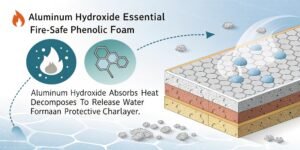
What Makes Aluminum Hydroxide Essential for Fire-Safe Phenolic Foam?
You’re producing high-quality phenolic foam for insulation, but meeting strict fire safety standards is a constant challenge. Adding the wrong filler can…
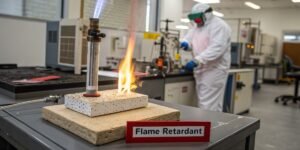
Which Element Is Used as a Flame Retardant and Why?
Are you confused by the complex chemistry of flame retardants? Choosing the wrong one can lead to safety failures and regulatory headaches,…

How Do You Create a Fabric That’s Both Flame Retardant and Low Friction?
Need a fabric that’s both fire-safe and slick? Achieving both is tough. Adding traditional flame retardants can make fabrics stiff and coarse,…

Navigating the Global Flame Retardant Chemical Market?
Are you struggling to find reliable and cost-effective flame retardant chemicals? The complex global market, with its fluctuating prices and varied regulations,…

Are Fire Retardants Environmentally Safe?
Are you concerned about the environmental impact of the chemicals in your products? Stricter regulations and growing consumer awareness can make sourcing…

Are Flame Retardants in Furniture Really That Bad for Health?
You see headlines about toxic chemicals in couches and worry about health risks. It’s a valid concern. The problem is that not…
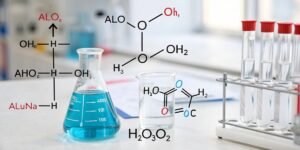
Why is Al(OH)₃ amphoteric?
Do you find chemical terms like "amphoteric" on specification sheets confusing? This single word can make it hard to judge a material’s…

Why is secondary aluminum quality bad?
Are you considering secondary aluminum to cut costs but feel nervous about its inconsistent quality? This is a common dilemma for buyers….
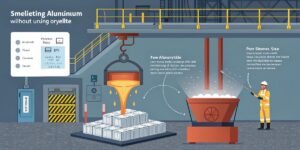
Can aluminum be smelted without needing cryolite?
Are you trying to understand the high costs and complex steps in aluminum production? Many people wonder why we can’t just simplify…

What are the uses of the alloys of aluminium?
Ever wonder why one metal is used for everything from airplanes to soda cans? Aluminum seems to be everywhere, but the reasons…