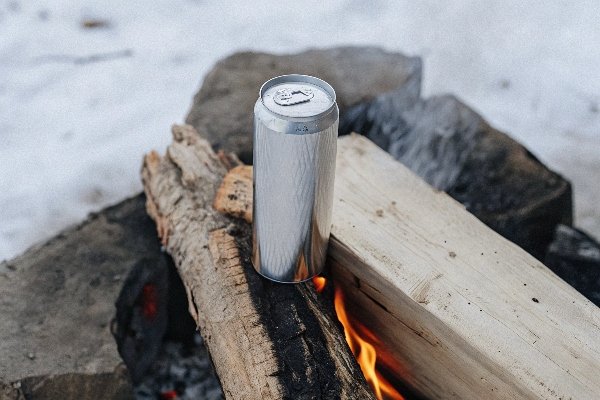
Trying to melt aluminum for a project but only have basic tools? Wondering if a simple wood fire is hot enough can be a real roadblock for DIY enthusiasts.
Yes, you can melt aluminum over a wood fire. A well-built wood fire can reach temperatures above 660°C (1220°F), which is the melting point of aluminum. The key is to build the fire to effectively contain and concentrate the heat.
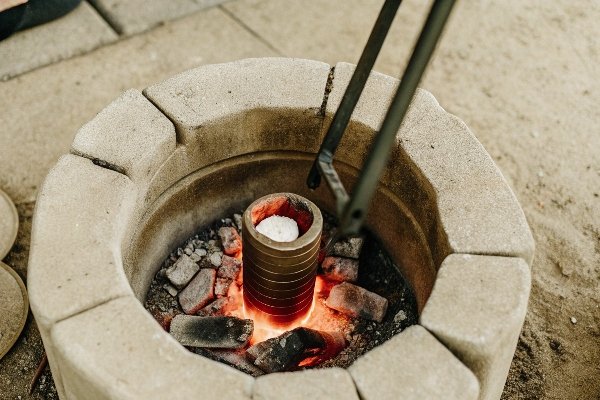
In my work managing a factory for [aluminum compounds](https://www.science.org/content/blog-post/aluminum-friend-or-foe)[^1], we use very precise, high-temperature [industrial kilns](https://www.science.org/doi/10.1126/sciadv.adh0549)[^2]. Temperature control is everything for an efficient process. But I know that understanding the basic properties of a metal is just as important. Knowing a material’s melting point can help you imagine its limits and possibilities, whether you are in a lab, a factory, or even your own backyard. Let’s explore what it really takes to turn solid aluminum into a liquid with a simple fire.
What happens to an aluminum can in a campfire?
Curious about what’s left after tossing a can in a fire? It seems to vanish, but knowing the process reveals a lot about how materials behave under heat.
An aluminum can in a campfire will not burn, but it will melt into a small, lumpy puddle. The fire is hot enough to melt the thin metal, which then pools and oxidizes on the surface.
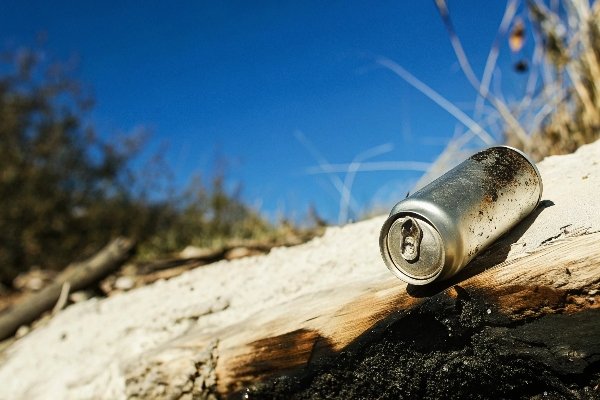
Let’s break down the process. First, the colorful paint and any plastic lining on the can will burn off at a low temperature, creating a bit of smoke. As the can gets hotter, it happens very quickly because the aluminum is thin and conducts heat well. Once it hits 660°C (1220°F), it loses its shape and melts into a blob of liquid metal. The outer surface of this molten puddle instantly reacts with oxygen in the air. This creates a crust of [aluminum oxide](https://www.science.org/doi/10.1126/sciadv.abb9471)[^3], which has a much higher melting point. We call this crust “dross.” In my factory, managing dross is a big deal. When we melt down large amounts of aluminum, we have to skim this dross off to get to the pure liquid metal underneath. What you see in a campfire is a miniature version of this industrial process.
The Fate of a Can in a Fire
| Step | Approximate Temperature | Observation |
|---|---|---|
| 1. Coatings Burn Off | 200 – 400 °C | Smoke appears as paint and plastic vaporize. |
| 2. Aluminum Reaches Melting Point | 660 °C | The solid can collapses into a liquid puddle. |
| 3. Oxidation Occurs | 660 °C+ | A gray, crusty layer (dross) forms on top. |
| 4. Cooling | Ambient | The result is a hard, lumpy mix of metal/oxide. |
Why add salt when melting aluminum?
Are your DIY aluminum castings coming out full of junk and impurities? This gray scum, called dross, can ruin your results. A common kitchen staple can help you fix this.
Salt (sodium chloride) acts as a flux when melting aluminum. It helps separate the pure molten metal from the oxide layer, or dross, making it easier to skim off the impurities for a cleaner final product.
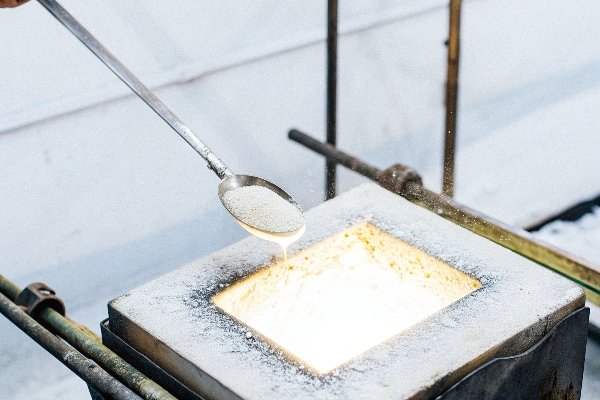
This might seem strange, but the science is straightforward. The aluminum oxide (dross) that forms on molten aluminum is very stubborn. It has a high melting point (over 2000°C) and likes to stay mixed in with the pure liquid metal. Adding salt, which melts around 801°C, creates a liquid layer that floats on top of the aluminum. This liquid salt layer does two things. First, it helps break the bonds holding the dross in the metal, allowing the lighter oxide particles to float up and get trapped in the salt layer. Second, it protects the molten aluminum surface from further oxidation. In our industrial operations, we use more advanced chemical fluxes, but the basic principle is identical to using table salt. It’s all about cleaning the metal before you use it.
The Role of Salt as a Flux
| Problem with Molten Aluminum | How Salt (Flux) Helps | Result |
|---|---|---|
| Oxide (Dross) is mixed in. | Lowers surface tension, helps dross separate. | Dross floats to the top. |
| Surface is exposed to air, making more dross. | Forms a protective liquid layer on the surface. | Less oxidation occurs during the melt. |
| Molten metal is thick and “sticky”. | “Wets” the impurities and gathers them together. | Impurities are easier to skim off in one go. |
What happens if you set aluminum on fire?
Is aluminum a fire hazard? You might hear that it can burn, but a solid piece seems completely safe. Let’s resolve this common point of confusion.
Solid aluminum will not catch fire. It will only get hot and eventually melt. However, if the aluminum is in the form of a fine powder or dust, it can burn violently with an intensely bright light.
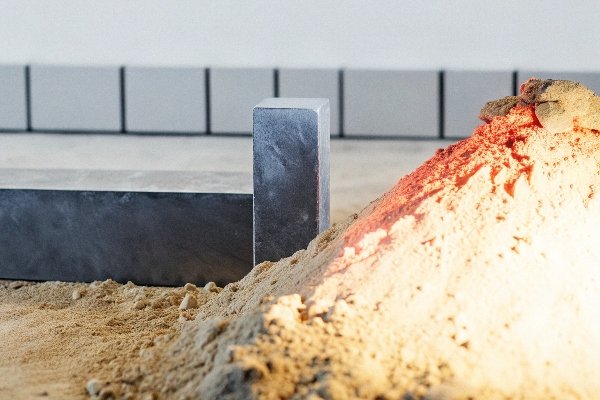
The difference is all about surface area. A solid block of aluminum has a natural, tough, transparent layer of aluminum oxide on its surface. This layer acts like a fireproof coating and protects the metal underneath. It melts at a very high temperature (over 2000°C), so a normal fire can’t get through it. Setting a solid piece of aluminum on fire is like trying to burn a rock. But when you have a fine powder, the total surface area exposed to oxygen is huge. Each tiny particle can react. When you heat this powder, the oxidation reaction can happen across all the particles at once, releasing a massive amount of energy as heat and light. This is what we call burning. As someone who works with aluminum-based powders, I can tell you that dust control is our number one [safety priority](https://www.science.org/content/article/after-safety-breaches-new-los-alamos-director-pushes-accountability-nuclear-weapons-lab)[^4] for this very reason.
Aluminum’s Reaction to Fire
| Form of Aluminum | Reaction to Flame | Final Product |
|---|---|---|
| Solid Bar or Sheet | Heats up, may glow red, melts above 660°C. | A puddle of molten or re-solidified aluminum. |
| Fine Powder | Ignites and burns very rapidly and intensely. | A white, hard powder (aluminum oxide). |
Can a forest fire melt aluminum?
After a wildfire, strange melted metal lumps are often found. Was the fire really hot enough to melt something as solid as a car part or a road sign?
Yes, a forest fire can easily melt aluminum. Forest fires regularly reach temperatures between 800°C and 1200°C, far exceeding the 660°C melting point of aluminum. You will often find melted aluminum parts after a fire.
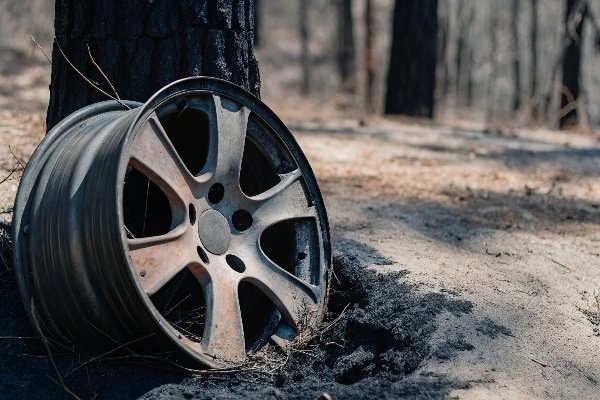
It’s a common sight for firefighters and cleanup crews. A fire’s intensity, especially when driven by wind, generates extreme heat that can liquify many common materials. While your campfire needs some effort to melt a small bit of aluminum, a forest fire is a totally different scale. Things like aluminum siding on a house, window frames, car engine parts, and wheels will all melt into puddles. What makes it interesting is comparing it to steel. Most steel parts have a melting point around 1370°C, so while they might get red hot, bend, and lose their strength in a forest fire, they often don’t melt completely. Finding these pools of re-solidified aluminum is a clear sign of the intense heat a fire has produced. It’s a powerful reminder of nature’s force.
Wildfire Heat vs. Metal Melting Points
| Material | Melting Point | Will It Melt in a Forest Fire (~1000°C)? |
|---|---|---|
| Aluminum | ~660 °C | Yes, easily. |
| Glass (Soda-Lime) | ~700 °C | Yes, it will melt and flow. |
| Steel (Carbon) | ~1370 °C | No, but it will lose strength and warp. |
| Iron | ~1538 °C | No. |
Conclusion
A wood fire is certainly hot enough to melt aluminum. Success depends on focusing the heat and managing the impurities that appear, proving basic principles apply everywhere from a campfire to a factory.

You may also be interested in:

What protective measures should be taken when handling aluminum hydroxide powder in a factory?
Are you worried about worker safety when handling fine powders? Aluminum hydroxide is generally safe, but mishandling its dust can lead to serious respiratory issues and even create explosive conditions.

What Key Technical Indicators Should Be Considered When Purchasing Aluminum Hydroxide?
Are you struggling to find the right aluminum hydroxide for your needs? You might be paying for features you don’t even require. Let’s simplify the technical details. When buying aluminum

What are the market trends for aluminum hydroxide in 2026?
Are you planning your 2026 raw material purchases? Volatile markets make it hard. I will share insights from the factory floor to help you make better decisions for your business.
Is aluminum hydroxide toxic and is it harmful to the human body?
Worried about the word "aluminum" in your products? It sounds scary and can make you question its safety. I’m here to clear up the confusion with simple facts. Aluminum hydroxide

What are the side effects of long-term use of stomach medications containing aluminum hydroxide?
Struggling with constant heartburn? Reaching for that stomach medicine might seem like the only option. But what if that relief comes with hidden long-term costs? The most common side effect

Does ingesting aluminum (such as through aluminum hydroxide) cause Alzheimer's disease?
Are you worried that everyday products containing aluminum might be harmful? This fear connects to serious health concerns like Alzheimer’s, making you question what is safe. Let’s look closely. Based

Why do some vaccines contain aluminum hydroxide (aluminum adjuvant)?
Confused about vaccine ingredients? Seeing aluminum hydroxide listed can be unsettling. I’ll explain its crucial role and why it’s there to help your body build strong immunity. Aluminum hydroxide acts

Is the aluminum adjuvant in vaccines safe for infants or adults?
You read about vaccine ingredients and worry. The word "aluminum" sounds scary, especially when talking about babies. But understanding the facts can give you peace of mind. Yes, the aluminum

What environmental problems are generated during the production of aluminum hydroxide?
Worried about environmental compliance in your supply chain? Sourcing from China can be complex. You need a reliable, eco-conscious partner for your aluminum hydroxide needs. The main environmental issue is

Where are China's main aluminum hydroxide production areas?
Are you struggling to find the right aluminum hydroxide supplier in China? This confusion can lead to higher costs and unstable quality, which hurts your business and your reputation. China’s