
Are aluminum trihydrate (ATH) and aluminum hydroxide the same thing?
November 25, 2025 by Lee On
Are you confused by different chemical names from suppliers? This can make you worry about ordering the wrong material. It feels risky when your business depends on getting it right.
Yes, aluminum trihydrate (ATH) and aluminum hydroxide are the same chemical compound. Both names refer to the inorganic substance with the chemical formula Al(OH)₃. They can be used interchangeably, so you can order with confidence knowing you are getting the correct product.
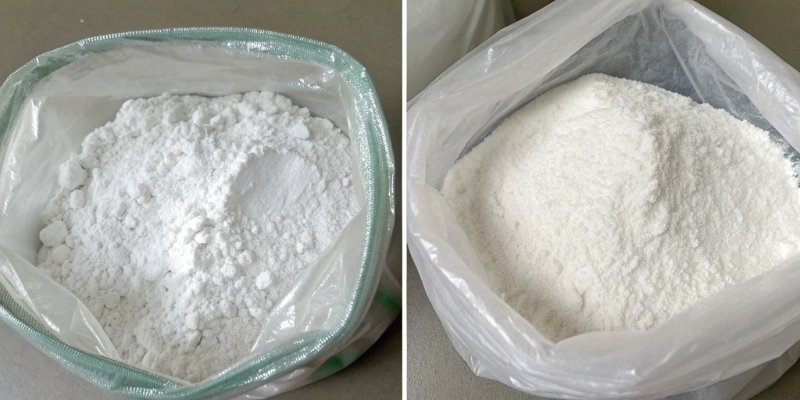
The simple answer is yes, they are the same. But understanding why there are two common names is very important for a professional buyer like you. It helps you understand the material on a deeper level and prevents any confusion when you read different technical data sheets1 or talk to suppliers from different industries. This knowledge builds confidence and makes you a more effective sourcing expert. Let’s look into the details so you feel completely sure about what you are buying.
Is aluminum trihydrate the same as aluminum hydroxide?
Still feeling a little unsure about the two names? It’s a very common question, so you are not alone. Using the wrong term in a contract could cause a big misunderstanding.
Absolutely, they are identical. Aluminum hydroxide is the official chemical name. Aluminum trihydrate, or ATH, is a name used widely in industry that describes its structure: one aluminum atom linked with three water-related groups.
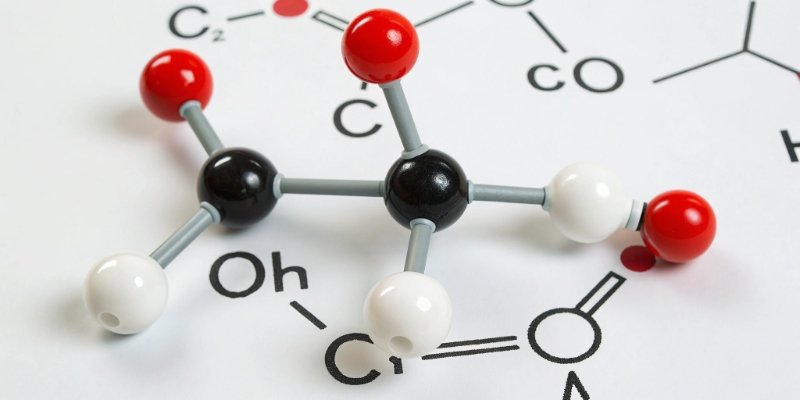
To really understand this, we need to look at the chemistry in a simple way. When I first started working at our factory, I was also confused by the different names on our product bags. My manager explained it to me, and it made everything clear. The key is in the chemical formula2 and how you look at it.
Understanding the Chemical Formula: Al(OH)₃
The official formula is Al(OH)₃. This tells us exactly what the molecule contains.
- Al is the symbol for one aluminum atom.
- (OH)₃ means there are three hydroxide groups. A hydroxide group is just one oxygen atom and one hydrogen atom bonded together.
So, the name "aluminum hydroxide3" describes the molecule perfectly. But, the compound can also be seen as a hydrated form of alumina. The formula for alumina is Al₂O₃. To become aluminum hydroxide, it combines with water (H₂O). The combined formula looks like this: Al₂O₃·3H₂O. This means one alumina molecule is hydrated with three (tri) water molecules. This is where the name "alumina trihydrate" or "aluminum trihydrate4" (ATH) comes from.
| Component | Symbol/Formula | Name Contribution |
|---|---|---|
| Aluminum | Al | "Aluminum" |
| Hydroxide | OH | "Hydroxide" |
| Hydrated Alumina | Al₂O₃·3H₂O | "Trihydrate" (three waters) |
Both formulas, Al(OH)₃ and the simplified Al₂O₃·3H₂O, describe the same white powder. So, whether you order aluminum hydroxide or aluminum trihydrate, you are ordering the same thing.
What is another name for Aluminium trihydrate?
You know ATH and aluminum hydroxide are the same. But are there other names you should watch out for? Seeing a new name on a spec sheet can be stressful.
Besides aluminum hydroxide, aluminum trihydrate (ATH) is also called hydrated alumina, hydrated aluminum oxide, or alumina trihydrate. These names are all used in the industry to refer to the exact same chemical compound, Al(OH)₃.

As a direct source factory, we deal with customers from many different industries around the world. I’ve learned that each industry has its own preferred term. Knowing these synonyms will make you a more flexible and knowledgeable buyer. I remember a customer from Europe who was looking for "Gibbsite5" for a plastics application. I was able to explain to him that Gibbsite is simply the mineral name for the specific crystal structure of the ATH we produce in our plant. This knowledge built trust immediately.
A Buyer’s Guide to Synonyms
Here is a simple table to help you remember the different names and where you might see them. This will ensure you are never surprised by a new name on a document.
| Name | Common Industry | Notes |
|---|---|---|
| Aluminum Hydroxide | Pharmaceuticals, Water Treatment | This is the most common and official chemical name. You’ll see it in pharmacopeias. |
| Aluminum Trihydrate (ATH) | Plastics, Rubber, Flame Retardants | This is a very common industrial name. The "hydrate" part is key for its use here. |
| Hydrated Alumina | Ceramics, Chemical Production | This name highlights its nature as aluminum oxide combined with water. |
| Alumina Trihydrate | General Industrial Use | Just a small variation of aluminum trihydrate. |
| Gibbsite | Geology, Mineralogy, Mining | This is the mineral name. Most industrial ATH is in the Gibbsite crystal form. |
For your work in pharmaceuticals, "aluminum hydroxide" is the most important name. But if you are sourcing for other applications or see it on a raw material report, now you know these other names all mean the same thing.
What is another name for aluminium hydroxide?
You have seen the list of names. But why do so many names exist for one simple chemical? The reason is that different industries use it for very different purposes.
The most common other name for aluminum hydroxide is aluminum trihydrate (ATH). Other names like hydrated alumina and Gibbsite also exist. The name used often depends on the industry, such as pharmaceuticals (aluminum hydroxide) or flame retardants (ATH).

Understanding the context behind the name is a powerful tool. It helps you speak the same language as your suppliers and your customers. When you understand why a term is used, you can be certain that you are discussing the right product specifications for a specific application. It’s a small detail that shows great expertise.
Why Naming Varies by Industry
Let’s break down why different fields have their favorite name for Al(OH)₃.
-
Pharmaceuticals: In your field, Mr. Park, "aluminum hydroxide" is the standard. It is the official name listed in pharmacopeias like the USP and EP for use as an antacid6. The name focuses on its chemical property as a hydroxide, which acts as a base to neutralize stomach acid.
-
Plastics & Composites: This industry loves the name "Aluminum Trihydrate (ATH)". Why? Because its main job here is as a flame retardant. When heated in a fire, ATH releases its three water molecules. This process cools the plastic and dilutes flammable gases. The "trihydrate" part of the name directly relates to its function.
-
Geology & Mining: Professionals in this area use "Gibbsite". This is because they are referring to the natural mineral form of Al(OH)₃ that is mined from the earth as part of bauxite ore. Our factory’s entire process starts with bauxite, which contains Gibbsite.
-
Chemical Engineering: Engineers might prefer "hydrated alumina". They often see Al(OH)₃ as a precursor to making other aluminum chemicals, including alumina (Al₂O₃) itself. The name reflects its state as a hydrated raw material.
No matter the name, the product’s core specifications—like purity, particle size, and whiteness—are what truly determine its quality and suitability for your needs.
What is an alternative to aluminum hydroxide?
Now you are an expert on ATH and its names. But what if you need an alternative material for your product? Supply chains can be unpredictable, so it’s smart to know your options.
Common alternatives, especially for flame retardants, include magnesium hydroxide (MDH), huntite/hydromagnesite, and various phosphorus-based compounds. For antacids, alternatives include magnesium hydroxide and calcium carbonate. The best choice depends on the specific application.
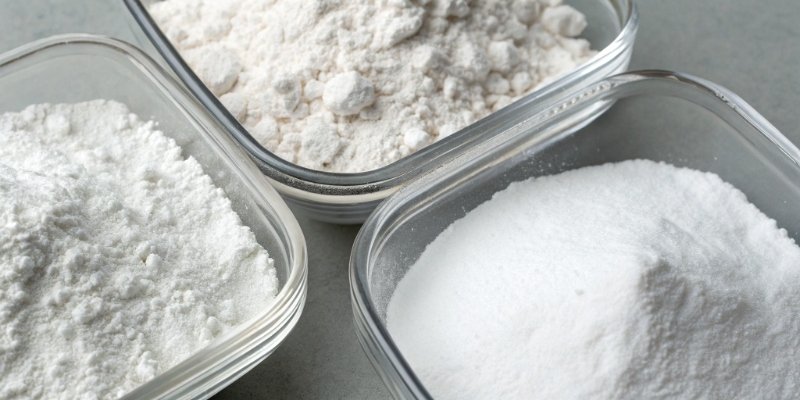
While we are proud of our high-quality aluminum hydroxide, I believe in giving my customers complete information. Helping you understand the broader market makes you a stronger partner. For your pharmaceutical customers, you likely already know that aluminum hydroxide is often combined with magnesium hydroxide. This is a great example of using an "alternative" not as a replacement, but as a complementary ingredient to achieve a better final product.
Comparing Common Alternatives
Let’s look at the most common alternative in the flame retardant industry: Magnesium Hydroxide (MDH). Understanding their differences is key.
| Feature | Aluminum Hydroxide (ATH) | Magnesium Hydroxide (MDH) |
|---|---|---|
| Decomposition Temperature | Starts around 220°C | Starts around 330°C |
| Application | Plastics with lower processing temps (e.g., PVC, EVA) | Plastics with higher processing temps (e.g., PP, PA) |
| Cost | Generally lower | Generally higher |
| Flame Retardancy | Good | Very Good |
The biggest factor is temperature. If a plastic is processed at a high temperature (above 220°C), ATH will start to decompose too early. This can cause problems during manufacturing. In that case, the more stable and more expensive MDH is the better choice. For your pharmaceutical clients, the choice between aluminum hydroxide, magnesium hydroxide, and calcium carbonate is based on balancing antacid6 effectiveness with potential side effects, like constipation or diarrhea. Formulations often use a blend to get the best result for the patient.
Conclusion
Aluminum trihydrate and aluminum hydroxide are two names for the same product, Al(OH)₃. Knowing the different names helps you buy with confidence, ensuring you always get the right material.
-
Learn about the role of technical data sheets in sourcing and product specifications. ↩
-
Discover the meaning behind the chemical formula Al(OH)₃ and its implications in chemistry. ↩
-
Learn about aluminum hydroxide’s properties and its significance in pharmaceuticals and other fields. ↩
-
Explore this link to understand the applications and benefits of aluminum trihydrate in various industries. ↩
-
Understand the importance of Gibbsite in the mining industry and its relation to aluminum production. ↩
-
Explore the science behind antacids and the common ingredients used in their formulations. ↩ ↩

You may also be interested in:

What protective measures should be taken when handling aluminum hydroxide powder in a factory?
Are you worried about worker safety when handling fine powders? Aluminum hydroxide is generally safe, but mishandling its dust can lead to serious respiratory issues and even create explosive conditions.

What Key Technical Indicators Should Be Considered When Purchasing Aluminum Hydroxide?
Are you struggling to find the right aluminum hydroxide for your needs? You might be paying for features you don’t even require. Let’s simplify the technical details. When buying aluminum

What are the market trends for aluminum hydroxide in 2026?
Are you planning your 2026 raw material purchases? Volatile markets make it hard. I will share insights from the factory floor to help you make better decisions for your business.

Is aluminum hydroxide toxic and is it harmful to the human body?
Worried about the word "aluminum" in your products? It sounds scary and can make you question its safety. I’m here to clear up the confusion with simple facts. Aluminum hydroxide

What are the side effects of long-term use of stomach medications containing aluminum hydroxide?
Struggling with constant heartburn? Reaching for that stomach medicine might seem like the only option. But what if that relief comes with hidden long-term costs? The most common side effect

Does ingesting aluminum (such as through aluminum hydroxide) cause Alzheimer's disease?
Are you worried that everyday products containing aluminum might be harmful? This fear connects to serious health concerns like Alzheimer’s, making you question what is safe. Let’s look closely. Based

Why do some vaccines contain aluminum hydroxide (aluminum adjuvant)?
Confused about vaccine ingredients? Seeing aluminum hydroxide listed can be unsettling. I’ll explain its crucial role and why it’s there to help your body build strong immunity. Aluminum hydroxide acts

Is the aluminum adjuvant in vaccines safe for infants or adults?
You read about vaccine ingredients and worry. The word "aluminum" sounds scary, especially when talking about babies. But understanding the facts can give you peace of mind. Yes, the aluminum

What environmental problems are generated during the production of aluminum hydroxide?
Worried about environmental compliance in your supply chain? Sourcing from China can be complex. You need a reliable, eco-conscious partner for your aluminum hydroxide needs. The main environmental issue is

Where are China's main aluminum hydroxide production areas?
Are you struggling to find the right aluminum hydroxide supplier in China? This confusion can lead to higher costs and unstable quality, which hurts your business and your reputation. China’s