Worried about using a chemical in products for human use? Aluminum hydroxide is found in everything from medicine to plastics, and it’s natural to have questions about its safety.
As a medicine, aluminum hydroxide is a safe antacid used to treat heartburn and a phosphate binder for kidney patients. Its main side effect is constipation. Industrially, as a flame retardant, it is completely non-toxic and one of the safest additives available.
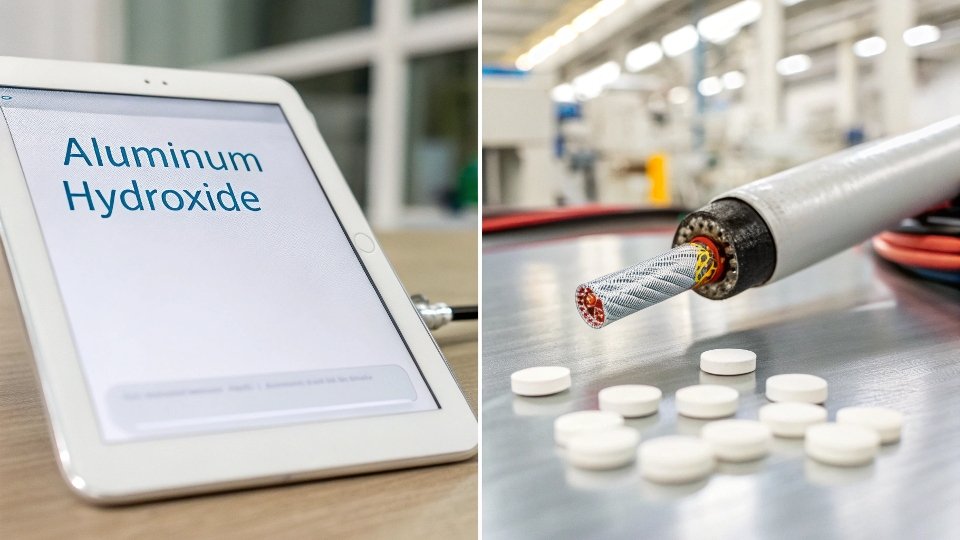
It’s essential to understand that the context of use is everything. The pure, pharmaceutical-grade material used in medicine is different from the industrial grades we produce for flame retardants. But the underlying reasons for its safety are the same: it’s a very stable, gentle, and predictable compound. From my factory in China, I see how its reliability makes it a top choice for a huge range of applications where safety is the number one priority.
What is aluminum hydroxide used to treat?
You are suffering from the burning pain of heartburn. Over-the-counter options can be confusing, and you want a simple, effective solution that works by targeting the source of the problem.
Aluminum hydroxide is primarily used to treat the symptoms of excess stomach acid, such as heartburn, acid indigestion, and sour stomach. It is also prescribed to treat high phosphate levels in the blood, a condition common in patients with kidney failure.
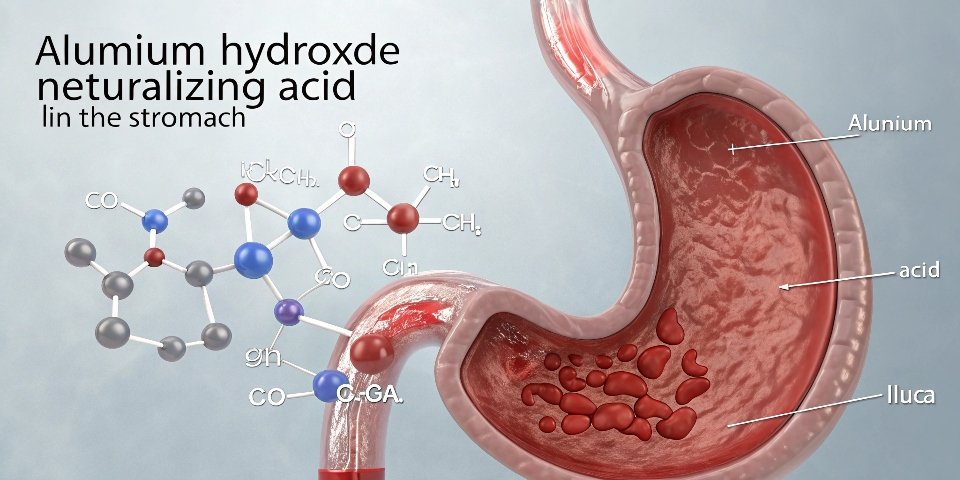
This is one of its oldest and most well-known medical uses. As a producer, I appreciate the chemistry behind this. We know aluminum hydroxide is a very weak and stable base. This property is exactly why it’s so perfect for this application. It works gently and effectively without causing a harsh reaction in the body. Its dual-purpose capability, also helping kidney patients, shows just how versatile this compound is. It interacts simply and predictably in the body to solve specific problems.
How it Works Medically
The mechanism of aluminum hydroxide in medicine is direct and chemical, relying on its basic properties to counteract two different conditions.
-
As an Antacid: The primary use that most people know is for neutralizing stomach acid. The chemical reaction1 is very straightforward. It’s a classic acid-base neutralization.
- Reaction:
Al(OH)₃ + 3HCl → AlCl₃ + 3H₂O - In simple terms, the aluminum hydroxide reacts with the hydrochloric acid (HCl) in your stomach and turns it into harmless aluminum chloride and water. Because it’s a weak base, it does this gently, providing relief without causing a sudden pH shift.
- Reaction:
-
As a Phosphate Binder: This is a more specialized but critical use for patients whose kidneys are not working properly.
- Mechanism: When taken with meals, it binds to phosphate from the food you eat. This forms aluminum phosphate2, which is not absorbed by the body and is passed out. This prevents dangerously high levels of phosphate from building up in the blood.
What are the dangers of aluminum hydroxide?
You hear the word "aluminum" and immediately think of health risks. This concern might make you hesitant to use a product that contains it, even if it’s recommended for safety.
For most people, aluminum hydroxide is very safe. The main "danger" is related to long-term, high-dose use by individuals with severe kidney disease, as they cannot excrete aluminum effectively. In its industrial use as a flame retardant, it is entirely non-toxic.
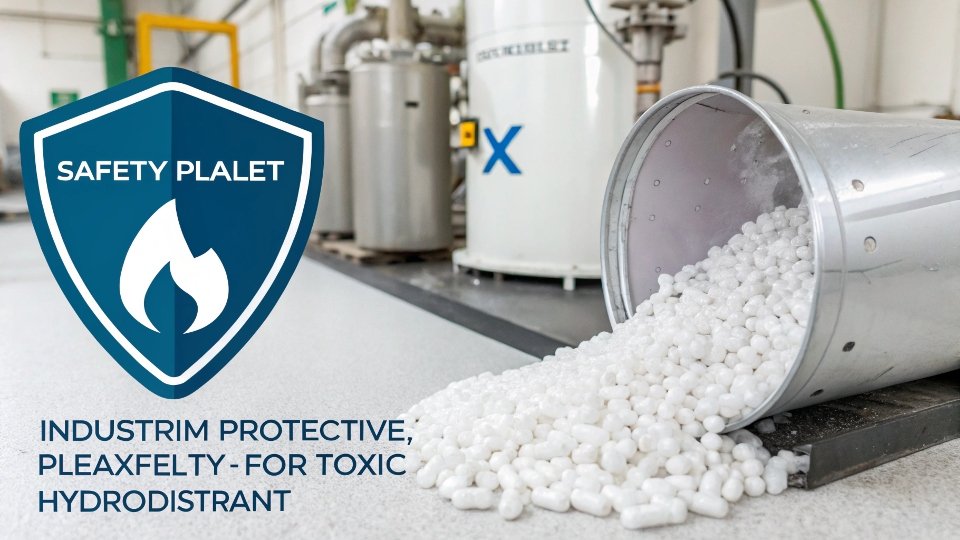
I want to be very clear on this point. The safety concerns you might read about are almost always tied to specific medical situations involving impaired kidney function. This is completely different from its use in materials like plastic or rubber. The aluminum hydroxide we produce for flame retardants is physically locked into the polymer matrix. It is not absorbed by the body. Even when it burns, it releases harmless water vapor, not toxic fumes. It is chosen specifically because it is one of the safest, most environmentally friendly options available.
The Two Contexts of Safety
It is critical to separate the medical context from the industrial one.
- Medical Context (Potential Risk): The only significant risk is for patients with kidney failure. Their bodies cannot get rid of aluminum efficiently. Over a long time, the aluminum can build up in the body and may affect the bones or brain. This is why its use as a phosphate binder3 is done under a doctor’s supervision. For someone with healthy kidneys using it as an occasional antacid4, this is not a concern.
- Industrial Context (Extremely Safe): In my world of manufacturing, safety is paramount. We sell aluminum hydroxide to be used as a filler and flame retardant5 in things like wire insulation, flooring, and conveyor belts. In this form, it is not "bioavailable6," meaning you can’t absorb it. It is a solid, inert filler. Its job is to make the product safer in a fire. It is a halogen-free solution, meaning it actively prevents the formation of the dense, toxic smoke seen with other retardants.
Which common side effect may a client taking aluminum hydroxide experience?
You’re taking an antacid for relief, but now you have a new and uncomfortable problem. This trade-off can make you want to stop the treatment altogether, leaving you back where you started.
The single most common side effect of taking aluminum hydroxide as an antacid is constipation. This happens because aluminum ions can slow down the natural muscle contractions of the intestines. It is a well-known and generally mild side effect.

This side effect is so common that it has directly influenced how many over-the-counter antacids are designed. A smart buyer with a pharmacology background, like Mr. Park in Korea, would know this instantly. The solution isn’t to avoid aluminum hydroxide, but to formulate it intelligently. Pharmaceutical companies have been doing this for decades. It’s a great example of using simple chemistry to solve a simple problem in the human body.
The Balancing Act in Formulations
Knowing about the constipating effect led to a brilliant and simple solution: combining it with another compound that has the opposite effect.
- The Problem: Aluminum hydroxide causes constipation7.
- The Solution: Magnesium hydroxide, another effective antacid4, has a common side effect of acting as a laxative.
By combining the two in one formula, drug manufacturers can create a product that effectively neutralizes acid while minimizing the impact on the digestive system8. The constipating effect of the aluminum cancels out the laxative effect of the magnesium.
| Component | Primary Function | Common Side Effect |
|---|---|---|
| Aluminum Hydroxide | Neutralizes Acid | Constipation |
| Magnesium Hydroxide | Neutralizes Acid | Diarrhea (Laxative Effect) |
| Combined Product | Neutralizes Acid | Balanced / Neutral Effect |
This balanced approach is why many popular antacid4 brands contain both ingredients. It delivers the relief you want without the side effects you don’t.
Conclusion
Aluminum hydroxide is a very safe compound. Medically, it gently treats acid reflux and reduces phosphate, with constipation being its main side effect. Industrially, it provides superior, non-toxic fire safety.
-
Understand the chemical reaction of aluminum hydroxide and how it neutralizes stomach acid. ↩
-
Learn about aluminum phosphate and its role in the body when using aluminum hydroxide. ↩
-
Understand how phosphate binders like aluminum hydroxide help manage kidney disease. ↩
-
Learn how aluminum hydroxide neutralizes stomach acid effectively and safely. ↩ ↩ ↩
-
Explore the safety and effectiveness of aluminum hydroxide as a flame retardant in various materials. ↩
-
Understand the concept of bioavailability and its relevance to aluminum hydroxide. ↩
-
Find out about the side effects of aluminum hydroxide, particularly constipation, and how to manage them. ↩
-
Explore the effects of aluminum hydroxide on the digestive system and how to mitigate side effects. ↩

You may also be interested in:

What protective measures should be taken when handling aluminum hydroxide powder in a factory?
Are you worried about worker safety when handling fine powders? Aluminum hydroxide is generally safe, but mishandling its dust can lead to serious respiratory issues and even create explosive conditions.

What Key Technical Indicators Should Be Considered When Purchasing Aluminum Hydroxide?
Are you struggling to find the right aluminum hydroxide for your needs? You might be paying for features you don’t even require. Let’s simplify the technical details. When buying aluminum

What are the market trends for aluminum hydroxide in 2026?
Are you planning your 2026 raw material purchases? Volatile markets make it hard. I will share insights from the factory floor to help you make better decisions for your business.

Is aluminum hydroxide toxic and is it harmful to the human body?
Worried about the word "aluminum" in your products? It sounds scary and can make you question its safety. I’m here to clear up the confusion with simple facts. Aluminum hydroxide

What are the side effects of long-term use of stomach medications containing aluminum hydroxide?
Struggling with constant heartburn? Reaching for that stomach medicine might seem like the only option. But what if that relief comes with hidden long-term costs? The most common side effect

Does ingesting aluminum (such as through aluminum hydroxide) cause Alzheimer's disease?
Are you worried that everyday products containing aluminum might be harmful? This fear connects to serious health concerns like Alzheimer’s, making you question what is safe. Let’s look closely. Based

Why do some vaccines contain aluminum hydroxide (aluminum adjuvant)?
Confused about vaccine ingredients? Seeing aluminum hydroxide listed can be unsettling. I’ll explain its crucial role and why it’s there to help your body build strong immunity. Aluminum hydroxide acts

Is the aluminum adjuvant in vaccines safe for infants or adults?
You read about vaccine ingredients and worry. The word "aluminum" sounds scary, especially when talking about babies. But understanding the facts can give you peace of mind. Yes, the aluminum

What environmental problems are generated during the production of aluminum hydroxide?
Worried about environmental compliance in your supply chain? Sourcing from China can be complex. You need a reliable, eco-conscious partner for your aluminum hydroxide needs. The main environmental issue is

Where are China's main aluminum hydroxide production areas?
Are you struggling to find the right aluminum hydroxide supplier in China? This confusion can lead to higher costs and unstable quality, which hurts your business and your reputation. China’s