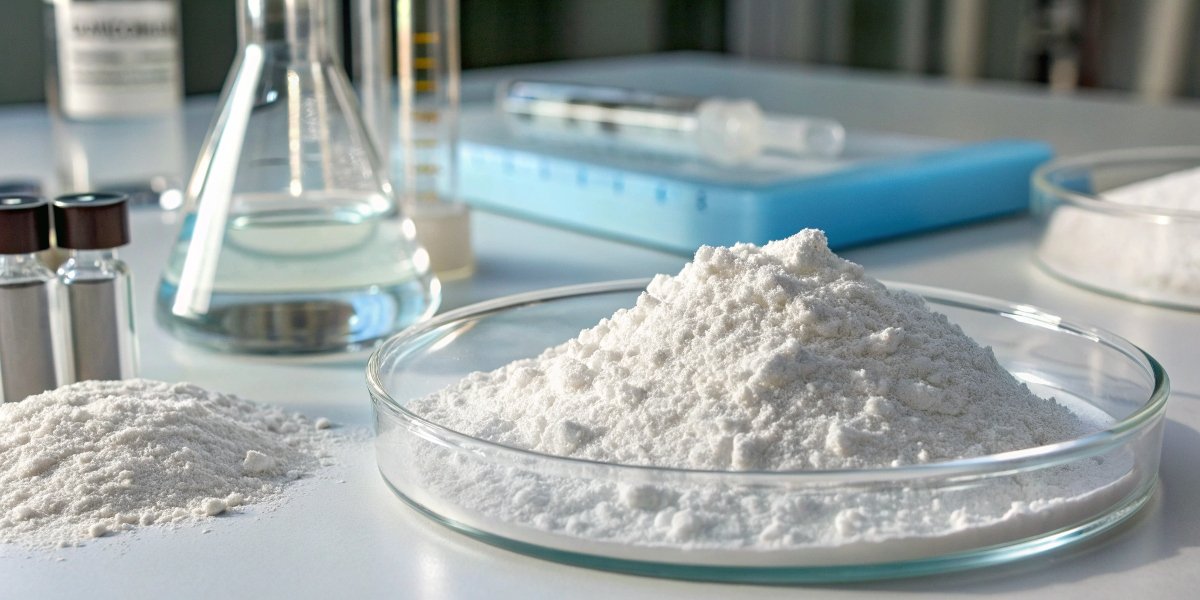
Are you struggling to find a fire retardant that is both effective and meets modern safety standards? Choosing the wrong one can lead to product failure, regulatory fines, and a damaged reputation, a constant worry for any manager.
Yes, aluminum hydroxide is one of the most widely used fire retardants in the world. It is valued for being a non-toxic, halogen-free solution that effectively suppresses fire and smoke in plastics, rubber, and composites.
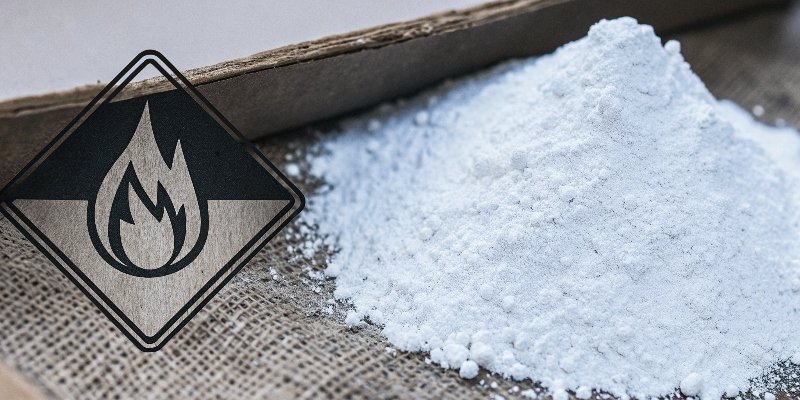
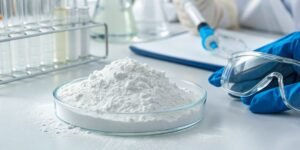
From my position at our production facility in Henan, I see tons of this white powder shipped out daily for this exact purpose. Its popularity isn’t an accident; it’s based on a simple, predictable, and safe chemical process. This property has turned a simple mineral into a critical safety component for countless products we use every day.
But how does a simple powder stop a fire? And where is it being used? Let’s look closer at the facts so you can see why it has become the go-to choice for so many industries.
Is aluminum hydroxide a flame retardant?
It might seem strange that a simple white powder can prevent a plastic from burning. If you don’t understand the science behind it, it’s hard to trust that it will protect your product and your customers.
Absolutely. Aluminum hydroxide is a leading flame retardant that functions physically, not chemically. It works by breaking down under heat, absorbing energy, and releasing water vapor. This process cools the material and suppresses the fire before it can grow.

This mechanism is elegant in its simplicity and is the main reason for its widespread use. It’s not a complex chemical inhibitor that creates toxic byproducts. At our factory, we focus on controlling the particle size and purity to ensure this reaction happens as efficiently as possible. When a material containing ATH is exposed to fire, a three-part protective action kicks in:
- Heat Absorption: The decomposition process is highly endothermic. This means it requires a lot of heat to get started, acting like a giant heat sink. It draws thermal energy away from the plastic, keeping it below its ignition temperature for a longer time.
- Water Release: The "H" and "O" in Al(OH)₃ are released as simple water vapor. This steam dilutes the flammable gases that the burning plastic produces, making the air-fuel mixture too lean to burn.
- Char Formation: The aluminum oxide (Al₂O₃) that remains forms a protective, ceramic-like char layer on the material’s surface. This barrier insulates the underlying plastic from heat and blocks oxygen from reaching the fuel.
This triple effect provides powerful fire protection in one simple additive.
What is aluminium hydroxide used for?
You know it stops fire, but where does this powder actually end up? Seeing its wide range of uses can help you understand its versatility and importance in the modern world.
Aluminum hydroxide is primarily used as a non-toxic flame retardant in plastics and rubber. Its major applications include wire and cable insulation, construction materials like composite panels, conveyor belts, and solid surface countertops.

Beyond being a flame retardant, it has other important jobs. As a producer, I find its versatility fascinating. We might sell one batch to a plastics company and the next to a pharmaceutical company. For a buyer like Mr. Park from Korea, who has a background in pharmaceuticals, this might be surprising. The same chemical used to neutralize stomach acid in antacid1 tablets is also used to protect a skyscraper’s electrical system from fire.
Here’s a breakdown of its main uses:
- Flame Retardant: This is its largest market. It’s mixed into PVC2, EVA3, and epoxy resins4 to make fire-safe cables, circuit boards, and more.
- Filler: In applications like solid surface countertops (artificial marble), ATH is used in high quantities. It provides a smooth, white finish, good mechanical strength, and fire resistance all in one.
- Antacid: In the pharmaceutical industry, high-purity grades of aluminum hydroxide are used as an active ingredient in antacids to neutralize excess stomach acid.
- Chemical Source: It is the starting material for producing other important aluminum chemicals, like aluminum sulfate for water purification.
Its ability to perform so many different functions makes it an incredibly valuable industrial mineral.
Is aluminum hydroxide used as a foaming agent in fire extinguishers?
With all this talk about fire, it’s easy to get confused. I often hear people mix up the role of a flame retardant additive with the chemicals used inside a fire extinguisher. Clearing this up is important.
This is false. Aluminum hydroxide is an additive mixed into solid materials to make them fire-resistant from the start. It is not used as a foaming agent in fire extinguishers, which are designed to put out existing fires.
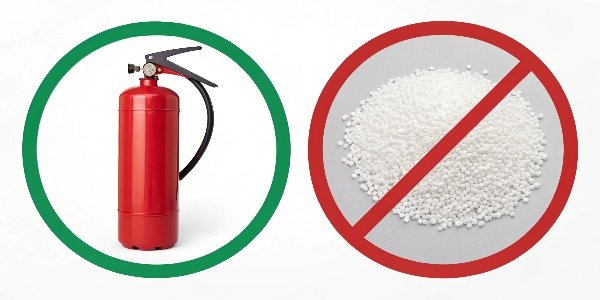
This is a critical distinction that every buyer should understand. A flame retardant works passively to prevent ignition, while a fire extinguisher works actively to suppress a fire. The confusion often comes from another aluminum compound: aluminum sulfate5.
- Flame Retardants like ATH: You mix these solid powders (often 40-60% by weight) into a polymer like plastic or rubber during the manufacturing process. The goal is to make the final product itself resistant to catching fire. At my plant, we produce these solid powders.
- Foaming Agents in Extinguishers: Fire extinguisher foam is created by a chemical reaction at the moment of use. These systems typically use a foaming agent concentrate mixed with water. Sometimes, aluminum sulfate is used in these systems to help generate a stable foam blanket that smothers a fire by cutting off its oxygen supply.
So, while an "aluminum" chemical can be involved in fire extinguishers6, it is not aluminum hydroxide. Thinking that ATH can be used in an extinguisher is a fundamental misunderstanding of its purpose and function.
What is aluminium hydroxide used to stop?
Now let’s get to the bottom line. When you decide to add aluminum hydroxide to your product formulation, what negative outcomes are you actually preventing? Thinking about it this way reveals its true value.
Most importantly, aluminum hydroxide is used to stop fire ignition and flame spread. It also effectively stops the generation of thick, toxic smoke, which is the leading cause of fatalities in fires.
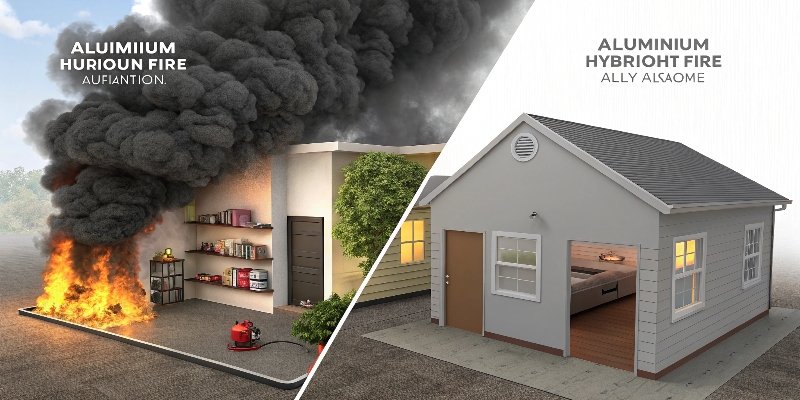
As a manufacturer, I believe we are not just selling a chemical; we are selling safety. When a buyer adds our ATH to their product, they are stopping a chain reaction of catastrophic events. It is a powerful form of risk management7.
ATH is used to stop:
- Ignition: By absorbing heat, it prevents materials from reaching the temperature where they burst into flame.
- Flame Spread: If a fire does start, the water vapor and char layer work together to slow or stop the fire from spreading to other parts of the material or adjacent items.
- Toxic Smoke: This is a life-or-death benefit. Halogenated retardants can release dense, black, and highly toxic smoke8. ATH releases harmless water vapor, which actually dilutes smoke, improving visibility and giving people precious extra time to escape.
- Regulatory Fines: Using a globally accepted, halogen-free9 flame retardant like ATH stops the risk of failing safety standards like RoHS and REACH, allowing your product to be sold worldwide.
Ultimately, ATH is used to stop tragedy. It turns a potentially flammable material into a component that actively contributes to the safety of a building, a vehicle, or an electronic device.
Conclusion
Aluminum hydroxide is a crucial fire retardant because it safely and effectively stops fire and smoke. Its versatility and environmental friendliness make it a smart, reliable choice for countless modern products.
-
Learn about the dual role of aluminum hydroxide in both fire safety and pharmaceuticals. ↩
-
Learn about PVC’s role in fire safety and how it can be enhanced with fire retardants. ↩
-
Discover how EVA is utilized in fire retardants and its benefits for safety. ↩
-
Explore the benefits of using fire retardants in epoxy resins for improved safety. ↩
-
Discover the uses of aluminum sulfate and its relationship with fire safety. ↩
-
Understand the different types of fire extinguishers and their specific applications. ↩
-
Explore how fire retardants play a crucial role in risk management for safety. ↩
-
Understand the dangers of toxic smoke in fires and how to mitigate these risks. ↩
-
Find out the advantages of halogen-free fire retardants for safer and more sustainable products. ↩

You may also be interested in:

What protective measures should be taken when handling aluminum hydroxide powder in a factory?
Are you worried about worker safety when handling fine powders? Aluminum hydroxide is generally safe, but mishandling its dust can lead to serious respiratory issues and even create explosive conditions.

What Key Technical Indicators Should Be Considered When Purchasing Aluminum Hydroxide?
Are you struggling to find the right aluminum hydroxide for your needs? You might be paying for features you don’t even require. Let’s simplify the technical details. When buying aluminum

What are the market trends for aluminum hydroxide in 2026?
Are you planning your 2026 raw material purchases? Volatile markets make it hard. I will share insights from the factory floor to help you make better decisions for your business.
Is aluminum hydroxide toxic and is it harmful to the human body?
Worried about the word "aluminum" in your products? It sounds scary and can make you question its safety. I’m here to clear up the confusion with simple facts. Aluminum hydroxide

What are the side effects of long-term use of stomach medications containing aluminum hydroxide?
Struggling with constant heartburn? Reaching for that stomach medicine might seem like the only option. But what if that relief comes with hidden long-term costs? The most common side effect

Does ingesting aluminum (such as through aluminum hydroxide) cause Alzheimer's disease?
Are you worried that everyday products containing aluminum might be harmful? This fear connects to serious health concerns like Alzheimer’s, making you question what is safe. Let’s look closely. Based

Why do some vaccines contain aluminum hydroxide (aluminum adjuvant)?
Confused about vaccine ingredients? Seeing aluminum hydroxide listed can be unsettling. I’ll explain its crucial role and why it’s there to help your body build strong immunity. Aluminum hydroxide acts

Is the aluminum adjuvant in vaccines safe for infants or adults?
You read about vaccine ingredients and worry. The word "aluminum" sounds scary, especially when talking about babies. But understanding the facts can give you peace of mind. Yes, the aluminum

What environmental problems are generated during the production of aluminum hydroxide?
Worried about environmental compliance in your supply chain? Sourcing from China can be complex. You need a reliable, eco-conscious partner for your aluminum hydroxide needs. The main environmental issue is

Where are China's main aluminum hydroxide production areas?
Are you struggling to find the right aluminum hydroxide supplier in China? This confusion can lead to higher costs and unstable quality, which hurts your business and your reputation. China’s